
Quick Take
- A single mathematical curve governs the performance of every living thing on Earth. See the universal curve →
- Every organism faces a thermal limit, and once crossed, the consequences are abrupt. Explore the cliff edge →
- The idea that 'life finds a way' may be fundamentally wrong, and new research reveals where evolution hits a hard wall. See evolution's hard limits →
- A small shift in global temperature could have major ecological consequences. See the ecosystem risks →
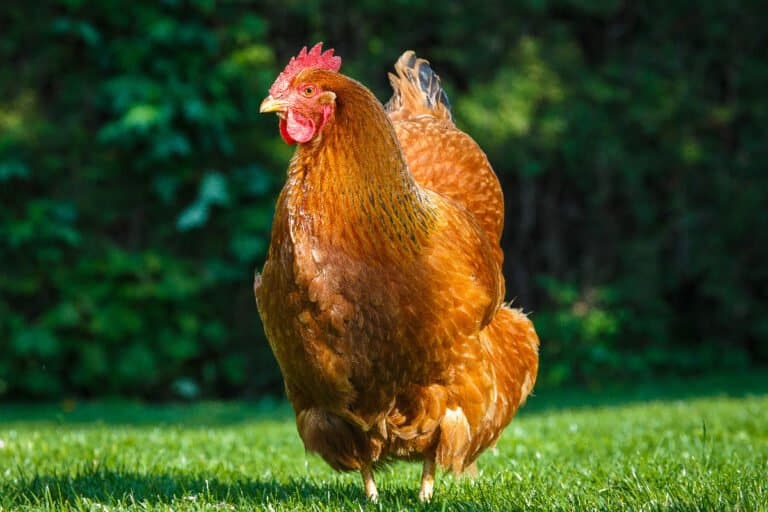
Despite its incredible diversity, there is a universal tie between all life on Earth, regardless of species. This unifying trend is found throughout different species and even across kingdoms, whether it be a desert-dwelling lizard, a microbe in the deep sea, or even a garden tomato. The same thermal “budget” binds every living thing, which directly impacts its effectiveness. That budget could become a serious problem as global temperatures rise.
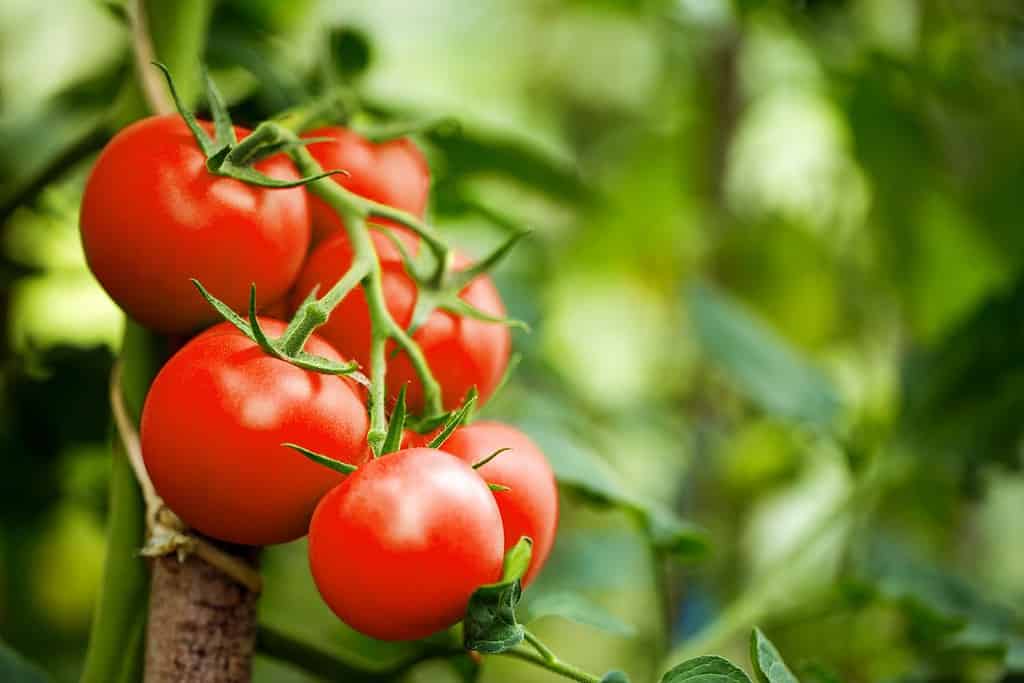
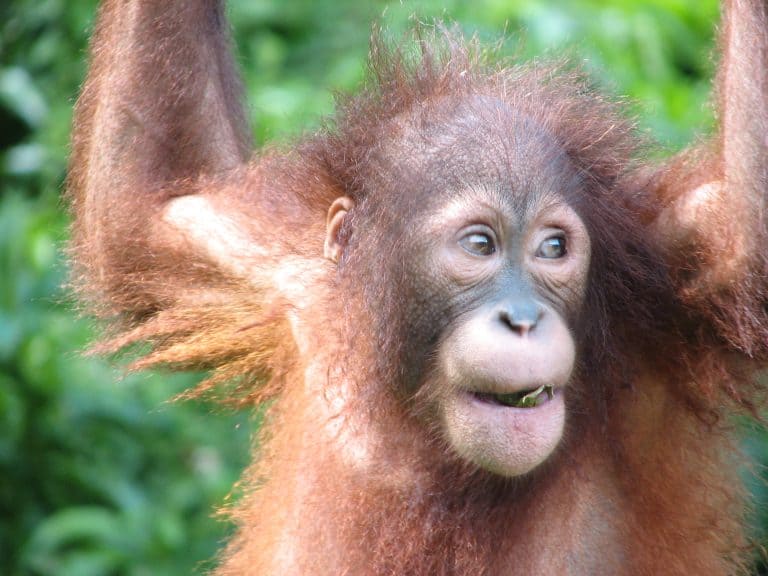
A single trend unites all life, from lizards to microbes and even to garden tomatoes.
©eugenegurkov/Shutterstock.com
A Breakthrough Study Shows a Unifying Trend
On October 22, 2025, researchers from Trinity College Dublin published the results of a study which show that all life follows the same “universal thermal performance curve” (UTPC). This mathematical model governs an organism’s performance relative to its ambient temperature. The team analyzed thousands of previously separate performance curves to understand how a given species performs when subjected to different temperatures. What they found was that these separate curves all underlie the same pattern. This pattern applies not only between species, but between different performance measures.
The study, published in the journal Proceedings of the National Academy of Sciences (PNAS), allowed researchers to consolidate thousands of different performance curves and combine them into a single mathematical model which, the researchers argue, determines performance across the entire living spectrum. This single curve, the UTPC, reveals all organisms operate within set thermal limits. These limits mean a species’ ability to adapt to temperature change extends only so far before its performance inevitably drops off when temperatures exceed the optimal operating range for that species. As a result, the UTPC binds it to a species’ ability to adapt to increasing temperatures.
The Biological “Cliff Edge”
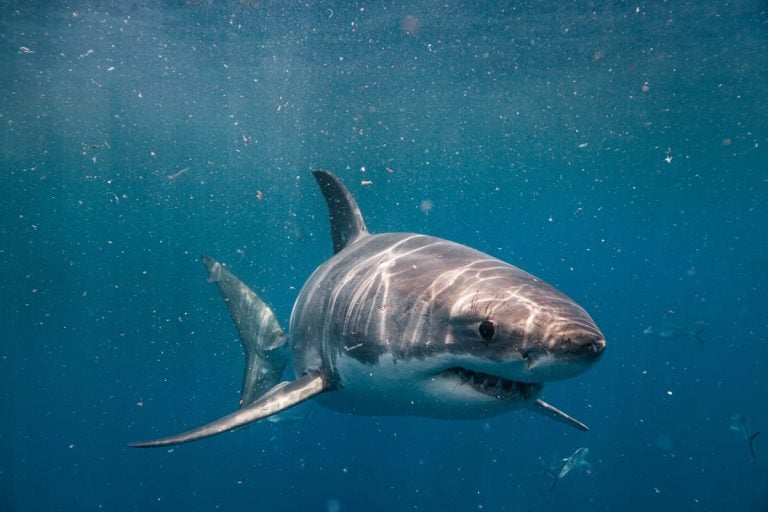
The behavior of each curve studied is consistent with the same pattern, even across different metrics and contexts. Whether it be division of individual cells, swimming speed of sharks, or large-scale ecological population growth, the behavior remains the same. Living things run less efficiently at low temperatures. As temperatures rise, their performance increases until they hit their ideal temperature. Once the temperature gets too high, their ability to function drops off sharply. The whole process is like a gradually sloping mountain with a sheer cliff at its peak. The climb starts slowly, then leads to a defined, narrow summit, which in turn leads to a dramatic drop-off. Once an organism reaches its optimal temperature, any further increase causes performance to plummet.

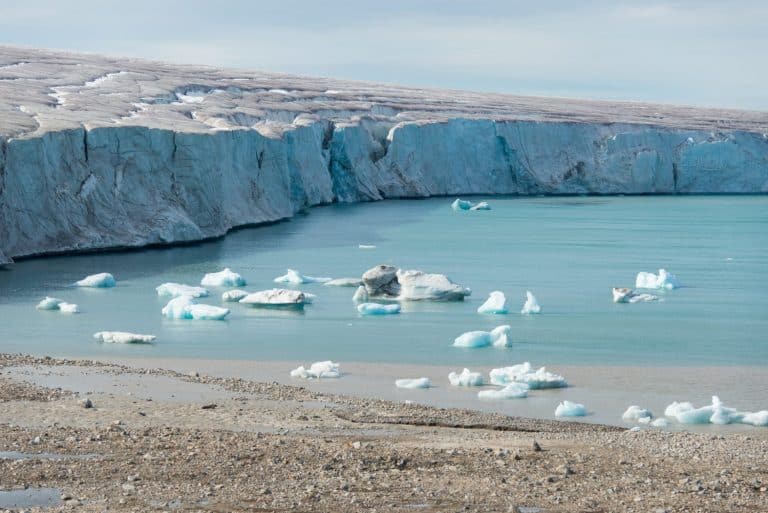
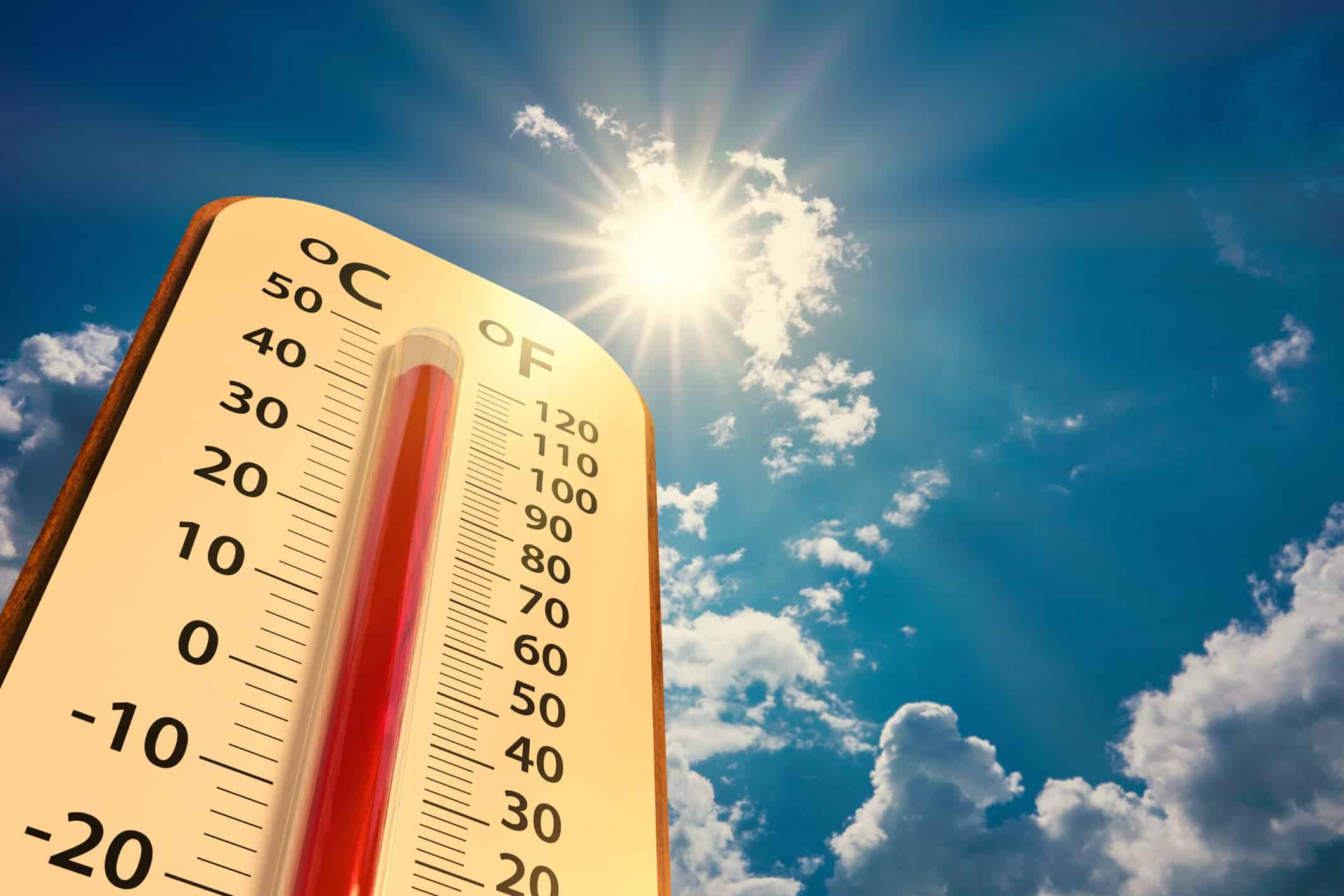
Once an organism reaches its thermal limit, performance drops off sharply, like a sheer cliff face.
©Stefano Zaccaria/Shutterstock.com
Interestingly, this rule is not limited to cold-blooded animals, such as reptiles, where the effects of ambient temperature are most noticeable. Rather, it extends to the entirety of the tree of life. Individual performance always starts slowly, then improves with increased temperature. It reaches an optimum, then quickly diminishes when temperature increases beyond maximally efficient levels.
The Limits of Evolution
One key takeaway from this study is that overheating can become extremely dangerous to living organisms. These consequences extend beyond that of individual performance. Because their curves are effectively fixed, species cannot easily extend or “stretch” their thermal performance ranges. If temperatures rise too drastically, species may not be able to perform adequately. Inevitably, performance will decrease to the point of becoming harmful to the individual. In a warming world, this information becomes increasingly critical to species survival.
These findings contrast sharply with the traditional idea that “life finds a way” and is nearly infinitely adaptable to changing conditions given enough time. Instead, they suggest that evolution and temperature are inextricably connected. The most evolution has been able to do is shift the curve. Though when the optimum shifts, the cliff tends to shift with it.
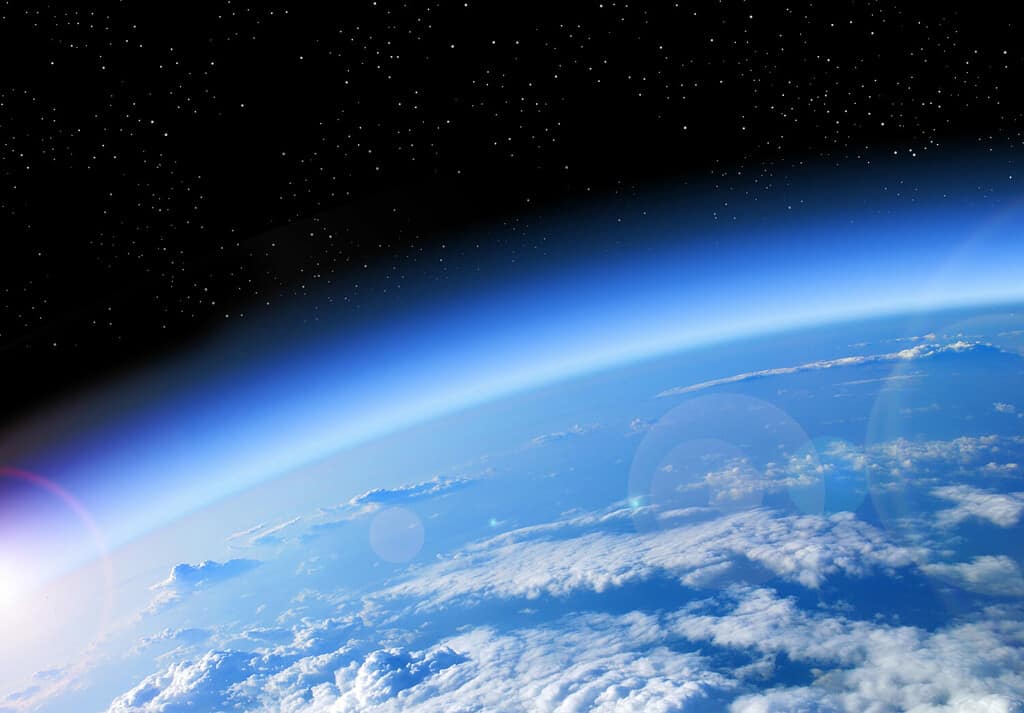
Ultimately, in order to protect life on Earth, we must protect the Earth itself.
©studio23/Shutterstock.com
The Cascading Consequences of Species Loss
If a living thing is pushed past its peak, it will eventually stop functioning. Inevitably, the species will die, which may have major ramifications for other species in a given ecosystem. Because different species have different performance ranges, a relatively small shift in global temperature may not cause much of an impact; for others, that same increase can quickly become catastrophic, both for the species itself and other species within the same ecosystem. Depending on where in the ecological hierarchy that species resides, its death could create a cascading effect, where higher level predators begin to die off as the base-level species disappear.
Species Conservation in a Warming World
The UTPC is a critical tool for understanding how life adapts to a warming world. As global temperatures rise, more species are pushed towards their thermal limits. The UTPC allows us to see that global climate change and species performance are fundamentally linked; influencing one influences the other. The rigid nature of the UTPC means all species will reach a breaking point. This makes combating climate change all the more critical. Ultimately, the UTPC tells us that in order to protect life on Earth, we must protect the Earth itself.