Quick Take
- Firefly light isn't just a summer spectacle. It serves multiple survival purposes that most people never consider.
- A chemical reaction inside a firefly's body produces something scientists find genuinely remarkable, and it is not what most people picture.
- There's a specific reason fireflies go dark for most of the year, and that reason is tied directly to their life cycle in a way kids find surprising.
- Teaching fireflies across five days works better than one lesson, and this plan shows exactly why the sequence matters.
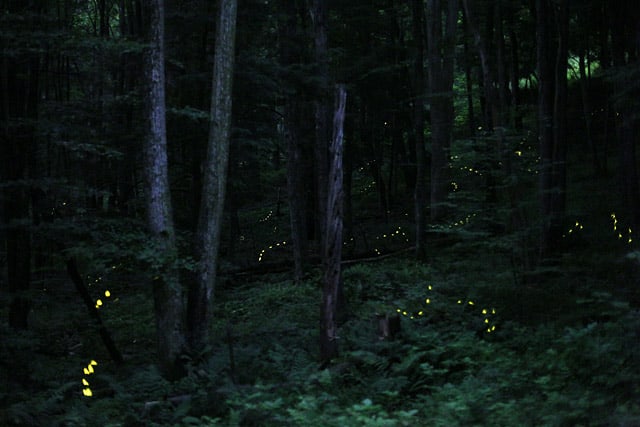
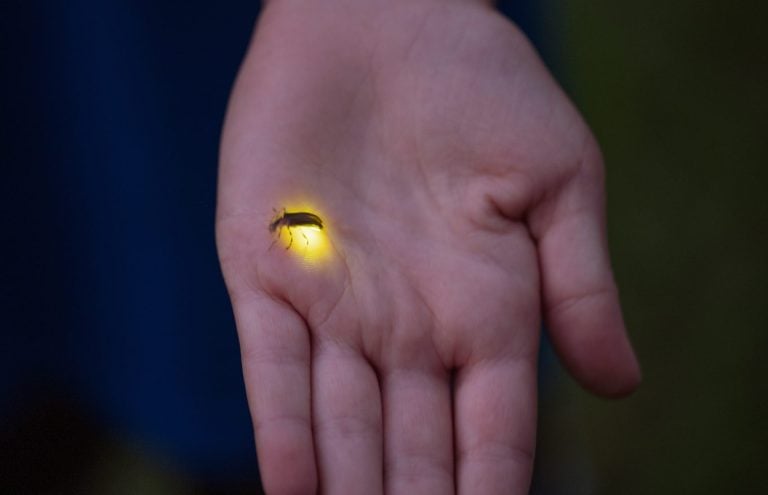
Fireflies are remarkable insects, most well-known for their unique ability to produce flashes of light on warm, summer nights. Commonly found in backyards, gardens, fields, meadows and forests, fireflies utilize their glowing displays to communicate with one another. These insects use a chemical reaction in their bodies called bioluminescence to create light, which is then utilized to attract mates, find other fireflies of the same species, and warn predators.
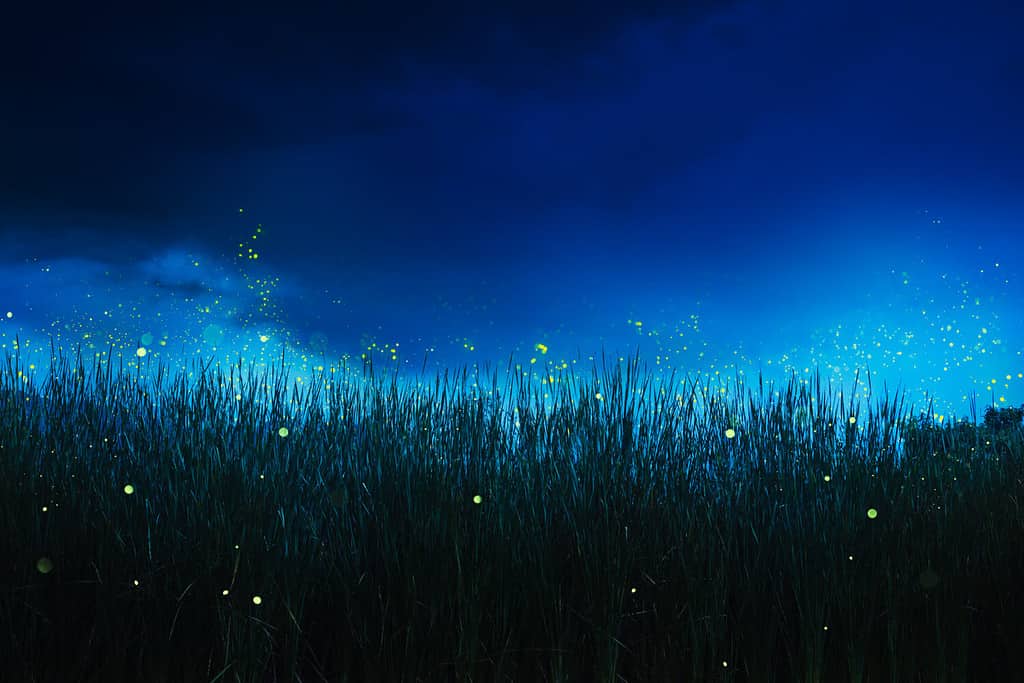
©Fer Gregory/Shutterstock.com
In our five-day unit, designed for elementary-aged students, children will learn more about different stages of the firefly life cycle, how fireflies shine their light, how they thrive in their habitats, and why they are most active in the summer.
Included in the unit plan are five days’ worth of comprehensive lesson plans, graphic organizers, educational video ideas, children’s book suggestions, comprehension questions, instructional resources, writing templates, and research activities.
We hope you enjoy exploring more about fireflies and discovering how these fascinating insects glow, grow and survive in nature!

©