
Quick Take
- Firefly flash patterns hold a dark secret that most people never suspect, and scientists need your footage to decode it. Decode flash patterns →
- The biggest obstacle to saving fireflies isn't funding or legislation. It's something ordinary people can fix from their backyard. Fix it from your backyard →
- A single sighting you log this summer could be the data point that keeps an entire species off the endangered list. Submit your sighting →
Those warm, summer nights are lonely without the soft glow of fireflies. As more species continue to dwindle worldwide, many people are asking what can be done to help. Our beloved lightning bugs are falling victim to light pollution, habitat loss, and pesticide use, not to mention climate change, all of which are altering their natural cycles. As each of these threats intensifies, time is running out for species that could disappear entirely.
Scientists are now asking the public to help document the fireflies that remain. If you have a smartphone, you can collect data that could help shape the future of these species.
Identify Firefly Species and Share Photos
One of the biggest problems surrounding firefly conservation is data deficiency. Scientists simply don’t have enough information about each species to study it in depth. But this is where the general public can become citizen scientists and gather data that real researchers can use. Firefly Conservation & Research needs photos and flash-pattern data to better understand the habits of vulnerable species. By focusing on your local area, you can provide data on reproductive rates, mating, and life cycles specific to your region.

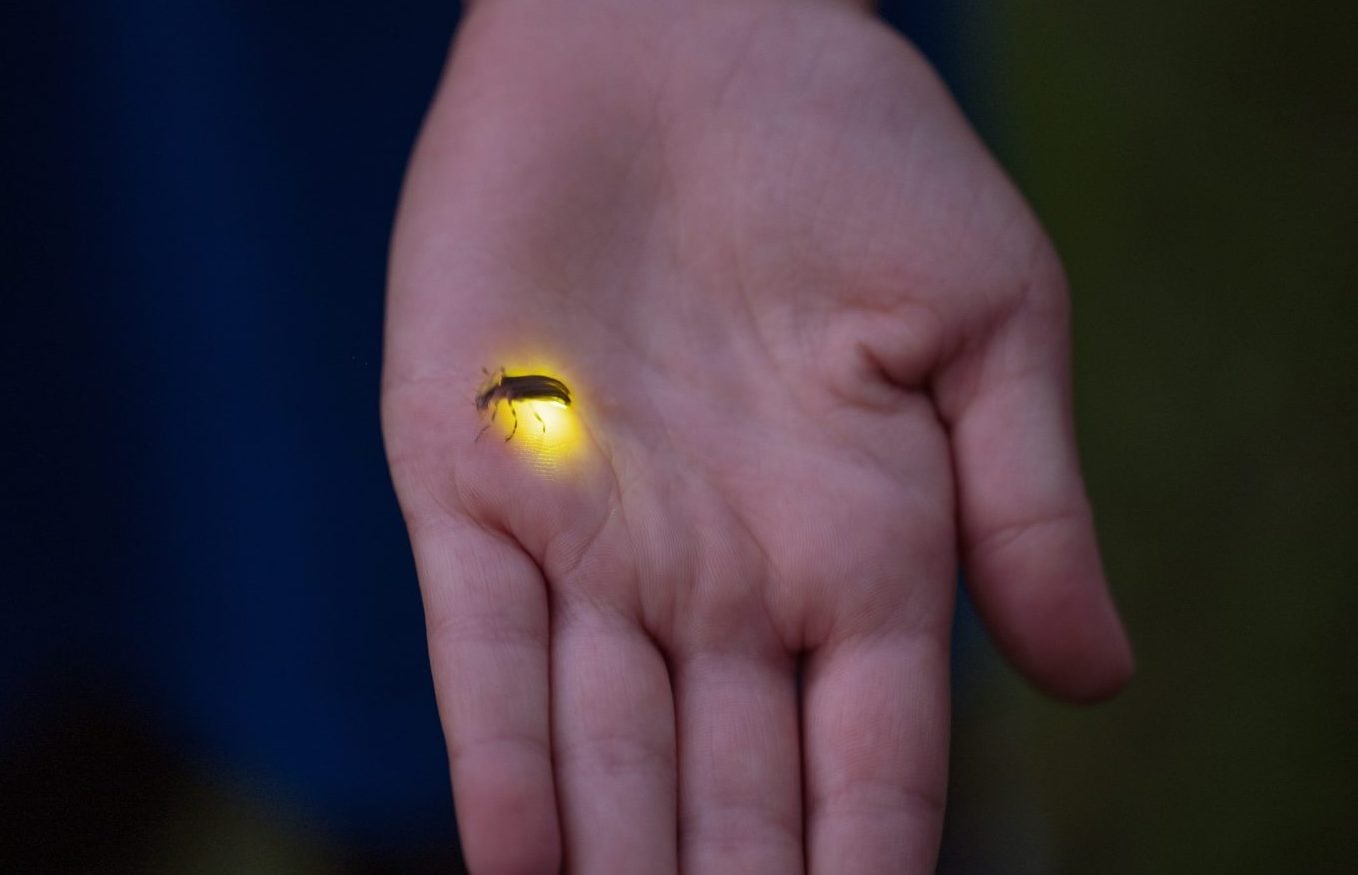
Fireflies are disappearing at an alarming rate, with 18 species now vulnerable.
©iStock.com/ErikAgar
For photos, iNaturalist is an excellent place to log any pertinent media. This nonprofit has apps for both iPhone and Android, and is also available via web browser. Here, you can upload photos you take, which will be added to iNaturalist’s extensive library. Other users can also see and comment on your data, providing helpful insights into what you’ve discovered. By mapping your photos, you’ll help create a valuable database that scientists can use to track where different firefly species have been observed.
How to Record Flash Patterns
Flash patterns are how fireflies communicate with one another. By understanding what these light patterns mean, we can also begin to understand their behavior. This can be done through iNaturalist, but Firefly Conservation & Research also recommends uploading it to their records. To identify flash patterns, try answering these questions:
- How many flashes did you see from a single individual?
- What did the pattern look like? (i.e., how many flashes did it contain, and did it have a specific sequence?)
- Were there any double flashes, or did the pattern consist of evenly spaced single flashes?
- Was there a trailing glow behind any of the flashes? (This is indicative of longer flashes vs smaller, quicker illuminations)
- What color was the light?
The easiest way to do this is typically by using the record function on a smartphone. Depending on how dark it is, you may need to adjust your camera’s settings to compensate for light pollution or moonlight. Doing this will also record the time you witnessed the firefly activity, and if your GPS location is enabled, the video information will provide an estimated location.
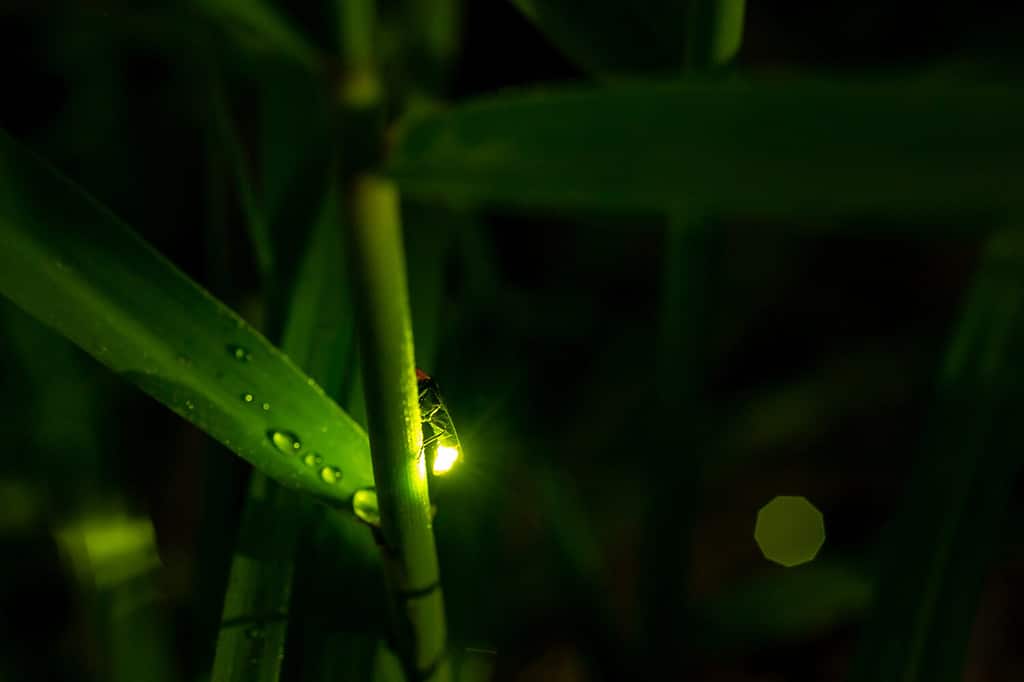
Each flash pattern serves a purpose, and many are linked to communication and mating behavior.
©anko70/Shutterstock.com
During the summer, male fireflies flash as part of their mating ritual. If he is successful, one or more females will flash back. In some cases, females continue flashing even after mating. This behavior, known as sexual cannibalism, is also seen in some arachnid species. Females consume males to ingest protective toxins, making themselves unpalatable to predators. All of these flashes have meaning, and scientists are relying on us to help determine what they signify.
Submit Sightings to Conservation Groups
Firefly Atlas is an excellent source for both finding firefly sightings near you and recording them. It’s a project of the Xerces Society, which collaborates with the IUCN SSC Firefly Specialist Group and the New Mexico BioPark Society. Therefore, you can be confident that your submitted data will support important conservation efforts. As of June 2026, at least 18 firefly species are threatened or endangered. Firefly Atlas’s goal is to prevent more species from joining this list, while also protecting those most vulnerable.
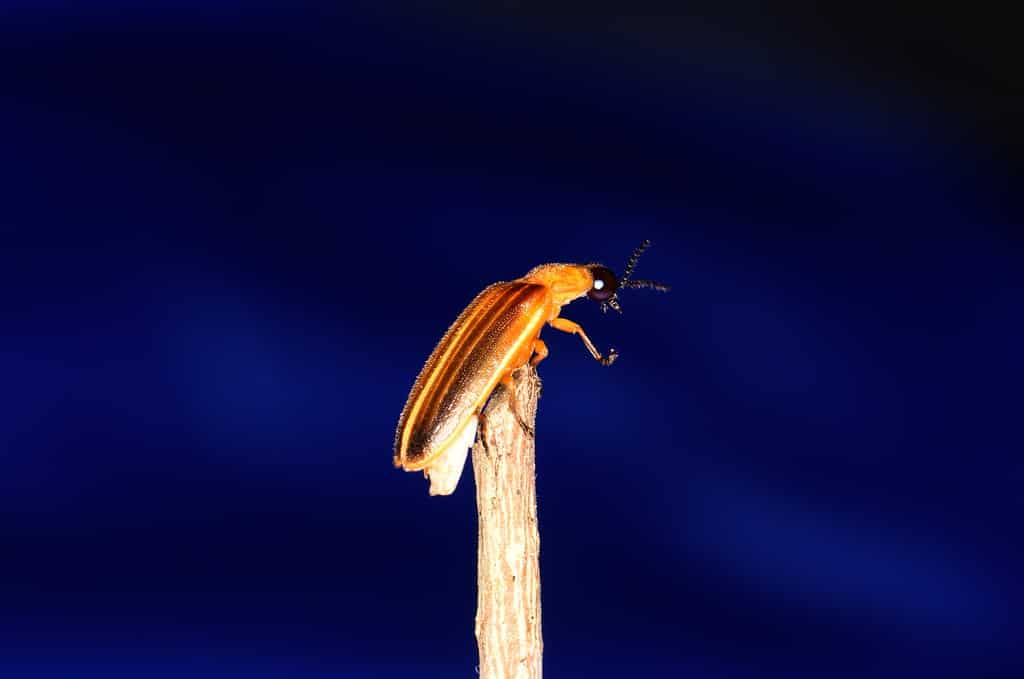
There are more species of firefly than you think, and they don’t all look the same, which is where apps like iNaturalist can help.
©glebantiy/Shutterstock.com
To record a sighting, simply register and log in to their desktop site. While there is currently no app, the website is easy to use on a smartphone. If you’re interested, you can also browse the firefly sighting map, which is updated periodically to include the most recent sightings, along with the date, time, and exact location. This data can also be browsed in list form, with filters for location, species type, and date.
For those living in and around Utah, the Western Firefly Project also asks locals to submit their sightings. On the site, you can find helpful information, such as the best times and locations to see fireflies in Utah (late May through early July, typically at night). While most of the current recorded sightings are in and around Salt Lake City, more are appearing week by week in rural areas. The sighting you record could help scientists better understand and conserve these remarkable insects.