Quick Take
- Jellyfish have outlasted dinosaurs by hundreds of millions of years, and the secret weapons behind their survival are stranger than you'd expect.
- One jellyfish adaptation doubles as both camouflage and a predator lure, and it is not the stinger.
- Most people see jellyfish as a nuisance, but removing them from the ocean would trigger a chain reaction most ecosystems couldn't survive.
- With 2,000+ species ranging from harmless to deadly, knowing which jellyfish you're looking at changes everything.
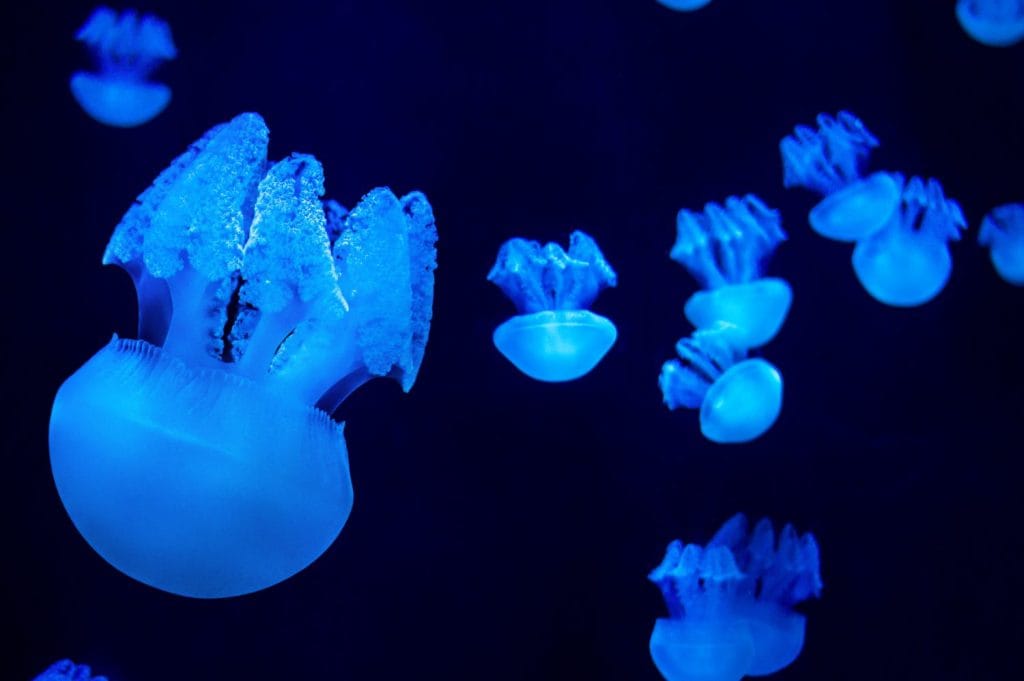
Jellyfish are a fascinating group of invertebrate animals that can be found in every ocean on Earth! From the common Moon Jellyfish to the remarkable Lion’s Mane Jellyfish to the highly venomous Box Jellyfish, there are over 2,000 species that come in various shapes, sizes and colors. Existing for over 500 million years, jellyfish have developed specialized adaptations and defense mechanisms that allow them to thrive in diverse habitats, including stinging tentacles, transparency, camouflage, bioluminescence and lightweight bodies.
©berni0004/Shutterstock.com
In our five-day unit, designed for elementary-aged students, children can dive deeper into learning more about the physical characteristics of jellyfish, where they live, what they eat and what eats them, their adaptations and defense mechanisms that protect them from predators, and why they are important for maintaining a balanced ecosystem.
Included in the unit plan are five days’ worth of comprehensive lesson plans, graphic organizers, educational video ideas, children’s book suggestions, comprehension questions, instructional resources, writing templates, and research activities.
We hope you enjoy investigating more about how jellyfish continue to be one of the most successful marine animals in the ocean and the important role they play in our ecosystems!

©