
Quick Take
- A bird no bigger than a lime somehow ended up 5,000 miles from where it was supposed to be, and scientists have more than one theory for how that's even possible. See how far it traveled →
- Only one other person has ever recorded this bird in California, and the circumstances of that sighting are just as bizarre. Read about the previous sighting →
- Hundreds of birders raced to a tiny California town to see it, though many left empty-handed for a reason no one anticipated. Find out why birders missed it →
- Climate change may be quietly rewriting bird migration in a way that sounds exciting for birders but signals something far more troubling. Explore the migration theories →
Thanks to the keen eyes of a college student hoping to spot an “ultra-rare” vagrant, a lone yellow-browed warbler was recently identified in the Golden State. As a result, hundreds of birders swarmed a tiny California town to catch a glimpse of one of the rarest sightings in years.
Birders Come to Moss Beach to See Yellow-Browed Warbler
On October 22. 2026, Marty Freeland walked near Moss Beach, California, to observe birds. Little did he know his stroll would become an observation of a lifetime.
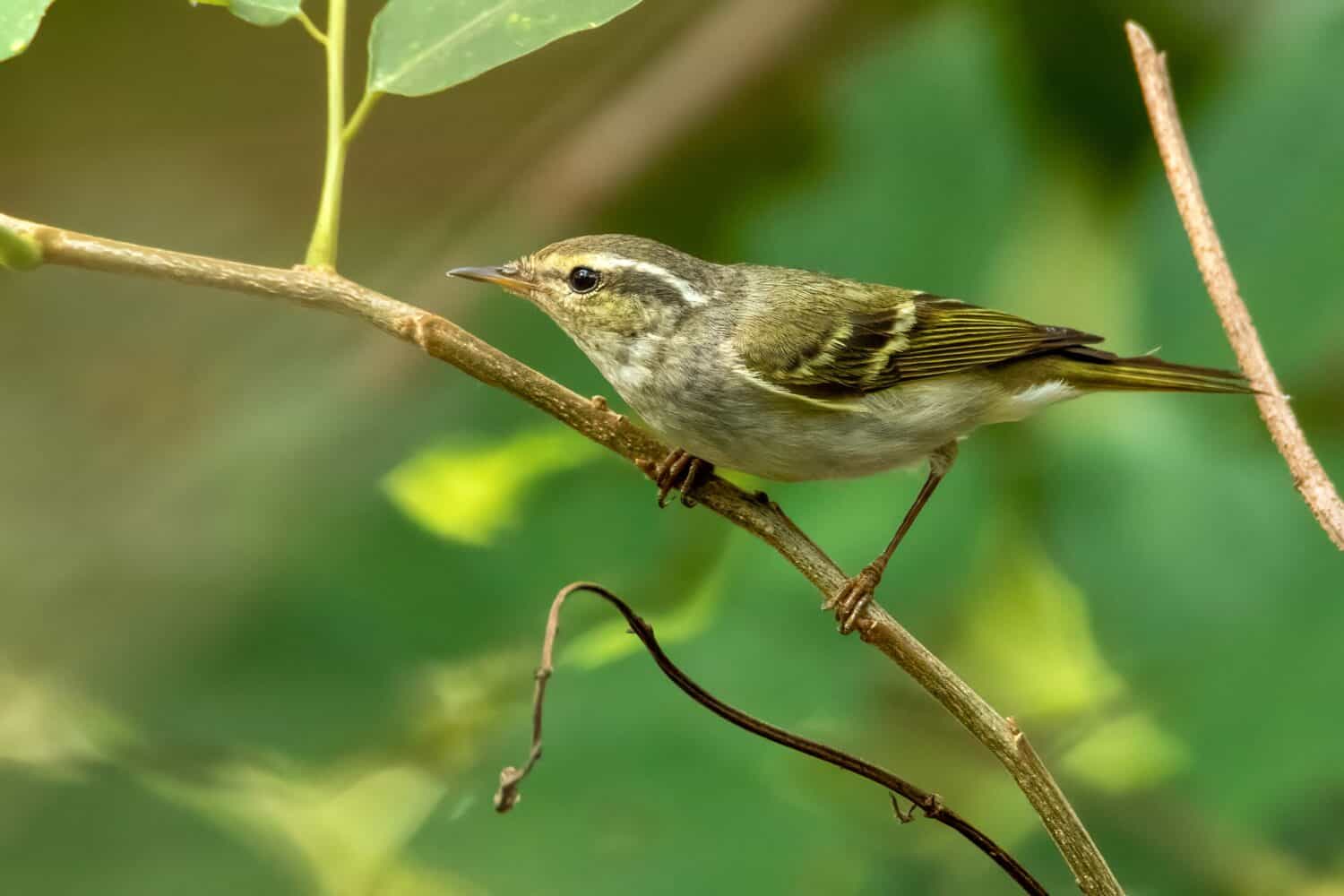
While walking along Ranch Road, Freeland imitated bird calls to see which birds would respond. As he approached a willow tree, a small yellow-and-brown bird flitted from limb to limb. Freeland immediately knew what he was witnessing when he spotted the bird, which was no bigger than a “large lime.” The bird was a yellow-browed warbler.
Yellow-browed warblers are considered vagrants in California, as they do not live or stop over in the Golden State during their migration. This particular warbler strayed far from its route to Southeast Asia, marking the only time that the species had been observed in the Bay Area.
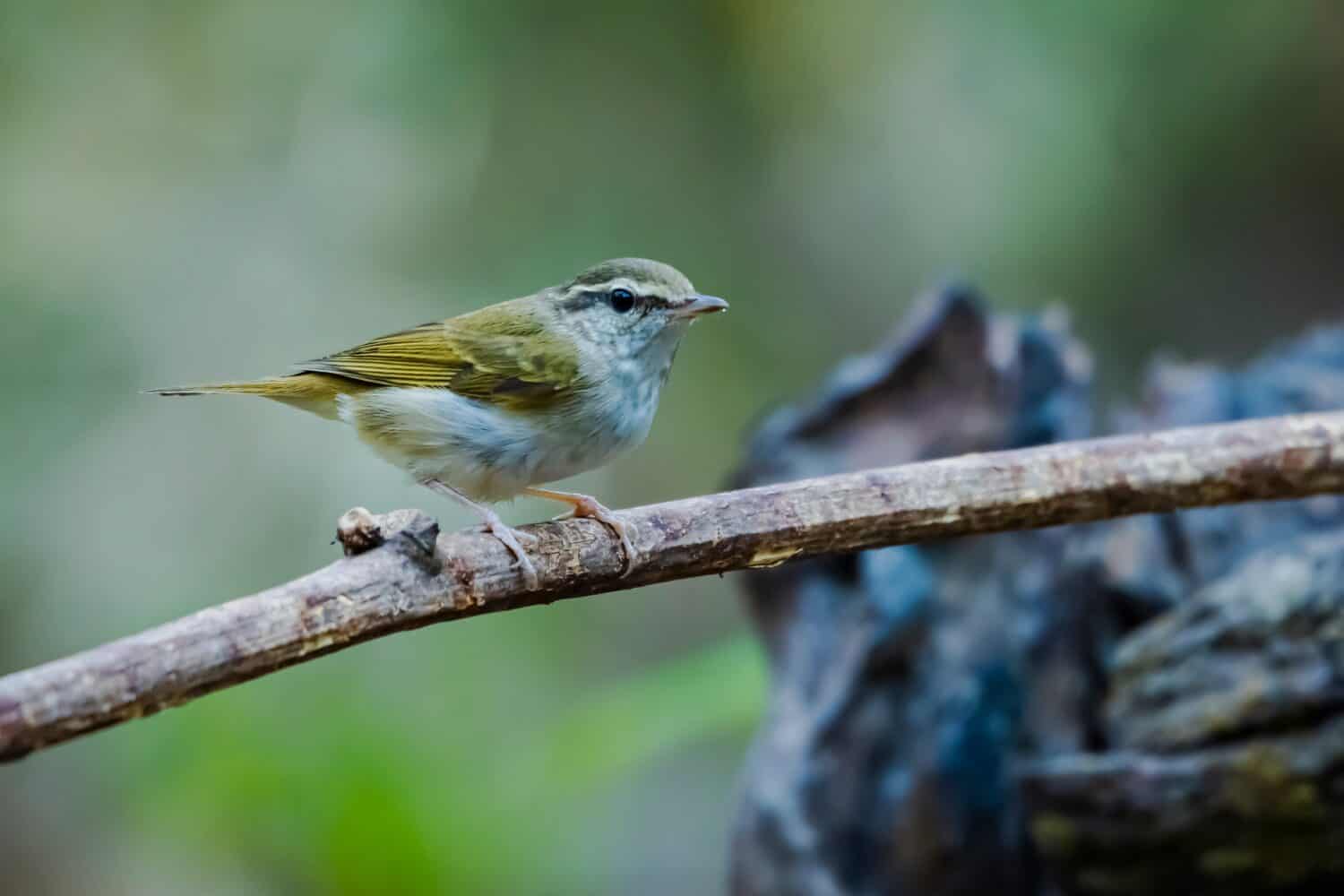
Yellow-browed warblers are found in Southeast Asia at this time of year, making a sighting of this small bird in California rare.
©SARIN KUNTHONG/Shutterstock.com
“For one to end up on the wrong side of the Pacific is truly astounding and insane, and it barely ever happens,” Freeland explained to SFGATE. “So for anyone who wants to see a yellow-browed warbler, this was the moment.”
Freeland first saw the yellow-browed warbler at 11:15 A.M. He messaged fellow birders on Telegram, alerting them to a “Rare Bird Alert” nearly immediately. This allowed members of the chat the opportunity to come and see the yellow-browed warbler for themselves. In total, hundreds of bird enthusiasts witnessed one of the rarest bird sightings California has ever seen.
How Rare Was the Sighting of the Yellow-Browed Warbler?
California is home to multiple species of warblers. But the one that Freeland observed was rare, given how infrequently yellow-browed warblers have been identified in the Golden State. It is no wonder that the Stanford University student was so excited by his discovery.
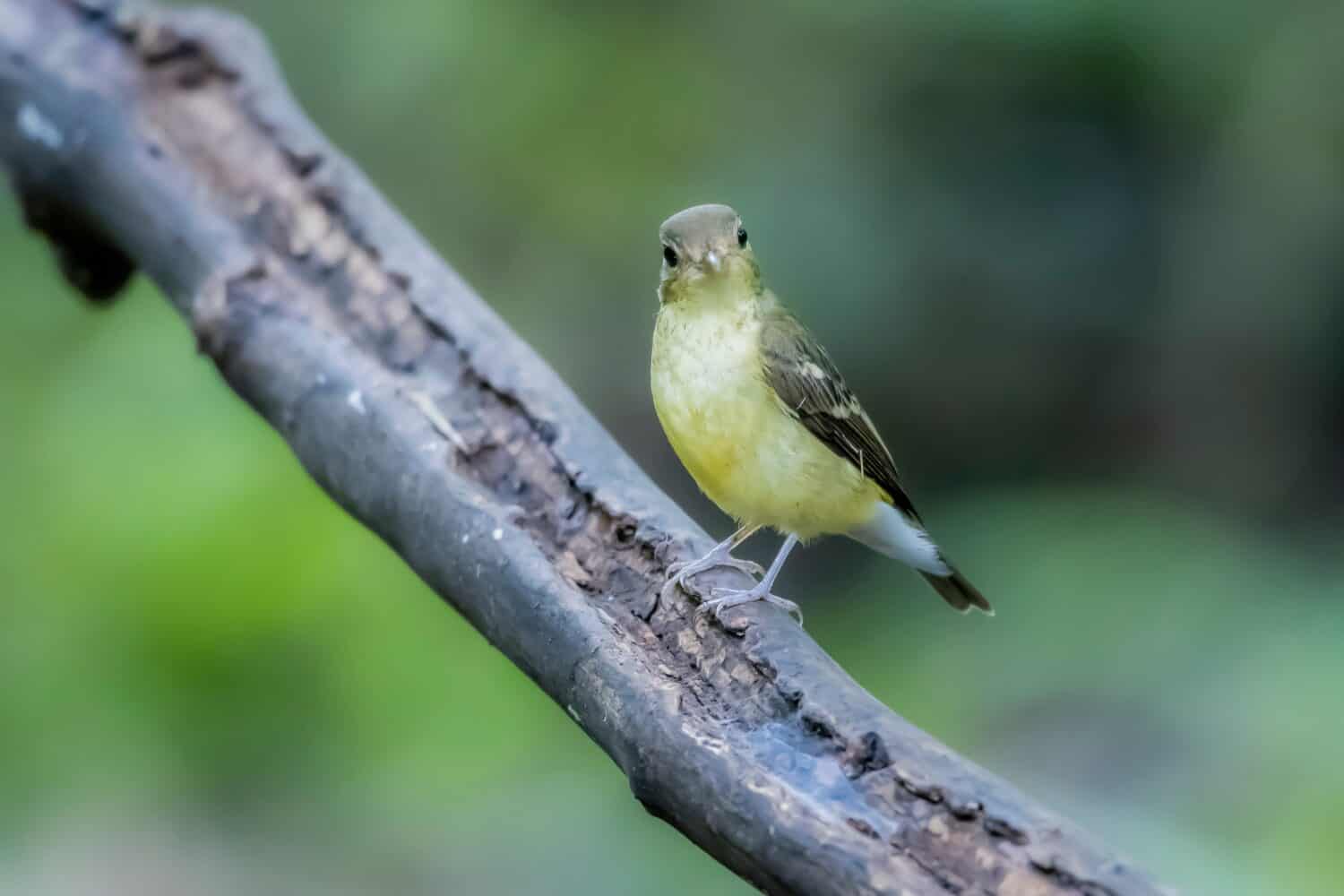
The Moss Beach sighting of the yellow-browed warbler is only the second time the bird has been observed in California.
©SARIN KUNTHONG/Shutterstock.com
This is only the second time that a yellow-browed warbler has been recorded in California. The only other time was in 2019. That particular warbler was observed in Markleeville, near the eastern Sierra Mountains.
Both this most recent sighting and the one from several years ago were corroborated by photos and additional witnesses who observed the bird. While exciting for a bird enthusiast, these birds do not call California or any other part of the United States home. This raises the question of how either bird found its way to the West Coast.
Where Did the Yellow-Browed Warbler Come From?
Yellow-browed warblers migrate in the fall. They leave their breeding grounds in Siberia and travel to the more temperate regions of Southeast Asia. These birds may be small, but they cover a lot of ground, sometimes traveling up to an estimated 509 miles a day.
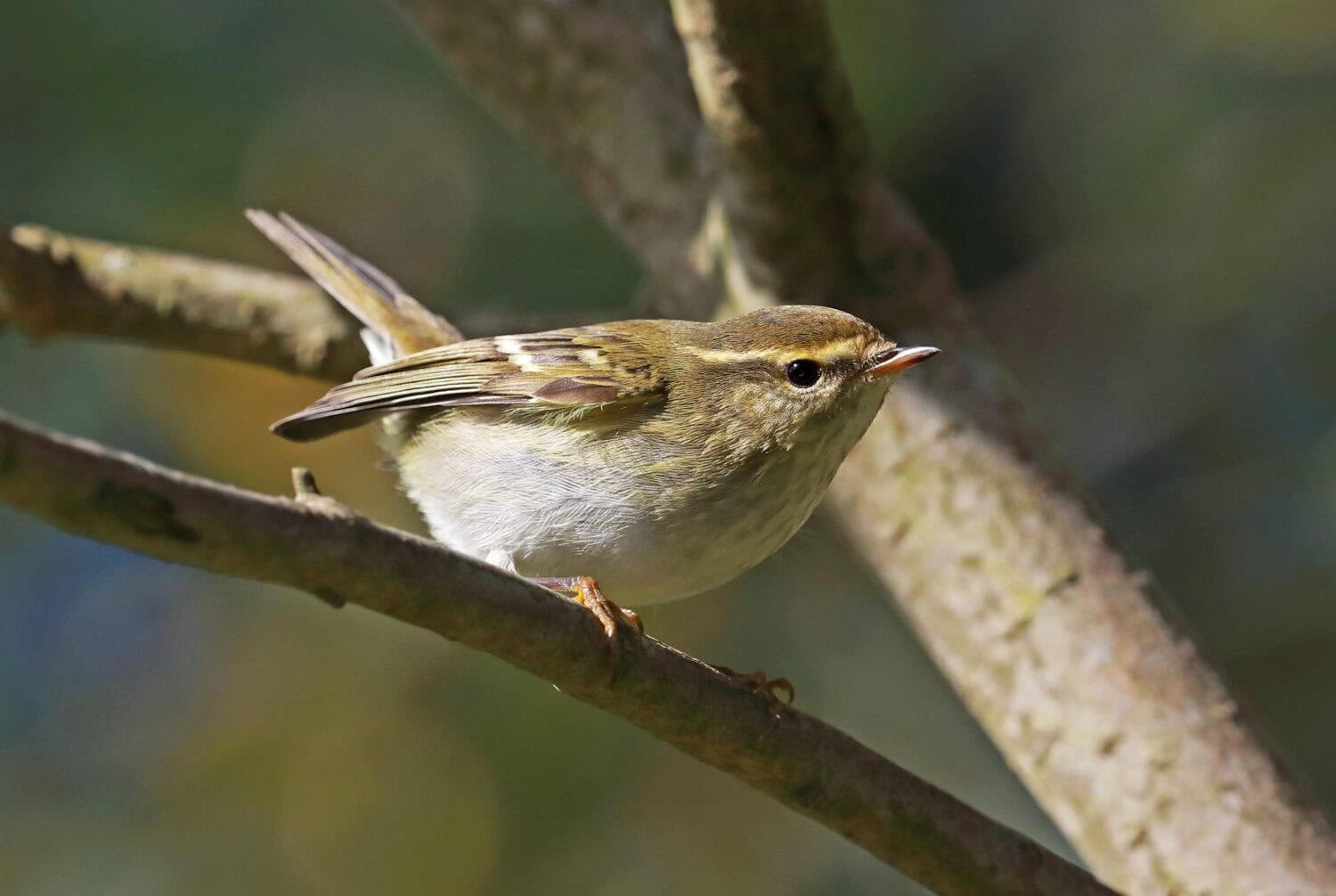
The yellow-browed warbler was likely thrown off course during its migration from Siberia to Southeast Asia.
©Neil Bowman/Shutterstock.com
Experts believe the yellow-browed warbler seen at Moss Beach was part of a mass migration to Southeast Asia. However, according to SFGATE, it was more than 5,000 miles off course when it decided to rest in Northern California. For any number of reasons, it followed its own migration path that led it astray from the species’ wintering grounds.
Given how far off course the warbler was, it is hard to tell what its plans are for the winter. Hopefully, the little vagrant can find a suitable habitat to sustain itself until it heads to Siberia to breed in the spring. If this does occur, it may not be the last time the yellow-browed warbler is seen in the lower 48 contiguous states.
Why the Yellow-Browed Warbler Got Off Course
The exact reason the yellow-browed warbler got off course may never be known. However, several working theories explain how the small bird may have strayed so far from its Siberian route to Southeast Asia. These theories mirror what causes birds like Eastern warblers to veer off course annually.
One of the most likely reasons the yellow-browed warbler deviated from its course was the weather conditions it encountered while migrating. With El Niño in effect, wind patterns and jet streams are shifting over the Pacific Ocean and across East Asia. This alone can easily cause the warblers to be blown off course, requiring them to stopover in locations such as Northern California.
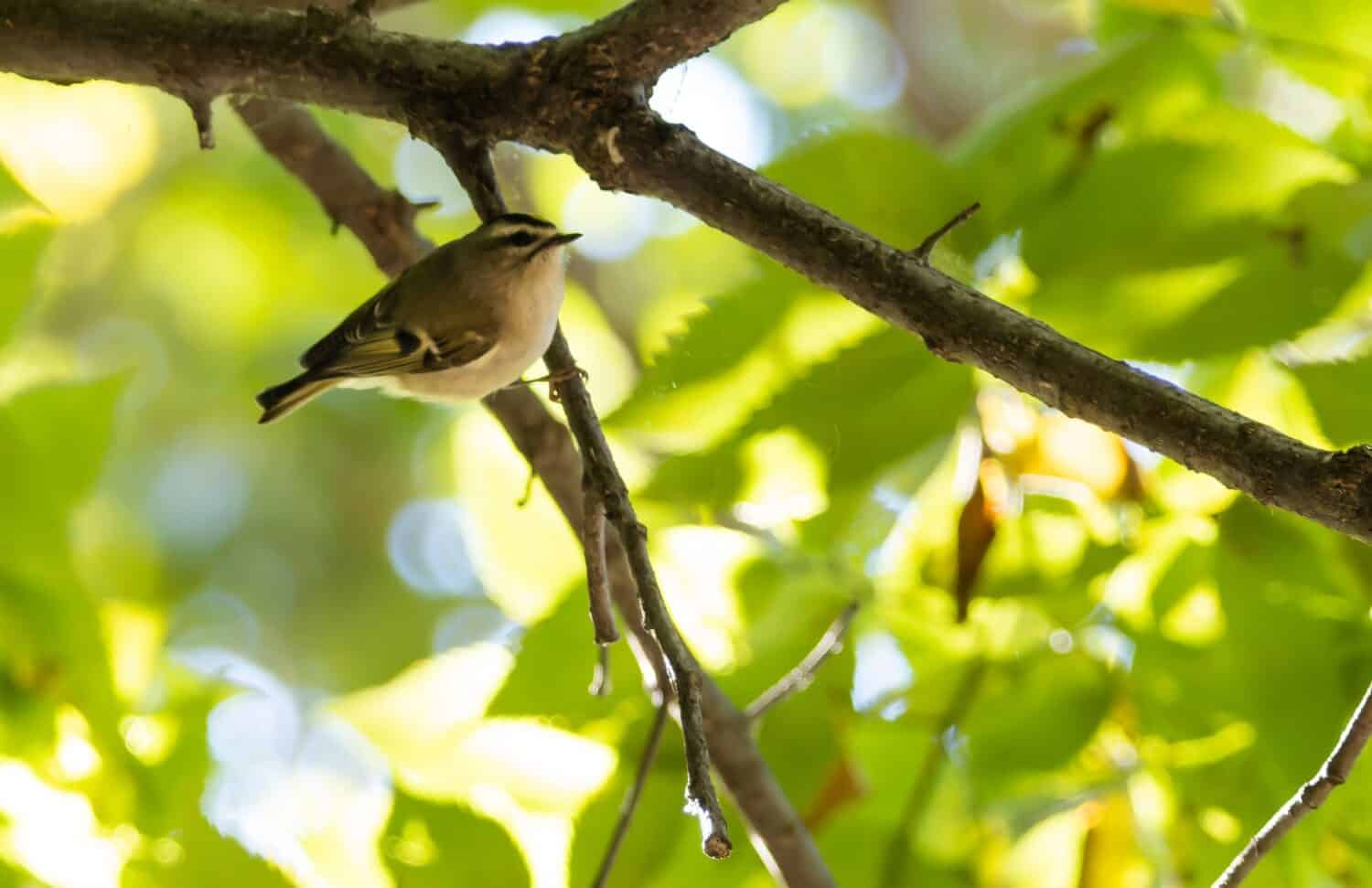
From weather patterns to the warbler being a juvenile on its first migration, or even cold fronts disorienting the warbler, multiple theories explain how the bird found its way to California.
©Wirestock Creators/Shutterstock.com
No information indicated how old this particular yellow-browed warbler was. If it was a juvenile on its first migration, it may have gone off course due to inexperience. If the warbler survives the migration, the hope is that the next leg back to Siberia is easier for the small flier.
If the yellow-browed warbler encountered cold fronts during its migration, it may have “oriented” itself in the wrong direction. The warbler getting back on the right track after being so far off course is unlikely, but the possibility remains. The bird charted its own course, meaning its future is a mystery.
Can the Yellow-Browed Warbler Still Be Observed at Moss Beach?
It was clear that the yellow-browed warbler was a vagrant. That said, many birders hoped to catch a glimpse of the tiny bird in the days after its first sighting. Unfortunately, those who did not immediately come to Moss Beach were disappointed, as the yellow-browed warbler had no intention of staying long in unfamiliar territory.
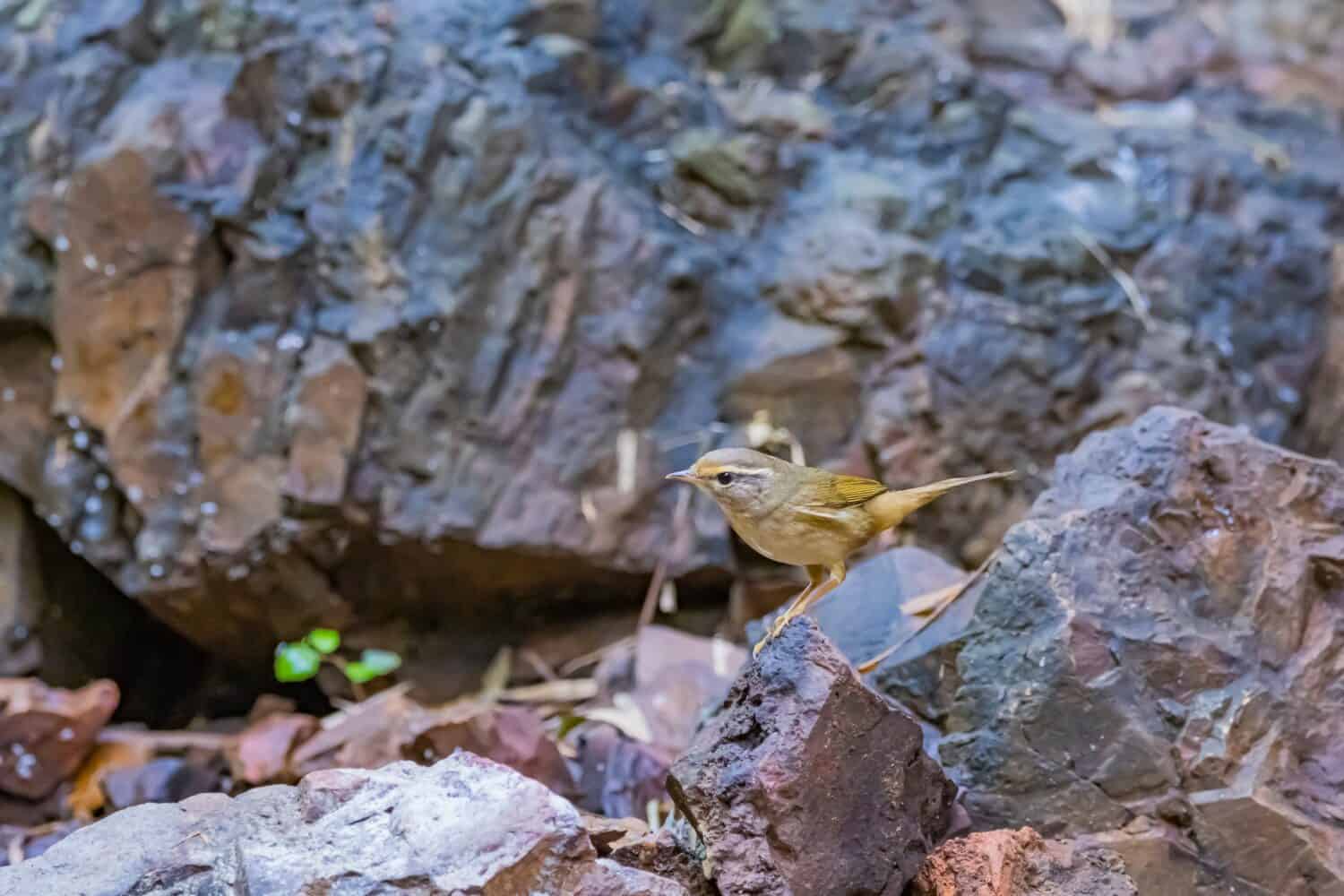
The yellow-browed warbler was observed for only several hours on the day it was first spotted.
©SARIN KUNTHONG/Shutterstock.com
Freeland first saw the yellow-browed warbler at 11:15 A.M., according to SFGATE. From 11:15 A.M. to 5:00 P.M., people saw the warbler multiple times. However, by the following morning, the bird had left Moss Landing. It has not been seen in the area since.
Those who caught a glimpse of the yellow-browed warbler in late October witnessed something that had previously been seen only once in California. As weather conditions become more erratic along migration paths and climate change alters migration timing for birds, it is possible that more vagrant species will be observed in locations never before seen. While exciting for birders, it is not necessarily good news for migrating bird species, who depend on consistency to make it to and from migration locations safely.