
Quick Take
- One state shelter system pulled off something experts said couldn't scale, and it all started with a counterintuitive decision about who gets to adopt. See Delaware's no-kill story →
- Most shelters treat intake as the problem. BVSPCA decided the real crisis happens before animals ever reach the door. Explore the safety-net approach →
- When a rescue mission expected 52 dogs, BVSPCA ended up with something far stranger, and the situation reveals how the organization's model actually works under pressure. Read about the rescue response →
Every day, lost dogs, stray cats, and animals rescued from cruelty arrive at shelters in New Castle and Georgetown, Delaware. Years ago, many of them would not have made it out. Today, nearly all of them do.
That change is due largely to Brandywine Valley SPCA (BVSPCA), the first open-admission no-kill shelter in Pennsylvania and Delaware. It is now the largest animal welfare organization in the Mid-Atlantic. In 2026, BVSPCA is on track to help more than 30,000 animals.
CEO Adam Lamb is clear about what drives that growth. “At the core of who we are and what we do is the animals,” he says.
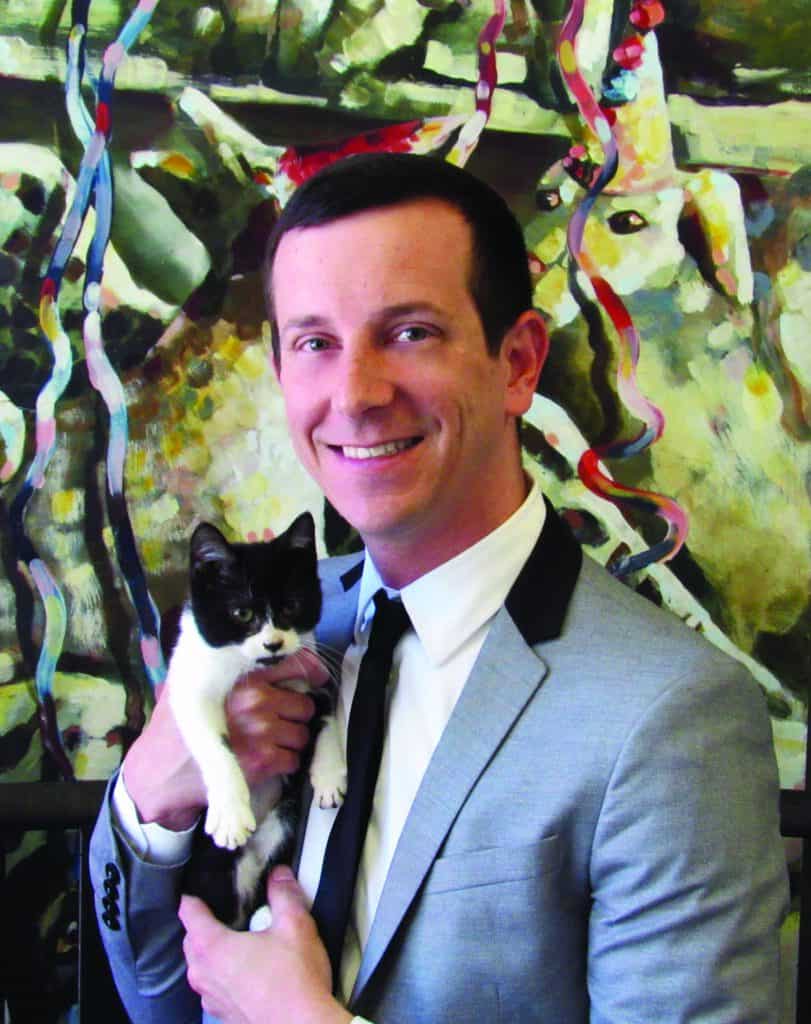
A strength of Brandywine Valley SPCA is their ability to continue regional work with the support of 13 adoption locations and 6 Animal Health Centers
From a County Shelter to a Lifesaving Movement
BVSPCA’s story began in 2014 at the Chester County SPCA in Pennsylvania. New leadership came in with a simple goal: save more lives. Doing that meant rethinking what a shelter could be.
The team introduced a series of progressive policies. They launched programs to support community cats and added behavior resources for shelter dogs. They lowered barriers to adoption so more pets could find homes faster.
They also looked beyond the shelter walls. Many animals end up in shelters because their families face hard times, not because they are unwanted. So, the organization built safety net services to keep pets healthy and at home. These included low-cost vet care, more access to spay and neuter surgery, and a free pet food pantry.
According to Lamb, this shift “led the way to increased lifesaving for shelter animals with a much larger, community-focused scope.” The shelter was no longer just a place animals passed through. It became a resource for the whole community.
Bringing No-Kill to Delaware
In 2016, the organization took its model across state lines. It changed its name to Brandywine Valley SPCA to reflect its expansion into Delaware. That same year, it signed a contract with Delaware’s Office of Animal Welfare to provide statewide animal and shelter services.
The scope of that work was substantial. BVSPCA became responsible for Delaware’s lost and stray animals, along with victims of cruelty and neglect. At the time, it ran two locations: one in New Castle County and one in Sussex County, in Georgetown.
Those two shelters carried the weight of a statewide mission. With them, and with commitments from the state and shelter partners across Delaware, the results came quickly. In 2019, Delaware became the first no-kill state in the nation. That means the state kept a save rate of 90% or higher for shelter animals.
The New Castle and Georgetown shelters still serve as the main shelters for stray and cruelty cases. Those two shelters also taught the organization an important lesson: in order for no-kill lifesaving to succeed, BVSPCA needed a presence in every county.
So it grew. Today, BVSPCA runs four campuses in Delaware, plus a PetSmart Charities Everyday Adoption Center in Dover. It remains the statewide shelter partner through its contract with Delaware Health and Social Services.
BVSPCA has also opened Animal Health Centers in each of Delaware’s three counties. These clinics offer low-cost veterinary care, so families don’t have to give up a pet simply because they can’t afford treatment. A nationally recognized community cat program and a behavior program for dogs who need extra help complete a system built to last.
Growing Without Losing Sight of Each Animal
Helping 30,000 animals a year raises a fair question: how do you grow that much without losing sight of the dog in kennel 12 or the cat waiting for surgery?
For Lamb, the answer is people and structure. As BVSPCA has expanded, it has scaled leadership, staffing, volunteer recruitment, and resources to match.
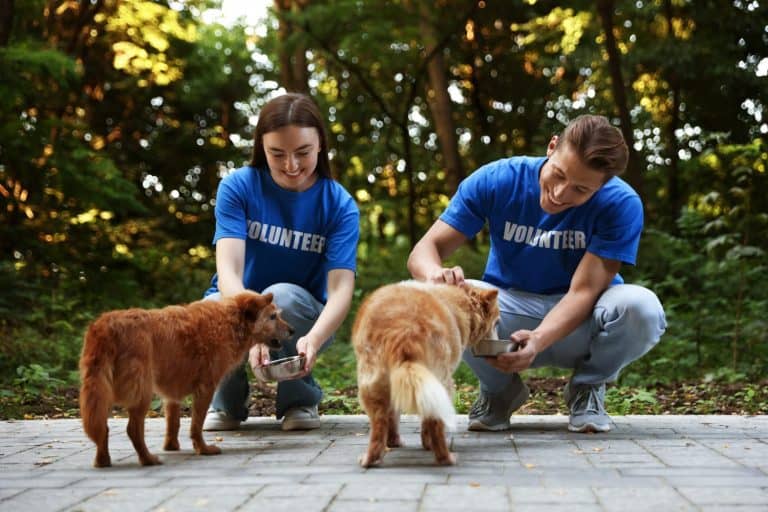
“It takes boots on the ground to ensure each animal is receiving the care needed, the enrichment, medical care, and support to find loving homes,” Lamb explains.
Standard policies and procedures keep every campus running to the same high bar. BVSPCA also leans on feedback from adopters, employees, volunteers, and visitors. Those voices offer fresh perspectives and show where the organization is meeting its standards and where it can improve.
One recent step is BVSPCA’s affiliation with Dogs Playing for Life. The program encourages more time out of the kennel for shelter dogs. That extra enrichment eases kennel stress and gives dogs a better experience while they wait for a home.
Answering the Call in a Crisis
BVSPCA’s size gives it something many shelters lack: the ability to respond when disaster strikes far from home.
“When disaster strikes and help is needed, Brandywine Valley SPCA is uniquely suited to answer the call,” Lamb says.
That has meant taking in shelter animals displaced by hurricanes, floods, and tornadoes. When floods hit Texas, BVSPCA welcomed animals flown into Wilmington. The organization also played a key role in welcoming survivors of the Envigo beagle rescue.
One recent effort grew far beyond its original plan. BVSPCA expected to take in 52 dogs from a Texas sanctuary. In the end, it welcomed 97 dogs and a horse.
Operations like these rely on BVSPCA’s full network. Multiple locations, a strong foster base, a specialized Animal Rescue Center in Delaware, and shelter partners all work together. That lets the team step up without shortchanging local animals in need.
And this crisis work comes on top of a full daily load. BVSPCA is Delaware’s shelter partner and a contracted animal control provider for many Pennsylvania townships. It enforces humane law in Chester, Delaware, Perry, Dauphin, and Cumberland Counties. It also provides Animal Care and Control Services for Washington, D.C.
“It is core to our mission and vision as a national leader in the no-kill movement and animal welfare community to continue our regional efforts and help pets and communities in need on a large scale when called upon,” Lamb says.
It takes boots on the ground to ensure each animal is receiving the care needed, the enrichment, medical care, and support to find loving homes.
Adam Lamb, CEO of Brandywine Valley SPCA (BVSPCA)
A Regional Network With National Reach
Today, BVSPCA operates across four states and the nation’s capital. That scale gives it a flexibility smaller, traditional shelters can’t match.
When one location fills up, others can help. For example, when animal intake in Washington, D.C., outpaces local kennel space, BVSPCA locations in New Jersey and Pennsylvania welcome animals moved from the district.
Partnerships stretch that reach even further. Through its work with PetSmart Charities, BVSPCA recently opened a third Everyday Adoption Center in Northeast Ohio. Its Dogs Playing for Life affiliation connects it to more than 450 shelter partners nationwide.
“We are committed to the care of 30,000 animals who are counting on us this year,” Lamb says.
They’ve come a long way from a single county shelter in 2014. But the heart of the work hasn’t changed. Delaware proved that no-kill lifesaving can work across an entire state. Now, Brandywine Valley SPCA is showing what that model can do across a region, one animal at a time.