
Quick Take
- Sea otters carry a hidden personal tool that makes them surprisingly lethal hunters, and this same trait is the reason kelp forests survive at all. See their secret weapon →
- One small creature can erase an entire kelp forest in under two years, and sea otters are the only thing standing in its way. Meet the kelp forest threat →
- The fur trade didn't just nearly wipe out sea otters. It triggered an underwater collapse still haunting coastlines today. Explore the fur trade collapse →
- Sea otters clawed back from the edge of extinction, but the threats quietly pushing them toward it again aren't the ones most people assume. Discover today's hidden threats →
Sea otters are not only cute and comical, but they are also a crucial species that helps keep marine ecosystems thriving. One of the most important marine ecosystems they protect is the kelp forest.
Known as the “rainforest of the ocean,” kelp forests are home to dozens of marine species. Sea otters act as guardians, helping kelp forests grow thick and lush—a role they have played for centuries.
While sea otters are protected today, they were not always protected. Their decline directly impacted kelp forests, permanently erasing some of them from the ocean. Despite population increases, sea otters remain at risk, which means kelp forests are too. During Otter Appreciation Week, remember why sea otter conservation is so important. Without them, entire ecosystems can and do collapse.
Continue reading
Sea Otters Are Funny Sea Guardians That Restore Kelp Forests
When conserving marine life, kelp forests are typically not on many people’s radar. However, kelp forests are among the most important ecosystems, not only in the ocean but also on Earth, because of the biodiversity they support. Unfortunately, over the past century, kelp forests have declined significantly.
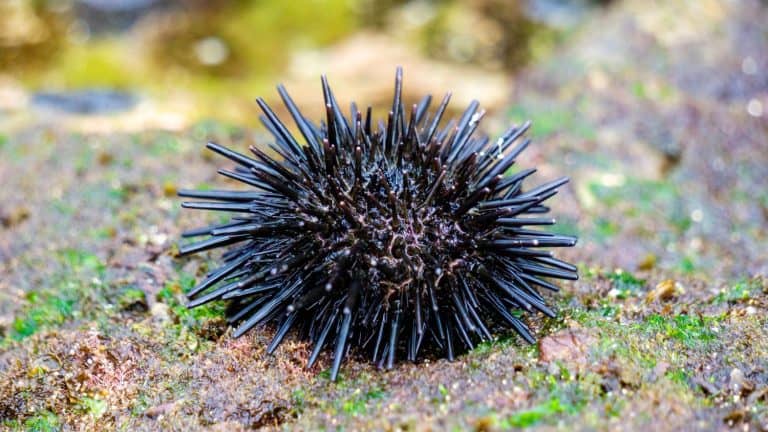
The decline in kelp forests is directly linked to the decline in the global sea otter population. Sea otters play a key role in maintaining the health and abundance of kelp forests by preying on one of kelp’s biggest threats: the sea urchin.
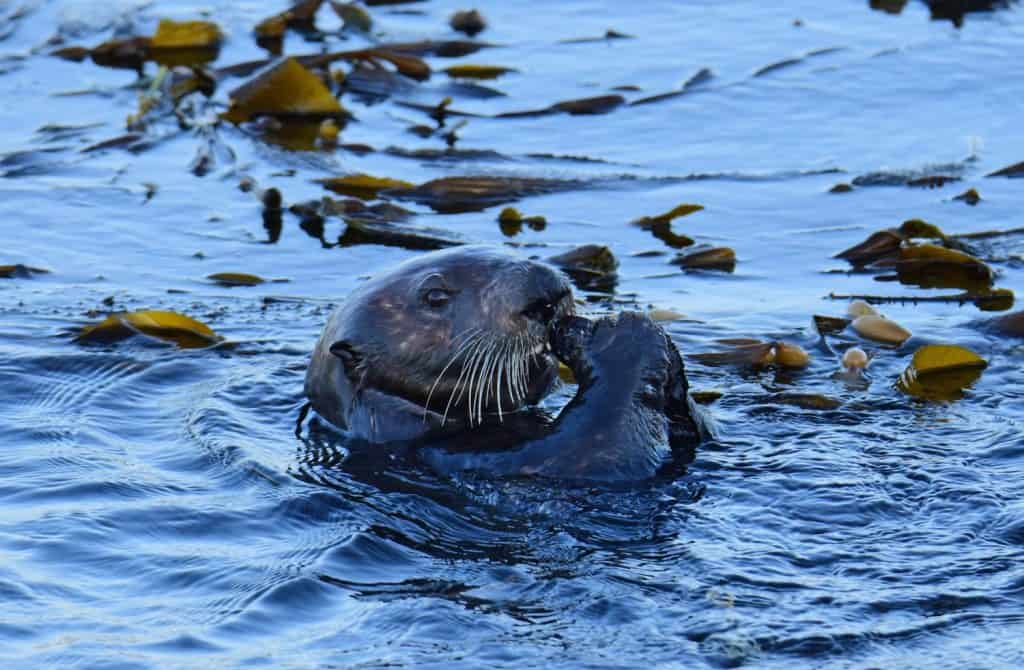
Sea otters protect kelp forests by consuming sea urchins.
©Nina B/Shutterstock.com
Sea urchins can decimate entire kelp forests in just a year or two. They are voracious grazers that turn a once-abundant ecosystem into a desert. However, when sea otters are present, they consume up to 50 sea urchins per day, per sea otter. With sea otters requiring 20% to 25% of their body weight in calories daily, they consistently dive for the urchins. With sea otters present, sea urchins are kept in check and do not have the opportunity to deplete kelp forests. Instead, they coexist with other marine life that inhabits kelp forests.
According to a 2025 study, sea otters can also help kelp forests recover from a barren seafloor. In the coastal waters along both Nicolas Island, California, and Vancouver Island, British Columbia, the kelp forests had been wiped out by sea urchins after sea otters went locally extinct in these locations. When sea otters were reintroduced, the kelp forests began to reappear. Therefore, for kelp forests to survive along the West Coast, sea otters must be present as the keystone species that prevents sea urchins from overeating.
Sea Otter Tools Help Them Target Kelp Forest Predators
Sea otters are among the few non-human mammals that utilize tools in their daily lives. Their use of tools has helped sea otters become a keystone species, enabling them to control populations of predatory creatures and allow other species to flourish.
The tool of choice for sea otters is a rock. Sea otters search the bottom of the ocean for the perfect rock. Once they find it, the rock stays with sea otters, safely in their “armpit pouches.” These pouches are located in the loose skin along the otters’ front legs.

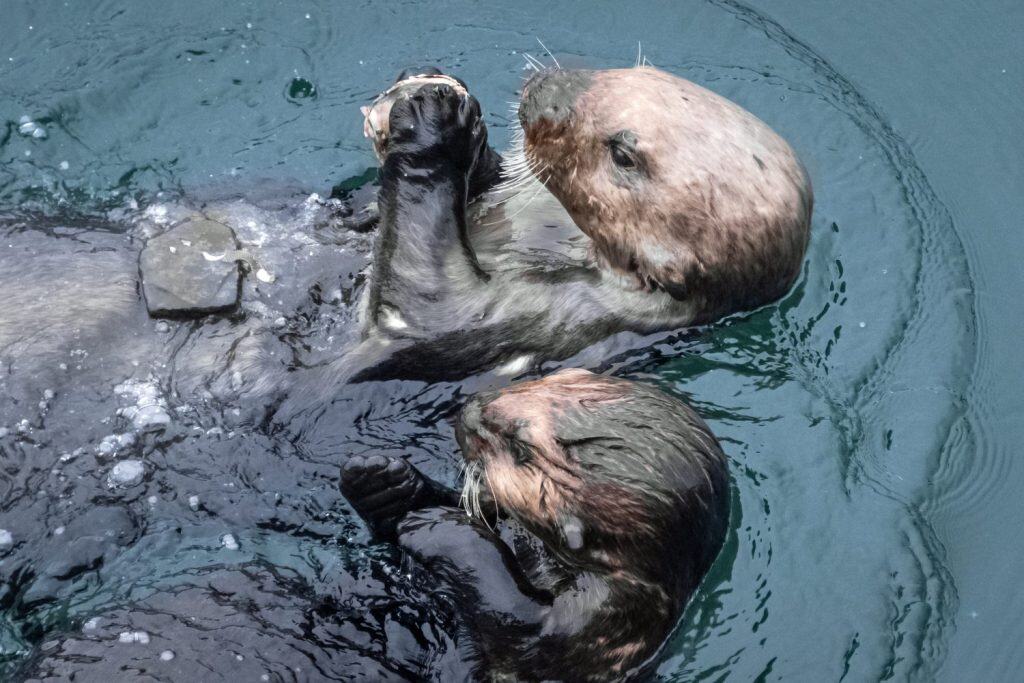
Sea otters use rocks to open and smash hard-shelled creatures, including sea urchins.
©Menno Schaefer/Shutterstock.com
By using these rocks, sea otters have more access to food than they would without tools. They use the rocks to smash and crack open the shells of creatures such as crabs, clams, mussels, and sea urchins. A sea otter may use the same rock for months or even years if it proves effective. The original rock is only discarded if another rock works better.
The ability to eat these hard-shelled creatures is especially important when it comes to sea urchins. Sea urchins are directly responsible for the decline in kelp forests. When sea otters are abundant, sea urchins are not given the opportunity to graze on kelp forests. However, when sea otter populations decline, as they did over a century ago, sea urchins cause massive damage. This damage is still being felt today, with significantly reduced or nonexistent kelp forests where they once thrived. It is only as the sea otter population has begun to increase that kelp forests have rebounded as well.
Why Sea Otters Nearly Went Extinct
Between the 18th and 19th centuries, there were an estimated 150,000 to 300,000 sea otters along the North American Pacific coast. Stretching from Japan to Baja California, sea otters helped marine ecosystems to thrive by limiting the predators that fed on abundant kelp forests. This changed when sea otters were targeted for the fur trade, forever altering the aquatic environments they called home.
Sea otter pelts were a hot commodity during the fur trade. From the late 18th century to the early 20th century, people killed sea otters by the thousands. With the trade being unregulated, there was nothing to stop the killing of sea otters. Consequently, sea otters nearly went extinct.
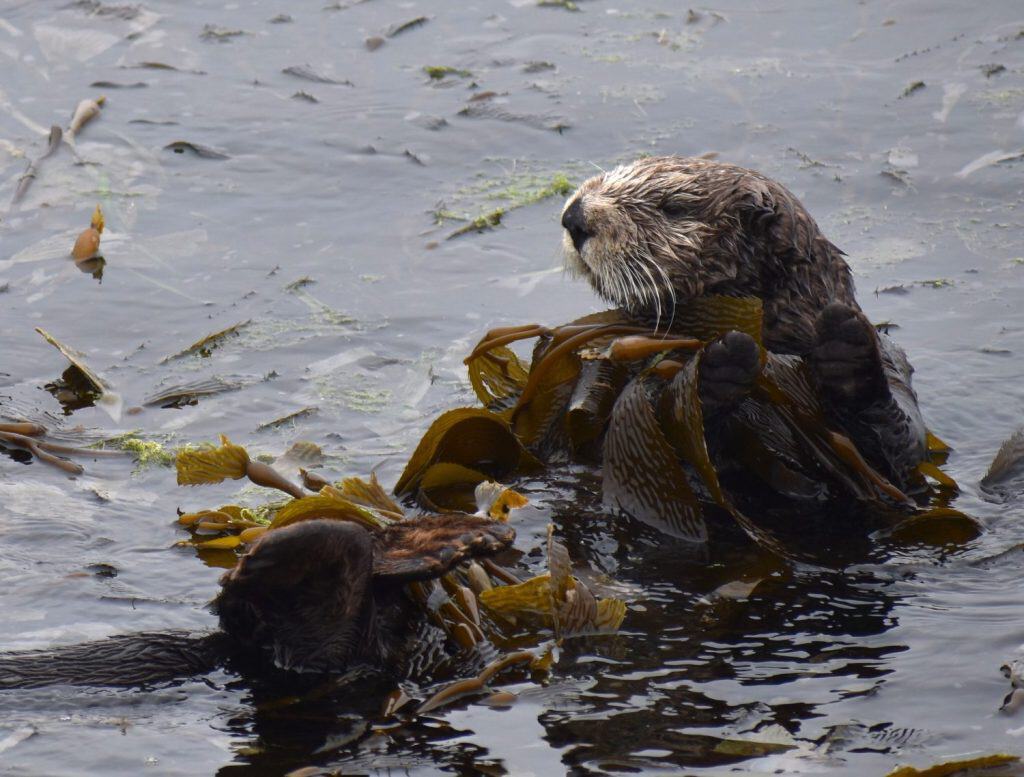
Sea otters nearly went extinct after being targeted by the fur trade.
©elakazal/Shutterstock.com
By the early 1900s, only 2,000 sea otters were known to remain worldwide. Sea otters went locally extinct along the West Coast, with wild sea otters along the Washington and Oregon coasts being exterminated by the early 1900s. In total, it is believed that 99% of sea otters had been eradicated from their historical habitats, leaving only 13 small populations along the West Coast.
It was unclear whether sea otters could recover due to the isolation of their populations. Treaties and laws had not stopped their slaughter, even after they were enacted. It was not until they were considered an endangered species decades after their decline that change finally occurred.
How Sea Otter Populations Made a Comeback
Saying that sea otter populations have made a comeback may suggest that their numbers match or exceed those that existed before they were targeted for their pelts. In reality, populations have grown, but much more must be done to ensure sea otters do not go extinct in the future.
Sea otters were in rapid decline by the turn of the 20th century. Recognizing that action needed to be taken if sea otters were to avoid extinction, the 1911 International Fur Seal Treaty was enacted. At this time, there were an estimated 2,000 sea otters left worldwide.
While the treaty helped to slow the killing of sea otters, it did not stop it. Only California consistently succeeded in stopping the killing of sea otters off its coast because of a 1913 state law protecting the animals.
Sea otters have rebounded in some regions thanks to the Marine Mammal Protection Act of 1972.
©Alaskan Wildlife/Shutterstock.com
It was not until the Marine Mammal Protection Act of 1972 that sea otters were fully protected. By that time, the Southern sea otter population had rebounded to approximately 1,000 otters. Today, the population along the Central and Southern California coasts has grown to 3,000 sea otters.
Today, there are discussions about reintroducing sea otters to the traditional spots they inhabited a century ago. Specifically, along the coast of Oregon and Northern California. A $1.5 million grant was awarded to the Confederated Tribes of Siletz Indians in 2025 to help make this possible.
The grant was awarded after two sea otters were located off the coast of Oregon in the summer of 2024, the first time since 1906. While it was exciting to see the otters, it was also tragic, given that this was once a habitat where they traditionally lived.
If the reintroduction is successful, sea otter populations could begin to rebuild along the Oregon coast and in San Francisco Bay. This will not only mark the otters’ return to their traditional habitats but also strengthen the marine ecosystem by allowing kelp forests to grow. Because kelp forests in these regions are in serious decline due to sea urchins and climate change, restoring them is essential to stabilizing the marine ecosystem off the West Coast.
What Threats Do Sea Otters Face Today?
Sea otter populations have clawed their way back from the brink of extinction. However, just because they are no longer being hunted does not mean they are safe. There are plenty of threats that still plague sea otters today, all of which are capable of causing population decline, if not ruin.
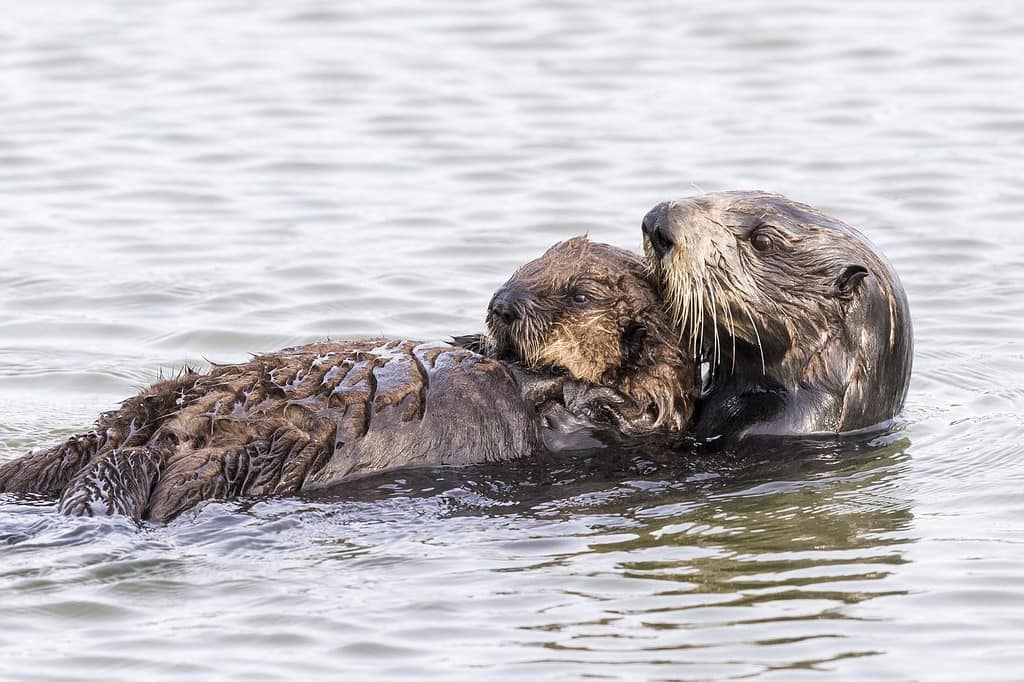
Sea otters are threatened today by predation, oil spills, habitat loss, and more.
©Brian Lasenby/Shutterstock.com
The threats that sea otters face today include:
- Predation from white sharks and killer whales
- Oil spills
- Habitat loss
- Restricted habitat ranges in the ocean
- Slow maturation
- Water pollution
- Disease
Because sea otters tend to live in very concentrated regions, they can lose a large portion of their population in the event of a natural or manmade disaster. Consequently, conserving sea otters and supporting their population growth is not enough; clean waterways and opportunities for habitat expansion are also necessary. Only then can sea otters truly rebound to the population numbers last seen before they were nearly hunted to extinction.