
Quick Take
- The decision to save California condors looked exactly like destroying them, and the people who fought hardest against it had a point. See the controversy →
- A single hatched egg counts as major conservation news, and the biology behind condor reproduction explains exactly why. Explore the slow biology →
- Zoo-raised birds set loose in the wild started dying, yet the program kept going anyway. Follow the reintroduction →
- There was one year when the math finally flipped in the condors' favor, and that shift changed everything about how the recovery was measured. See when the math shifted →
In 1987, biologists caught the last wild California condor and carried it into captivity. On that day there were 27 California condors alive anywhere on Earth, and every one of them was behind a fence.
Was that a rescue, or was it the end of the wild condor?
Twenty-two. Then nine.
The fall happened fast. In 1982, only 22 California condors were left flying free. Three years later, there were nine.
Nine birds. Historically, condors ranged across much of the continent, from California to New York.
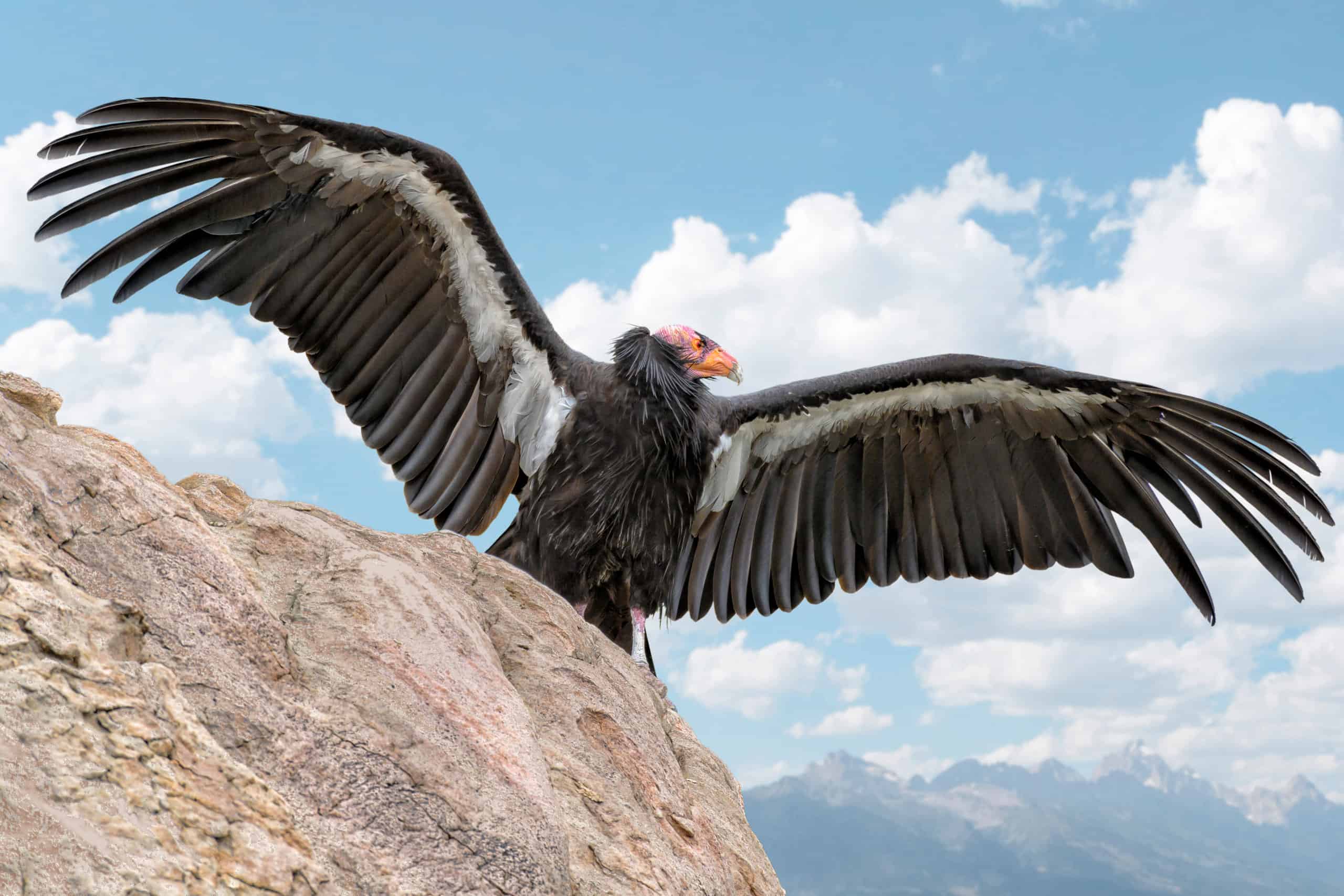
Huge California Condors Bully an Eagle Off a Carcass
©Barbara Ash/Shutterstock.com
Much of what killed them came from people. Condors are scavengers. They eat animals that are already dead, and when those animals had been shot, the condors swallowed bits of lead along with the meal and were poisoned by it. The pesticide DDT hurt them too, and so did power lines and the loss of the wild land they needed.
Every one of those dangers was waiting for any bird left outside. So the people in charge of saving the condor made a choice that sounded like the opposite of saving it.
The plan nobody liked
The U.S. Fish and Wildlife Service’s California Condor Recovery Program decided to catch every remaining condor and keep them all in captivity.
People were furious. Activists fought to keep the birds wild. I’ll be honest, I can see their point. A condor in a pen has lost the one thing that makes it a condor: the sky.
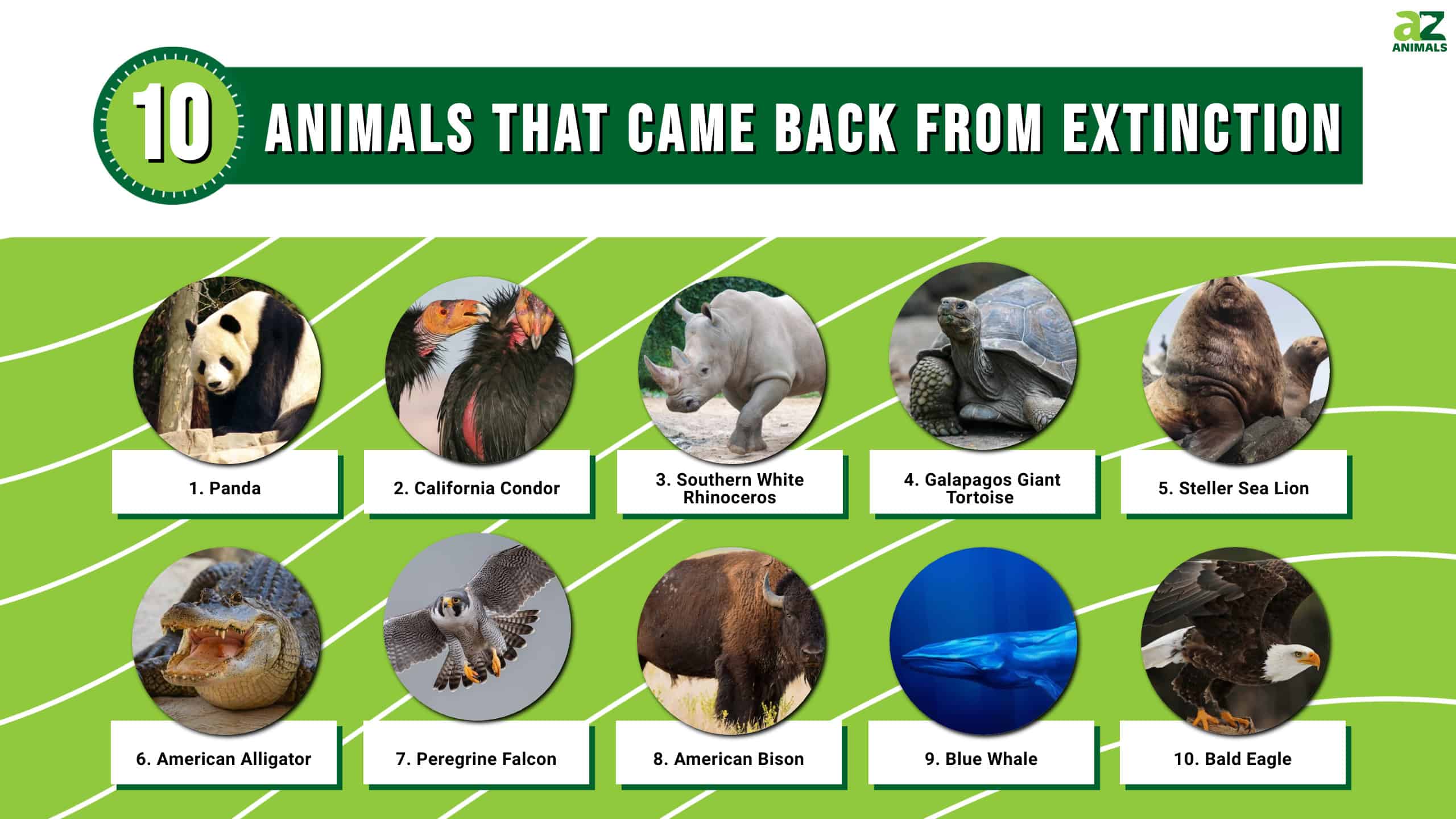
10 Animals That Came Back From Near Extinction
©A-Z-Animals.com/A-Z Animals
The other side of the argument was just as hard. A condor lying dead in the wild has lost even more.
Early on, it looked like the critics might be right. Several of the first birds bred in captivity and set free died trying to fend for themselves.
Still, the breeding program went ahead. It began in 1987, led by the San Diego Wild Animal Park and the Los Angeles Zoo, with other zoos around the country pitching in. By 1994, the captive birds had laid more than 100 eggs. Twenty-seven birds had become more than a hundred eggs in just seven years.
Why one chick is a big deal
Here’s what makes condors so slow to come back. A female lays just one egg per nesting season, and she doesn’t nest every year. There’s no backup egg.
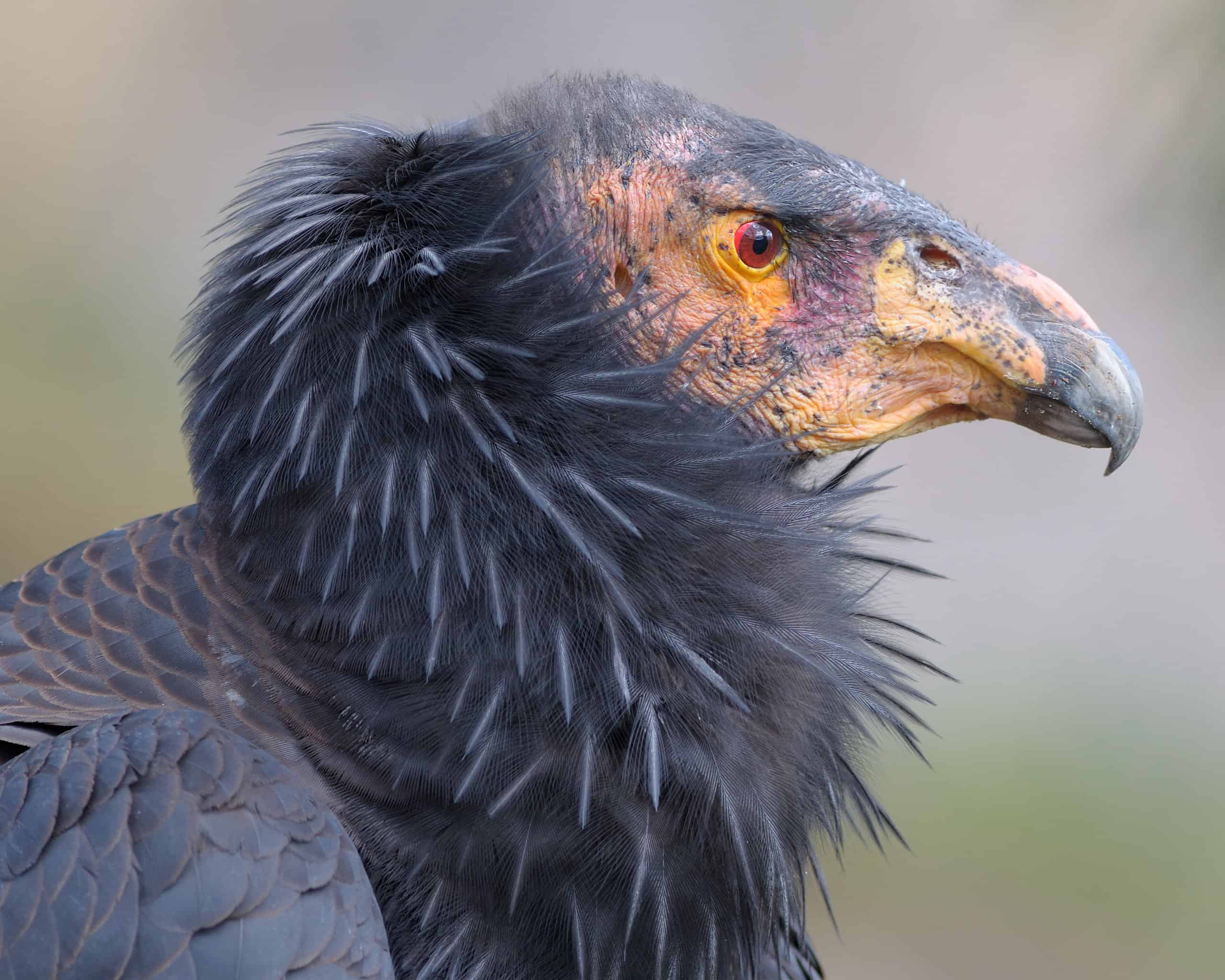
Discover the Rarest Bird That Calls California Home
©George Lamson/Shutterstock.com
That one egg takes two months to hatch. The chick can’t fly until it’s five or six months old, and it leans on its parents for at least a year after that. It won’t be ready to raise chicks of its own until it’s six to eight years old.
Every condor flying today passed through that same slow pipeline: one egg, six or more years of waiting, then only one more egg. That long wait is why a single hatched chick counts as real news.
Back in the sky
Releases began in 1991 at Big Sur and Pinnacles National Park. Zoo-raised birds, set loose to learn how to be wild condors again.
The real test came in 2008, when the first chick hatched in the wild to parents that had themselves been released from captivity. Two birds that grew up behind a fence found each other, built a nest and raised a chick on their own.
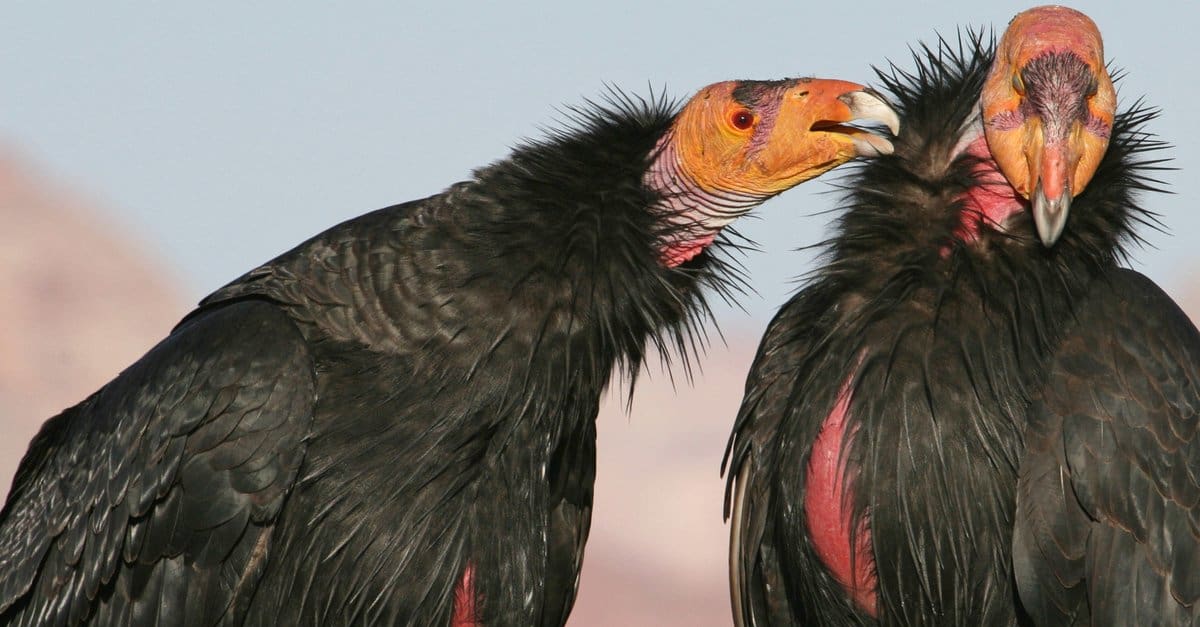
California Condor
©MTKhaled mahmud/Shutterstock.com
Then came the number that matters most. In 2015, more condors were born in the wild than died. For the first time, the wild population was growing without anyone counting eggs in an incubator.
By 2020, there were at least 504 California condors worldwide, and 329 of them were living free across California, Arizona, Utah, and Baja California in Mexico. The species is still listed as Critically Endangered. The comeback is real, and it isn’t finished.
Back at Big Sur
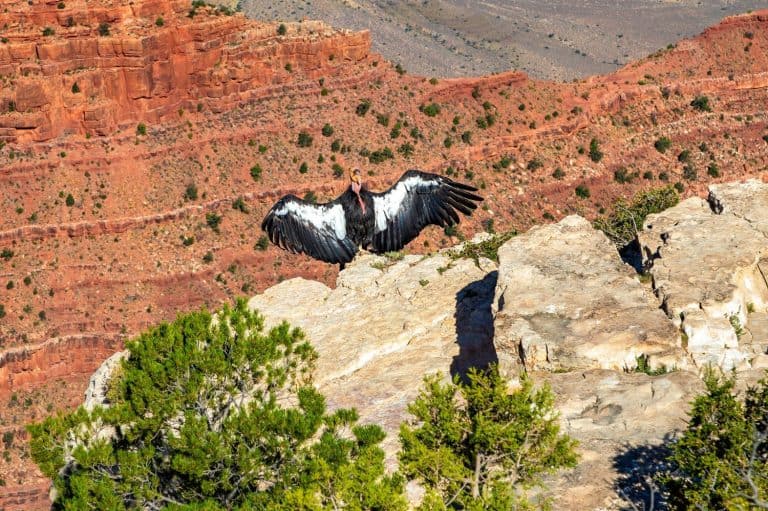
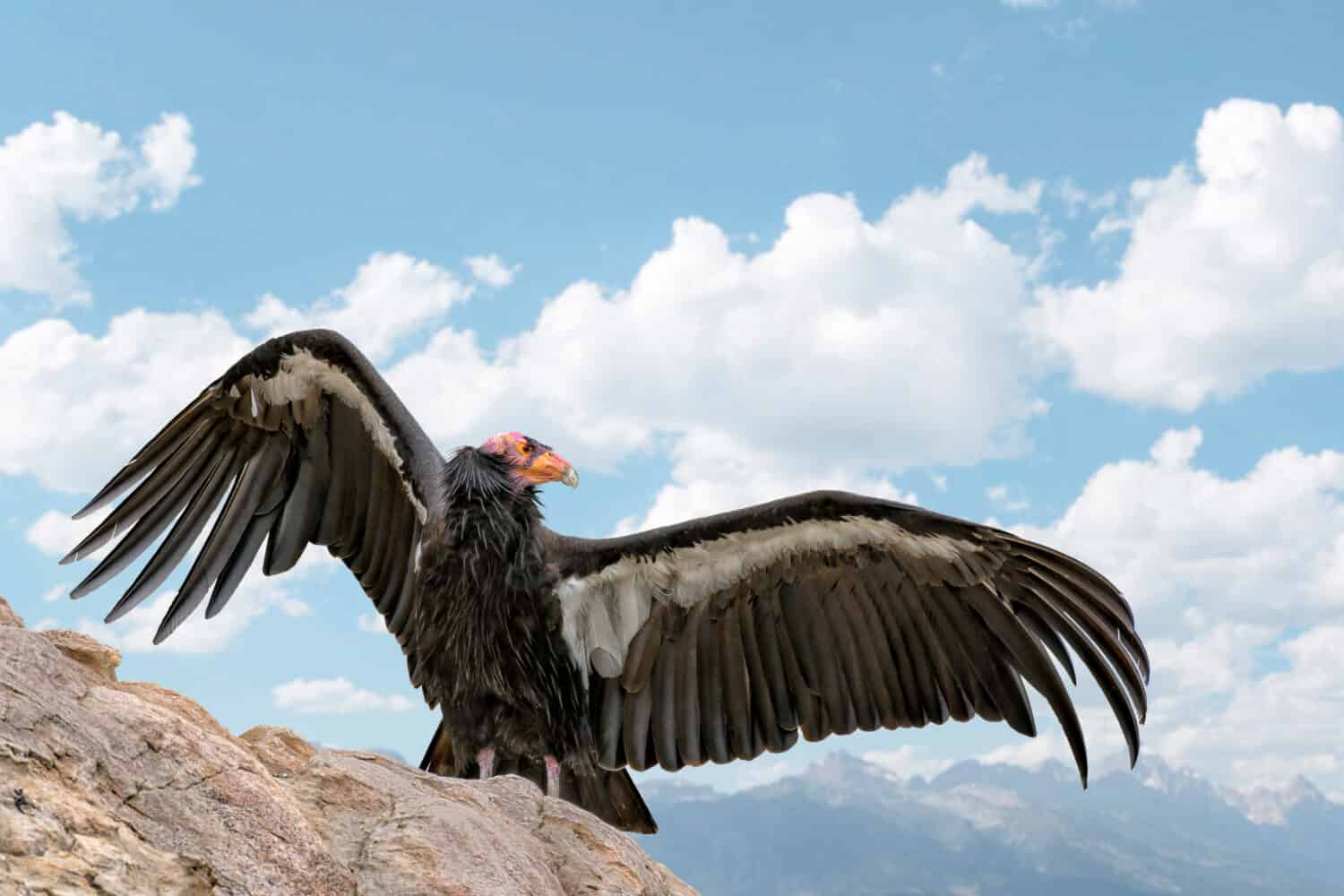
In a clip filmed at Big Sur, a condor named Jade, identifiable by her tag, number 64, takes flight from a high cliff without flapping her wings once. The slope below her pushes the wind upward, and she rides it. Her wings spread wider than most sofas are long.
In 1987, there was no wild California condor anywhere. Now there’s Jade, and hundreds of wild condors like her, at least 329 of them by 2020.
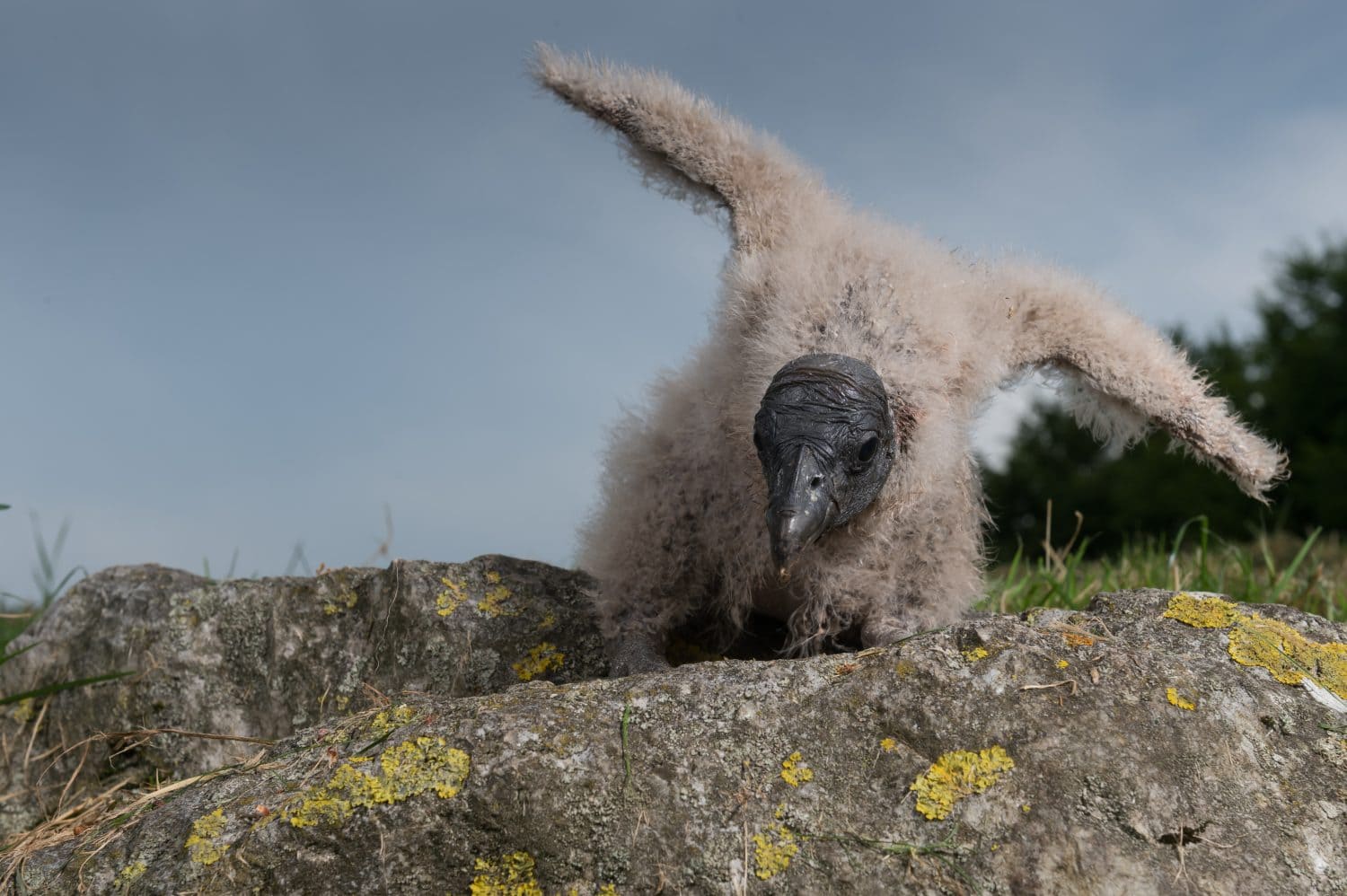
Why the Birth of Three Andean Condors Represents a Second Chance for the Species
©Leeloona/Shutterstock.com
Every chick that hatches is one more bird that 27 never got to be the end of.