Quick Take
- A daily walk feels responsible, but for Dalmatians it may actually create the behavioral problems you're trying to avoid. See exercise requirements →
- Dalmatians struggle in the cold, and their coat creates an equally surprising problem on sunny days. Sunburn and cold risks →
- Using the wrong training method on a Dalmatian doesn't just slow progress. It can make things significantly worse. Why training method matters →
- Dalmatians carry a set of genetic health risks that most owners only discover after it's too late to plan ahead. Genetic health risks explained →
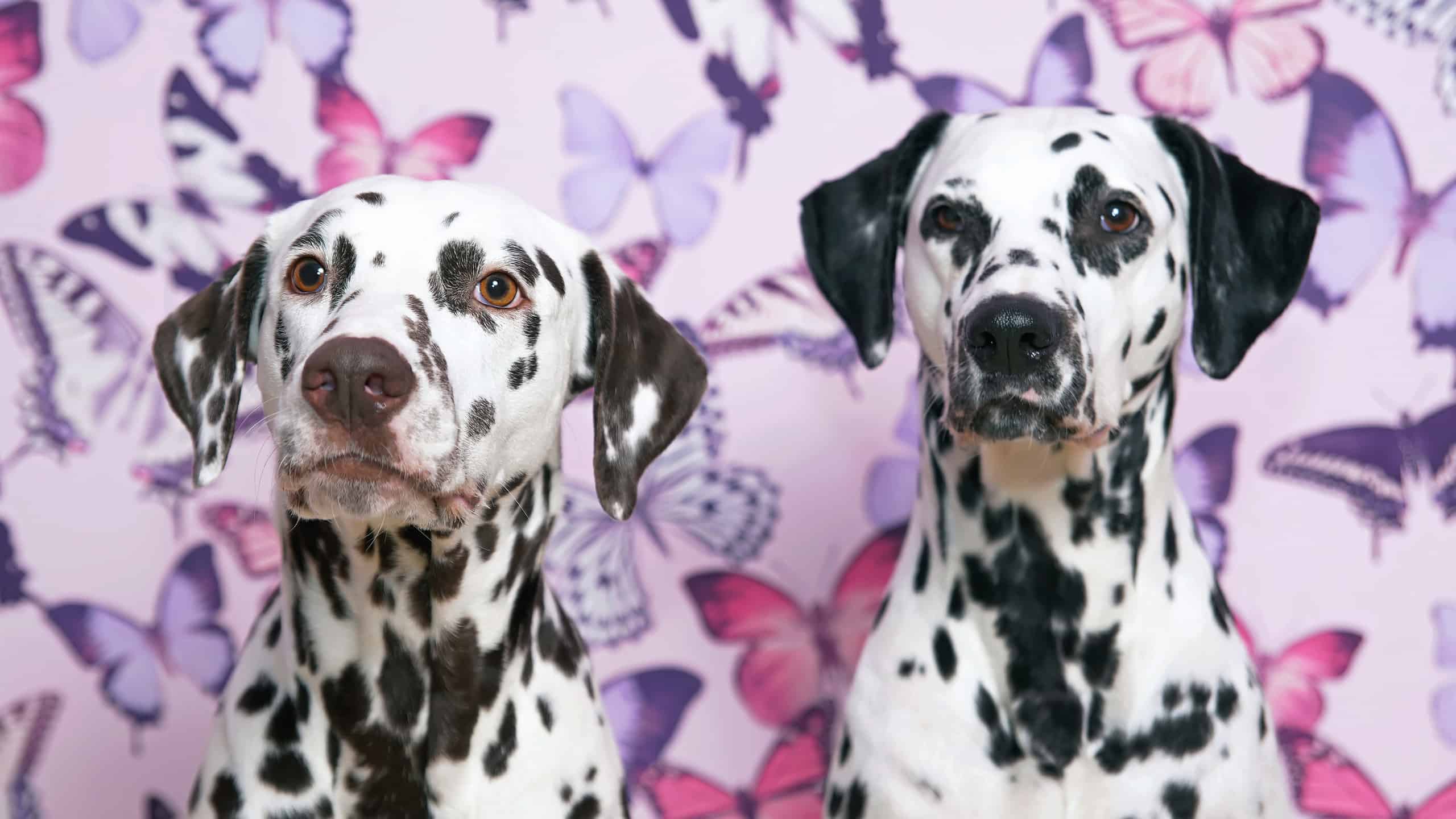
Who doesn’t love Dalmatians and their beautiful spotted coats? These dogs are smart, loyal, and affectionate, but may be more work than you would expect. Dalmatians are hyper dogs that need plenty of exercise every day. A daily walk likely won’t be enough for them. They require knowledgeable owners who can train them using force-free techniques, which help prevent behavioral issues such as chewing and jumping.
Dalmatians Need Lots of Exercise
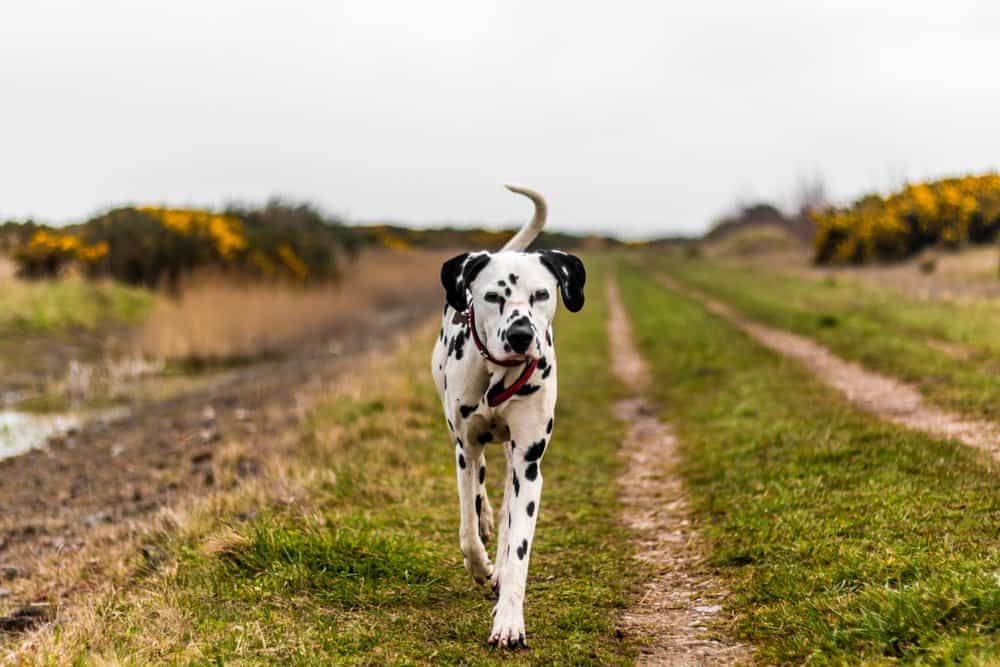
A short walk isn’t enough exercise for a Dalmatian.
©Beth James/Shutterstock.com
Dalmatians require plenty of daily exercise. For mature dogs, this means running, hiking, or other vigorous activities.
Dalmatians under two years old require low-impact activities to expend their energy without straining their growing joints. They should also be prevented from jumping on and off furniture for the same reasons.
Dalmatians and other large-breed dogs are prone to hip dysplasia and other joint issues, especially if they are overexercised when young.
Untrained Dalmatians May Jump On People
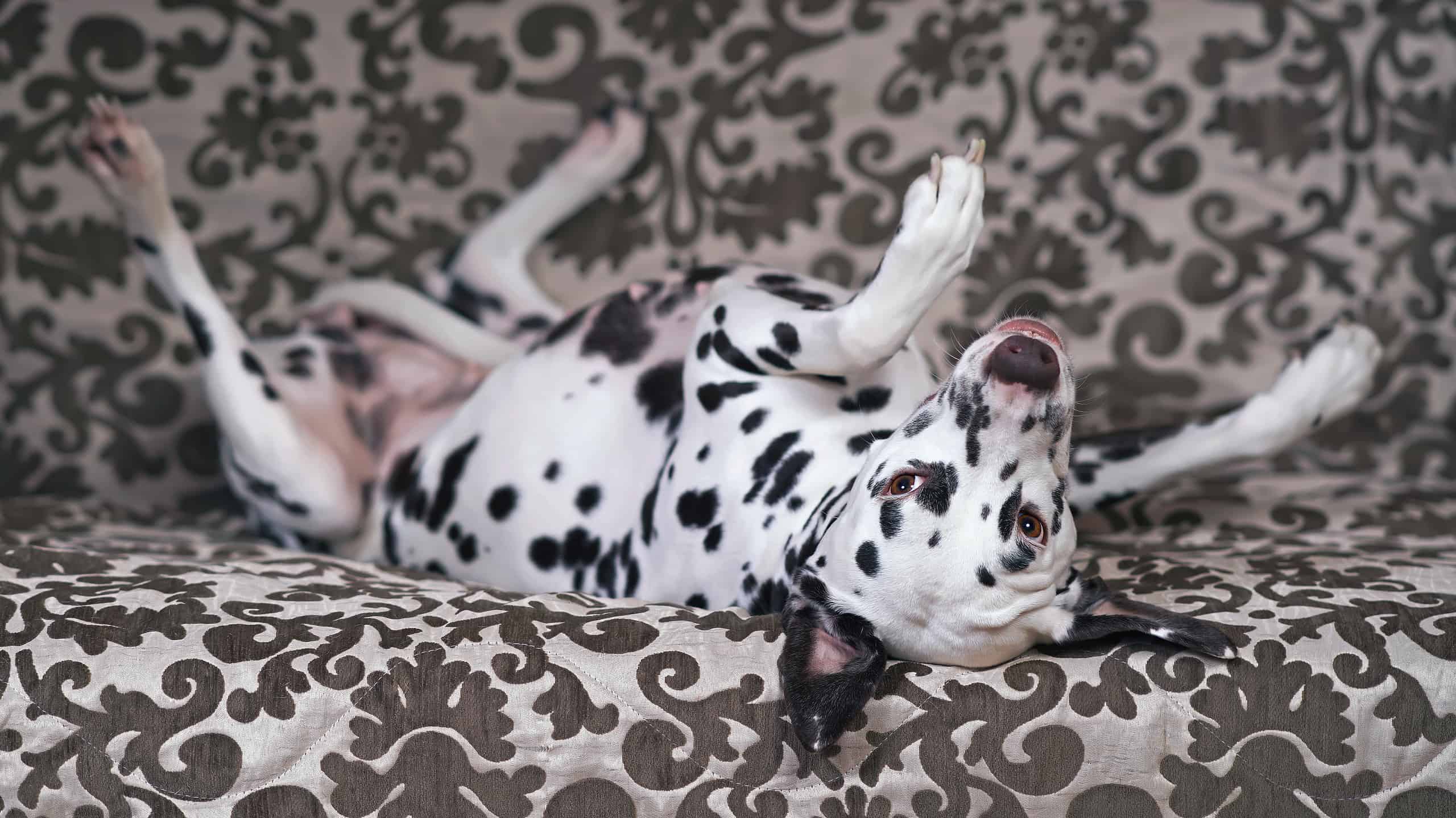
Dalmatians can be hyper dogs.
©iStock.com/Eudyptula
Jumping is a problem for many Dalmatians, and their large size can make jumping hazardous. They can hurt people, especially children, disabled people, or elderly people who can be easily knocked over.
Training a Dalmatian not to jump is essential. Use a baby gate or a leash to prevent them from jumping on guests or strangers while they are still learning.
They Can be Destructive
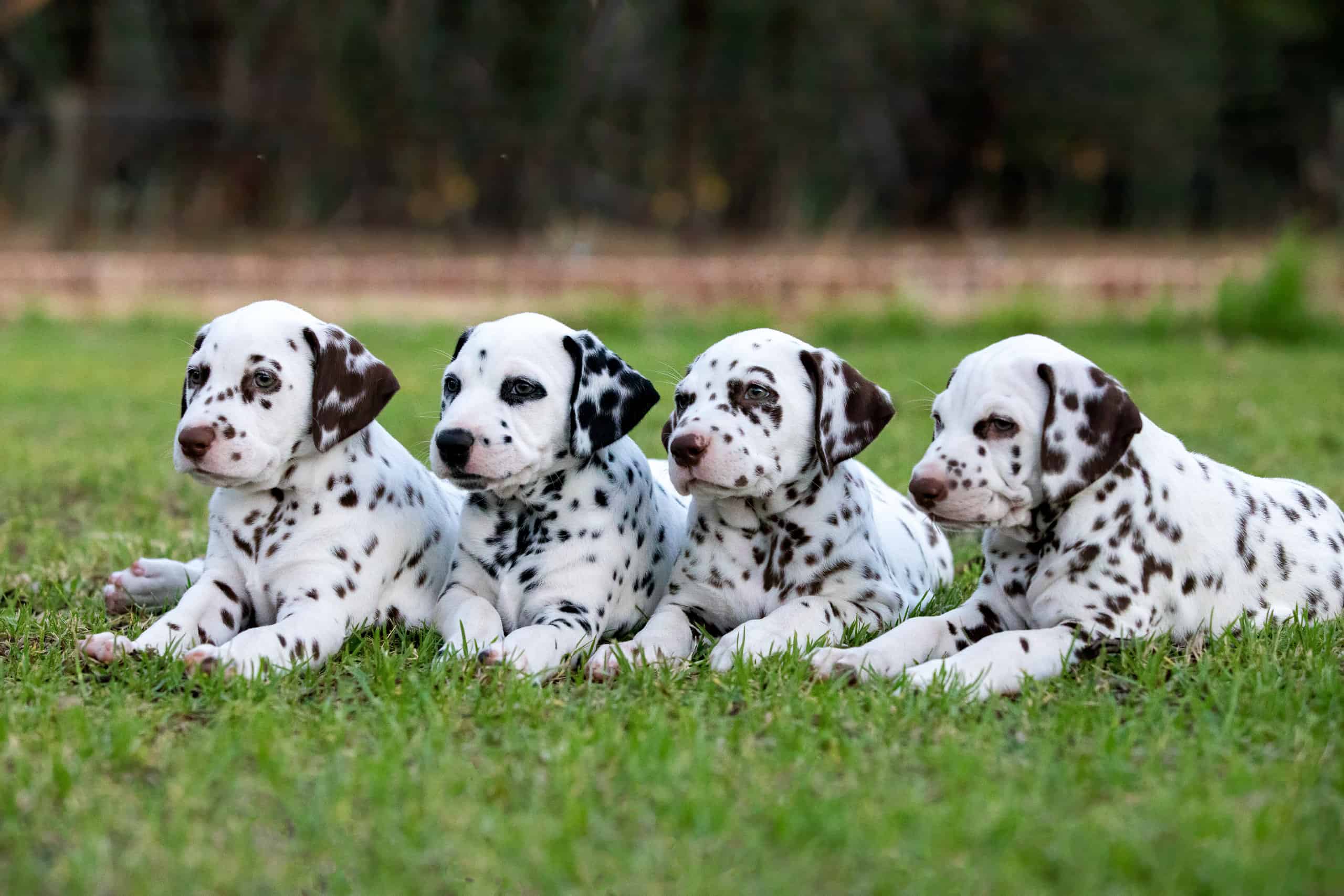
Dalmatians are most destructive as puppies during their teething phase.
©iStock.com/animalinfo
As with any smart, high-energy breed, Dalmatians can be destructive if they don’t get enough attention, exercise, and mental stimulation.
They also tend to be large puppies, which means they can do more damage to your home than smaller breeds during their teething phase
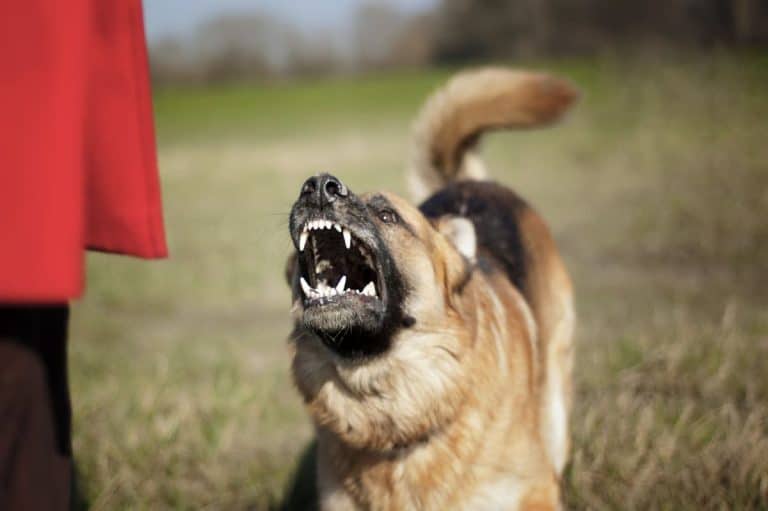
Dalmatians Bark a Lot
Dalmatians are alert to their surroundings.
©iStock.com/Eudyptula
Dalmatians are alert and protective of their families, often barking to alert their owners to strangers or unusual activity, but they are not typically used as guard dogs. However, this becomes a problem when your Dalmatian barks at strangers on a walk or sits at the window all day baying.
Allow your Dalmatian to bark as an alert. This enables them to follow their instincts and ensures you are notified if something is wrong.
Teach a quiet cue to stop them from barking after a few barks.
They Shed Considerably

You’ll find their fur on your clothes and furniture.
©RavenaJuly/Shutterstock.com
Without a lint roller, you might begin to look like Cruella De Vil with Dalmatian fur all over your clothes. They’ll also shed around the house and on furniture.
Dalmatians shed even more if their coats aren’t brushed weekly. Though their coats are short, this maintenance is important.
Proper Training is a Must
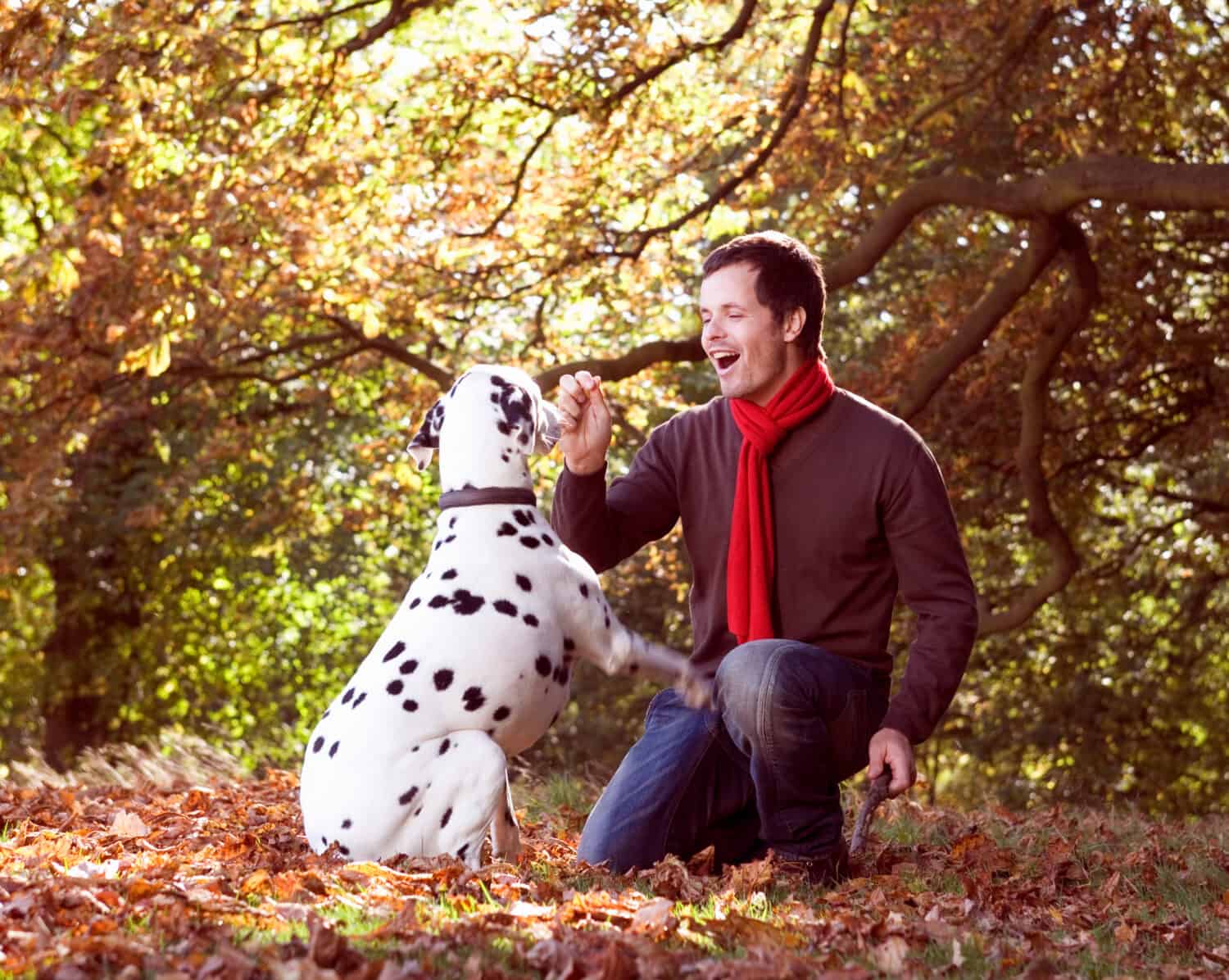
Patience is key when training a Dalmatian.
©Air Images/Shutterstock.com
Dalmatians can be stubborn dogs. They’re also prone to anxiety and fearfulness. You must know how to train a dog properly without using aversive methods or tools, as these will only increase their fear.
Early socialization is essential. Puppy classes with force-free trainers are a great idea for Dalmatians, especially if you’re inexperienced in training dogs yourself. These classes teach your puppy how to behave around other dogs and people and provide valuable socialization in a controlled setting.
Your puppy doesn’t need to play with every dog they see or greet every person on the street. While social interactions are important, it’s also beneficial for them to learn to walk calmly past others and practice obedience in distracting environments.
They Don’t do Well in the Cold
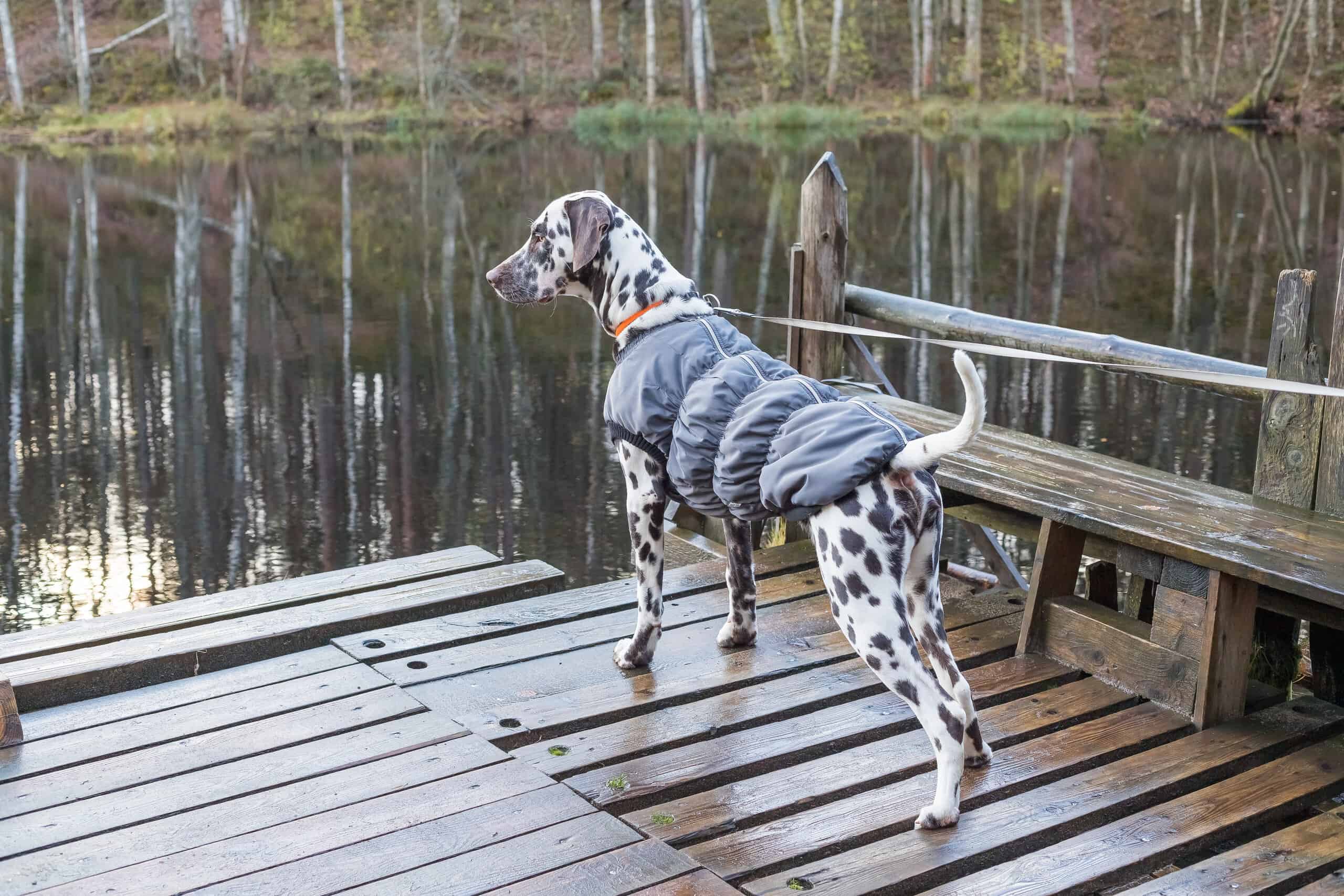
Dalmatians aren’t built for cold weather.
©iStock.com/:undefined undefined
Dalmatians have short, single-layered coats and lack the insulation provided by a double coat.
This means they do not tolerate cold weather well and may need a winter jacket to keep warm.
They’re Prone to Sunburn
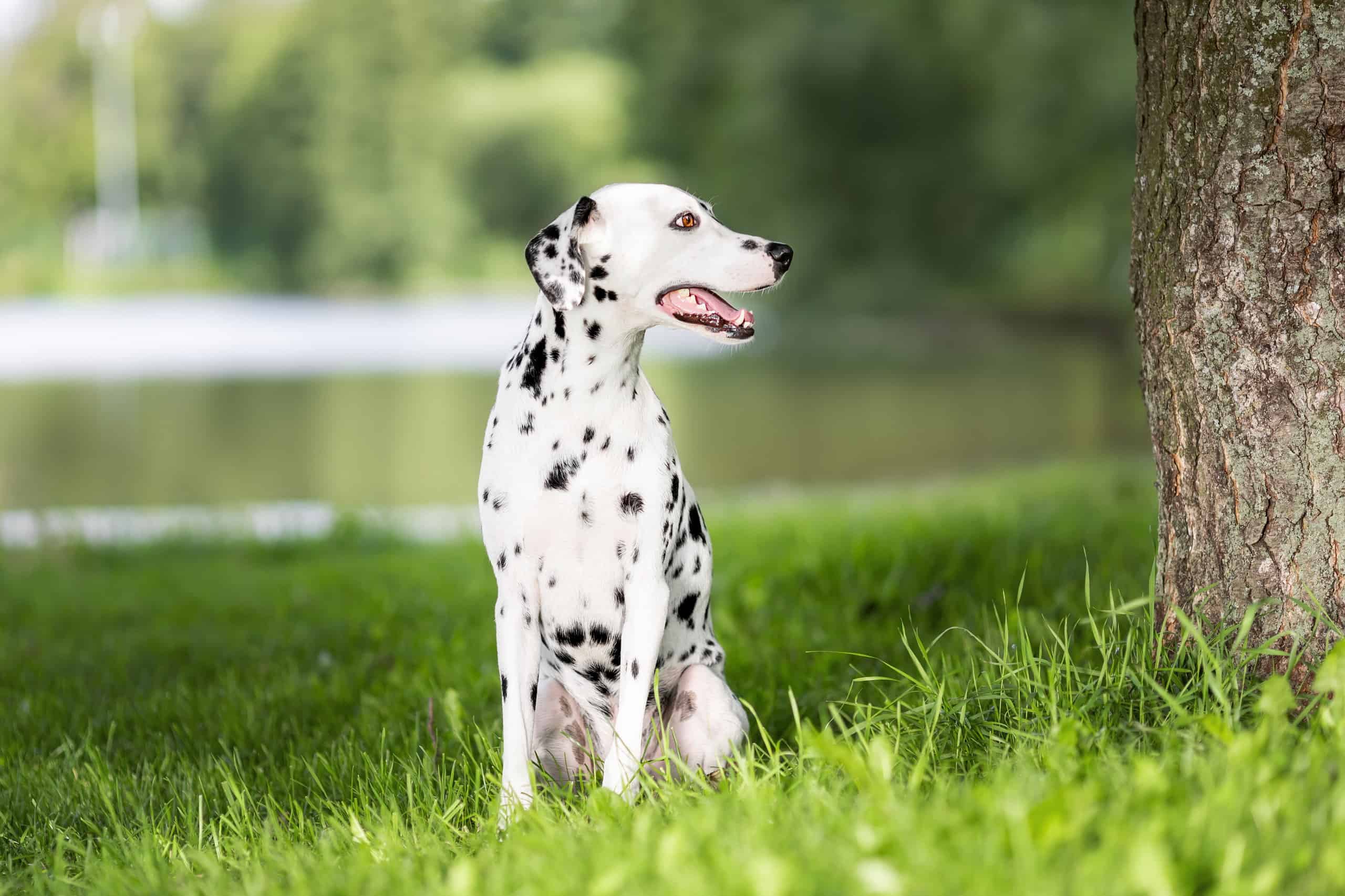
Too long in the sun can cause sunburn for Dalmatians.
©iStock.com/Irina Nedikova
While they do not tolerate cold well, Dalmatians also struggle in the heat. Their short, light-colored coat makes them particularly prone to sunburn.
You’ll need to apply dog-safe sunscreen (not human sunscreen) regularly, avoid long periods outside in intense sun, and choose to stay in the shade with them when possible.
Dalmatians are Prone to Health Issues
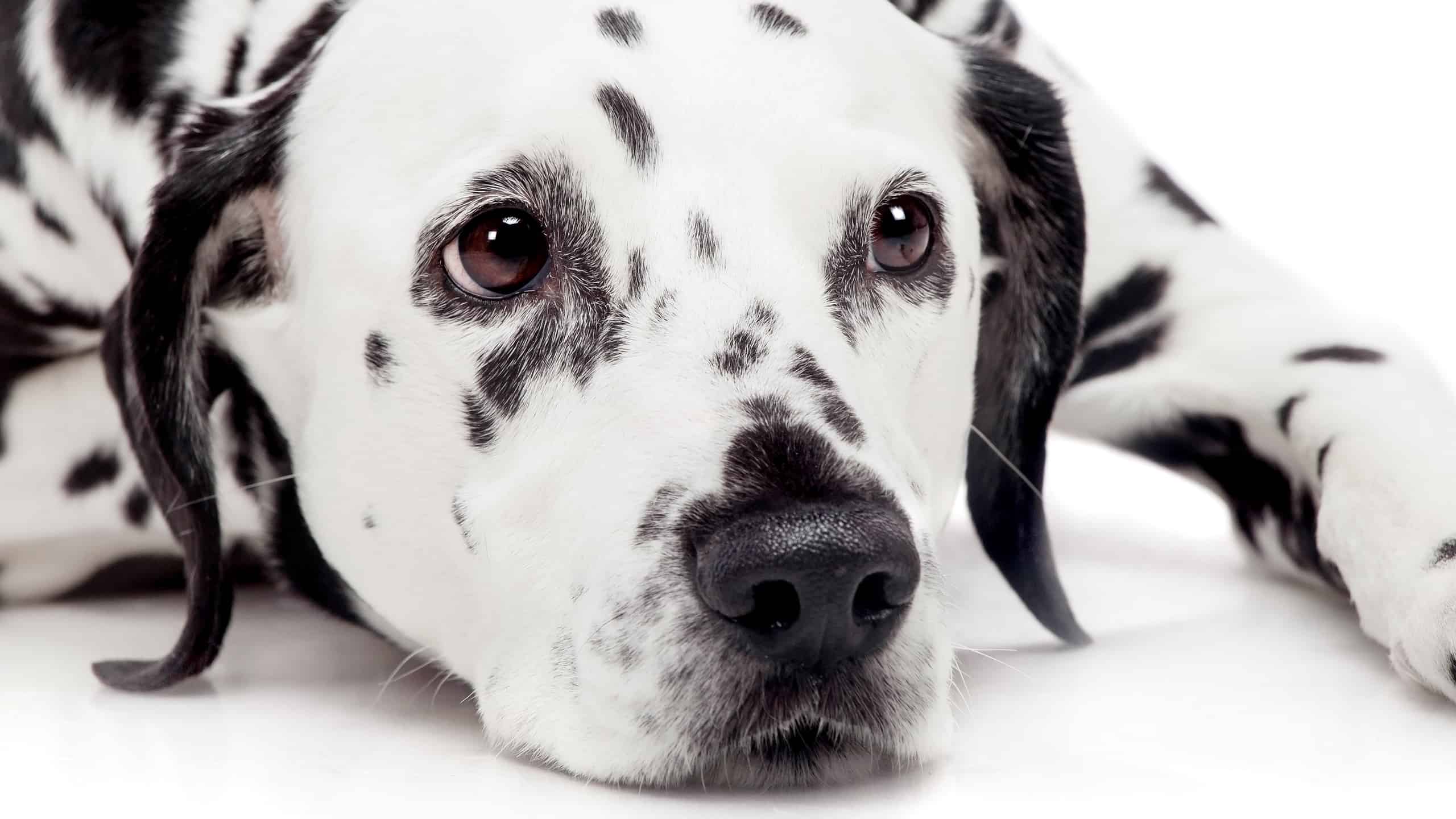
It’s important to prepare for your Dalmatian’s vet visits, especially if they get sick.
©Rosa Jay/Shutterstock.com
Dalmatians are prone to genetic disabilities and health issues, including:
- Deafness
- Urate urinary stones
- Eye conditions
- Skin conditions
- Hip dysplasia
- Thyroid disease
Reputable breeders will screen for genetic health issues and have CHIC numbers available for both parents. This allows the public to see the results.
It’s also important to have a plan for when your Dalmatian inevitably gets sick, whether it happens early in life or they remain healthy until their senior years. The best plan for most people is to purchase pet insurance the moment you adopt your dog.