Quick Take
- A criminal defense attorney walked into an Atlanta shelter one day, and what she saw changed her life and career trajectory. Meet founder Rebecca Guinn →
- Metro Atlanta's two largest shelters once had a survival rate most people would find shocking, and the reasons it changed are not what you would expect. See the lifesaving turnaround →
- Most animal welfare efforts focus on what happens inside shelters, yet LifeLine found a critical piece of the puzzle hiding somewhere else entirely. Discover the community solution →
According to the ASPCA, approximately 597,000 animals were euthanized in shelters in the U.S. last year. However, welfare organizations across the country have been working to lower these numbers. LifeLine Animal Project in Georgia is one such organization.
As the largest animal welfare organization in the state, LifeLine manages both Fulton and DeKalb counties’ open-intake shelters. (That’s a whopping 18,000+ animals a year.) The nonprofit also runs the state’s largest spay/neuter program, which offers affordable procedures to animals in need.
In this article, we speak with founder and CEO Rebecca Guinn about the organization and its incredible contributions to animal welfare.
About LifeLine Animal Project
Rebecca Guinn, Founder and CEO of LifeLine Animal Project, launched the welfare organization back in 2002. At the time, she was still practicing law as a criminal defense attorney.
“In 2001, I went to the DeKalb County shelter trying to save a dog I had called animal control to help,” Guinn shares. “There were probably 400 dogs in the building. When I returned a few days later, most of them were gone, and I learned they had been euthanized. In that moment, I decided: we should be doing better for these animals.”
The following year, LifeLine Animal Project was born. Within about a year of opening, Guinn left her full-time practice in law, dedicating herself to the nonprofit and its mission.
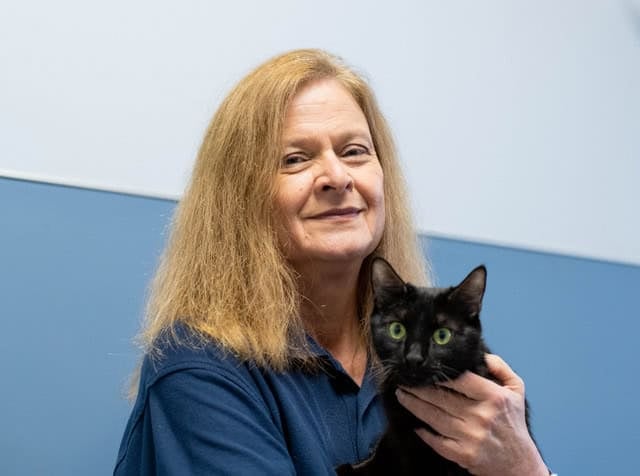
Rebecca Guinn was a lawyer when she founded LifeLine Animal Project over 20 years ago.
©LifeLine Animal Project
“From day one, LifeLine’s mission has been to end the shelter euthanasia of healthy and treatable animals,” she says. “Over time, we came to understand the depth of what that requires. It takes strong adoption, foster, rescue, and medical programs inside the shelter, but it also requires a safety net outside the shelter so that fewer animals reach a crisis in the first place.”
How LifeLine Helps Decrease Shelter Deaths
According to Guinn, the lifesaving rate at Metro Atlanta’s two largest open-admission shelters, Fulton and DeKalb County, rose from roughly 15% when LifeLine began to more than 90% today.
“It didn’t happen overnight, and no single program did it,” she says. “Our approach has always been to look at the situation, figure out what’s missing, and then build it.”
Here are some of the ways LifeLine has helped—and continues to help—achieve this success.
Increasing Visibility
As they say, you can’t solve a problem you’re unaware of, making visibility a top priority for organizations like LifeLine Animal Project.
“At first, one of the biggest gaps was visibility,” Guinn shares. “People often didn’t know what animals were in the public shelters, so we created atlantapets.org [which now routes to LifeLine Animal Project] to help connect shelter animals with adopters and rescue groups.”
The more adoptions and rescues made, the less shelters will turn to euthanasia.
Offering Affordable Spay/Neuter Services
Affordable spay and neuter services also help reduce shelter euthanasia and improve the animals’ overall health. Unfortunately, before LifeLine Animal Project stepped in, this gap was obvious in Metro Atlanta shelters.
“We began subsidizing surgeries and opened our first spay/neuter clinic in 2004,” Guinn shares.
Operating Local Shelters
By working with local shelters in the Metro Atlanta region, LifeLine has helped more animals find homes—both temporary (like foster homes) and permanent homes.
“When LifeLine began operating the Fulton and DeKalb County shelters in 2013, we had to build much more of the lifesaving infrastructure inside the shelters themselves,” says Guinn. “We strengthened adoption programs, expanded relationships with rescue groups, invested heavily in foster care, and built a large social media presence to help animals find homes. We set a goal of having at least half of the animals in our care living in foster homes rather than in the shelters, and we have surpassed it.”
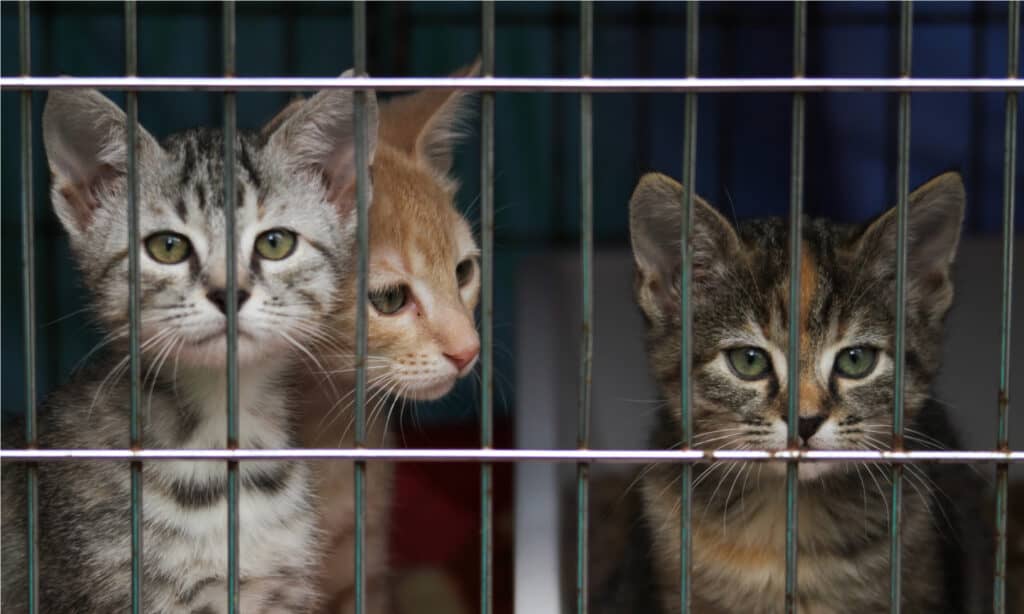
Foster homes help reduce shelter overcrowding and euthanasia of healthy or treatable pets.
©Giordano66/Shutterstock.com
We strengthened adoption programs, expanded relationships with rescue groups, invested heavily in foster care, and built a large social media presence to help animals find homes.
Rebecca Guinn, founder and CEO of LineLine Animal Project
Additionally, by operating these local shelters, Guinn and her team learned more about why so many animals ended up there in the first place.
“Access to veterinary care, affordable spay/neuter, housing, and financial hardship all affect whether animals remain with their families or enter shelters,” she says. “So our work continued to expand into community veterinary care, Pets for Life outreach, mobile clinics, Healthy Pets events, and other prevention programs.”
Garnering Public Support and Political Will
Public support and investment in these initiatives are also key factors in their success.
“As lifesaving increased, we also helped change what the community and our government partners believed was possible,” Guinn shares. “That success helped build public support and political will for major County investments in new shelter facilities.”
How to Support LifeLine Animal Project and Similar Initiatives
Whether it’s LifeLine Animal Project or a similar organization in your area, supporting animal welfare initiatives can make a major difference.
“For much of its history, animal welfare has been organized around protecting people from animals or protecting animals from people,” Guinn says. “We need to move from a model built around protecting one side from the other to one built around protecting the relationship between people and animals.”
Guinn believes we owe animals their lives and share the responsibility of protecting them from harm while maintaining public safety.
“Companion animals live in relationship with people, and their well-being is deeply connected to ours,” she says. “Our mission requires us to build systems that recognize that connection.”
If you’d like to support LifeLine Animal Project’s mission, consider donating at this link or sharing this article to spread awareness.