Quick Take
- A dog's waistline may be quietly doubling their risk of something most owners never connect to weight. See the obesity research →
- Six behaviors owners dismiss as 'just getting old' are actually early warning signs worth catching now. Spot the warning signs →
- The simplest thing you do every day at mealtime could protect your senior dog's brain, yet most owners skip it. See mealtime weight tips →
- When a dog looks confused in a familiar room, something is happening in their mind that researchers are only beginning to understand. Explore what dogs experience →
As dogs age, they can become less active. Without dietary changes, less activity can lead to weight gain. Excess weight can cause senior dogs to develop physical issues, and it can also affect a dog’s brain health.
Carrying Extra Weight Can Lead to Cognitive Decline in Golden Retrievers
Mental acuity changes in dogs as they age. For some, the changes are subtle. For others, the change in mental clarity is evident.
What causes changes in cognitive health has not been studied closely in dogs. As a result, research from Oklahoma State University is gaining recognition not only for finding a correlation between physical health and brain health, but also for identifying ways to combat cognitive decline.
Alexandra Genualdi, a student at Oklahoma State University, has been researching the link between a dog’s body mass and their cognitive health. These findings were presented at the American Physiological Society’s 2026 Comparative Physiology conference, in which Genualdi explained her findings on the link between obesity in senior dogs and cognitive decline.
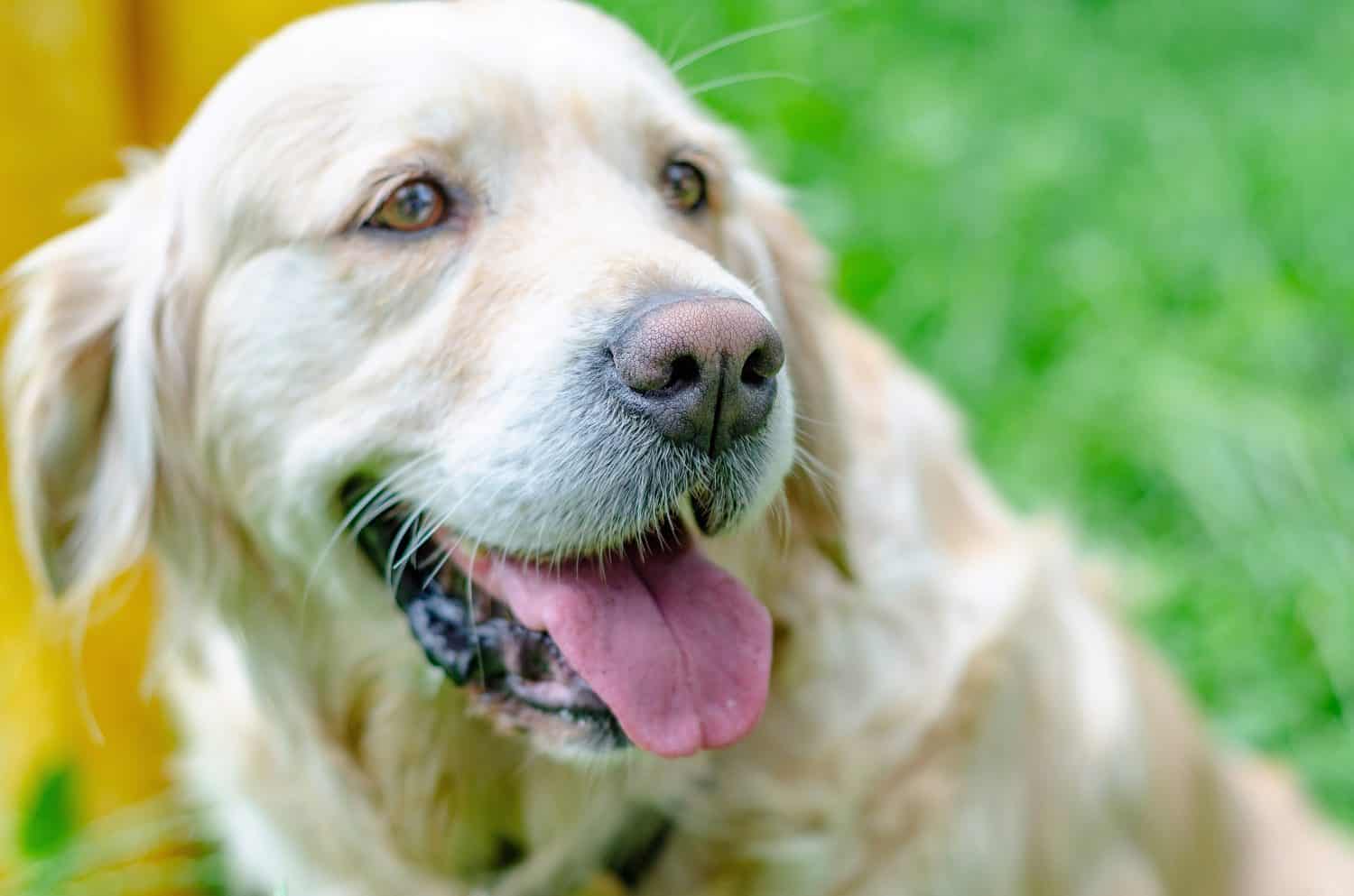
Overweight senior golden retrievers were twice as likely to experience cognitive decline as healthy-weight golden retrievers.
©Super8/Shutterstock.com
Using only golden retrievers and data from the Morris Animal Foundation Golden Retriever Lifetime Study, Genualdi compared dogs that were normal body weight, overweight, and obese, looking at their activity levels, risk of disease, and cognitive function.
The findings were startling. The golden retrievers who were obese were twice as likely to develop cognitive decline as they aged.
According to Dr. Cameron Barkley, a veterinarian specializing in small animal care who was not involved in the study, these results are what veterinarians have suspected for years.
“In practice, I do see a pattern: my heavier senior goldens are more likely to show ‘slowing down’ mentally—getting stuck in corners, pacing at night, seeming confused—alongside arthritis and other issues,” Dr. Barkley explains to A-Z Animals. “This research nicely backs up what many vets suspect clinically.”
What Are the Signs of Cognitive Decline in Dogs?
Although research on cognitive decline and its link to obesity focused on golden retrievers, the signs of cognitive decline are the same across all dog breeds. Recognizing the signs early can help manage symptoms and support dogs as their brain function changes.
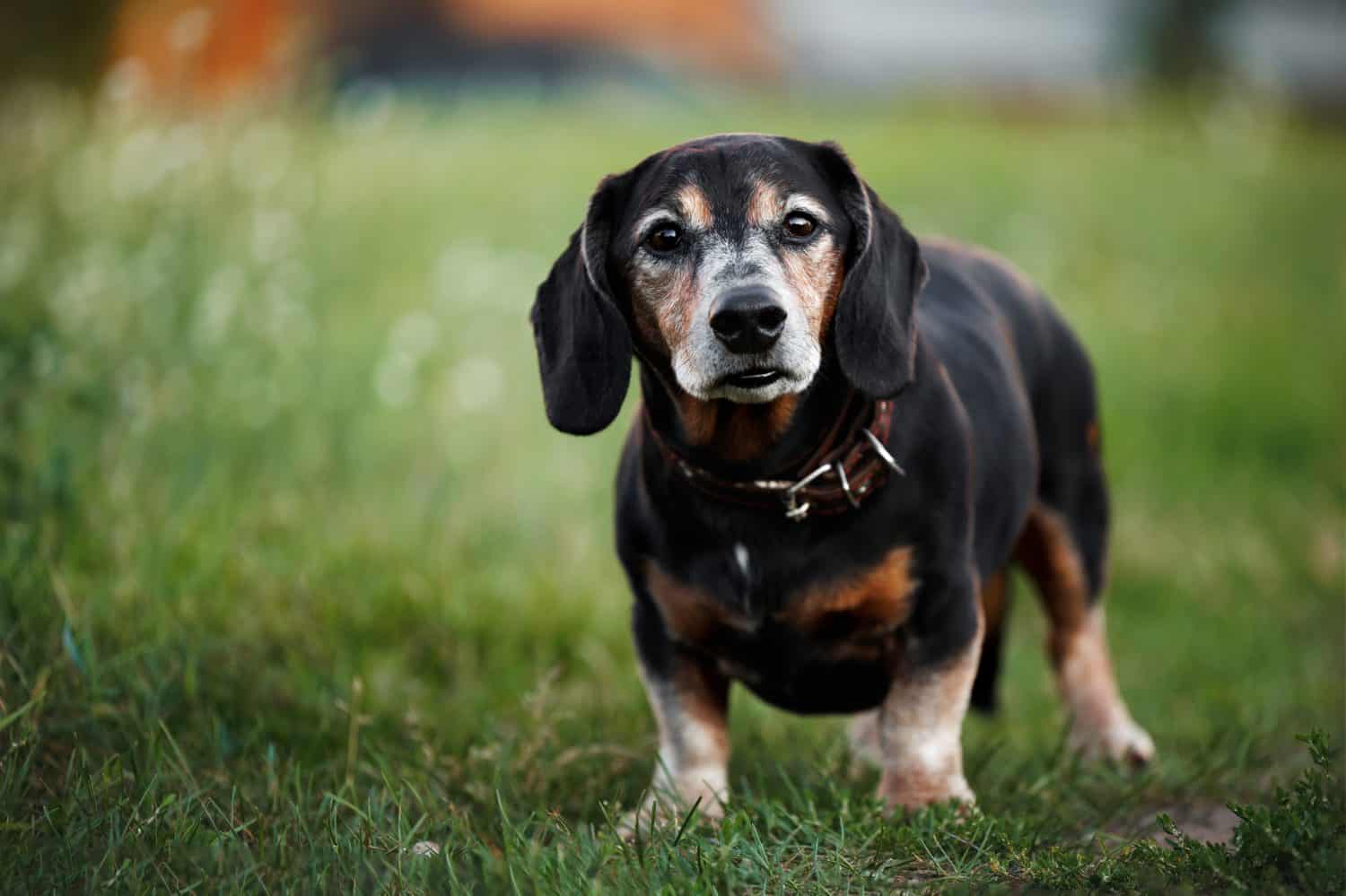
When dogs are confused about normal routines, stare at walls, or pace at night, they may be experiencing cognitive decline.
©otsphoto/Shutterstock.com
Some of the signs of cognitive decline, according to Dr. Barkley include:
- Getting lost or ‘stuck’ in familiar places
- Staring at walls or into space
- Pacing or restlessness at night
- Forgetting house‑training and having accidents
- Seeming confused about routines
- Losing interest in family activities they used to enjoy
“These changes tend to creep up slowly,” Dr. Barkley says, “so it’s important for owners to mention them to their vet rather than just assuming a dog is ‘getting old.’”
Activities Dogs Can Participate in to Keep Cognitive Decline at Bay
As dogs age, some cognitive decline is normal. However, there are ways to keep dogs’ brains firing on all cylinders longer. After all, the brain operates like a muscle. The more it is used, the stronger it gets.

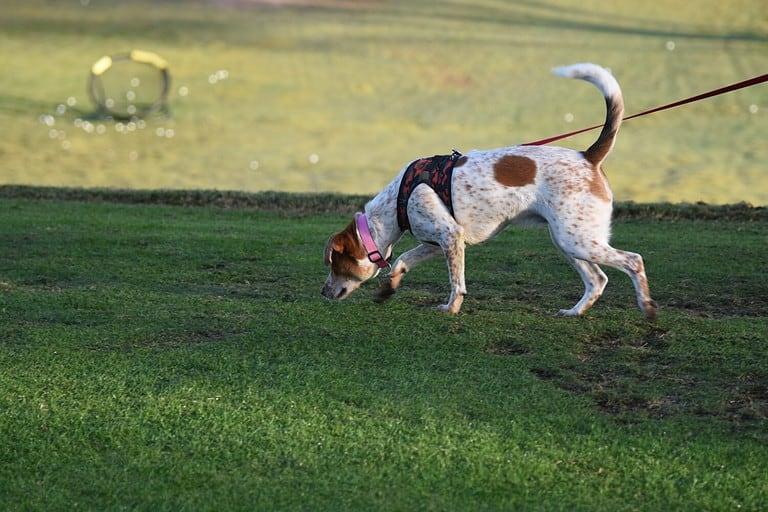
Food puzzles or snuffle mats are a great way to keep dogs’ brains healthy as they age.
©Tonia Kraakman/Shutterstock.com
According to Dr. Barkely, some activities dogs can participate in to keep their brains healthy include:
- Simple tricks
- Food puzzles and snuffle mats
- Gentle scent games
- Varied walks where they can sniff
- Safe social interaction
“For senior dogs, think ‘little and often’,” Dr. Barkley tells A-Z Animals. “Frequent, low‑stress brain games are better than long, exhausting sessions and can be paired with a healthy weight to support healthier aging.”
In practice, I do see a pattern: my heavier senior goldens are more likely to show ‘slowing down’ mentally—getting stuck in corners, pacing at night, seeming confused—alongside arthritis and other issues.
Dr. Cameron Barkley, a veterinarian specializing in small animal care
Ways Older Dogs Can Remain at a Healthy Weight
As dogs age, their metabolism slows down. Combined with less activity, this is a recipe for weight gain. With a little effort, however, it does not have to be. With just a few small changes, senior dogs can remain at a healthy weight well into their golden years.

Measuring food, choosing calorie-controlled options, and adding a bit of exercise go a long way toward keeping senior dogs at a healthy weight.
©Laura Beach/Shutterstock.com
“For weight loss, the biggest wins are switching to a true veterinary or calorie‑controlled weight‑loss diet, measuring every meal with a cup, cutting treats way back, and adding gentle daily exercise,” Dr. Barkley states.
Because “extra weight doesn’t just wear out a dog’s joints and heart—it may also speed up brain aging,” Dr. Barkley says that keeping dogs at a healthy weight is “one of the simplest ways owners can protect both their pet’s body and their mind as they age.”
Do Dogs Recognize They Are Experiencing Cognitive Decline?
No studies to date have attempted to determine whether dogs realize they are experiencing cognitive decline. However, dogs can sometimes look visibly confused when in the throes of the condition. This could be an indication that they realize they are not navigating the world the same way they once did.
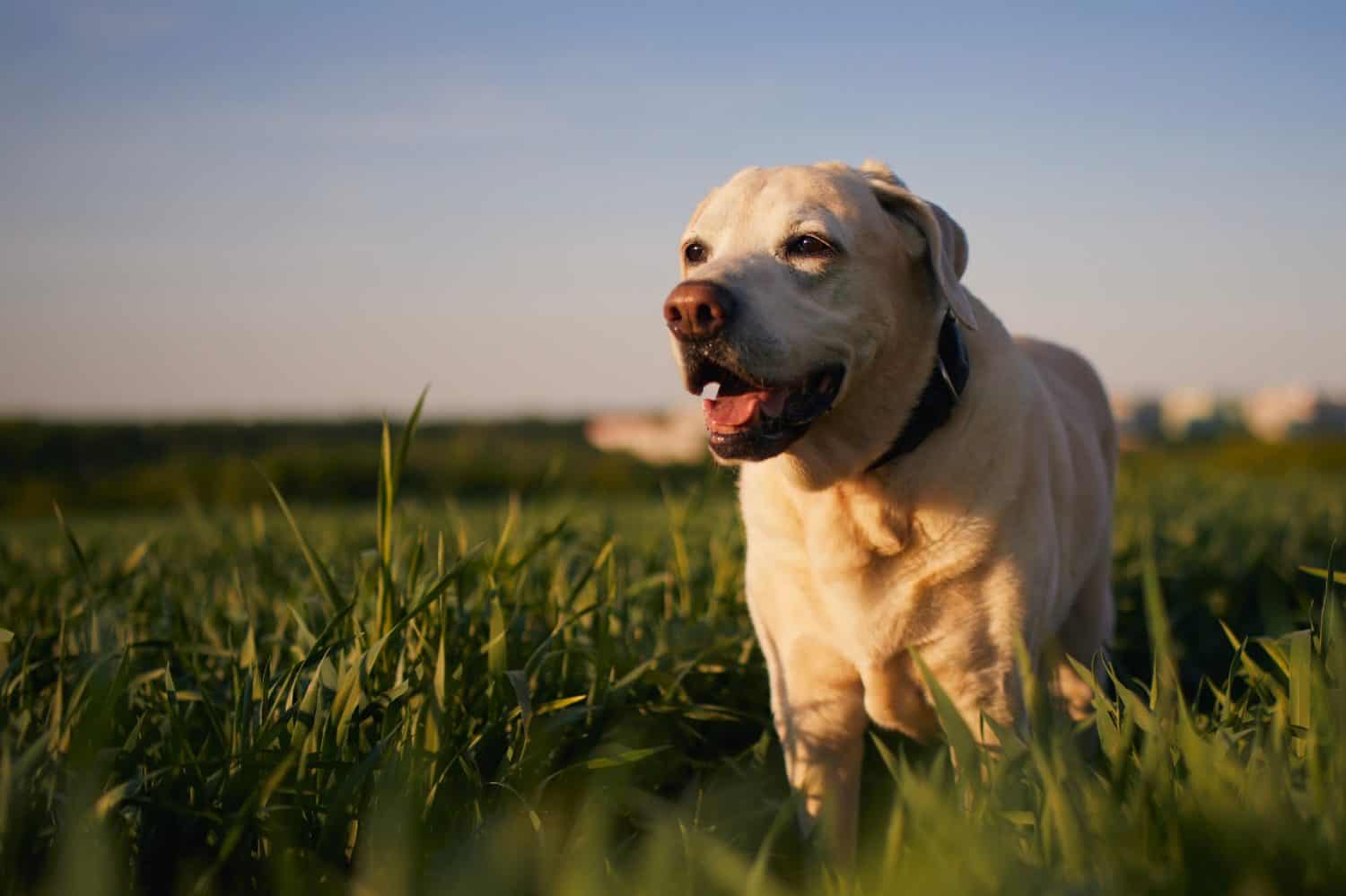
Dogs likely recognize that their brains function differently when they experience cognitive decline.
©Jaromir Chalabala/Shutterstock.com
“We can’t know exactly what dogs ‘understand,’ but many cognitively impaired dogs show moments of obvious confusion or anxiety, like walking into a room and seeming unsure why they’re there, or suddenly looking lost in the yard,” Dr. Barkley says. “I suspect they feel something is off, even if they can’t place it.” That’s why calm routines, gentle reassurance, and avoiding big changes matter so much for them.”
Because of confusing moments like these, it is imperative that pups have daily routines they can count on to bring consistency to their lives. Cognitive decline in dogs can worsen when their lives change suddenly. Therefore, keeping day-to-day activities status quo can be a huge help for older dogs.
Dog Owners Need to Give Themselves Grace When Cognitive Decline Appears
As dogs age, cognitive decline is likely to occur regardless of weight. Many dog owners feel responsible when this happens. Unfortunately, as with most of the human population, it is a consequence of aging.

Dog parents need to give themselves grace when their dogs’ cognitive health declines. They can still support their dogs and help them maintain a superb quality of life.
©simona pilolla 2/Shutterstock.com
“Cognitive decline is common in older dogs, and catching it early lets vets rule out other problems (like pain or vision loss) and start support sooner,” Dr. Barkley explains. “It’s also not a ‘failure’ on the owner’s part—most cases are a mix of age, genetics, and health.”
Dr. Barkley adds that “focusing on a healthy weight, brain games, good sleep, and a predictable, loving routine can still make a huge difference in their quality of life,” which, at the end of the day, is all that pet parents want for their fur babies, regardless of age.