
Quick Take
- Siamese cats have two distinct anxiety disorders, though most owners don't realize they're dealing with different problems. See the two anxiety types →
- Their famous intelligence isn't just a charming quirk. It's the root cause of their most frustrating behaviors. Explore the intelligence link →
- One oddly specific Siamese habit has been scientifically linked to hidden health problems that go far beyond the behavior itself. See the health connection →
- Siamese cats commonly live anywhere from 15 to 20 years, though a few breed-specific genetic risks could quietly cut that short without the right precautions. Check the genetic risks →
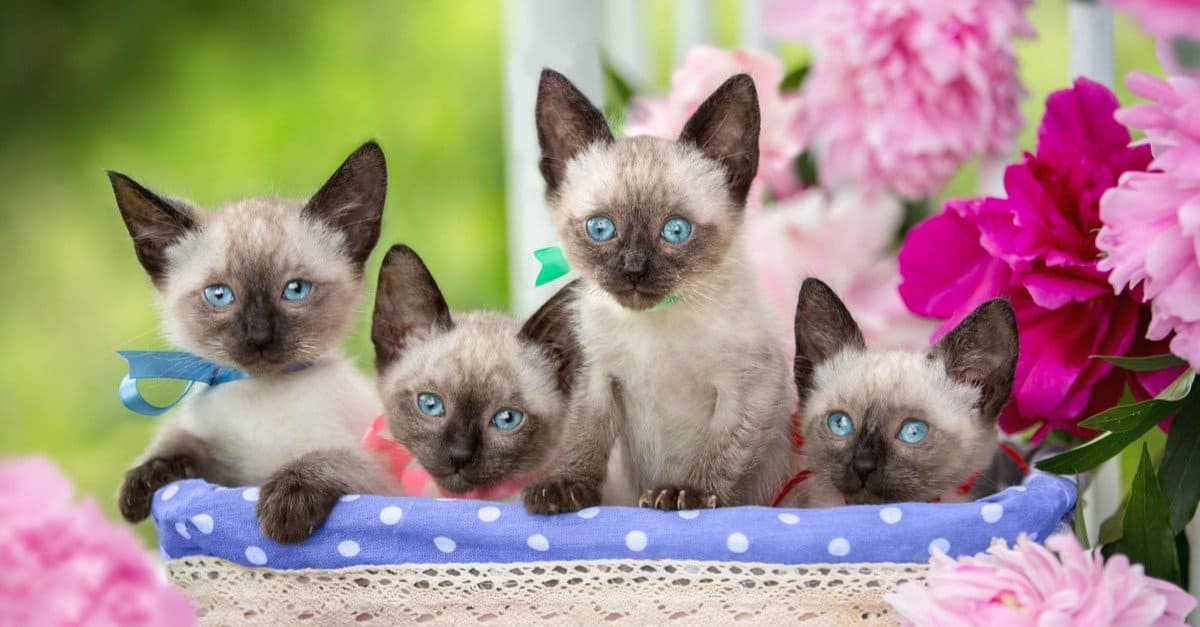
Siamese cats have beautiful coats, stunning blue eyes, and the sweetest personalities. If you’re thinking about adopting a Siamese, you might be wondering about the challenges of owning one of these elegant felines. In this article, we’ll discuss six common complaints about Siamese cats and whether they might be the right breed for you.
#1: Siamese Cats Are Clingy
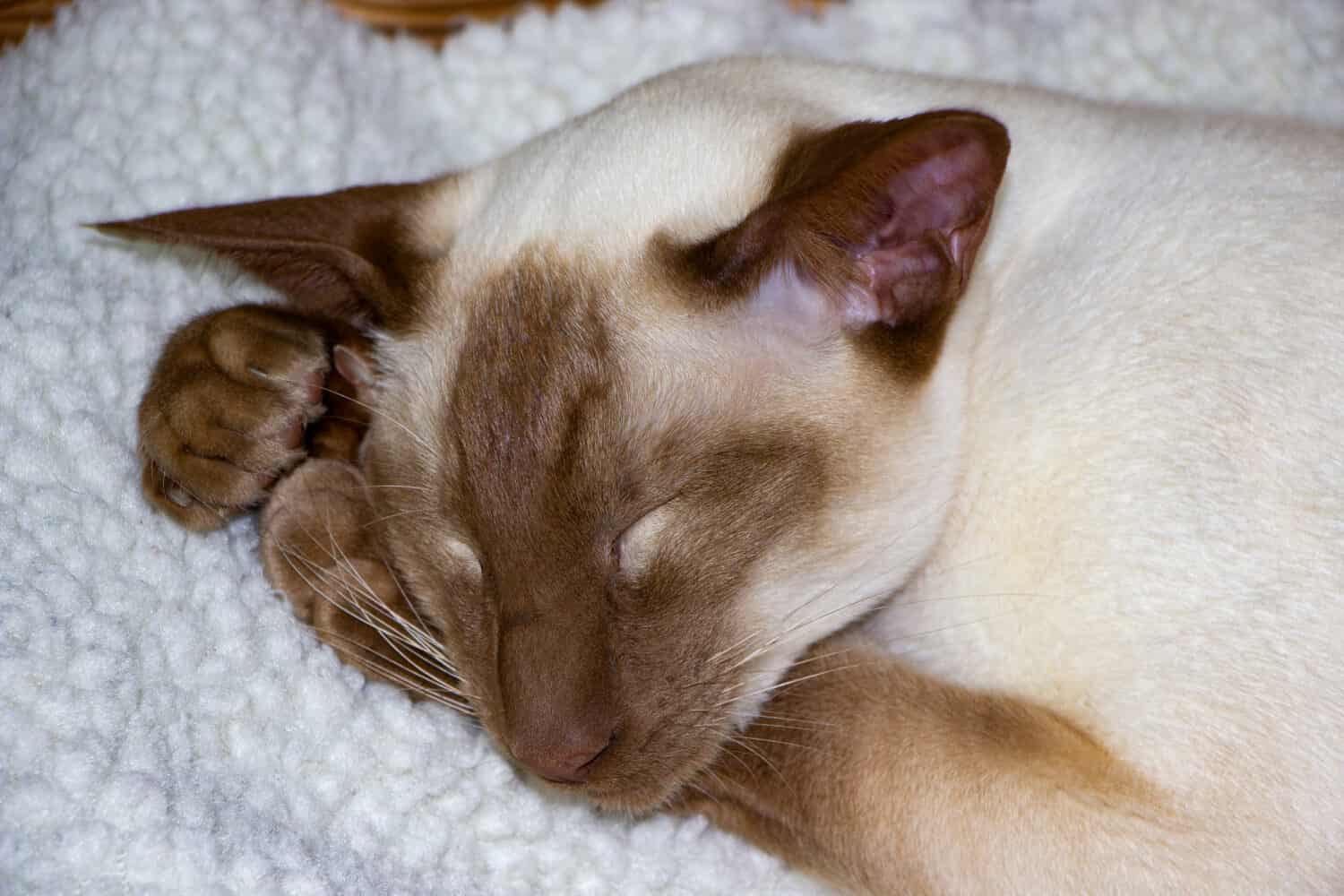
Adopting a Siamese cat means never being alone.
©Colleen Ashley/Shutterstock.com
Siamese cats are known for being incredibly social and they love being close to their humans. These cats love nothing more than cuddling up in your lap. This has its pros and cons. You might love the snuggles and you may not mind your cat constantly following you around the house, but it can be difficult if you ever want some alone time.
#2: Siamese Cats Are Prone to Separation and Isolation Anxiety
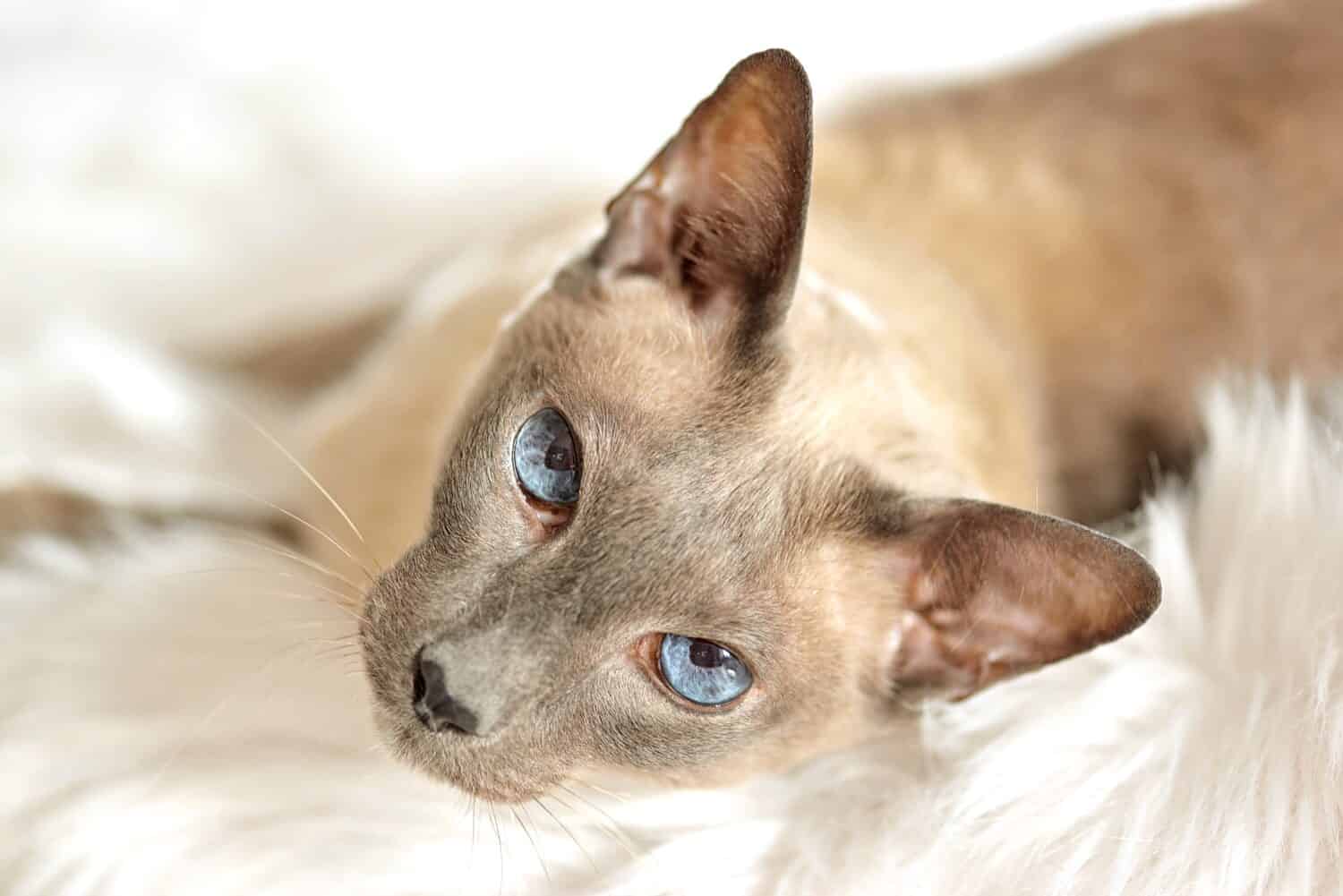
Siamese cats are very social, so they do not do well on their own.
©Chudo2307/Shutterstock.com
Their clinginess also makes them more prone to separation anxiety and isolation anxiety. Separation anxiety is when a cat chooses a favorite person and is distressed when that person isn’t around. Isolation anxiety is similar but only occurs when the cat is completely alone. While they are devoted to their humans, your Siamese can also enjoy having another Siamese cat or other pets as companions, which can help with the anxiety.
#3: They Are Very Talkative
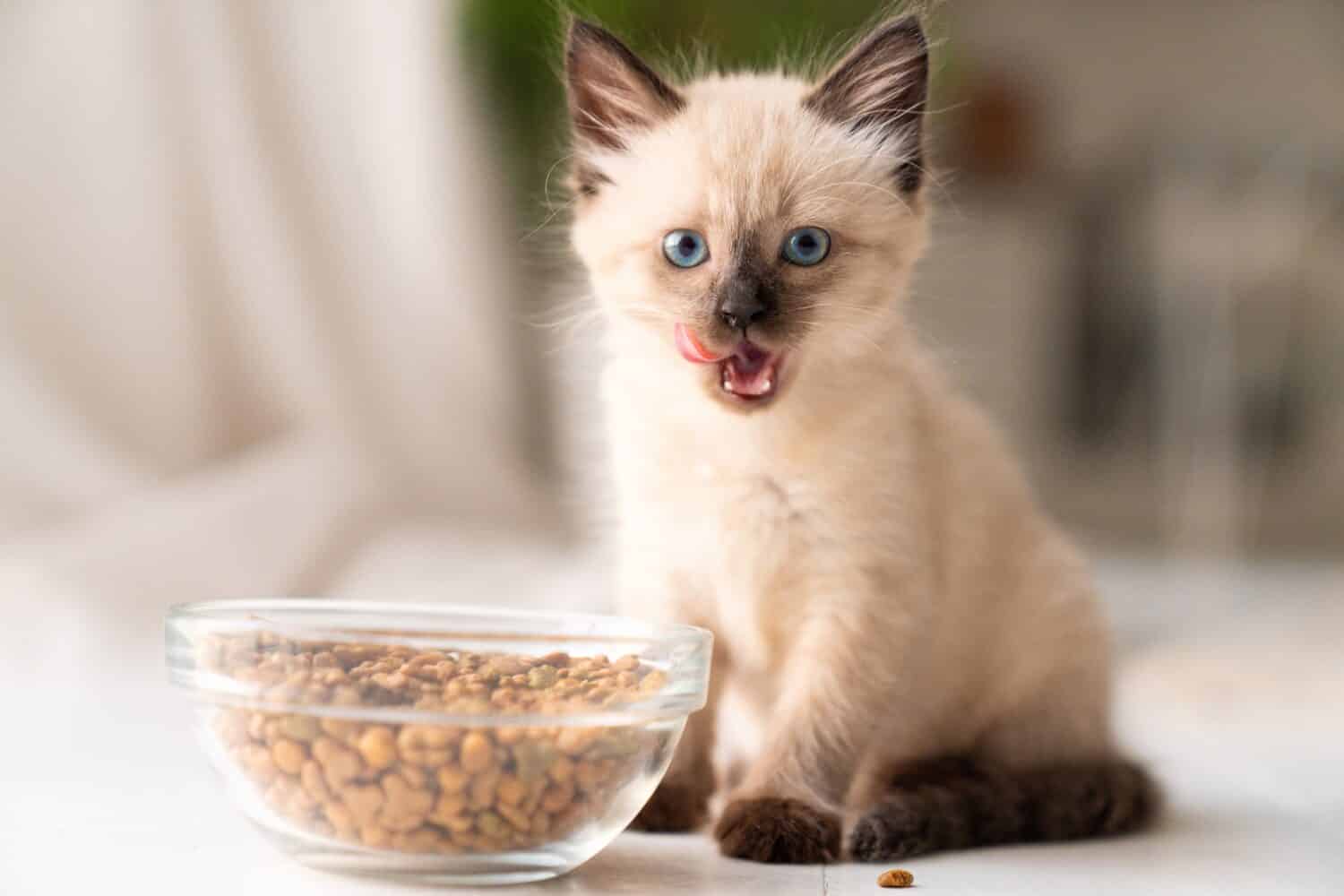
Siamese cats may be especially vocal when they’re hungry.
©Yarkovoy/Shutterstock.com
If you have a quiet home and want to keep it that way, you might want to adopt a quiet cat from a shelter or rescue. Siamese cats tend to be incredibly vocal. They love to “talk” to their people, from chirping hello to chatting extensively in a language we can’t understand. Your Siamese will enjoy you talking back to them despite this language barrier. However, you should also be prepared for their loud protests if you leave their sight.
#4: They May Exhibit Compulsive Behaviors
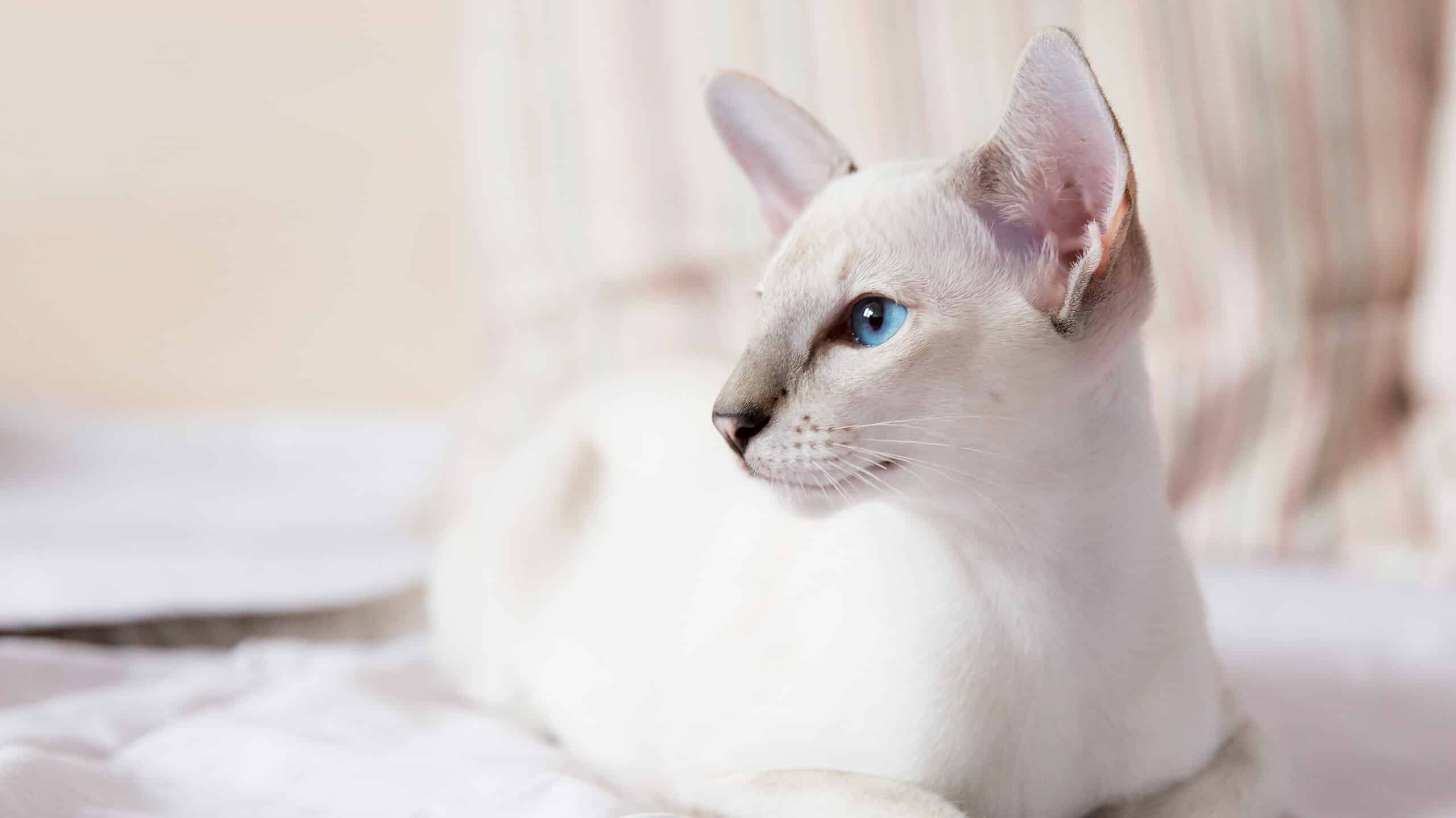
Some Siamese cats chew or suck on soft items like your bedding.
©tovsla/Shutterstock.com
Compulsive behavior like wool sucking is most commonly seen in Siamese and Birman cats. This occurs when a cat chews, sucks on, or eats blankets, clothing, or similar non-food items. The chewing and suckling aren’t a problem in itself, but cats who eat non-food items can suffer from intestinal blockages.
In Siamese cats, wool sucking was also found to be accompanied by other health problems. Be sure to take your Siamese cat in for a full check-up each year, including bloodwork. Talk to your vet about your cat’s wool sucking during the exam to see if they recommend any further testing or treatments.
In the study referenced above, wool sucking was also associated with an “abnormally intense appetite.” Siamese cats are more prone to other compulsive behaviors as well, such as excessive grooming, or psychogenic alopecia.
#5: Siamese Cats Are Highly Intelligent
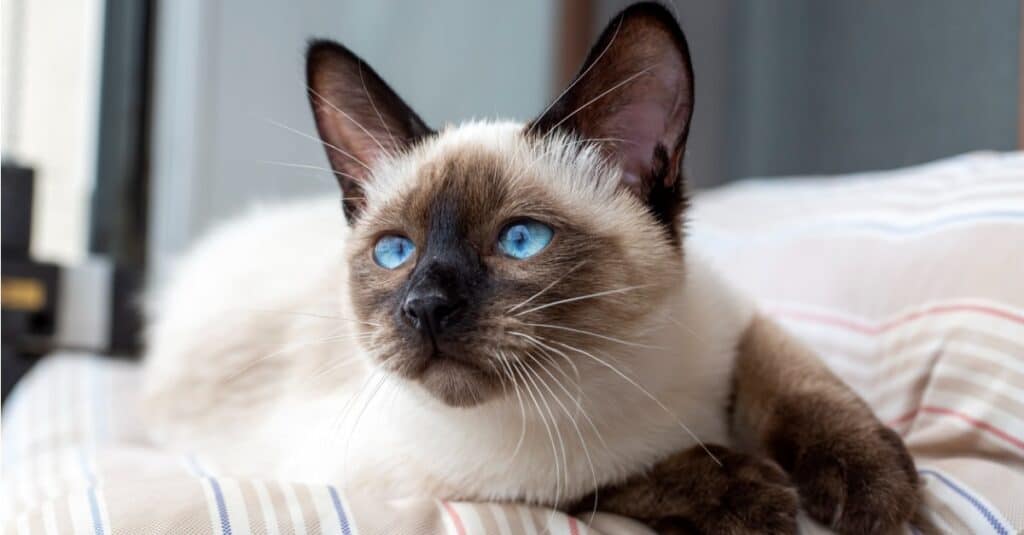
The Siamese is among the most intelligent cat breeds.
©iStock.com/Esin Deniz
Siamese cats are very intelligent, so they need plenty of physical and mental stimulation. Without it, they become bored, which leads to the anxiety and compulsive behaviors described above. A physically and mentally stimulated Siamese is a happy, entertaining Siamese. Two 15-minute play sessions per day will help them burn off some energy. You can also try activities like clicker training, harness walking, electronic toys, and puzzle feeders. Like most cats, they also enjoy high spaces, so a cat tree near a window allows them to watch birds and other outside activities.
#6: They’re Prone to Specific Genetic Health Problems
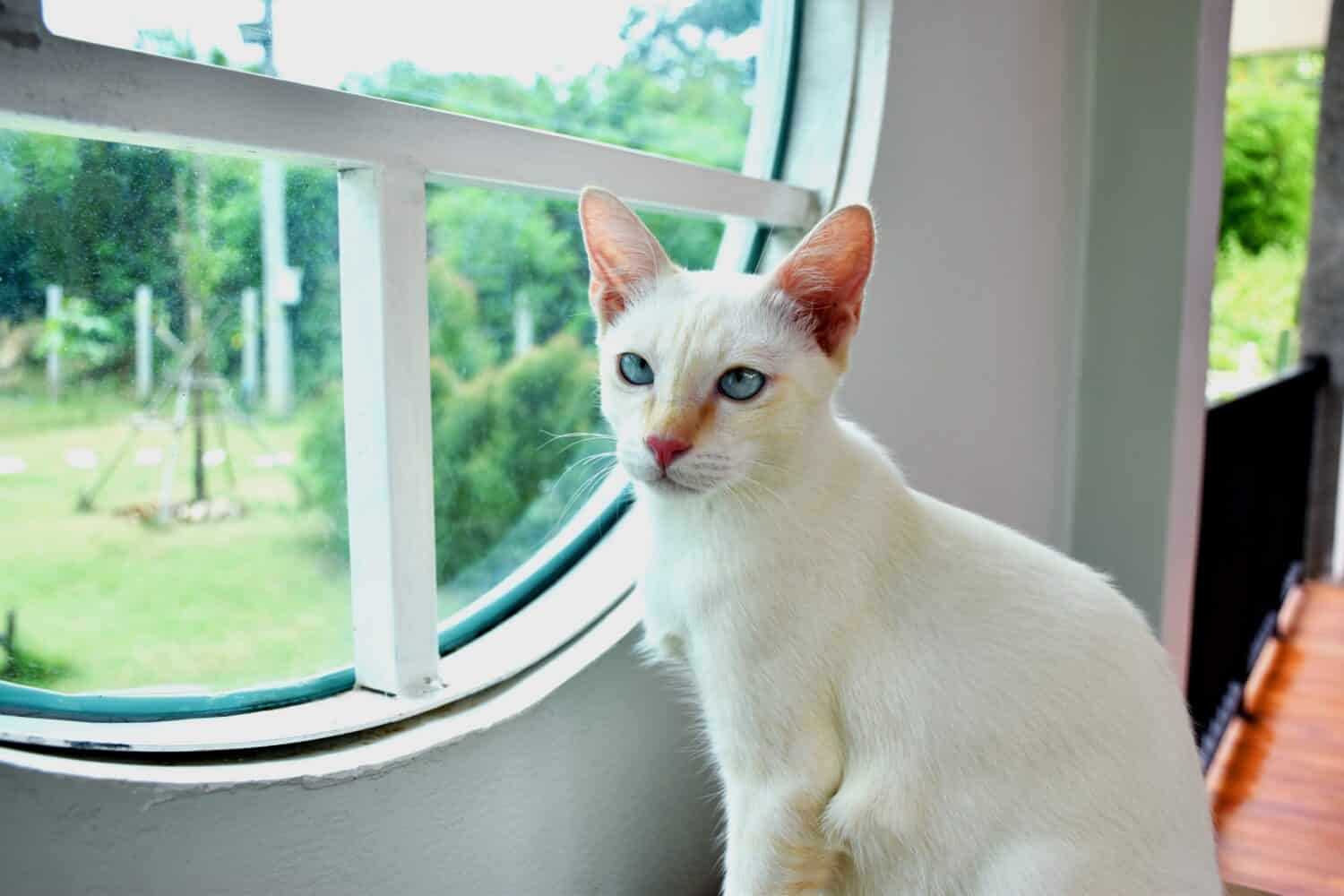
Keeping your Siamese cat indoors lowers their risk of disease.
©Bo9/Shutterstock.com
Siamese cats are generally healthy, but like all breeds, they are prone to specific genetic health problems. In addition to issues mentioned previously, common Siamese cat health issues include:
- Progressive retinal atrophy and other eye issues
- Dental disease
- Amyloidosis
- Asthma or other respiratory conditions
Reputable breeders will screen for genetic health conditions and will never breed unhealthy cats. This greatly reduces your Siamese kitten’s chance of developing health problems and allows them to live a full, long lifespan of up to 15 years on average, although some Siamese can reach 20 years.