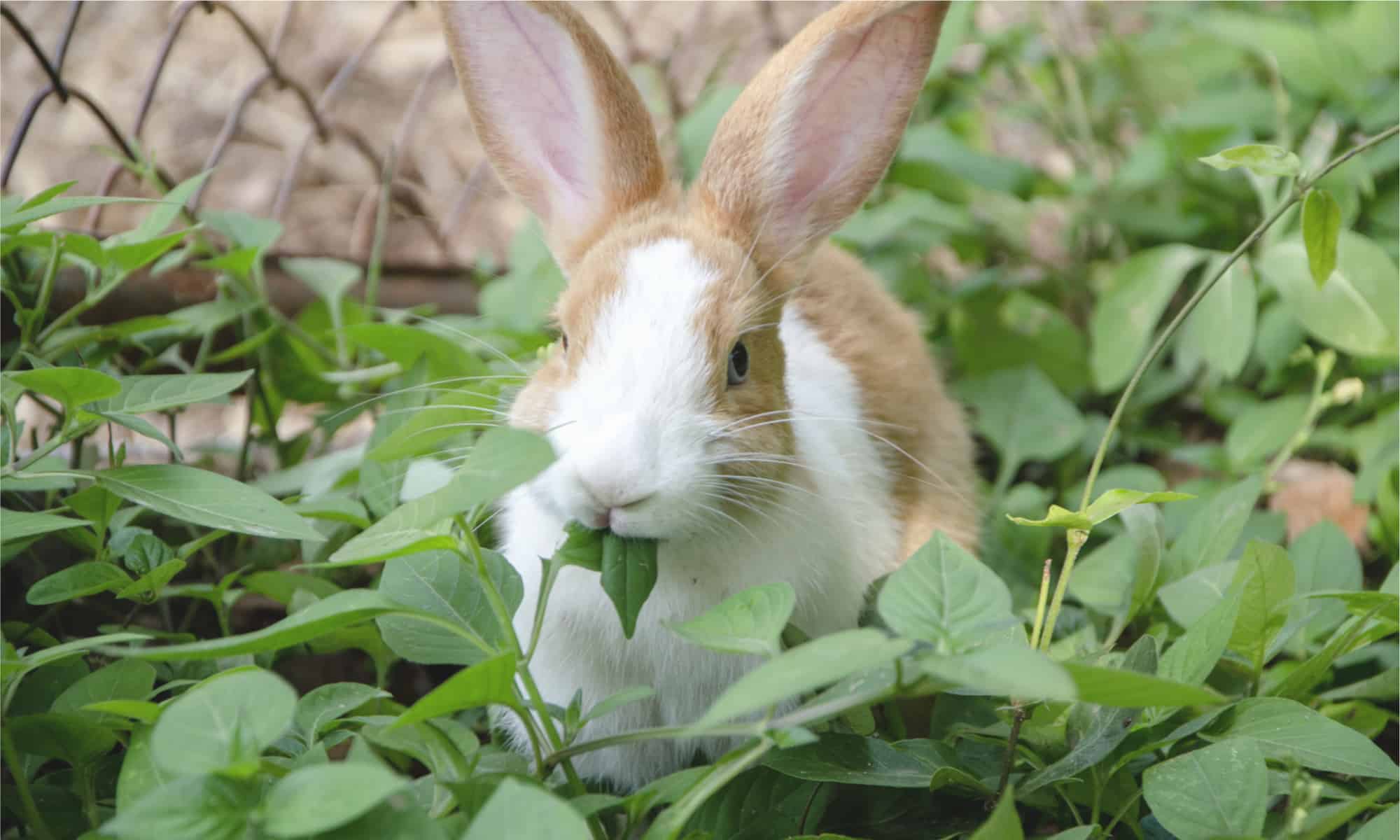

From Beatrix Potter’s universally beloved Peter Rabbit to Looney Tunes’ wisecracking Bugs Bunny, pesky rabbits are more than literary treasures. They are real-life nuisances. Like their literary heroes, these prolific little critters will decimate a home garden before you can say jack rabbit! However, with a bit of preparation and a boatload of tenacity, you can establish a garden that is a rabbit-free zone. Continue reading to discover the most effective homemade rabbit repellent.
Why Should Rabbits Be Repelled?
As suitable habitats shrink, its only natural for these adorable, furry little mammals to seek refuge where they can. These days, that often means in the suburban neighborhoods that have sprung up when woodlands and meadows used to be. And while it’s understandably necessary to the rabbits’ survival, their presence can create an issue for the backyard gardener and the suburban landscaper. After all, everybody’s gotta eat.
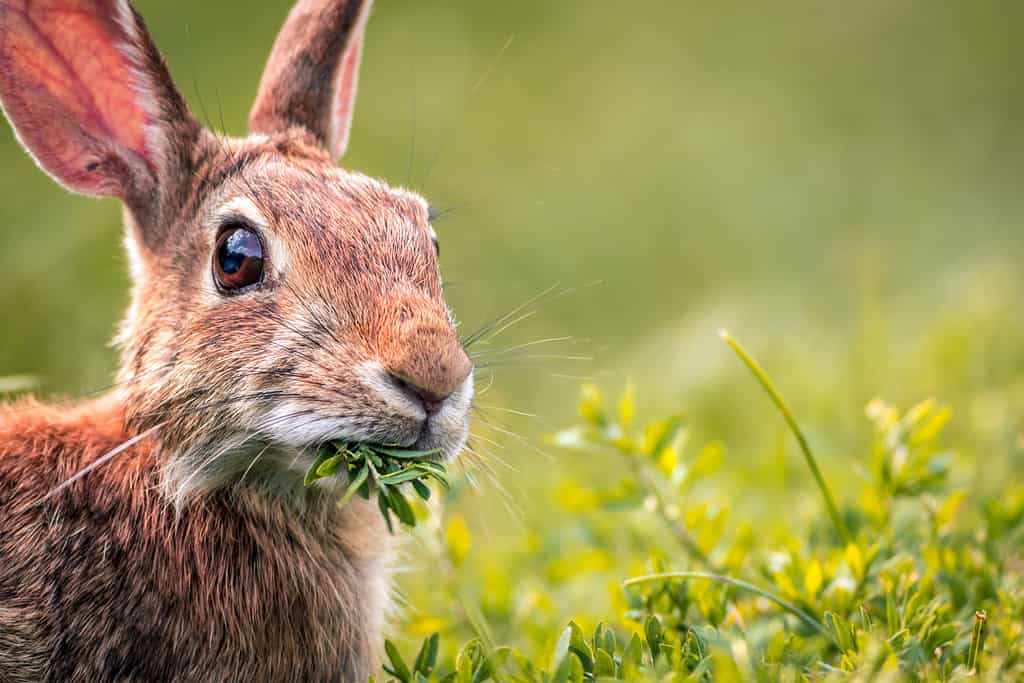
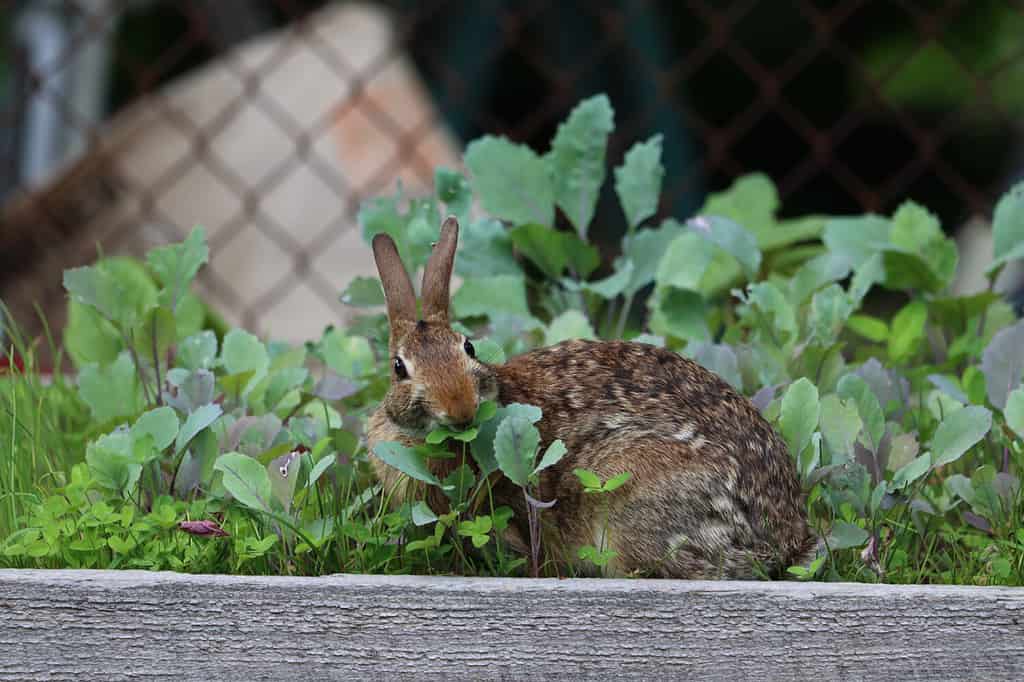
A close-up of an Eastern cottontail: Everybody’s gotta eat!
©Rabbitti/Shutterstock.com
People often wish to keep rabbits out of their gardens to protect their plants, landscaping, and crops. Rabbits are herbivores and feed on a variety of plants, including vegetables, flowers, and shrubs. They can cause significant damage by nibbling on leaves, stems, and fruits, which can lead to the loss of ornamental plants or reduced crop yields. Gardeners and homeowners often invest time and effort in maintaining their landscapes. Rabbits digging burrows or eating plants can disrupt growth, if not outright kill plants, undermining the aesthetic appeal of gardens and lawns. For those who grow their own vegetables or fruits, rabbits can pose a serious threat to their harvest. Rabbits target crops like lettuce, carrots, beans, and strawberries.
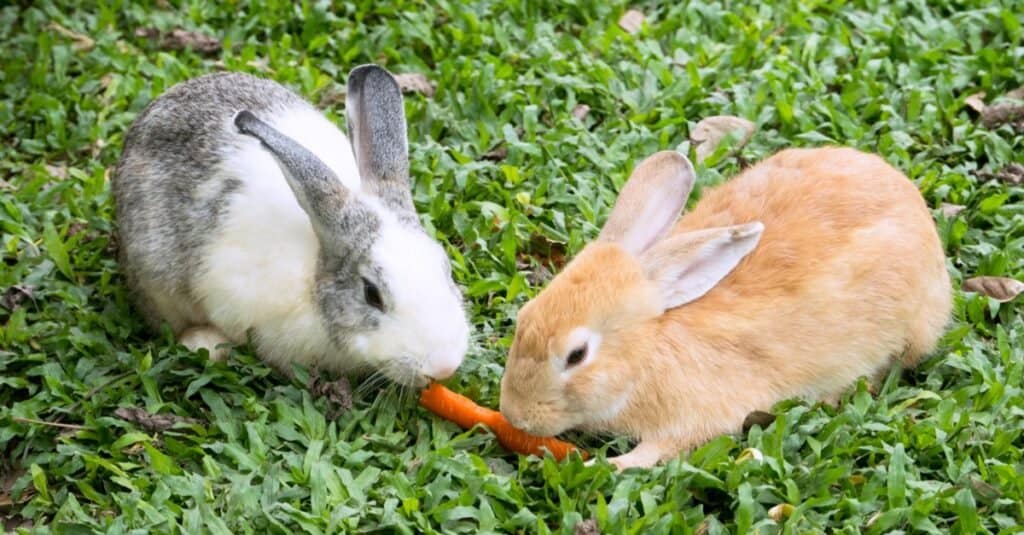
Rabbits target crops like lettuce, carrots, beans, and strawberries.
©Thor Jorgen Udvang/Shutterstock.com
Be Respectful
Sustainable gardening practices minimize the use of chemical pesticides and promote natural alternatives. Encouraging a balance in the local wildlife population by deterring excessive rabbit activity can contribute to garden sustainability. Rabbit populations can become overabundant and have a negative impact on local ecosystems. Many people find satisfaction in gardening and landscaping. Having a rabbit infestation can diminish their enjoyment by causing frustration and stress. While it is true that these wily critters often seem to mock our feeble efforts to keep them at bay, it’s important to choose humane and environmentally friendly methods for rabbit deterrence, as these animals are a part of the nature and deserve our respect and consideration even when they become pests.
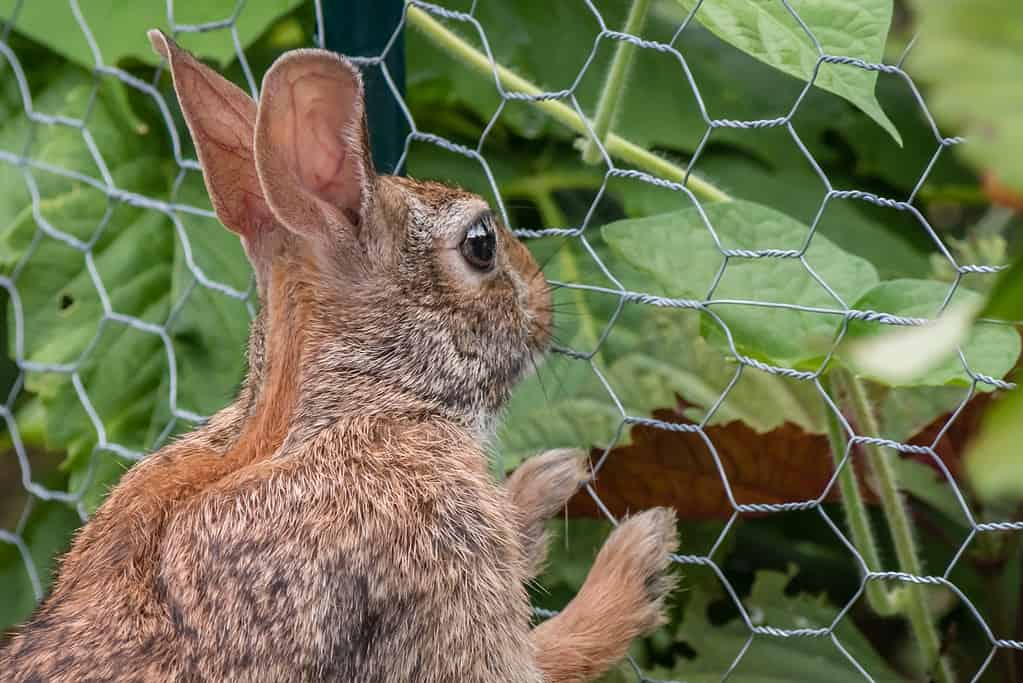
While it is true that these wily critters often seem to mock our feeble efforts to keep them at bay, it’s important to choose humane and environmentally friendly methods for rabbit deterrence.
©Jay Gao/Shutterstock.com
Natural Repellents
Pure and simple, rabbits do not like strong, especially pungent, odors. Rabbits rely heavily on their sense of smell to navigate their environment and detect potential threats or sources of food. Strong and pungent odors can undermine their olfactory abilities. They avoid areas with such scents. A mixture incorporating strong-smelling ingredients like garlic, chili peppers, hot sauce, or heavily-scented soap can deter rabbits from foraging in gardens or eating plants.
Here’s where your tenacity come into play! The intensity of these scents make the area less appealing to rabbits. This prompts them to seek food elsewhere. Some rabbits may be more tolerant of certain odors than others. Rabbits can also become habituated to repellents over time. Best practice suggests rotating or combining different repellent scents for long-term effectiveness.
Now let’s discuss routine re-application. You will need to be determined, patient, and focused on the outcome as you steadfastly and routinely apply your repellent concotition. The repugnant odor that works most effectively will need to to be applied regularly. This is true especially ater a rainy day, or an especially heavy dew. Depending upon the plant, the application may be around the base of the plant or applied directly to its leaves and stems.
A mixture incorporating strong-smelling ingredients like garlic, chili peppers, hot sauce, or heavily-scented soap can deter rabbits from foraging in gardens or eating plants.
©Lisa Basile Ellwood/Shutterstock.com
Homemade Repellents
There are several DIY rabbit repellents that keep rabbits out of your garden:
- Garlic and Pepper Spray: Mix a dozen crushed garlic cloves with 1 tablespoon of chili pepper flakes in 2-3 cups of water. Allow the mixture to steep for a day or more. Strain the mixture. Place it in a spray bottle. Apply it to the plant or the area surrounding the plant, focusing on where the rabbit is causing damage.
- Soap and Water Spray: Grate a bar of soap (Irish Spring is often recommended) and dissolve it in water. place in a spray bottle and follow the above directions
- Hot Sauce Spray: Take your favorite hot sauce – the hotter, the better – and mix it in a ratio of 1 oz. hot sauce to 4 cups of water. Add a few drops of liquid dishwashing soap or vegetable oil, which aids retention. Put the mix into a spray bottle and apply as above.
- Epsom Salt: Sprinkle Epsom salt around the base of your plants. Epsom salt deters rabbits due to its bitter taste. It also provides the benefit of water uptake in the plants once it dissolves.
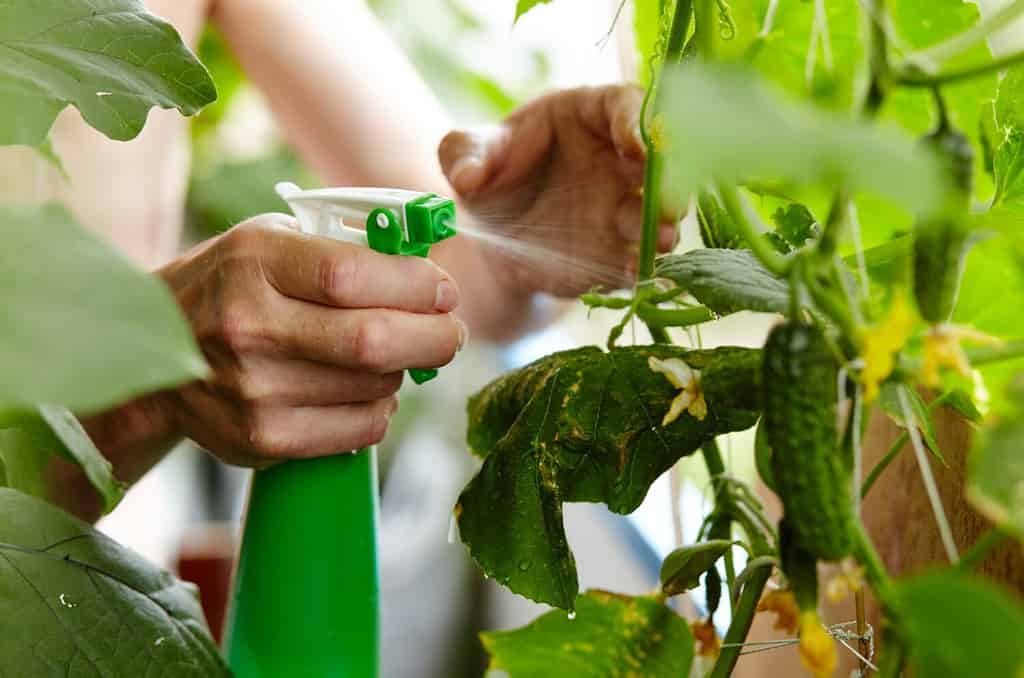
Spray garden and landscape plants with pungent smelling sprays to keep rabbits at bay.
©Andrii Salomatin/Shutterstock.com
Bonus Material: Other Friendly Methods of Removal
Spraying your plants with pungent smelling spray will work wonders with keeping rabbits out of the garden. However, their are other effective DIY methods. These include:
- Creating physical barriers, like fencing. Chicken wire or hardware cloth are good choices. The openings are too small for rabbits to traverse. Burying the fence several inches in the ground further forestalls these crafty critters.
- Planting companion plants like marigolds that have strong odors. Same principle, with less routine effort required once plants have been established.
- Scatter human hair clippings around the base of garden plants. The human scent is a natural deterrent to rabbits.
- Get a dog. Allow the dog to patrol (or should I say paw-trol) the yard. Smart rabbits will look for a more desirable dogless yard.
- Install motion-activated sprinklers that spray water on rabbits when they approach. Maybe also install a motion-activated wildlife camera to record the rabbits’ reactions when they get sprayed with the water.