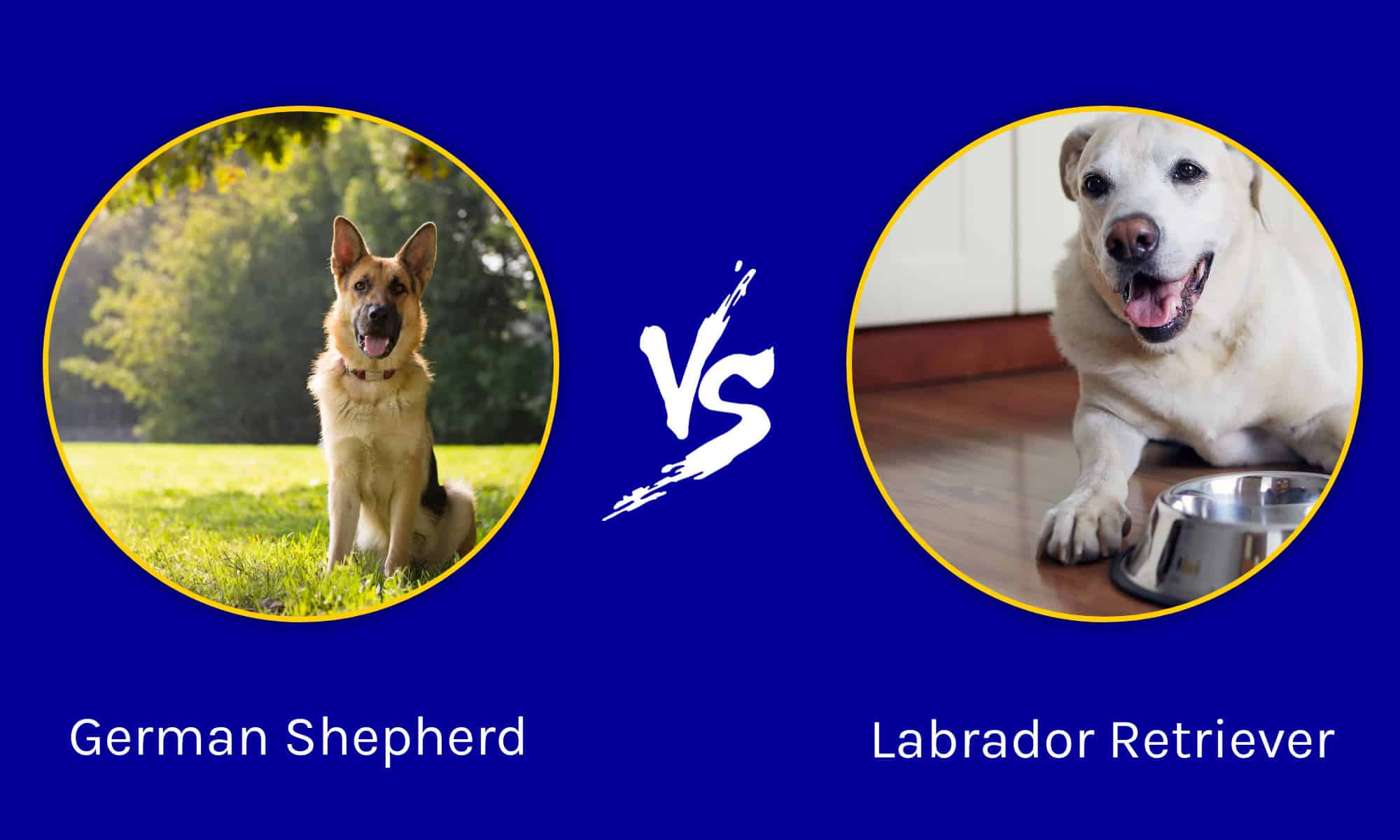

Getting a dog can be a fun and rewarding experience. Canines, depending on the breed, can help protect a home, bring therapy to those with disabilities, and provide a loving relationship to just about anyone they come in contact with. Two of the most popular breeds are Labrador retrievers and German shepherds.
Speaking of, there are so many breeds to consider. It’s essential to do your research to ensure you’re getting a dog that will work with your lifestyle. Owning a pet is a lot of work and not all require the same amount of care and concern.

Labs come in shades of yellow, brown, and black.
©dikkenss/Shutterstock.com
Have you been considering a German shepherd or a Labrador retriever? If so, we’ve done the research for you. Take a look at our detailed comparison below to find out which precious pooch is right for you!
German Shepherd vs. Labrador Retriever: A Comparison
| Traits | Labrador Retriever | German Shepherd |
|---|---|---|
| Height | 22 – 24 inches | 22 – 26 inches |
| Weight | 55 to 80 lbs. | 60 to 77 lbs. |
| Coat type | Double-coat | Fuzzy, Heavy Shed |
| Colors | Yellow, brown, black | Silver, Tan, Red, Black |
| Temperament | Friendly, Outgoing, High-spirited | Alert, Obedient, Intelligent, Loyal |
| Social Needs | Very High | Average |
| Life Expectancy | 10 to 12 years | 10 to 13 Years |
| Health Problems | Arthritis, Hip Dysplasia, Hypothyroidism | Blindness, Bloat, Paralysis, Lupus |
Key Differences Between Labrador Retrievers and German Shepherds
As you can tell in the chart above, there are many similarities between these two breeds. They are both loyal, high-energy pups that have about the same life expectancy. That being said, there are plenty of differences between Labrador retrievers and German shepherds.
Appearance

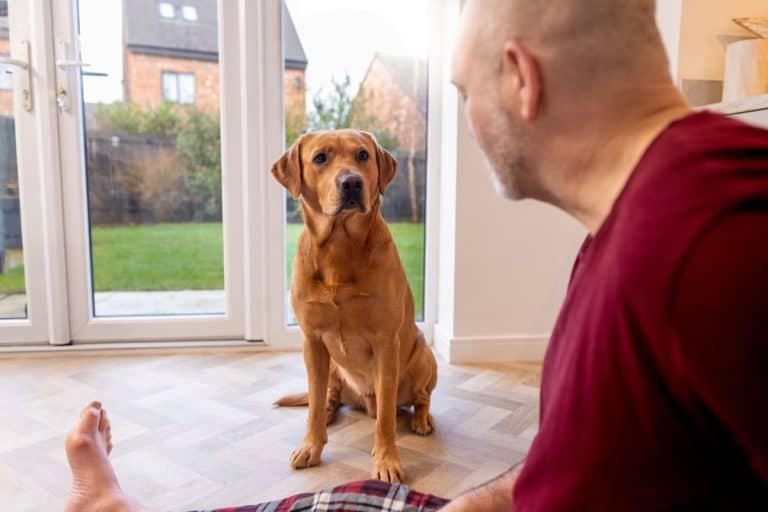
Part of owning a Labrador is brushing its coat several times a week.
©iStock.com/Oskari Porkka
Height
Labrador retrievers tend to be between 22 and 24 inches tall from paw to shoulder. German shepherds fair a bit taller with ranges falling between 22 and 26 inches.
Weight
Both of these breeds are fairly large dogs. Labs can reach a maximum weight of 80 pounds, whereas shepherds fall just below that at 77 pounds. Weight is usually dependent on the sex of the dog.
Coat
Labrador retrievers have a soft, double coat. The top coat is a bit wiry and tends to be short. German shepherds can have short hair as well, tending to have longer hair near the tips of their ears. Other shepherds can have quite long hair that sheds a lot. The coats can highly differ depending on if it’s purebred or mutt.
Characteristics
Social Needs
Labradors are the perfect dog for new owners since they are playful, smart, and have a kind disposition. Because of their caring and loving disposition, they make wonderful companions and service dogs.
Labrador retrievers are affectionate, rewarding, and energetic dogs that enjoy additional attention and play. They can easily handle the stress of modern life since they are vivacious and generally calm.
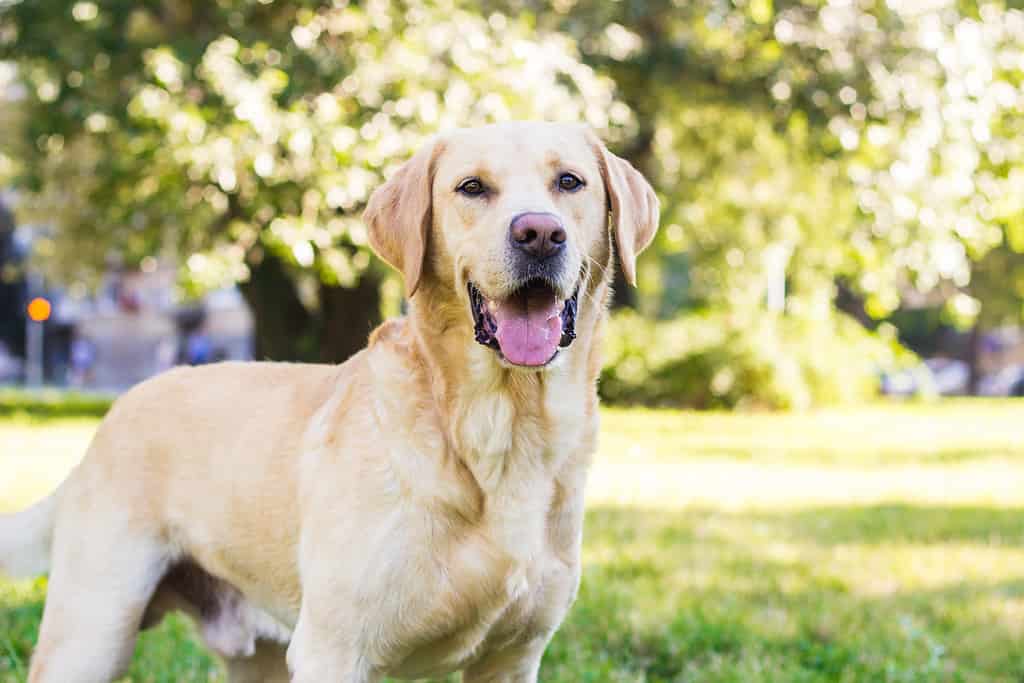
American Labrador retrievers have slimmer faces than their English counterparts.
©sanjagrujic/Shutterstock.com
Labrador retrievers get along well with both single owners and families, as well as with kids and other animals. Although German shepherds are not inherently aggressive, they can be wary of strangers at first because of their protective nature. They are reputed to be reserved but amiable.
German shepherds are known for their loud barks, but with the right socialization, this characteristic can be lessened. They typically get along well with people and other pets, but if this breed is left alone for an extended period of time or doesn’t receive enough exercise, behavioral issues like aggression may develop.
German shepherds can have separation anxiety but normally enjoys being with their family.
Personality
Labrador retrievers have an enviable track record for being one of the most loving breeds. They are sociable to human beings and other pets, social, and ready to please.
Labs are easy to train since they are smart, willing to learn, and have an air of achievement. They have a lot of energy. This breed can vary in their amount of activity needed; some are rowdy and others are more subdued. Labradors are active since they have a working history.
This breed requires mental and physical activities to remain happy. The level of activity among Labrador dogs varies; some are raucous, while others are more peaceful. All benefit from the activity.
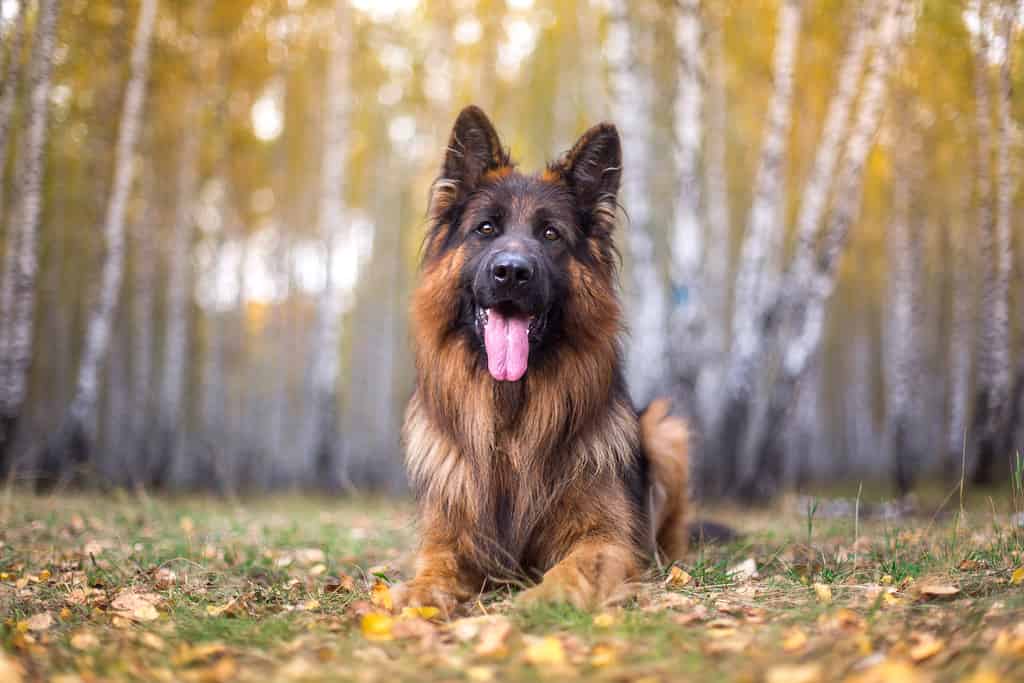
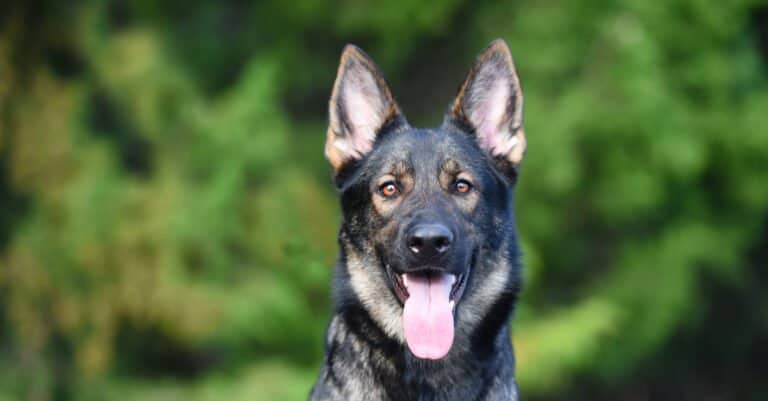
German shepherds are friendly toward their chosen people.
©Korneeva Kristina/Shutterstock.com
A German shepherd’s demeanor is reserved but not often antagonistic. They are reserved dogs that take time to develop bonds with people, but when they finally do, they are fervently loyal. When with their family, they are relaxed and friendly but may turn aggressive and protective if they sense danger, which makes them good watchdogs.
This exceptionally sharp and teachable breed delights in having a task to do, whatever it may be. They have trouble staying alone for a prolonged amount of time. Without the company they need, exercise, and the chance to use their intellect, they grow bored and irritable.
German shepherds are more inclined to express the stored energy through undesired behaviors like barking and biting if they are ignored by their human family and given little physical activity.
Health Factors
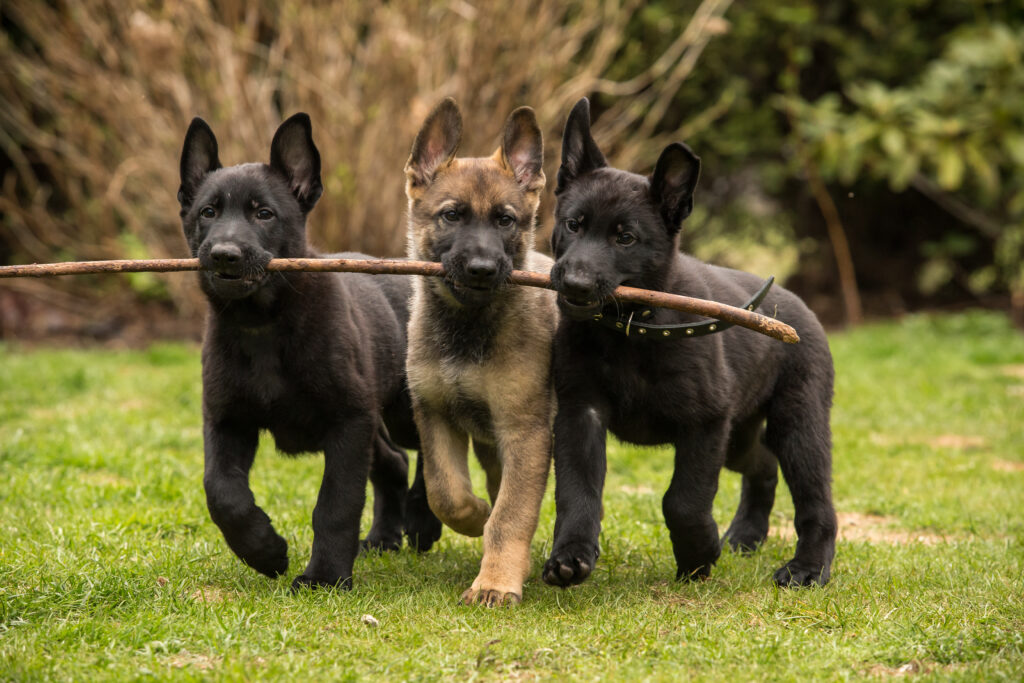
Healthy German shepherds require plenty of socializing and exercise.
©DTeibe Photography/Shutterstock.com
Life Expectancy
Both of these dog breeds have similar life expectancy rates. Taking your pooch to the vet regularly, and providing them with high-quality food, a safe home, and plenty of exercise can help give them a great life.
Labrador retrievers tend to live between 10 and 12 years, whereas German shepherds live between 10 and 13 years.
Health Issues
Although German shepherds usually stay in excellent shape, they are like all breeds and are prone to some health problems. It’s important to be conscious of them if you’re considering obtaining a German shepherd.

Taking your dog to the vet is essential for its overall health.
©didesign021/Shutterstock.com
A genetic disorder known as hip dysplasia causes the femur to not fit tightly inside the pelvic socket of the hip joint. Medical symptoms of hip dysplasia may or may not be present. Some dogs have stiff and lame back legs. Elbow dysplasia can also occur in German shepherds.
Large dog breeds like German shepherds are particularly susceptible to Gastric Dilatation-Volvulus. This is a life-threatening disease, which is also known as bloat, if they are served one large meal a day, eat quickly, drink a lot of water afterward, and then engage in strenuous activity.
Degenerative myelopathy is another problem this breed faces. Degenerative myelopathy is a degenerative condition that affects the spinal cord, more specifically the area that transmits data to the brain about the rear legs. Dogs with DM display behaviors that lead many to believe the pup is unable to use its back legs.
Although Labrador retrievers are typically in good health, they are susceptible to some health issues like all breeds. Like shepherds, they are prone to hip and elbow dysplasia. Additionally, labs can suffer from cataracts.

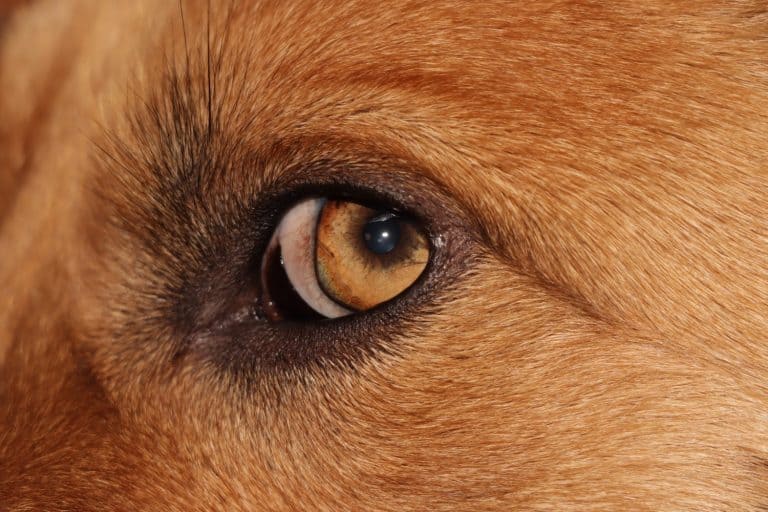
Sometimes, cataracts can affect a single eye.
©Rkakoka/Shutterstock.com
Canine cataracts are defined by foggy areas on the eye lens that may enlarge over time, just like in humans. They can appear at any age and, while occasionally leading to serious vision loss, they frequently do not affect vision.
Osteochondrosis Dissecans is another potential health condition this breed may have. The elbows are frequently affected by this orthopedic condition, which is caused by aberrant cartilage development in the joints, but other joints have also seen similar issues. The dog’s elbow stiffens in discomfort to the point of becoming immobile.
Final Thoughts
Both Labrador retrievers and German shepherds are incredible dog breeds. They are kind, protective, energetic, and loving. Both breeds would be great in any type of household, whether it’s just you or a large family.
If you travel a lot or work long hours, you may want to opt for a Labrador over a shepherd due to separation anxiety. If you’re looking for a dog specifically for protection or work, a German shepherd may be preferred.
Make sure you have plenty of room for these larger dogs to play and they’ll give you all the love in return.