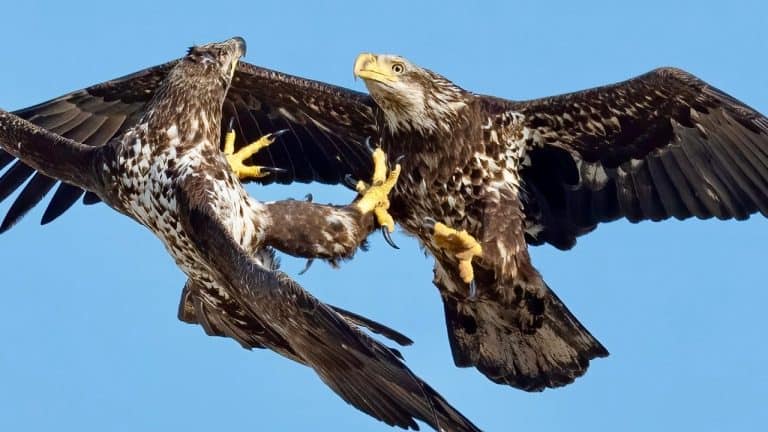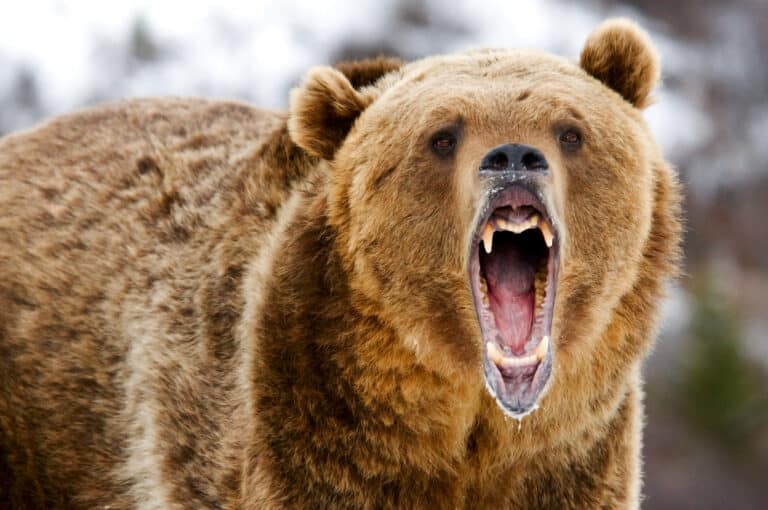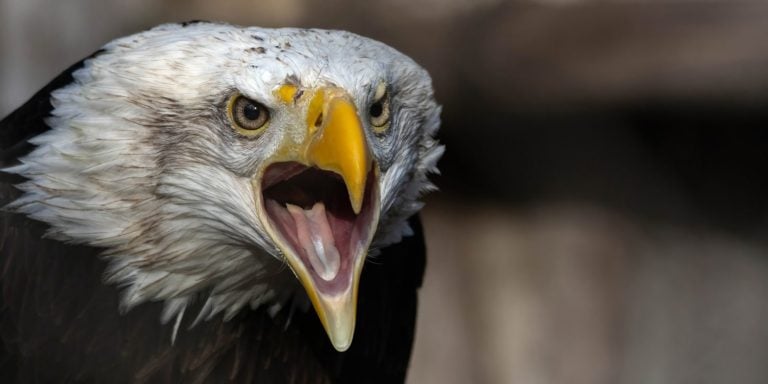

When it comes to nature’s pecking order, the strongest animals usually get to eat first. The powerful golden eagle, with its razor-sharp talons, usually dominates at the front of the line. But what happens when a group of colossal California condors shows up? As seen in this YouTube video, even the most impressive predator must occasionally step aside for a determined crowd.
Clash of the Feathered Titans

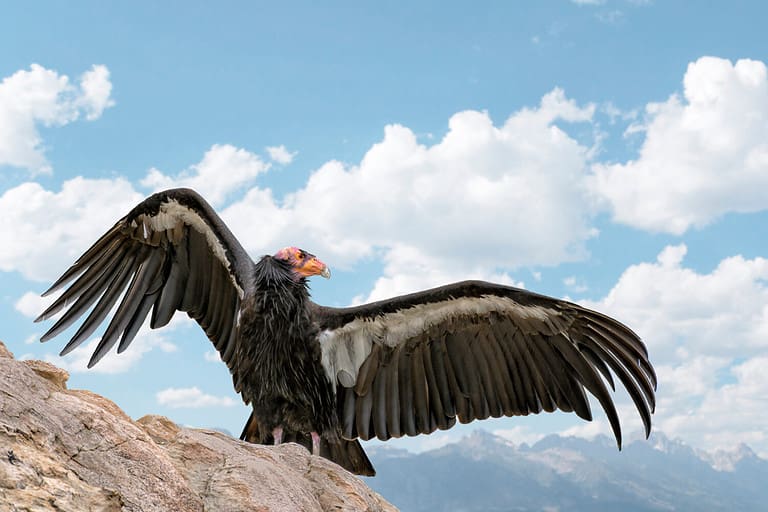
California condors are nearly twice the size of a golden eagle.
©YouTube/The Wildlife Society – Original
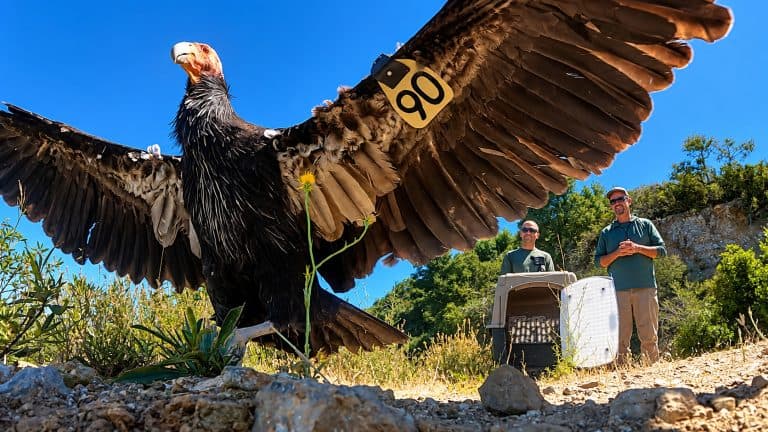
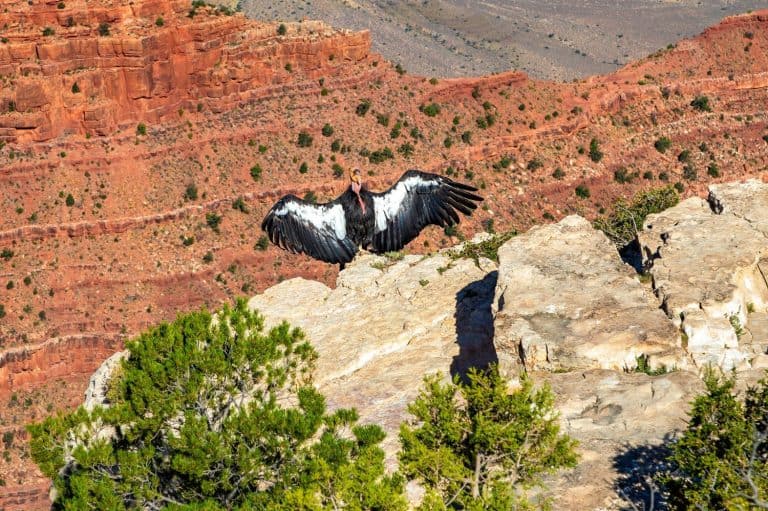
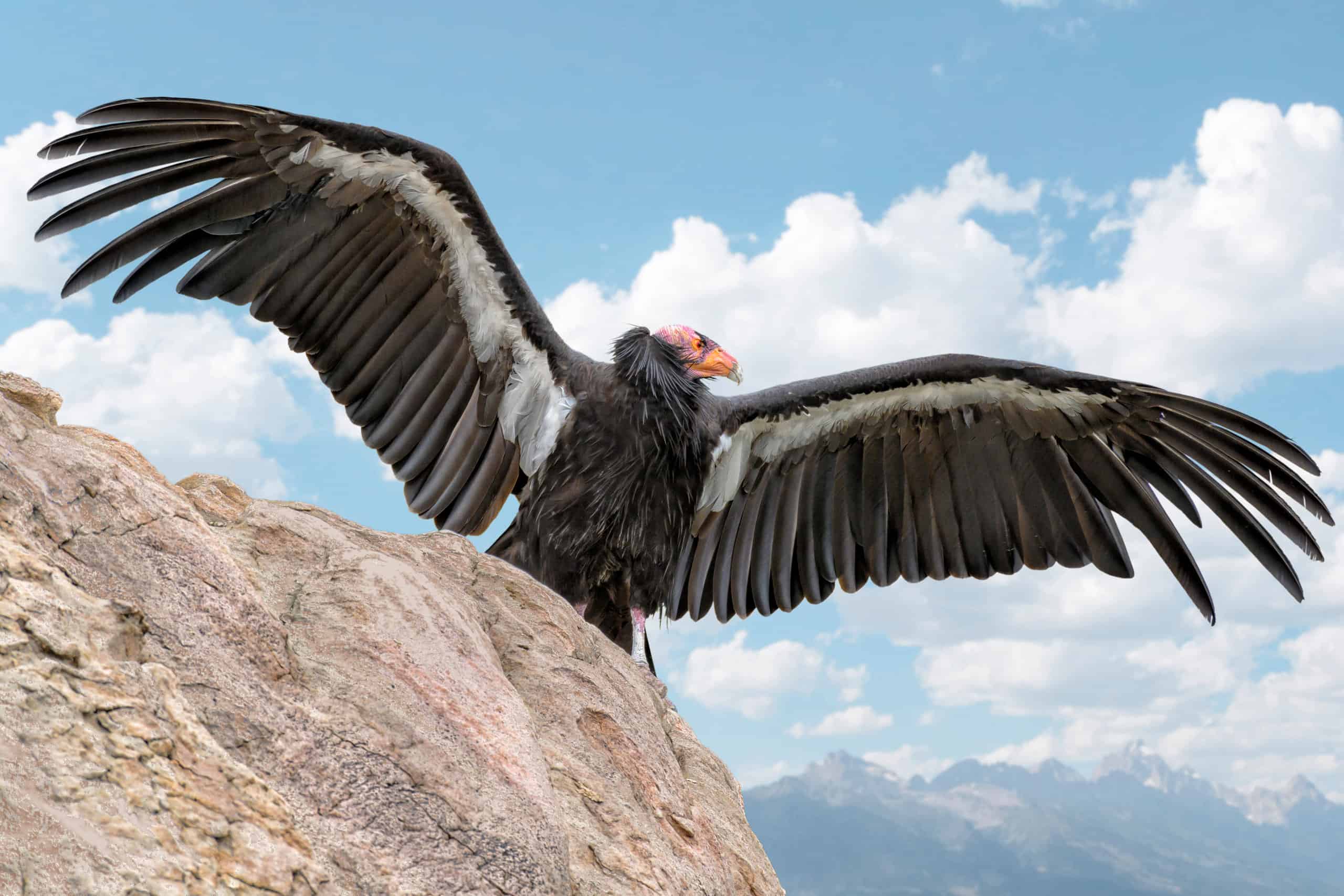
The California condor is the largest land bird in North America. Its impressive wingspan is 9.5 feet across, and it can weigh up to 25 pounds. Once widespread across the United States, Canada, and Mexico, the population of these enormous birds plummeted to just 23 individuals by 1982. To save the species, these last remaining condors were brought into protected areas and captive breeding programs in 1987. Thanks to these efforts, the U.S. Fish and Wildlife Service began reintroducing captive-bred condors into the wild in 1992. The recovery program is ongoing, but the California condor is still classified as Critically Endangered by the IUCN Red List as of 2025.
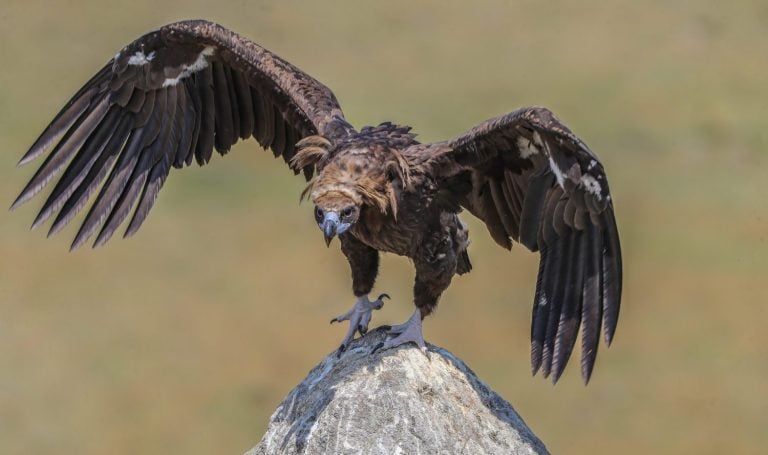
In contrast, the golden eagle is a smaller, yet formidable, raptor. Weighing 7 to 14 pounds with a wingspan of 6 to 7 feet, these birds are still the largest eagles in North America and are often considered the most powerful. Golden eagles are assertive hunters that prefer live prey, typically hunting small to medium-sized animals like marmots and rabbits. On occasion, they may take down animals as large as deer, and they will sometimes consume carrion (dead meat).
Golden eagles are highly territorial. They often use intimidating displays, such as undulating flight patterns, to warn off trespassers. California condors have their own defensive behaviors, especially when protecting a carcass or their chicks. These birds will spread their wings, extend their heads and necks, and either hiss or snap their beaks.
A Scavenger Showdown

California condors are social birds that form strong bonds with one another.
©YouTube/The Wildlife Society – Original
When a California condor arrives at a carcass, it usually takes charge — that is, unless a golden eagle decides it wants in on the meal. Although not as large as the condor, the golden eagle is an assertive and often aggressive hunter. Its sharp, powerful talons and beak are perfectly designed for tearing flesh. California condors, on the other hand, have more rounded talons and beaks that are adapted for tearing skin and eating carrion.
However, if a carcass is near a California condor’s nest, the condors won’t back down easily. They are fiercely protective of their nests and will do almost anything to keep eagles away. Occasionally, as seen in the YouTube video, California condors may even gang up and bully an eagle off a carcass, especially since eagles generally hunt alone. In contrast, condors often gather together at feeding sites.
Nature’s Clean-Up Crew

The greatest threat to California condors is lead poisoning, caused by carcasses shot with lead ammunition.
©YouTube/The Wildlife Society – Original
California condors can go a week or two without food, which is very useful in their role as nature’s clean-up crew. While scavengers often get a bad rap, they are crucial for the survival and health of all living things, including us.
In fact, studies show that scavengers like condors are becoming even more important near urban settlements like cities. They quickly get rid of dead animals and carcasses, which helps keep these areas clean and stops diseases from spreading or polluting the environment. By helping to speed up decomposition, scavengers recycle nutrients and energy, keeping our ecosystems healthy and balanced.