
Quick Take
- A condor can launch from a cliff without a single wingbeat, and the invisible force making it possible is stranger than you'd expect. See how condors soar →
- The condor in this clip is far from just any bird. She has a name, a number, and a reputation at Big Sur. Meet Jade the condor →
- That iconic bald head is not just a quirk. It turns out to be a surprisingly practical adaptation tied to one of the grossest parts of the condor's lifestyle. Discover their hygiene adaptations →
- Despite flying hundreds of miles to find food, condors actually spend most of their time doing something else entirely. Explore condor daily habits →
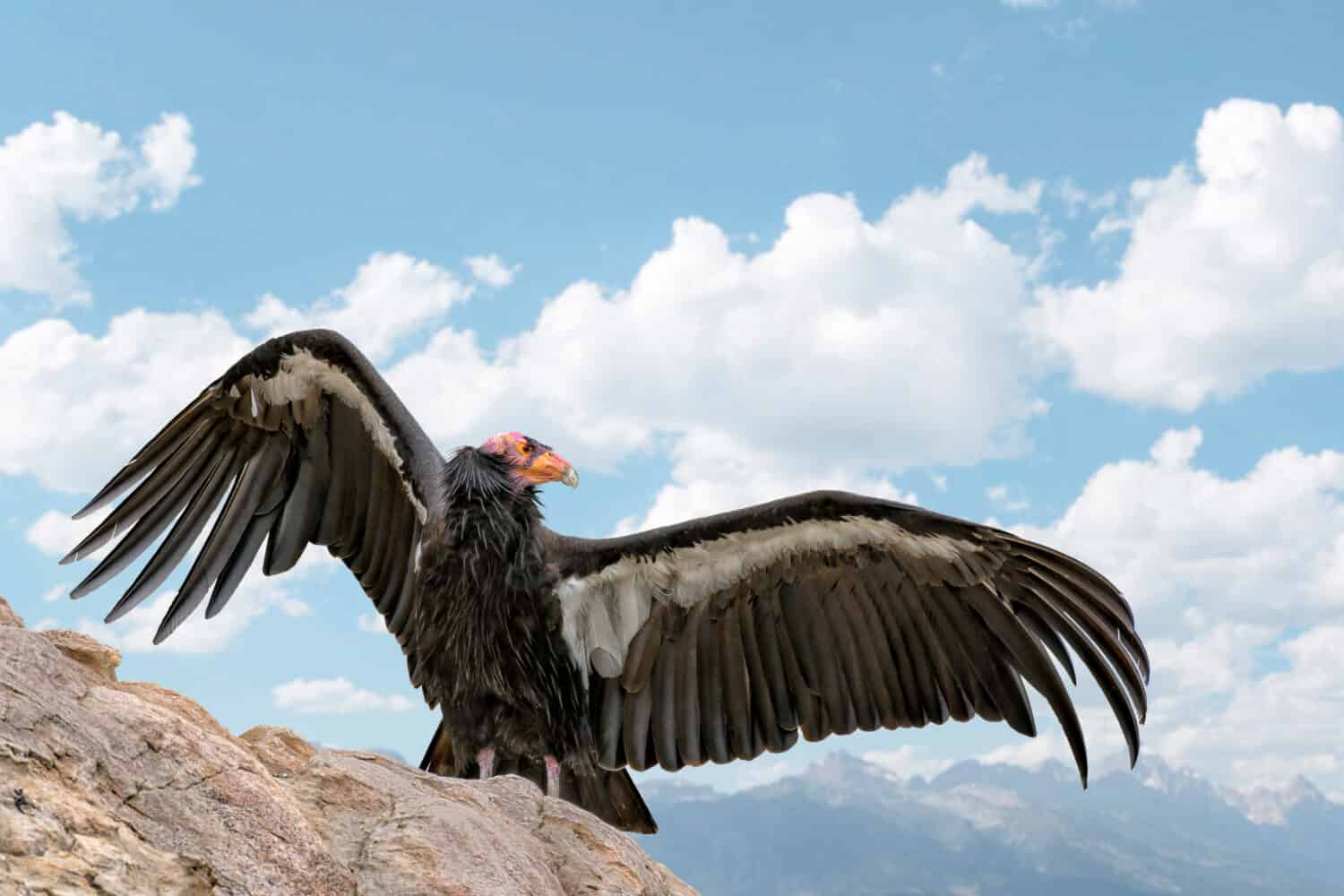
Filmed at Big Sur, California, this astonishing clip shows a huge condor taking flight from a high cliff without even flapping its wings! Thanks to a phenomenon called orographic uplift, the airflow is doing all the hard work, and all the condor has to do is hitch a ride. Orographic uplift is generated by slopes that deflect horizontal winds upwards. When a bird is close to the ridge, as this one is, it can take full advantage. Thermal uplifts can also help—as the air warms up, it expands and becomes less dense. It becomes more buoyant and rises up the slope, providing powerful uplift.
Where Do Condors Normally Live?
As you would expect with a name like the California condor, this bird is primarily found in California. In the past, they were found along the entire Pacific coast of North America, and fossil evidence suggests they ranged as far east as New York and Florida in ancient times. Now, they are an endangered species. This spectacular bird, which has the largest wingspan in North America, is limited to populations in California, Utah, Arizona, and Baja California, Mexico. The total population now exceeds 500 birds, with over 200 of those living in captivity as part of recovery programs.
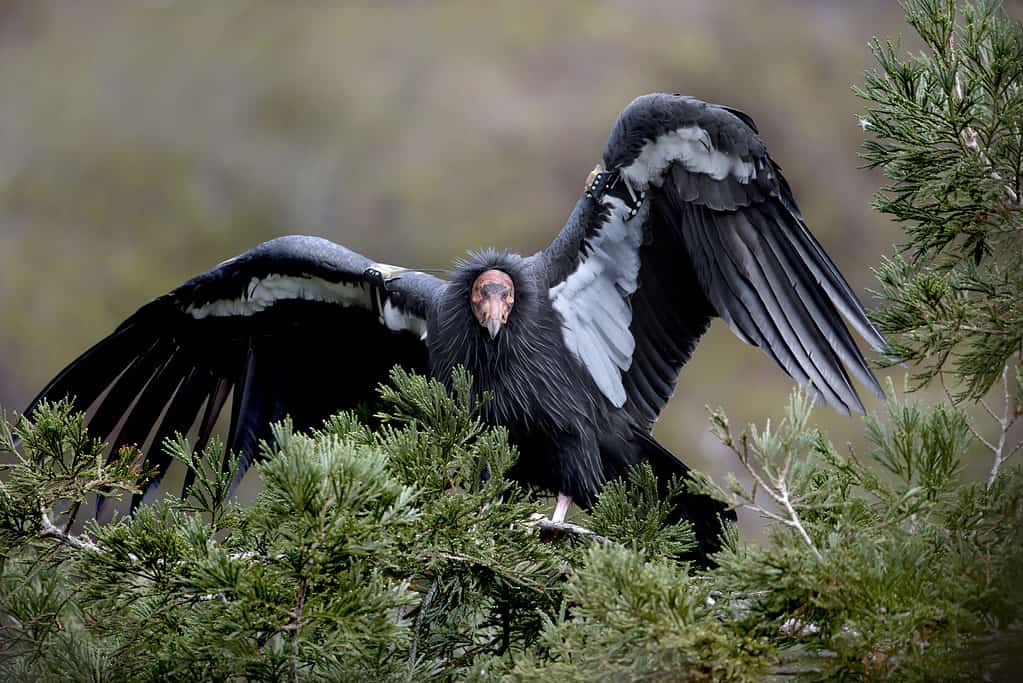
California Condor in Big Sur, CA
©pjsells/iStock via Getty Images
Where Can You Spot a California Condor?
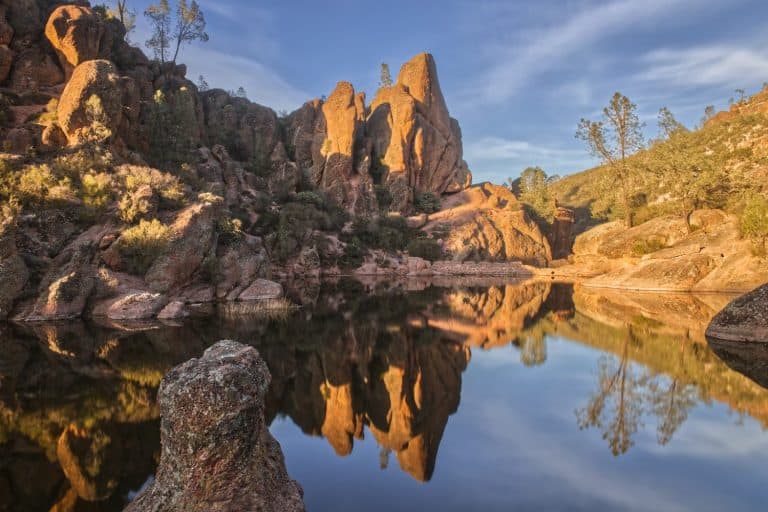
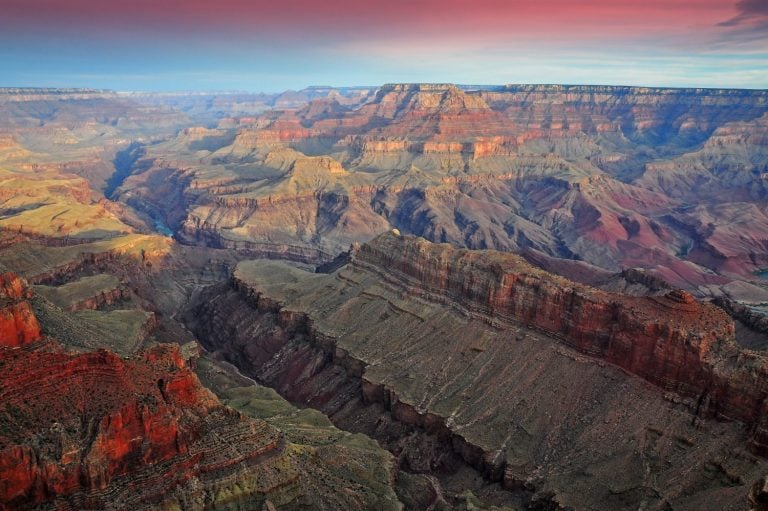
California condors currently occupy a restricted but recovering range. These birds nest in remote locations, so finding their nesting sites high on cliff faces is difficult. However, they travel widely to scavenge for carrion. Look out for them in central California around the Big Sur coast (as featured in this clip) or around Pinnacles National Park. They can also be seen in southern California, the mountains of Baja California, or around the Grand Canyon.
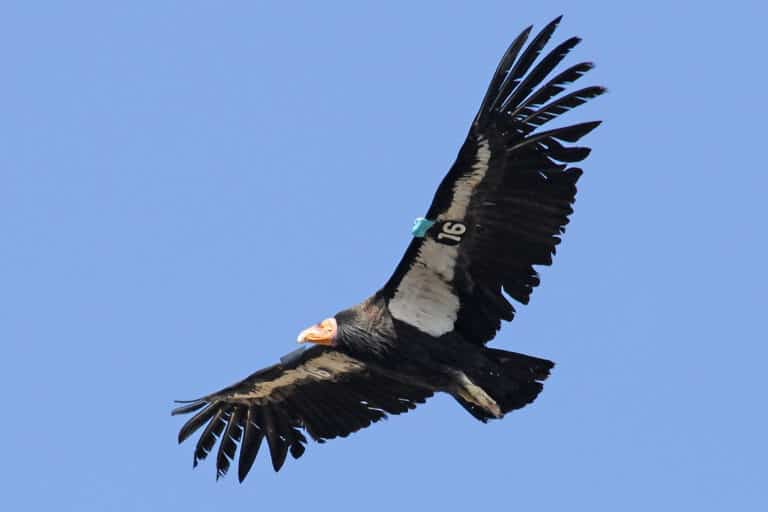
Given their size, these birds are quite distinctive, boasting a wingspan of over nine feet. You may confuse them with vultures, but condors fly with a steady glide and do not “teeter” like Turkey Vultures do. They have also been mistaken for hawks, eagles, and even small planes! Most condors have a large tag on their wing for tracking. The condor in this clip is a well-known Big Sur resident named Jade, identifiable by her tag, number 64.
How Do Condors Normally Behave?
Even though California condors travel long distances to find food, they often return to the same nesting and roosting sites. In fact, they spend more time roosting than flying! They also spend a significant amount of time preening their magnificent feathers to keep them well-arranged. Sometimes, they use water to remove food and dust. Dirty feathers are an occupational hazard for scavengers; if decaying material gets stuck to their plumage, they risk a nasty infection. Their iconic bald heads are also a hygiene adaptation, allowing them to feed on carcasses without matting feathers with bacteria.