
Quick Take
- A recent study revealed that the arrival of the deadly H5N1 ‘bird flu’ virus has reached Antarctica.
- Scientists believe it arrived via migratory Antarctic skuas that travel from South America, where a large outbreak devastated seal and sea lion populations in Argentina.
- So far, only kelp gulls and skuas have been found to have died due to the virus.
- Scientists caution that additional surveillance and monitoring are required to control the outbreak.
Scientists recently confirmed that a variation of the avian influenza virus is responsible for sea bird deaths in Antarctica. Researchers from Erasmus MC in the Netherlands and the University of California-Davis recently published their findings in the journal Scientific Reports. This marks the first time “bird flu” has been proven to be the cause of a mass wildlife die-off in Antarctica.
What Happened in Antarctica?
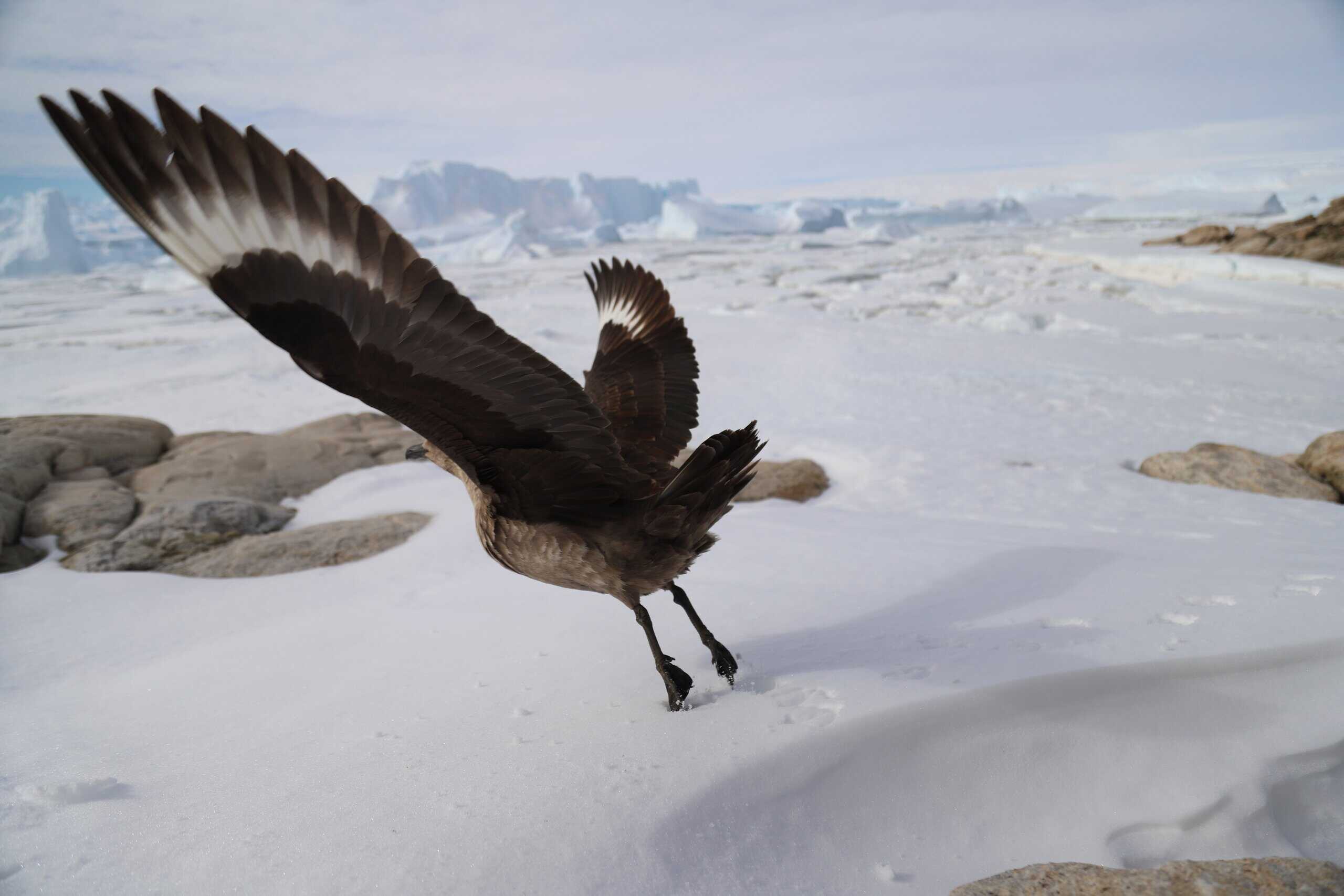
In March 2024, the HPAI Australis Expedition research team visited Antarctica shortly after the breeding season for penguins and skuas. Skuas are a much larger version of a regular gull, with a broader wingspan and hooked beaks. They’re also known as “pirate birds” as they feed by stealing food from other birds. They also scavenge for their food, functioning as a clean-up crew for carcasses in the region. Arctic skuas live primarily in polar and subpolar regions.
During their expedition, the research team visited 10 different wildlife sites, including areas in the South Shetland Islands, the northern Weddell Sea, and the Antarctic Peninsula. The team collected more than 50 dead skuas from three primary locations: Hope Bay, Devil Island, and Beak Island. They found the majority of the deceased skuas on Beak Island.
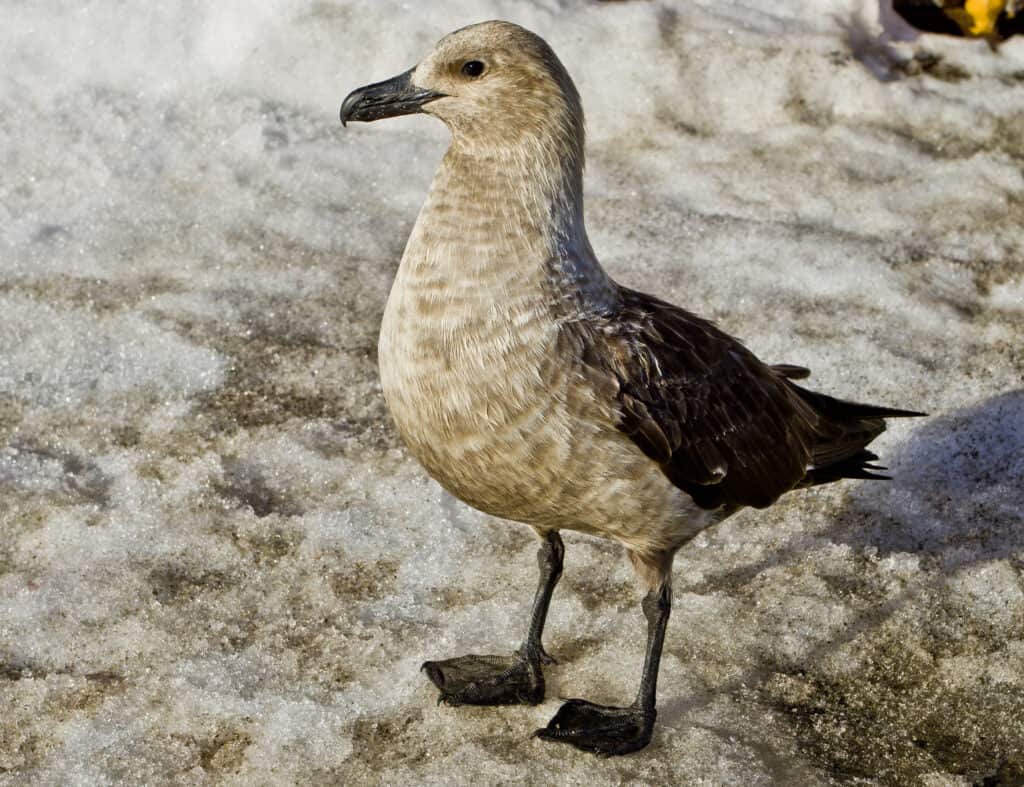
Antarctic skuas have been hardest hit by the H5N1 avian influenza virus.
©Sergey 402/Shutterstock.com
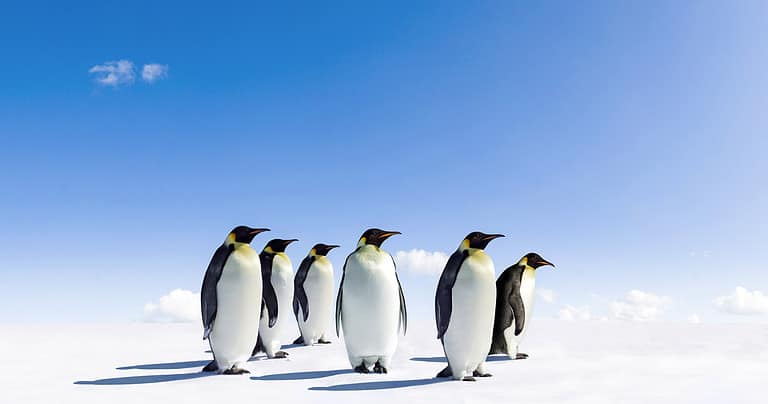
As they encountered sick or deceased wildlife, the scientists collected tissue and environmental samples. They also performed necropsies on the deceased wildlife to determine the cause of death. The species included skuas, gentoo penguins, Adélie penguins, kelp gulls, and Antarctic fur seals.
The H5N1 virus was determined to be the cause of death in a kelp gull and nearly all the skuas they collected. Study author Matteo Iervolino, a Ph.D. candidate at Erasmus MC in Rotterdam, said to SciTechDaily, “We diagnosed highly pathogenic avian influenza as the cause of death for nearly all of the dead skuas we found at Beak Island. There, I could really see with my eyes the impact this virus can have on these populations.”
What Is H5N1?
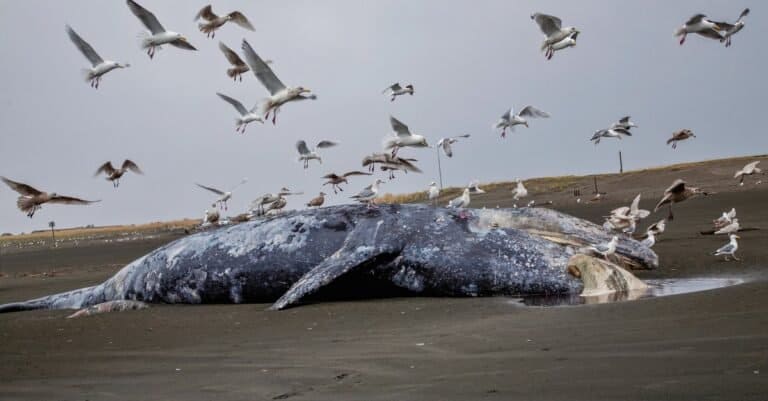
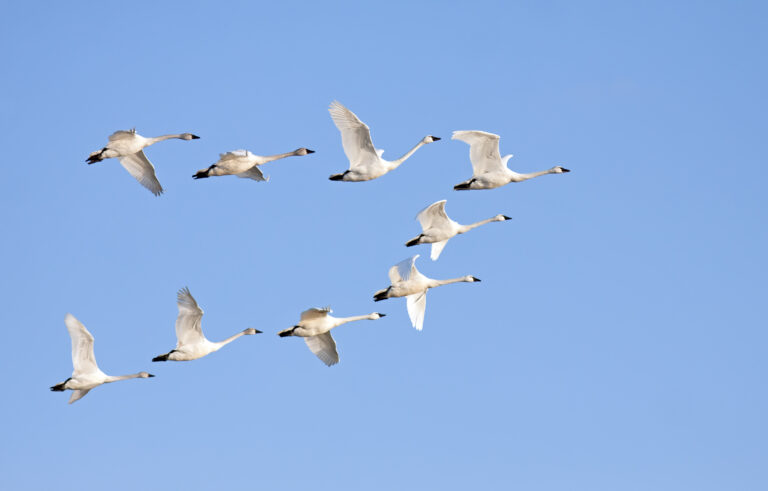
H5N1 is a highly contagious subtype of the Influenza A virus. It’s more commonly referred to as the ‘bird flu’ and is often fatal once a bird is infected. It has been detected in birds around the world, including Asia, Africa, Europe, and North and South America.
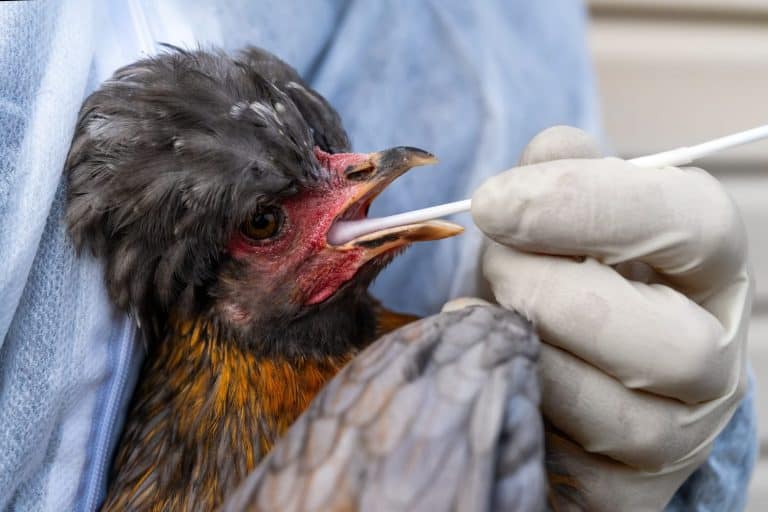
The virus attacks the brain of the infected bird, causing severe neurological symptoms. Infected birds may have twisted necks and abnormally stretched bodies, walk or swim in circles, run into other birds or objects, and even fall from the air.

Domestic geese on a farm in China were the first to be infected with H5N1. The virus has since spread around the world to poultry, wild bird populations, and other species.
©Flagman_1/Shutterstock.com
The virus was first discovered in 1996 on a domestic goose farm in Southeast China. It was not contained at the time and has been causing outbreaks in both domestic and wild birds ever since. According to the World Health Organization, the virus has caused an unprecedented number of deaths in poultry and wildlife around the world. It can also infect humans. To date, nearly one-half of the approximately 1,000 people infected with the virus have died. Until the release of this most recent study, Antarctica’s bird populations were not considered to be at risk for the H5N1 virus.
How Did H5N1 Get to Antarctica?
While researchers cannot pinpoint the exact timing of H5N1’s arrival on Antarctica, they do know that as of 2024, the virus is present and significantly impacting skua populations. Scientists believe the arrival was due to the migratory patterns of the birds between South America and Antarctica.
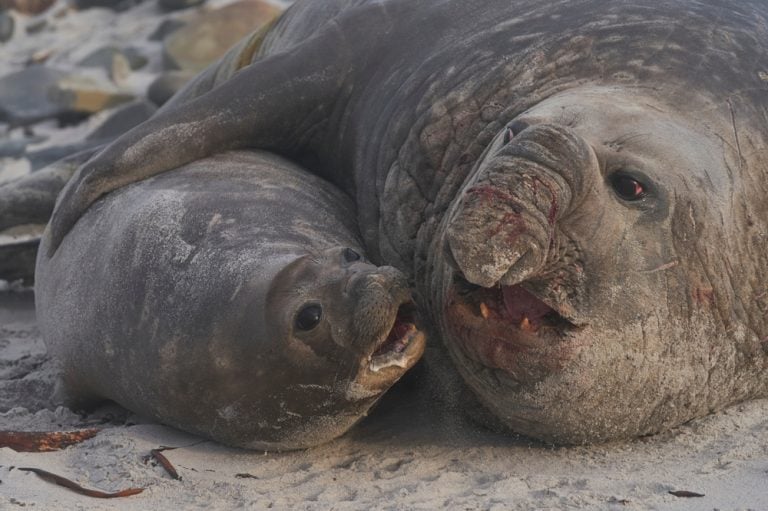
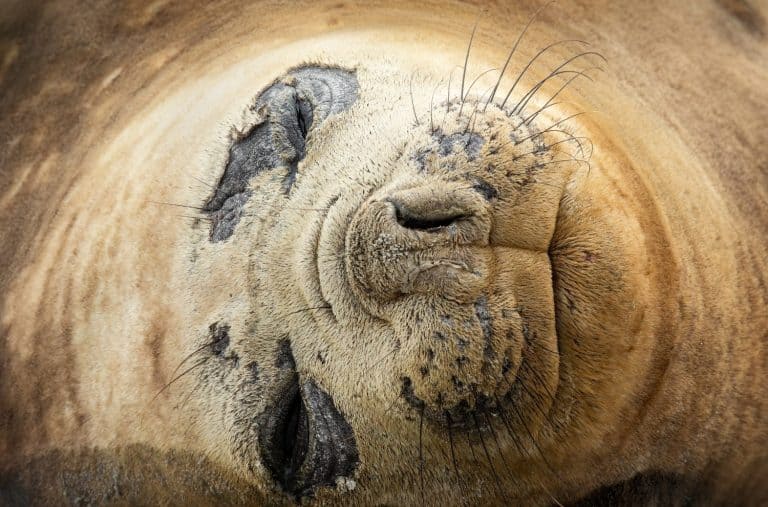
Using the samples collected during the expedition, whole-genome sequencing was performed. The test results revealed that the Antarctic strains are most closely related to H5N1 viruses circulating in South America, especially in Peru, Chile, and Argentina. Since 2022, the H5N1 virus has been responsible for the mass die-off of thousands of marine mammals in South America, including elephant seals and sea lions in Argentina.
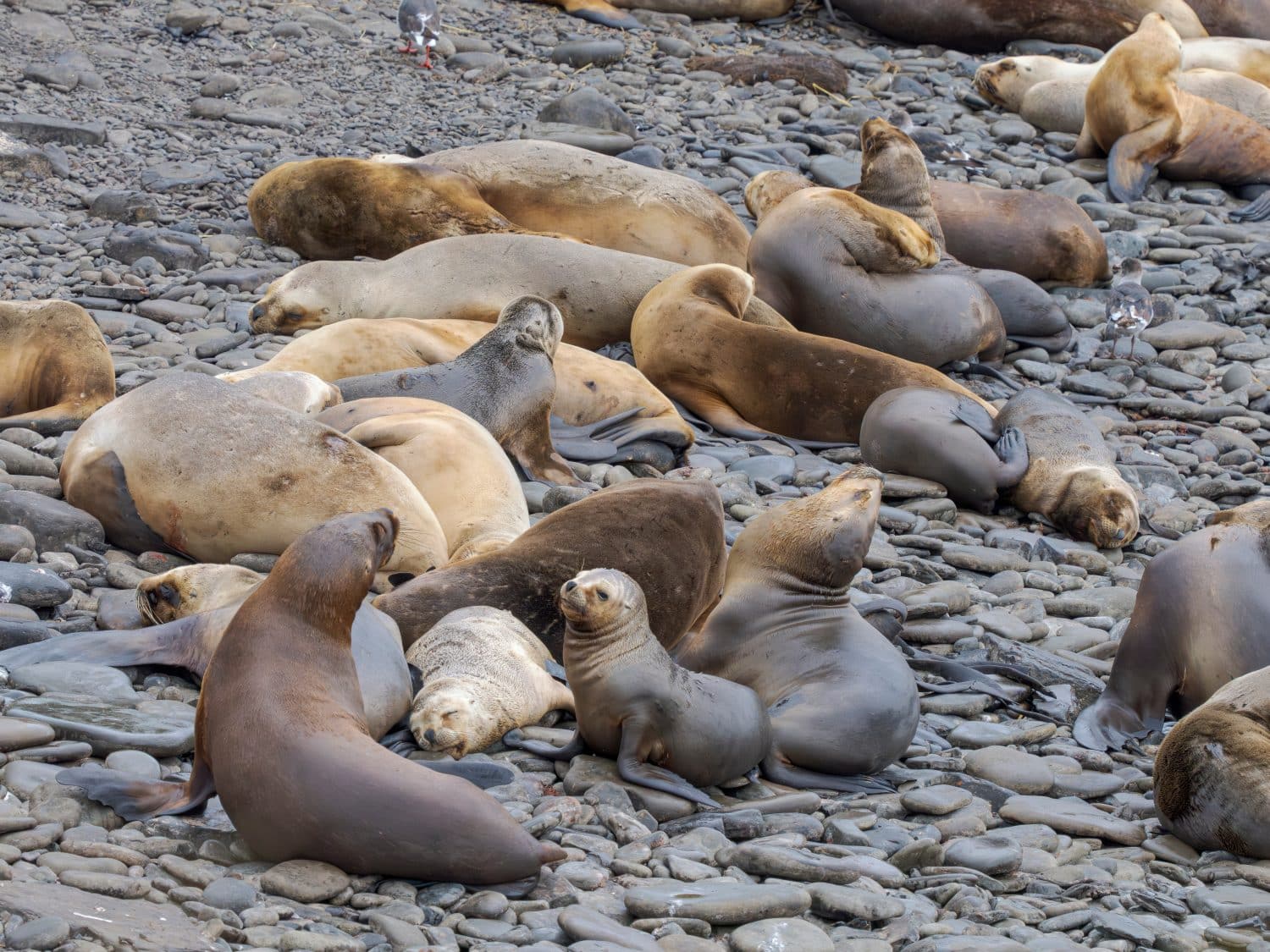
South American sea lion populations have been greatly impacted by the H5N1 virus.
©Danita Delimont/Shutterstock.com
According to researchers in the most recent study, the scavenging habits of skuas elevate the risk of them becoming infected with the H5N1 virus. The infected birds then bring the virus with them when they migrate from South America to Antarctica.
What Happens Next?
Researchers point out that the strain affecting the skuas is the same one that led to the mass die-off of seals and sea lions in Argentina. While the dead Antarctic penguins and fur seals examined in 2024 showed no signs of the virus, that may not always be the case, according to researchers.
“We let the virus slip through our fingers when it first emerged in the poultry industry,” study author Thijs Kuiken, a professor at Erasmus MC, said in a news release. “Once it got into wild bird populations, we lost the ability to control the virus.”
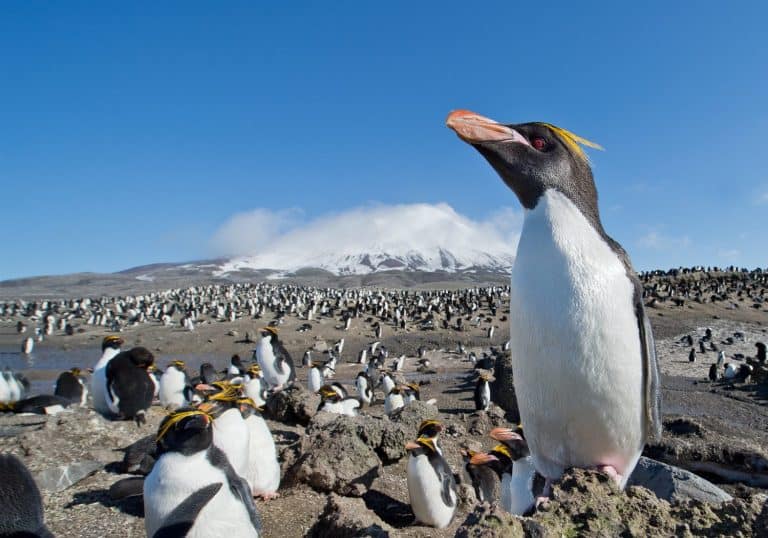
The presence of the virus in Antarctica adds additional stress to an already strained ecosystem. Climate change, growing tourism, overfishing, pollution, and invasive species already threaten the fragile balance of the Earth’s most remote continents.
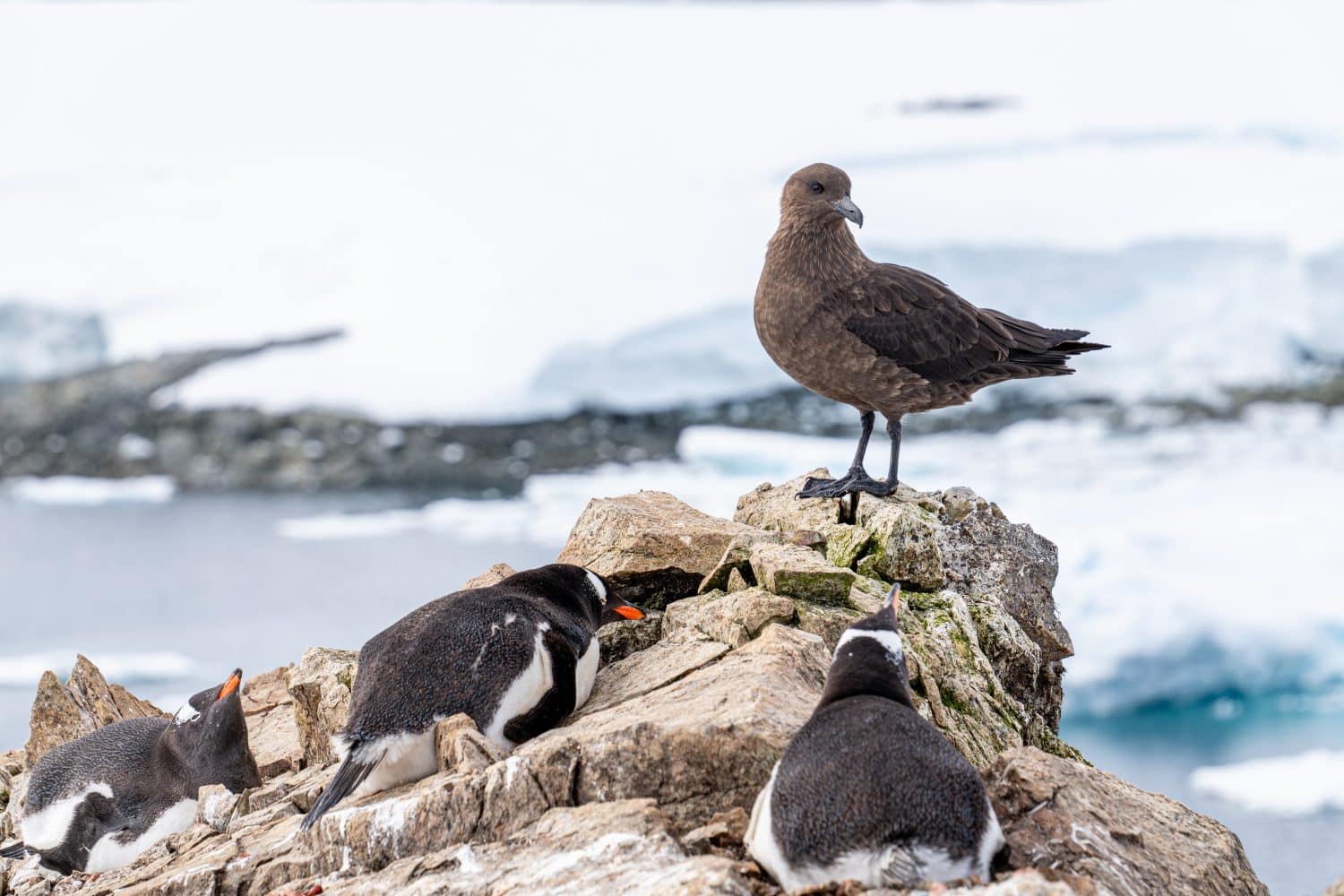
Researchers say more surveillance and monitoring are needed in Antarctica to mitigate the threat of H5N1.
©Oleksandr Matsibura/Shutterstock.com
One challenge is the lack of current skua population data. The last census of Antarctic skuas happened in the 1980s, when 800 breeding pairs were estimated to live there. This makes it difficult to gauge whether the loss of 50 birds to the virus in 2024 is statistically significant.
Researchers call for stronger surveillance and monitoring of Antarctic wildlife populations to help reduce the further spread of the virus. “Everything points toward this virus spreading further. If nobody is watching, we won’t know what is happening,” Kuiken said in the release.