
Quick Take
- Your skin bacteria may be silently broadcasting a dinner invitation to every mosquito in range, and there is almost nothing you can do about it. See the skin bacteria evidence →
- The dietary 'repellents' millions of people swear by have a real scientific verdict, and it probably isn't what you expect. Check the dietary verdict →
- Being a mosquito magnet may be hardwired into your DNA, a discovery that is changing how scientists think about stopping malaria. Explore the genetic findings →
- Mosquitoes don't just smell you. They decode a synergistic chemical signal your body broadcasts, and certain life conditions can turn up the volume. See what amplifies your signal →
Are you one of those people who get covered in mosquito bites while your friend’s skin remains totally unblemished? Some people seem to attract mosquitoes, while others are ignored, but scientists have only recently begun to understand why. Read on to get the surprisingly complex details of why mosquitoes single you out in the crowd.
What Exactly Is a Mosquito Bite?
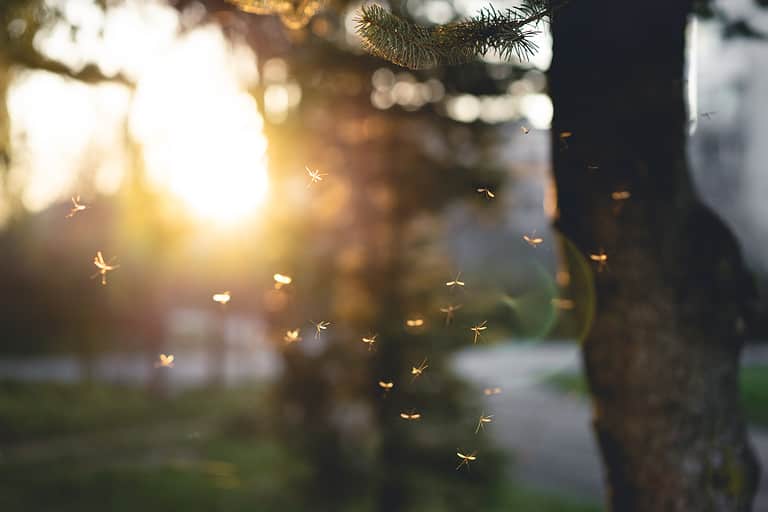
Mosquitoes are a common flying insect found in most parts of the world. There are around 3,700 different mosquito species, and they live for only 2 to 4 weeks. Most of us have experienced mosquito bites at least once in our lives. It’s common for these bites to cause itching and swelling, but some people react more strongly than others.
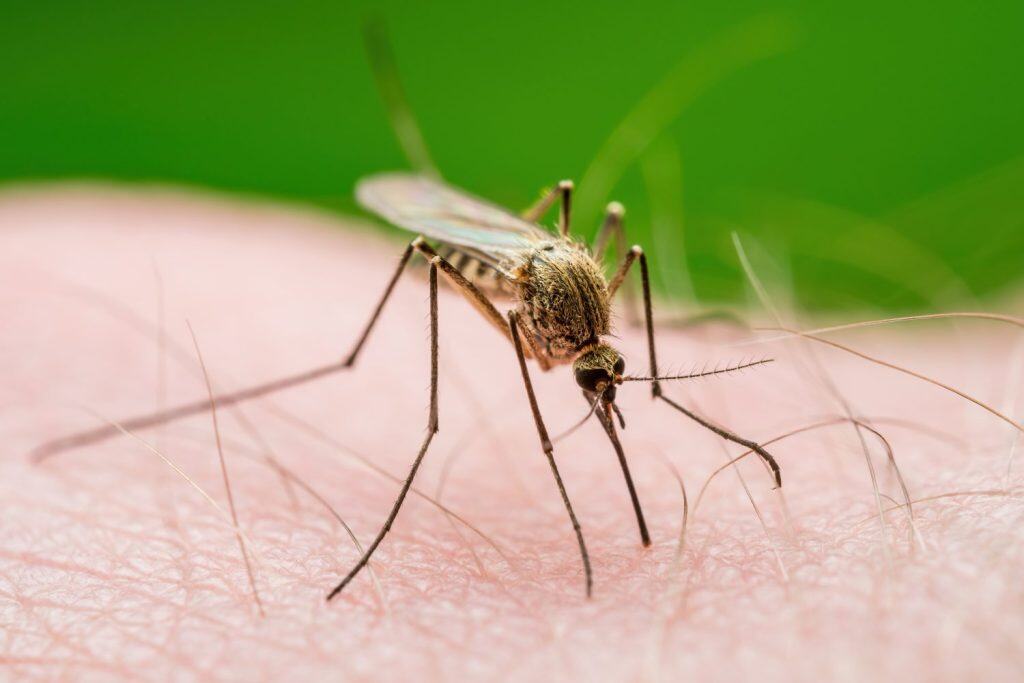
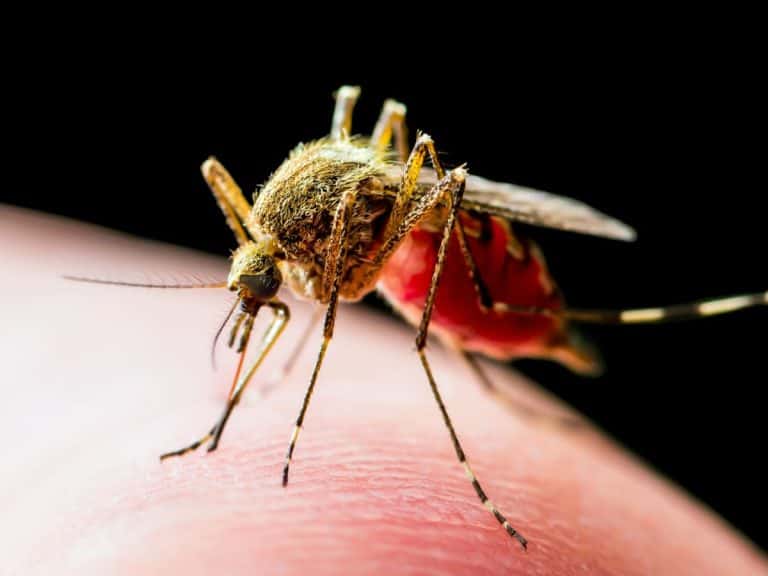
Female mosquitoes need blood to develop eggs.
©nechaevkon/Shutterstock.com
Only female mosquitoes bite us. Both sexes feed on fruit and plant nectar, but the females need protein from blood to help their eggs develop. The ‘bite’ occurs when she pierces our skin with her proboscis (sucking mouthpart), reaches a blood vessel, and sucks out the blood. Male mosquitoes also have a proboscis, but it is not strong enough to pierce human skin. After feeding on blood, the female mosquito rests for a few days before laying her eggs.
Mosquito Attraction to Humans
To find her food source, the mosquito uses humidity and heat detection, as well as visual and olfactory (chemical) signals. Humans give off carbon dioxide, lactic acid, acetone, and ammonia, which she can detect. Humans release much more lactic acid from their skin than other vertebrates. However, it is likely that many other volatile compounds given off by humans also attract mosquitoes. The mosquito species that prefer to feed on humans (anthropophilic mosquitoes) can distinguish human-derived signals from those emitted by other animals. These are called “kairomones,” and they have a synergistic effect, meaning they are more attractive to mosquitoes when combined. Mosquitoes detect kairomones through sensory (olfactory) receptors found in their antennae, labellum, and maxillary palps.
Science Confirms What You Thought About Mosquitoes
It’s not your imagination. Mosquitoes really are more attracted to some people than others. Multiple experiments have confirmed variation in human attractiveness to mosquitoes. Importantly, this attractiveness is stable over time, suggesting that it is something about the characteristics of an individual that makes them more likely to be bitten.
Most humans produce the same type of volatile compounds, but some produce more than others. The amount of lactic acid produced by humans is quite variable. This can be partly explained by differences in eccrine gland density, metabolic rate, and skin pH. Levels of carbon dioxide emitted by an individual will depend on metabolic rate, body mass, and respiratory activity. Additionally, the release of ammonia and other carboxylic acids will also vary according to metabolic rates and other individual characteristics.
Other factors, such as the distance between the human and the mosquito, as well as atmospheric and environmental conditions that affect how mosquito attractants disperse, also play a role. Furthermore, glandular alterations and skin microbial composition affect how attractants are released.
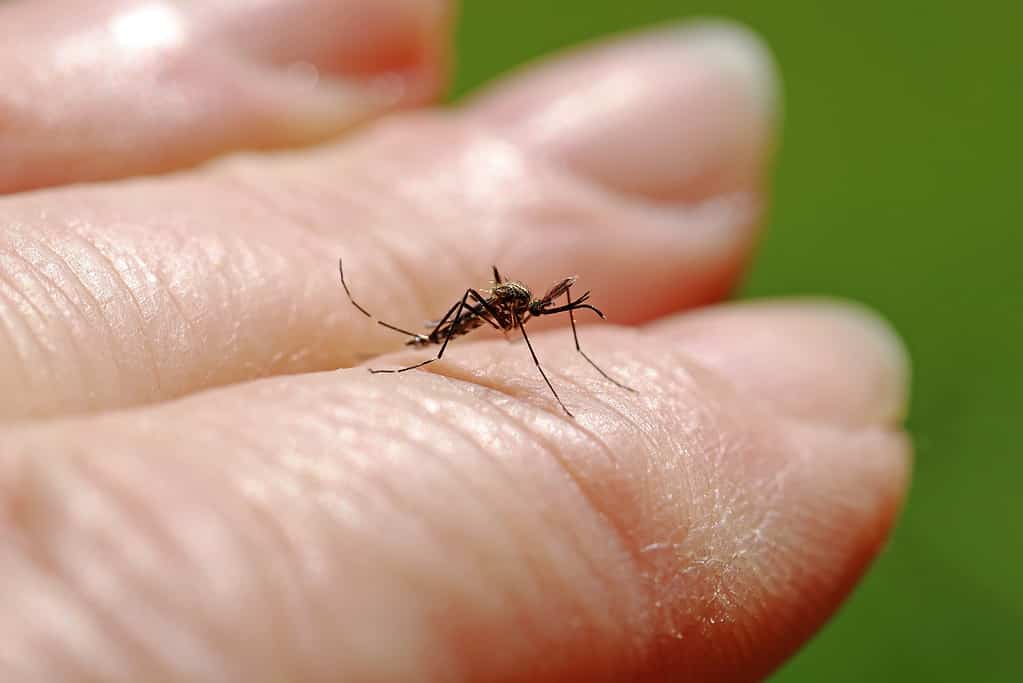
Mosquitoes can detect volatile compounds emitted by humans.
©Astrid860/ via Getty Images
Another explanation is that secondary volatile compounds, either released directly by the skin or produced by skin bacteria, attract mosquitoes to certain individuals. The individuals mosquitoes find most attractive may emit particularly irresistible combinations of these compounds. A final theory suggests that mosquitoes use a combination of ‘generalist’ and ‘secondary’ volatile compounds to navigate and locate a food source.
What Controls the Production of Mosquito Attractants?
Several studies have found that pregnant women are more attractive to some mosquito species. This may be because they produce more carbon dioxide and possibly more volatile organic compounds due to the higher metabolic rate and heat production associated with pregnancy.
Humans with malaria are also more likely to be bitten by mosquitoes because they produce kairomones, creating a characteristic “malaria smell” that is highly attractive to mosquitoes.
Interestingly, we also have a particular profile of bacteria living on our skin. They produce many mosquito attractants, including butyl acetate and 3-methylbutanoic acid. This, combined with volatile products released by sebaceous, eccrine, and apocrine glands, gives each person an odor signature. Some odor signatures are more attractive to mosquitoes than others. The type of bacteria present on our skin may even be determined by our epidermal tissue.
The Role of Diet and Genetics
There have been many theories about the link between diet and attractiveness to mosquitoes. Garlic and vitamin B have been proposed as repellents, but there is little scientific evidence to support this. Some studies have suggested that alcohol (especially beer) and bananas can increase mosquito attraction, but there is little evidence that coffee has a similar effect. This could be explained by these foods modifying metabolic rates and the release of different odor-related volatile metabolites.
Finally, there is early evidence that some people are simply more attractive to mosquitoes because of their genetics. This makes sense, as our odor signature is controlled by our genes. One set of genes, called the human leukocyte antigen (HLA) alleles, has been investigated.
Scientists found that certain versions of these genes were associated with increased human attractiveness to one mosquito species. Other studies have had similar findings with other gene groups.
Ultimately, your attractiveness to mosquitoes is governed by a combination of your genes and metabolism. This is important because if scientists can figure out what makes some people so irresistible to mosquitoes, it may help in controlling mosquito-transmitted diseases such as malaria.