Quick Take
- Cat vomiting can signal serious conditions, and chronic vomiting requires veterinary evaluation to identify hairballs, diet issues, parasites, IBD, or obstructions.
- Seek urgent care if vomiting is accompanied by blood, lethargy, or signs of obstruction.
- Prevention at home includes regular brushing, safety from toxins, slow feeding, and routine parasite checks.
I’ve had cats all my life. I presently have three. If you’re a cat person like me—and if you’re reading an article on cat vomit, I suspect you probably are—I’m sure you’ve cleaned up your fair share of cat barf over the years. Hair. Undigested food. Bile. It happens. It comes with the territory. The occasional throw-up is simply part of being a feline.
But chronic vomiting—which is to say repeated episodes over weeks or months—is not simply part of being feline. Persistent vomiting can signal anything from manageable food sensitivities to life-threatening disease; so it deserves attention, a logical diagnostic approach, and often veterinary treatment. Keep reading to learn what to be on the lookout for to determine whether it’s just your run-of-the-mill kitty vomit or something much more serious.
Common Causes
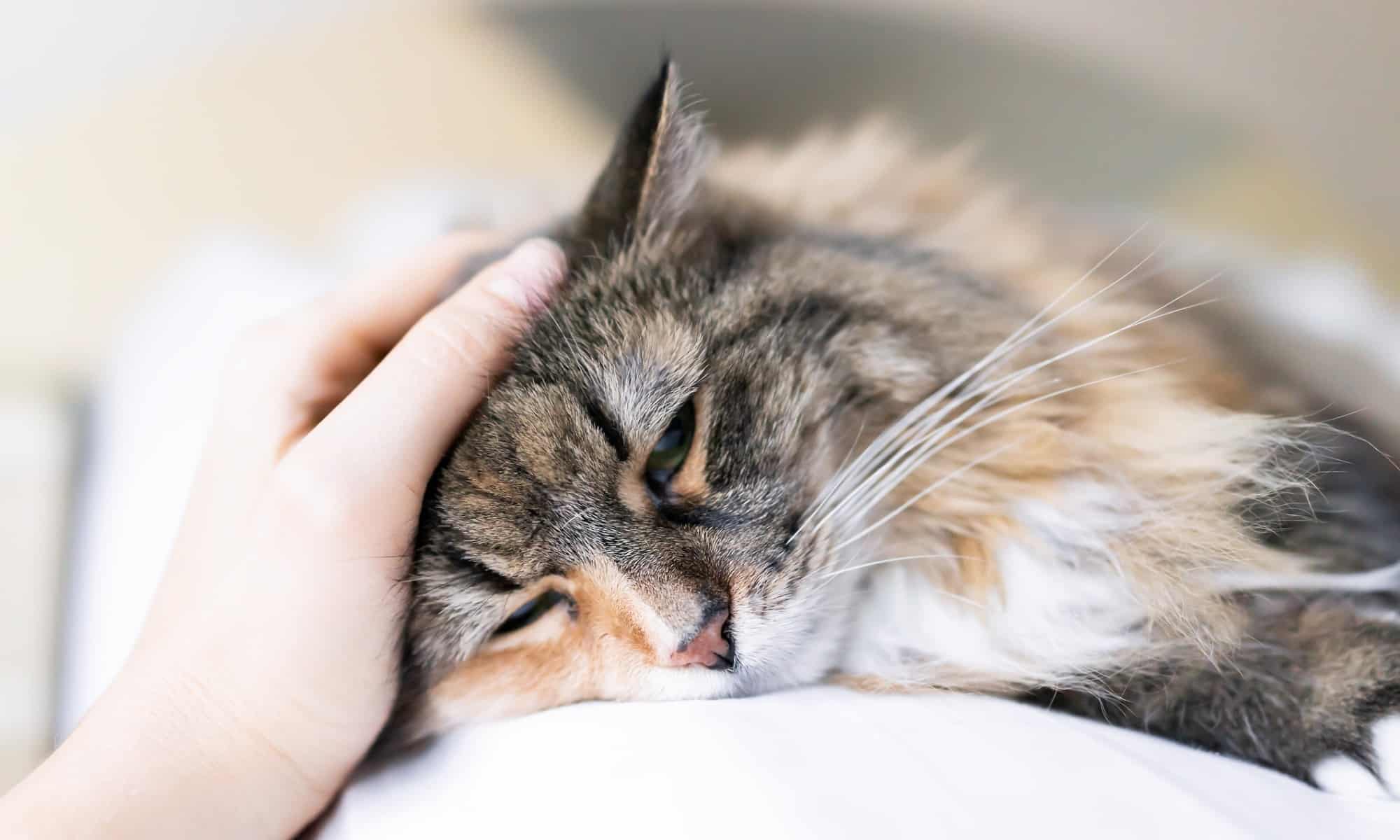
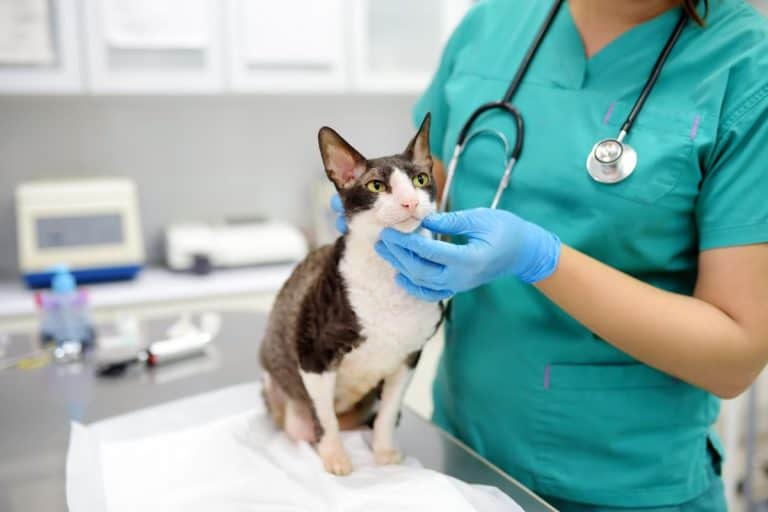
There are myriad reasons your cat might be vomiting, ranging from a common hairball to life-threatening internal blockages.
©iStock.com/krblokhin
Veterinarians often use time and pattern to separate an occasional spit-up from a chronic problem. Vomiting that lasts for several weeks, comes back repeatedly, or is getting worse is usually considered chronic and should be checked. In contrast, a single isolated episode in an otherwise lively cat who’s eating normally is likely not an emergency, but repeating episodes may be cause for concern, especially if accompanied by additional signs such as weight loss, poor appetite, or lethargy. Below are everyday causes that veterinarians see most often, listed from the most benign to conditions that require more advanced care.
Hairballs and grooming-related vomiting: I could watch my cats groom themselves for hours. I find it mesmerizing. But what we don’t see, as they lick their little paw and brush it over their head, is all the loose hairs they’re swallowing. Clumps of hair slowly collect and are eventually expelled as hairballs. Many cats will bring up a hairball every week or two without major problems, but frequent hairball vomiting could be a problem. Also, be on the lookout for increased grooming or signs of intestinal blockage, such as straining, no stool, or severe lethargy. In a small number of cases, swallowed hair forms a mass that blocks the intestine and requires emergency treatment. What can you do to help? In addition to closely monitoring for signs of irregular behavior, regular brushing, seasonal grooming, and over-the-counter hairball lubricants can help reduce problems.
Dietary causes: Many cats are notoriously finicky eaters. They have sensitive stomachs that can react to new food, additives, or preservatives. Food-sensitivity vomiting can be chronic or episodic and is often accompanied by diarrhea or skin issues. Vets commonly try an elimination diet for a trial period to see if signs resolve. This is a controlled test where all possible triggers are removed, the cat is fed a simplified food (usually either a novel-protein diet or a hydrolyzed prescription diet), and symptoms are then closely monitored to see if the digestive system calms down. Sudden diet changes or spoiled food can cause short-term vomiting, but ongoing intolerance is common and should be looked into by a vet.
Parasites and infections: Certain infections or intestinal parasites like worms and protozoa can trigger chronic vomiting, especially in kittens or outdoor cats. These causes are very common and, fortunately, very treatable. Routine fecal testing and deworming are standard first steps, followed by medications if necessary. Most worms and protozoa are cleared with standard deworming medications or targeted antiprotozoals.
Inflammatory bowel disease: IBD (also called chronic enteropathy) is an inflammation of the gut lining, causing repeated vomiting, diarrhea, and weight loss. Diagnosis often comes after ruling out parasites, toxins, and metabolic disease. Tests may include bloodwork, imaging, and sometimes an intestinal biopsy. Treatment typically begins with dietary changes, but if that doesn’t take care of it, a medication regimen is often prescribed. Many cats with IBD do very well once their treatment plan is dialed in. Although it’s usually a long-term condition, it can be managed successfully so cats stay comfortable and maintain a healthy weight.
Systemic and metabolic disease: Organ dysfunction can cause chronic vomiting. Two common contributors in older cats are kidney disease and hyperthyroidism. When organs don’t work normally, toxins build up or metabolic balance shifts, which can cause ongoing nausea and vomiting. Blood tests and imaging help identify these problems. Hyperthyroidism is an endocrine disorder common in middle-aged and older cats. In addition to vomiting, one of the telltale signs is a healthy or even increased appetite, yet still losing weight. Radioactive iodine is considered the definitive one-time cure for this condition, but other treatments may include a daily antithyroid drug, surgery, or a prescription iodine-restricted diet.
Obstruction and foreign bodies: A cat that swallows a string, small toy, or other non-digestible item can develop an obstruction that causes repeated vomiting and rapidly becomes an emergency. These cases commonly require imaging and surgical correction.
When to Seek Immediate Veterinary Care
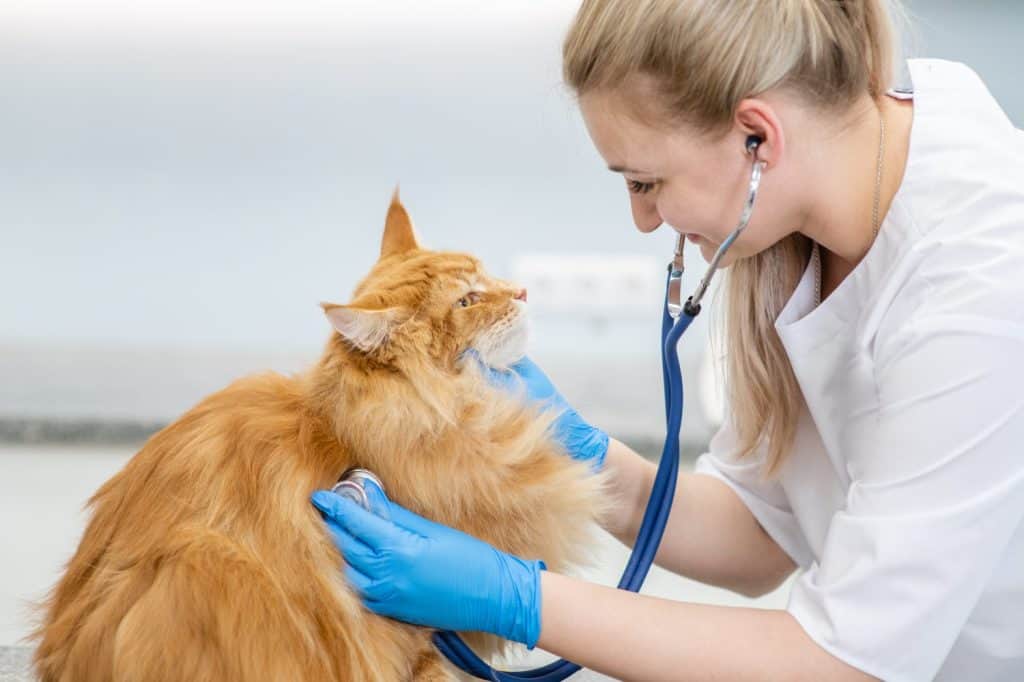
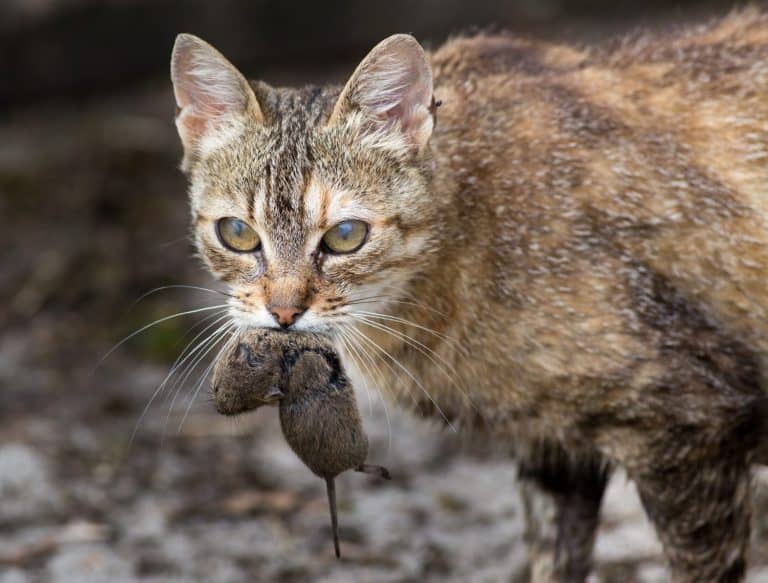
Certain symptoms, like vomiting blood, are an indication that you need to take your cat in to see a vet immediately.
©Ermolaev Alexander/Shutterstock.com
Some symptoms mean you should call or visit your vet immediately. The following are signs of possible bleeding, obstruction, severe metabolic disturbance, or toxin exposure and require urgent care.
- Vomiting blood or material that looks like coffee grounds, which is probably partially digested blood.
- More than a few vomiting episodes within a short period; many vets suggested that three or more in a day is cause for concern.
- Inability to keep water down, which puts your kitty at risk for dehydration.
- Lethargy, collapse, fainting, pale gums, trouble breathing, a visibly swollen or painful abdomen.
- Young kittens, very old cats, or cats with known medical conditions that suddenly vomit.
What Will Happen at the Vet?
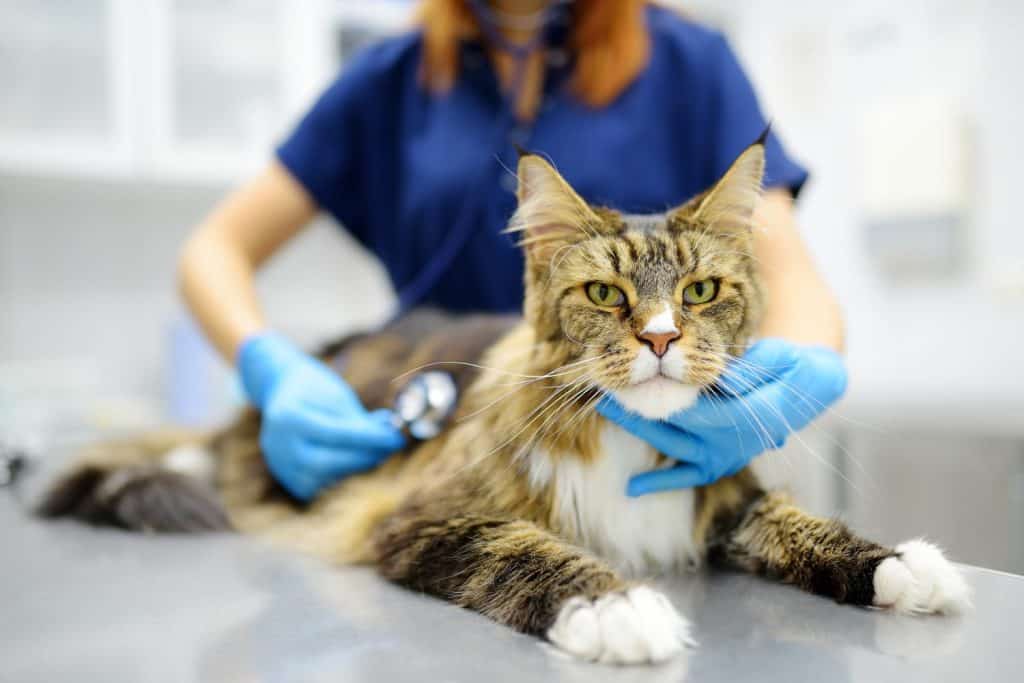
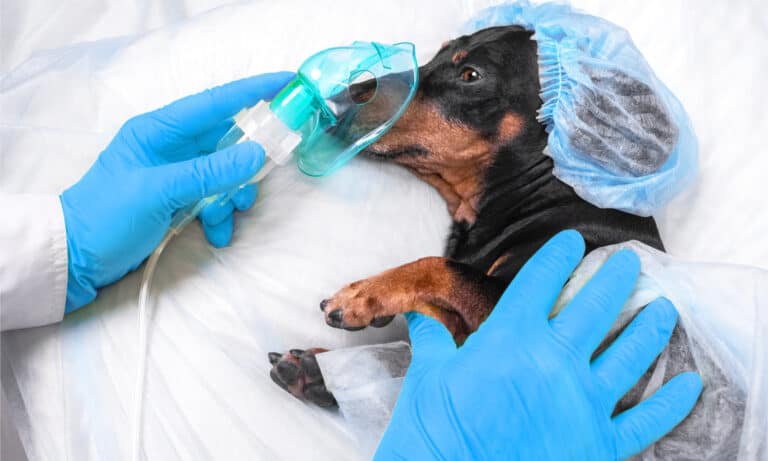
Treatments for vomiting kitties span anywhere from basic grooming to surgery.
©Maria Sbytova/Shutterstock.com
A typical diagnostic plan is stepwise: a detailed history (what, when, frequency, other signs), physical exam, fecal parasite testing, blood tests (including kidney, liver, pancreas, and thyroid checks), and imaging (X-rays or ultrasound). If those tests don’t find a cause, a vet may recommend a dietary trial, endoscopy, or biopsy to look directly at the gut lining. Each test narrows the possibilities so treatment can target the real problem. Treatments are as varied as the causes; here are common, evidence-based options:
Grooming and hairball remedies: Regular brushing (daily for long-haired cats), professional trims in heavy shedders, and over-the-counter hairball gels and/or laxatives can reduce hairball frequency.
Dietary change: Novel-protein or hydrolyzed therapeutic diets for suspected food sensitivities; prescription diets for chronic enteropathies; and iodine-restricted diets for certain hyperthyroid cases.
Medications: Antiemetics (anti-nausea drugs), acid reducers if appropriate, antibiotics for certain bacterial overgrowths, antiparasitics to clear worms, and corticosteroids or other immunomodulators for IBD. Fluid therapy (subcutaneous or intravenous) may also be necessary to address dehydration.
Surgery: Surgical removal of foreign bodies or obstructive masses.
At-Home Prevention
There are things you can do at home to reduce the chances of a sick kitty.
©evrymmnt/Shutterstock.com
- Brush your cat regularly and manage shedding seasons. Long-haired breeds benefit most from daily grooming.
- Keep household toxins and small objects out of reach, for example: string, rubber bands, human medications, certain flowers (i.e., lilies).
- Maintain a regular parasite control schedule and have stool checks as your vet recommends.
- Introduce new foods slowly and consider slow-feeder bowls or puzzle feeders if your cat eats too quickly (which can cause regurgitation).
Maybe More Than Just an Icky Mess…
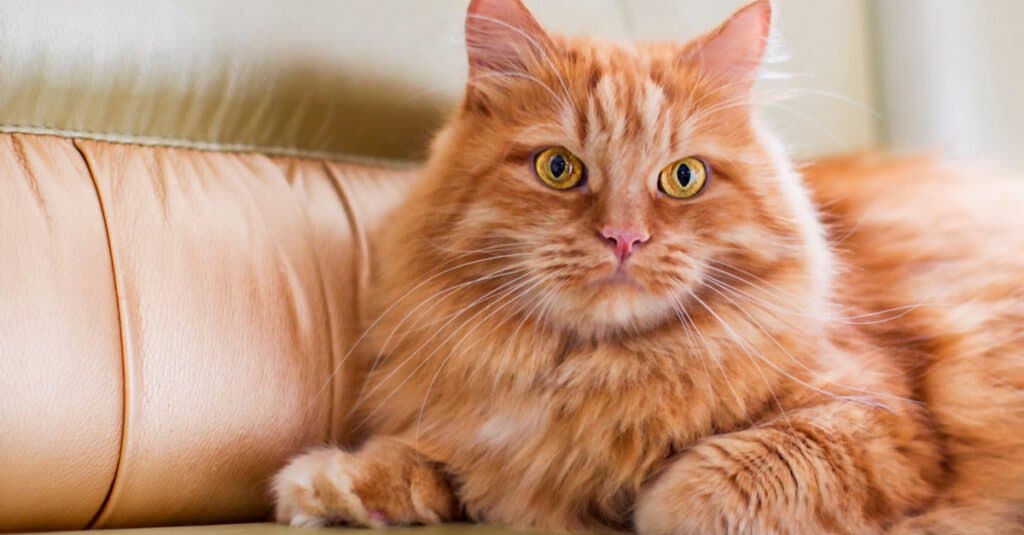
A healthy kitty is a happy kitty.
©iStock.com/FediushkinaElena
Vomiting in cats is just part of being a cat owner. However, that little surprise you find under the kitchen table might be more than just an icky mess you have to clean. The reasons cats throw up span a wide spectrum, from an occasional hairball to signs of systemic disease.
The rule of thumb is this: a single occasional episode in an otherwise healthy-seeming cat is probably nothing to be concerned about (though it should still be monitored), but repeated or worsening vomiting—especially if combined with lethargy, weight loss, loss of appetite, or blood—is not at all normal and needs veterinary attention.
Early diagnosis makes treatment simpler and outcomes better, so don’t wait if your cat’s vomiting becomes chronic or concerning. Your kitty may not be thrilled with the vet visit, but their stomach will be, which means a happier cat and a happier you. And fewer messes to scrub out of the carpet are an added bonus.