
Oregon is a beautiful state in the Pacific Northwest teeming with wildlife. One such animal is the black bear. Unfortunately, for those hoping to see them in winter, they are relatively inactive throughout the winter due to the fact that they hibernate. That being said, it’s not impossible. Here are some of the places where you are most likely to find black bears in the winter and a few of the most popular bear sightings in recent memory.
Most Likely to Encounter a Bear
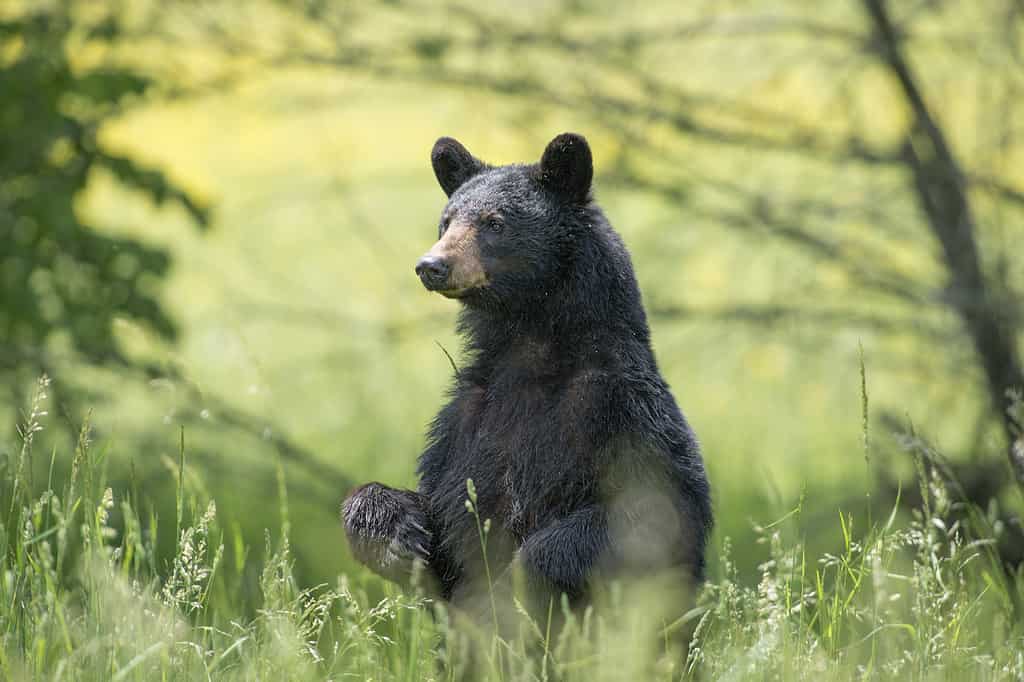
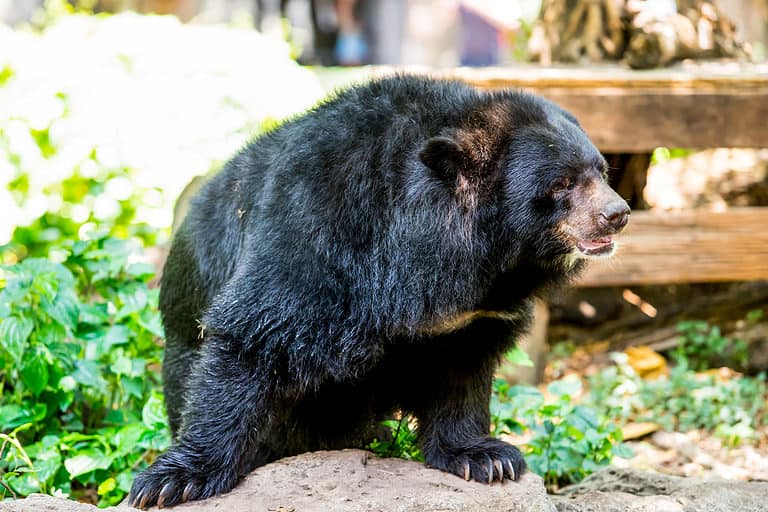
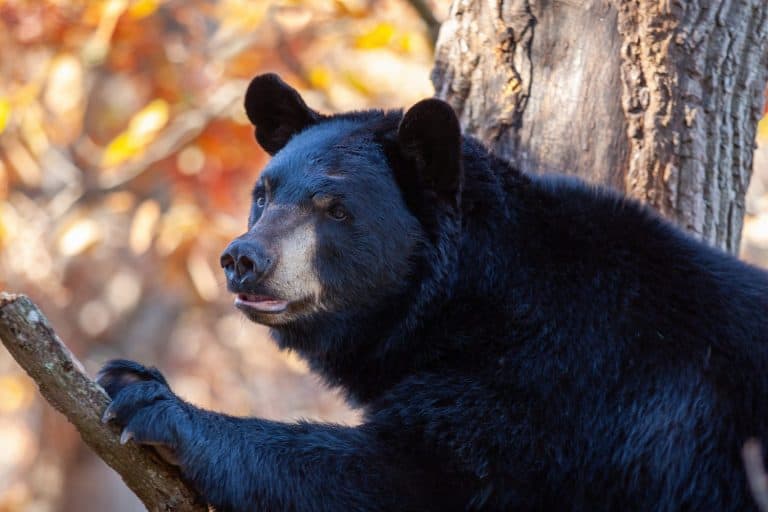
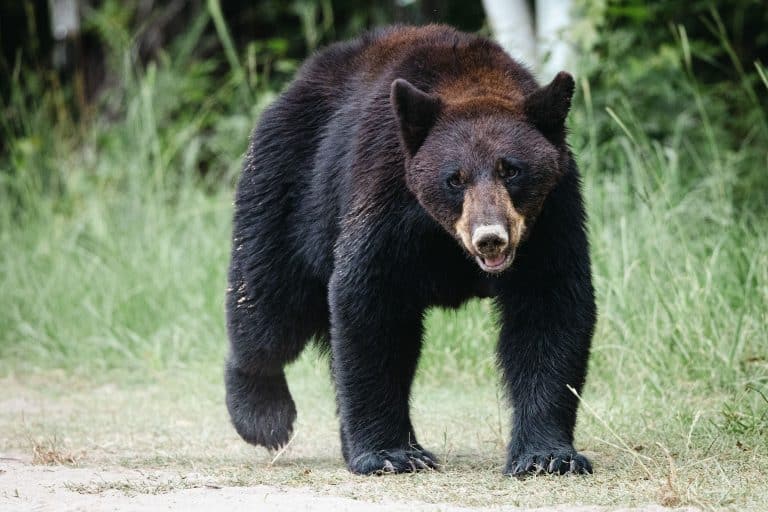
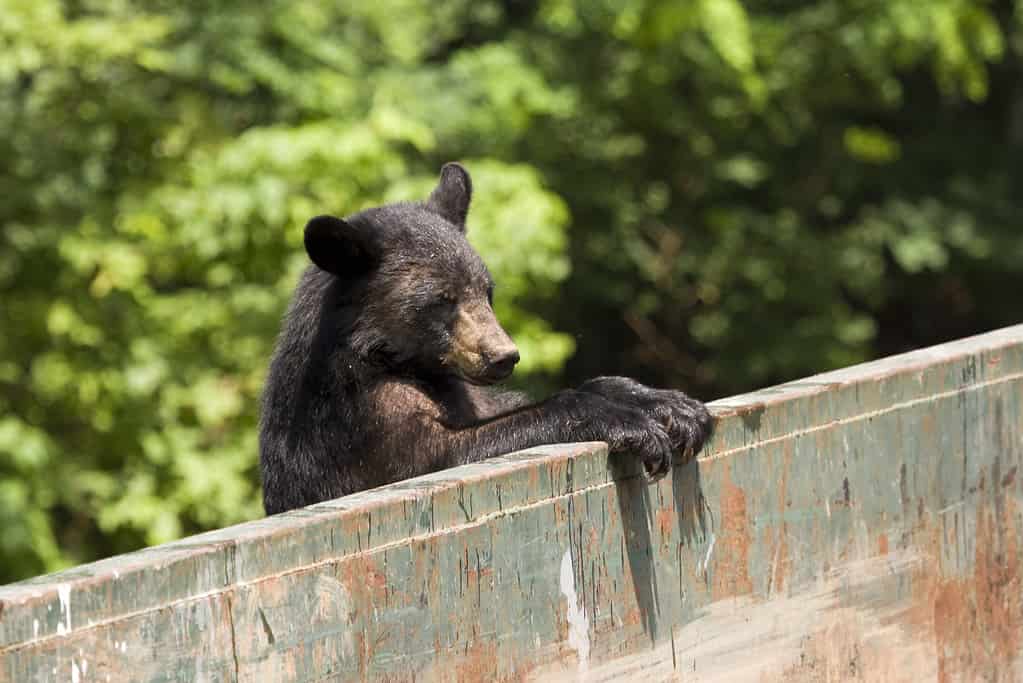
Black bears can weigh up to 600 pounds.
©Wirestock/iStock via Getty Images
Roughly 30,000 black bears live in Oregon. According to the Oregon Department of Fish & Wildlife, “Black bears are found statewide, with concentrations in the Coast and Cascade ranges and the Blue Mountains.” A few other popular places where black bears can be seen are Crater Lake National Park, the Wallowa Mountains, and Hells Canyon National Recreation Area.
Their dens are typically in densely forested regions close to the coast. Bears can head into hibernation as early as October. While this gives you less of a chance of encountering a bear in the winter in Oregon, it doesn’t make it impossible. They typically come out of hibernation around the beginning of March, just before spring starts.
Bear Sightings in Oregon
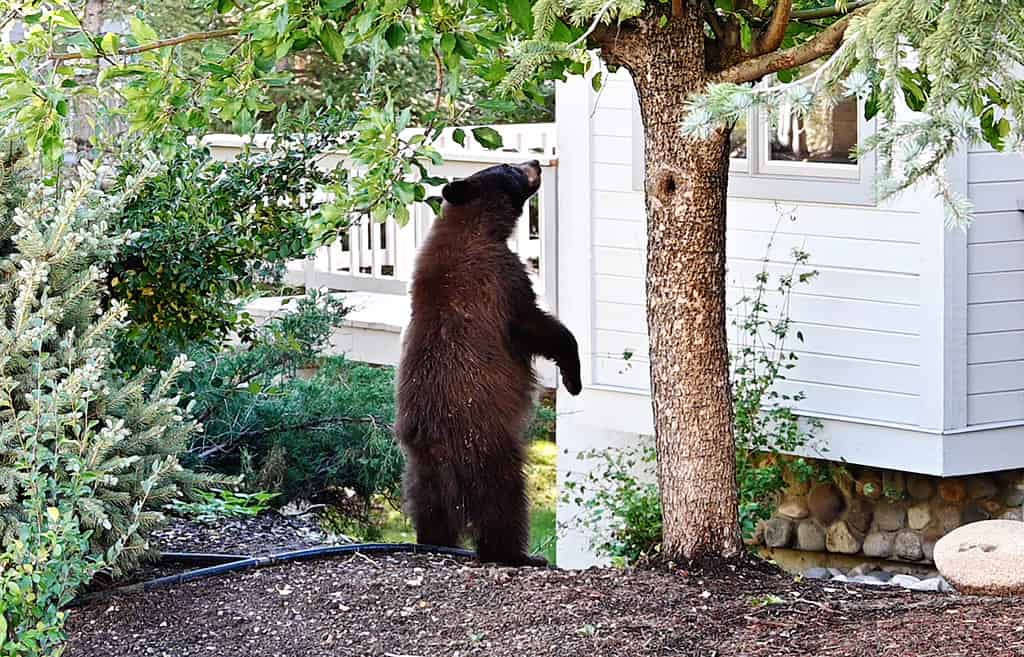
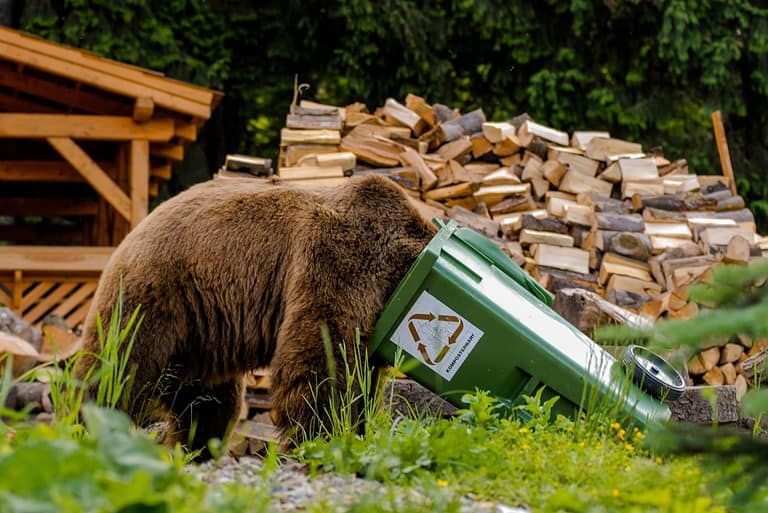
Black bears can easily break into homes, climb over fences, and even get into cars.
©steverts/iStock via Getty Images
There have been several bear sightings around the state in areas where you would not expect to see one.
Forest Park
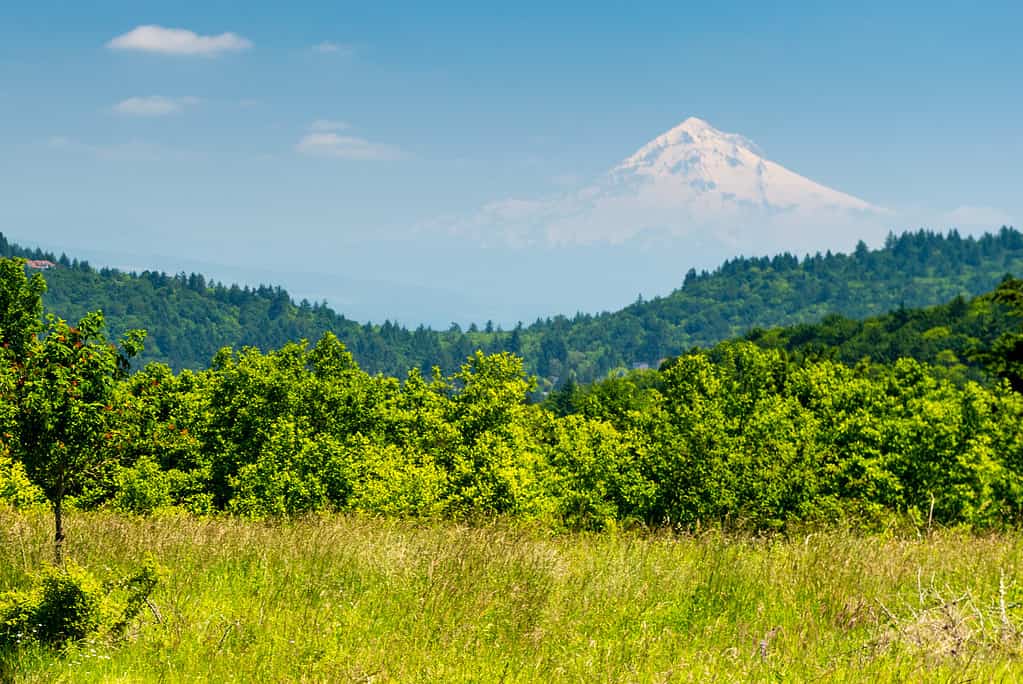
Powell Butte Nature Park in southeast Portland with Mount Hood in the background.
A northwest region of Portland called The Forest Park is no stranger to bears roaming around. In May 2023, there were six black bear sightings. They were often spotted on residential security cameras.
Homeowner Kristin Shaw was on a run on Leif Erikson Germantown Trail Head when she spotted one of these apex predators. Shaw made herself appear larger and ensured that the bear knew of her presence. “I put my arms out wide and I said, ‘Bear, get away!’ And he heard me, and he didn’t want anything to do with the situation, either,” Shaw said.
Eugene
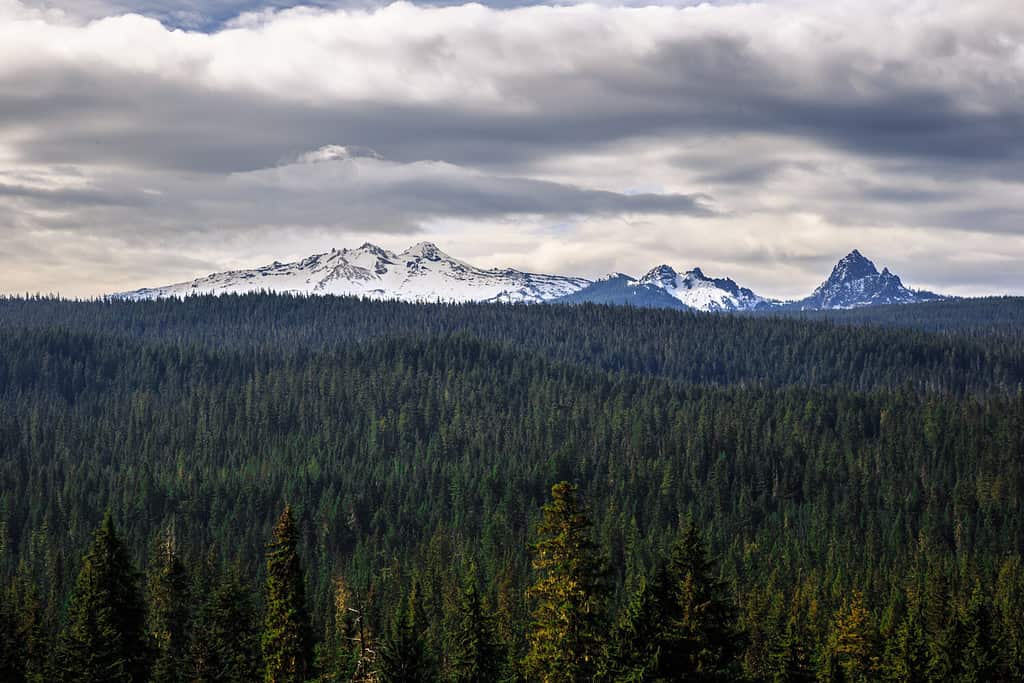
Eugene, Oregon, experiences its fair share of black bear sightings.
©Beach Creatives/Shutterstock.com
A month later, in June 2023, residents of Eugene, Oregon, experienced its fair share of black bear sightings. In fact, one bear went backyard-to-backyard, even causing one family’s dog to run up a tree in order to seek refuge after the bear charged after it.
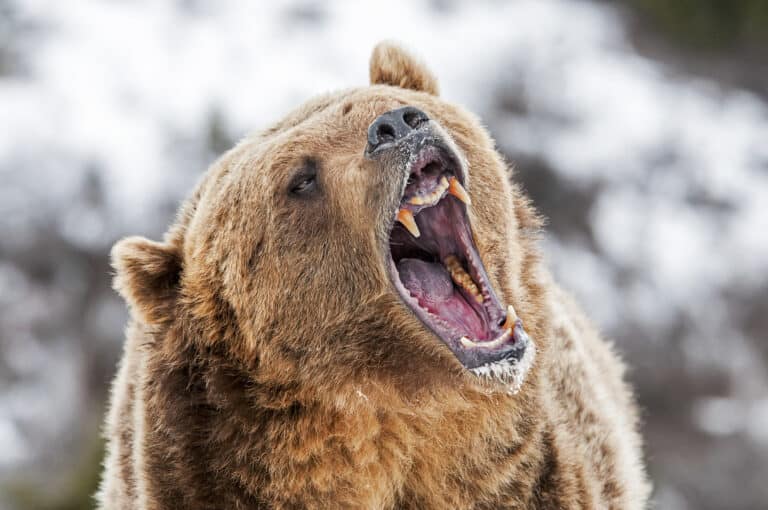
These animals typically don’t pose a threat, even when they’re in your backyard. The local and state police departments both suggest holding off calling for help unless you believe the bear is going to attack or is injured. Homeowners in bear country can keep these predators away from their backyards by making sure there is nothing that invites them in such as bird feeders or garbage cans that are easily accessible to bears.
City of Talent

November is not the time to see a bear in Oregon.
©ThelmaElaine/Shutterstock.com
During the month of November, it is not typical to spot a bear in Oregon. Black bears are typically hibernating at this time, but that was not the case in 2022. In the small town of Talent, Oregon, residents reported bear sightings in their backyards.
Hunting Black Bears in Oregon
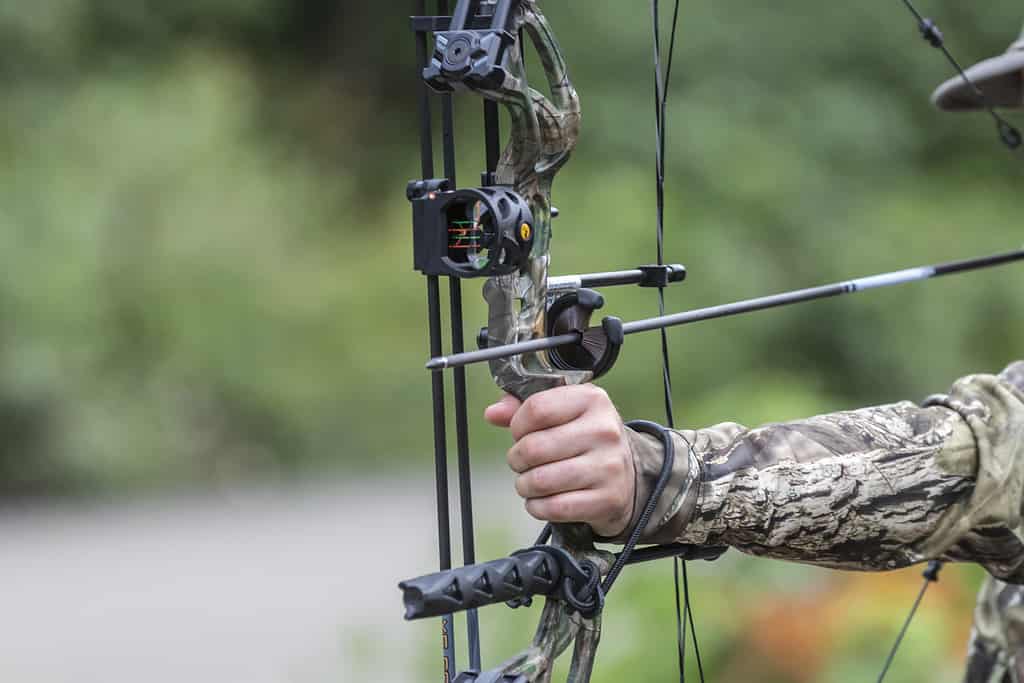
Twenty-seven U.S. states manage their bear populations through a regulated bear hunting season.
©Stefan Malloch/ via Getty Images
Bear hunting is a popular pastime throughout the spring and autumn in Oregon. The state limits non-residents to just 3% of the tags available in the yearly draw. When hunting season begins in autumn you can buy a hunting license over the counter.
Many hunters will opt to use an outfitter during the spring season. Hunters are not allowed to use baits or hounds during their hunts. Experts use calls, spotting, and stalking techniques to hunt these bears.
What to Do If You Encounter a Bear in Oregon
People living in bear country should always carry bear spray with them when leaving the house.
©BeyondMyLens/iStock via Getty Images
If you encounter a bear:
- STOP: Never approach a bear at any time for any reason. If you see bear cubs, leave the area.
- GIVE IT SPACE: Give any bear you encounter a way to escape.
- STAY CALM: Do not run or make sudden movements. Face the bear and slowly back away.
- AVOID EYE CONTACT: Don’t make eye contact with the bear.
- DON’T RUN: It may encourage the bear to chase you.
- FIGHT BACK: In the unlikely event, you are attacked, fight back, shout, be aggressive, and use rocks, sticks, and hands.