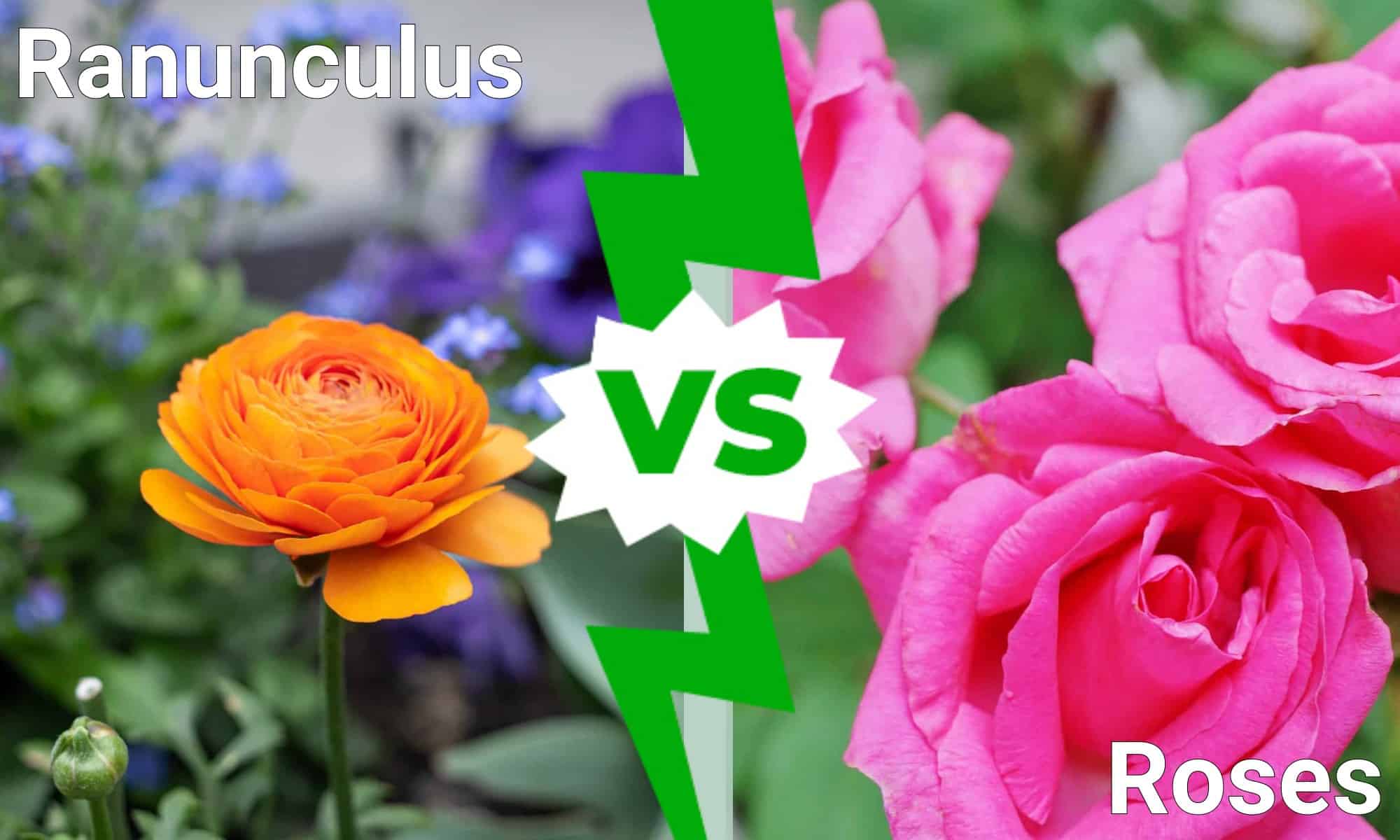

Ranunculus and roses are two of the most popular flowers for gardens, bouquets, and other floral arrangements. Both have unique qualities that make them desirable yet different from each other. When deciding which flower is best to use for your needs, you should consider several factors, such as growing requirements, climate, scent, and colors. Continue reading for more on Ranunculus vs. roses.
No matter what type of flower you choose between these two options—Ranunculus or rose—you’re sure to bring beauty into any garden or bouquet!
Comparing Rose vs. Ranunculus
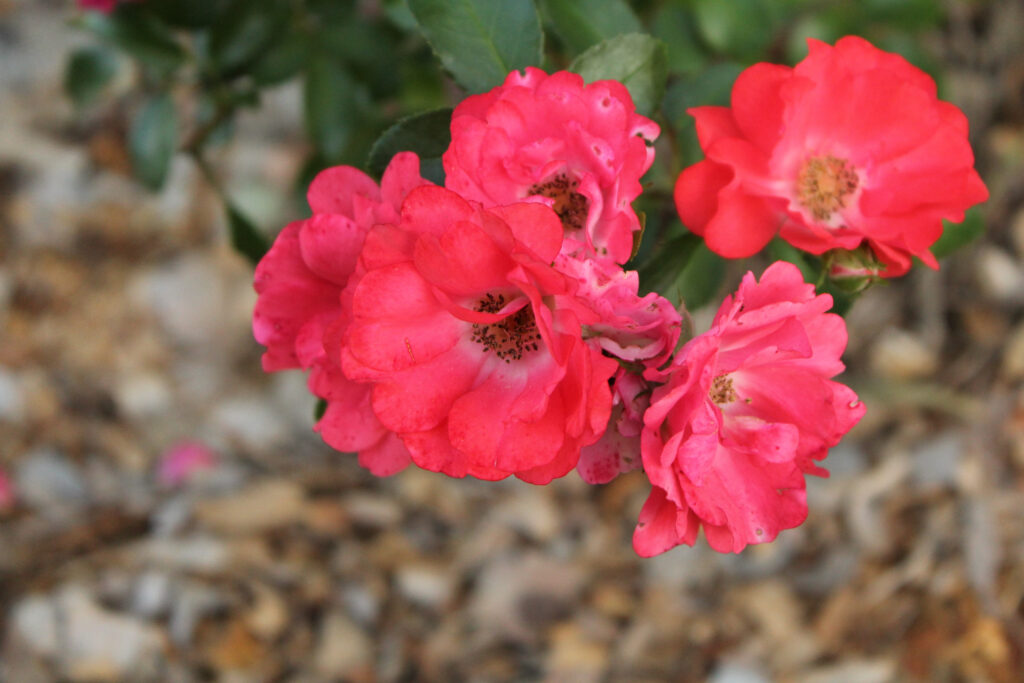
Roses are hardy to -20°F and like full sunlight and bloom from spring to fall.
©Zandria Mazzaferro/Shutterstock.com
When most people talk about Ranunculus, they usually mean the Persian buttercup, or Ranunculus asiaticus. Persian buttercup hybrids come in double-flowered varieties that look very much like a rose. But there are differences between the two flowers.
For instance, ranunculus is most often grown from a corm or occasionally from seed, while roses are planted as bare root or potted plants. Ranunculus is a cool-season plant that likes a mild winter and a cool spring. It flowers for four to seven weeks in spring and then is finished for the year. Roses are hardy to -20°F and like full sunlight and bloom from spring to fall. These are only a few of the differences between Ranunculus and roses.
Comparison Chart
| Characteristic | Ranunculus asiaticus | Rose (Rosa) |
|---|---|---|
| Common Name | Persian buttercup | Rose |
| Number | Ranunculus, as a whole, has 1800 species. Ranunculus asiaticus has 600 species | Roses (genus Rosa) have 300 species and 10,000 plus cultivars |
| Native | Southwest Asia, Europe, and the Mediterranean | Asia, Europe, North America, and NW Africa. |
| Flower Size | 2 to 5 inches wide | 2 to 8 inches wide |
| Flower Colors | Pink, red, purple, cream, yellow, orange | White, pink, red, yellow, purple, black, blue, orange |
| Plant Height | 12-24 inches tall | Six inches to 90 feet tall. Most commonly, 5-6 feet. |
| Leaves | Fern-like green leaves | Pinnate leaves that are oval, toothed, and sometimes glossy |
| USDA Hardiness Zone | Zones 7-11 perennial. Zones below 7 annual | Zones 5-8 |
| Minimum Temperature | 10°F | -20°F |
| Vase time | Lasts for seven days in a vase | Lasts for 7-10 days in a vase |
| Bloom time | Blooms for 4-7 weeks in spring | Blooms for 3-5 months, spring to fall |
| Toxicity | All species of Ranunculus are toxic to humans and pets | Roses are nontoxic and edible |
| Planting Time | Plant corms in the fall for spring blooms. Plant seeds indoors in winter/outside in spring | Plant in winter or very early spring while dormant. |
| Plant Type | Planted as corms or seeds | Planted as bare root or potted plants |
| Scent | Unscented | Floral, myrrh, tea, musky, or fruity. |
Rose vs. Ranunculus: Key Differences
The key differences between rose vs. Ranunculus are the type of plant and the climate that they prefer. They also have different bloom times and different sizes of plants and grow in different hardiness zones. We will discuss these differences and more below.
Rose vs. Ranunculus: Plant Type
Roses are perennial plants, meaning they will re-bloom every year and grow larger each season. They have woody stems with strong branches, and their flowers come in a variety of colors. Roses are not planted from seeds. Instead, roses are usually purchased by growers in bare-root form or as potted plants before being planted during the winter or early spring when the plant is still dormant.
Ranunculus, on the other hand, is an herbaceous plant that is perennial if grown in zone 7 or above and annual if grown below zone 7. It is most often planted by gardeners as corms that are buried under the ground or occasionally as seed packets. Seeds are started indoors in winter because it takes the plant three to four months to flower if grown from seed. Corms are planted in the fall for spring blooms.
Rose vs. Ranunculus: Plant Size
The Persian buttercup varieties of Ranunculus grow between 12 and 24 inches tall. The flowers are 2.5 inches wide and come in single or double-petalled cultivars.
Roses come in a wide variety of sizes. Ground cover roses are 6-8 inches tall. Floribunda and Grandiflora roses are between 5-6 feet tall. Climbing varieties of roses can reach 8-20 feet tall. The rose Cecile Brunner can reach 80-90 feet tall and often covers entire houses. Rose flowers are between 2 and 8 inches wide and come in single or double-petalled cultivars.
Rose vs. Ranunculus: Climate
Roses are very hardy plants, and they can tolerate cold winter temperatures down to -20°F. This makes them suitable for USDA Hardiness Zones 5-8, where snow is common during the winter months. For best results, roses should be planted in full sunlight with at least six hours of sun exposure per day. If possible, try to plant your rose bushes in a sunny area that gets morning light and some afternoon shade. Roses require regular watering throughout their growing season but do not need additional water in the winter when they are dormant. Properly cared-for roses will reward you with beautiful blooms each year for decades.
Ranunculus is a more tender plant and can survive temperatures as low as 10°F in USDA Hardiness zones 7-11. In colder areas, the Persian buttercup can still be grown, but only as an annual since it cannot tolerate cold winters. When planting Ranunculus, ensure that they are located in a sunny spot that is sheltered from the intense afternoon heat. As these plants have a short lifespan, they should usually be replaced each year, or if you live in a warmer region where temperatures do not drop below freezing, then corms may last for several years before needing to be replaced.
Rose vs. Ranunculus: Bloom Time
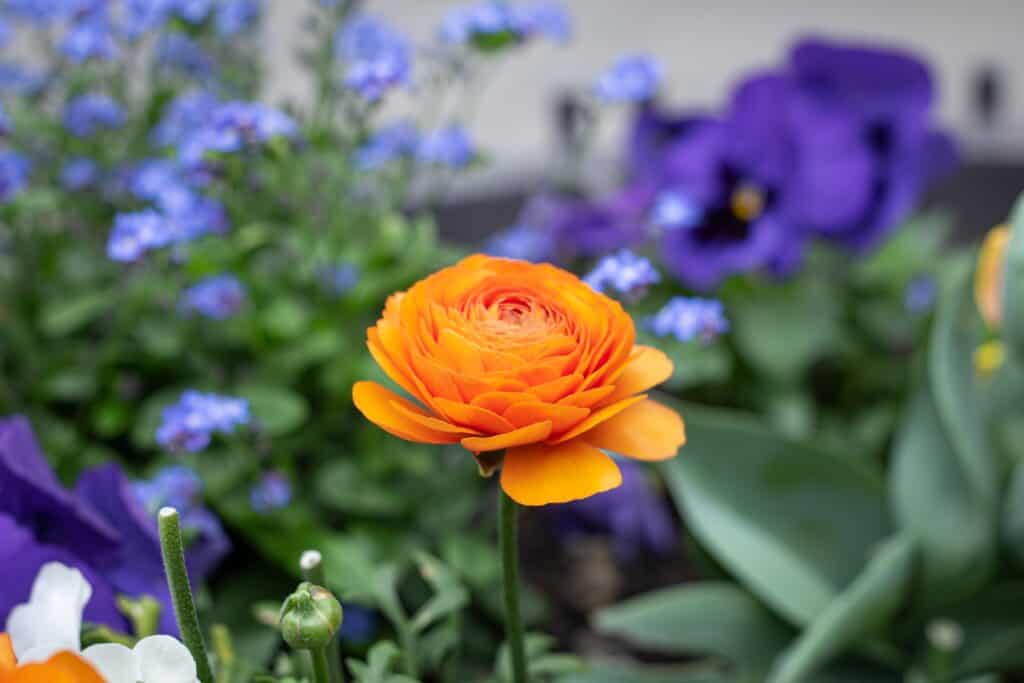
Ranunculus blooms in the late spring for zones 7 and below, usually from April to May.
©PV productions/Shutterstock.com
Roses generally begin blooming in late spring and can continue to bloom throughout the summer and into fall if they are regularly deadheaded. Deadheading is a gardening term that refers to removing faded or spent flowers from plants while they are still in bloom. This encourages the plant to produce additional flowers, allowing it to display its color for longer periods of time. However, if you prefer growing roses specifically for their rose hips (the fruit of a rose bush), then deadheading should not be done as this will prevent them from forming rose hips. Rose hips are an excellent source of vitamin C, so leaving your roses undisturbed may be beneficial for those looking for health benefits too!
Ranunculus blooms in the late spring for zones 7 and below, usually from April to May. For those living in zone 8 or higher, ranunculus typically blooms from May to June. Its beautiful blossoms last for a period of four to seven weeks before fading away until next year’s bloom. During these few weeks, you can enjoy its bright colors and delicate petals that add charm to any garden!
Rose vs. Ranunculus: Toxicity
Every Ranunculus species are toxic to both humans and animals. If the leaves are damaged or chewed, it releases a compound called ranunculin, which is broken down into an oily substance known as protoanemonin. Coming into contact with the oil can cause burning, itching, rashes, and blisters on the skin. Ingestion of the plant can lead to abdominal pain, diarrhea, vomiting, dizziness, and even paralysis.
Ranunculus plants are especially poisonous in the springtime when they are blooming, with the degree of toxicity differing between individual plants.
Roses are non-toxic to humans and pets. The thorns are a bit prickly and can irritate the skin, but they are otherwise safe plants.
Chefs use roses in many different cuisines as a flavoring agent or garnish. From rose petal jam to candied rose petals, the possibilities are endless. That said, make sure to use organic or pesticide-free roses for any culinary applications.