
Many homeowners love the idea of adding a variety of lovely flowers and plants in their backyard to beautify the space and create a peaceful place to relax. You may add the plants yourself, or they may grow in your yard on their own, but either way, it’s important to research the types of plants you have, especially if you have young children or pets, because many of them may be toxic. To help you ensure the safety of your family and furry friends, we have compiled this list of poisonous plants that you must have on your radar. We’ll provide a description, the symptoms of contact or ingestion, and a picture so you can keep these harmful plants out of your yard.
Poison Ivy
©meunierd/Shutterstock.com
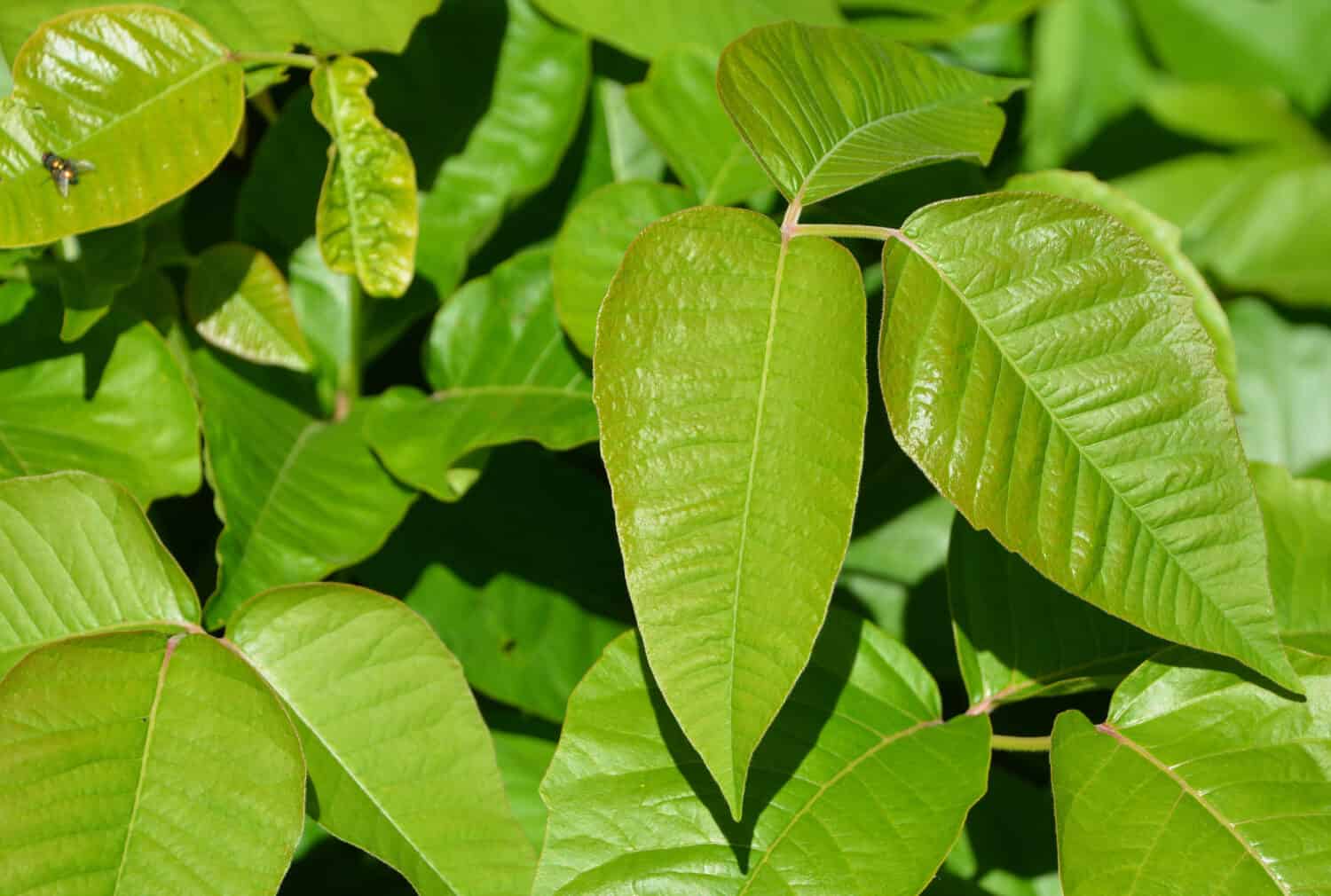
One of the most famous of the poisonous plants that could find its way into your backyard is poison ivy, and it’s one of the most dangerous on the list. The issue is that many people don’t know how to identify it, so you could have it behind your house without even knowing it. When in doubt, be wary of any plant with the famous three-leaf pattern and investigate to see if it’s the real deal. Poison ivy can cause major issues for people with negative reactions ranging from redness and itching to anaphylaxis, which is a life-threatening allergic reaction.
Wolfsbane
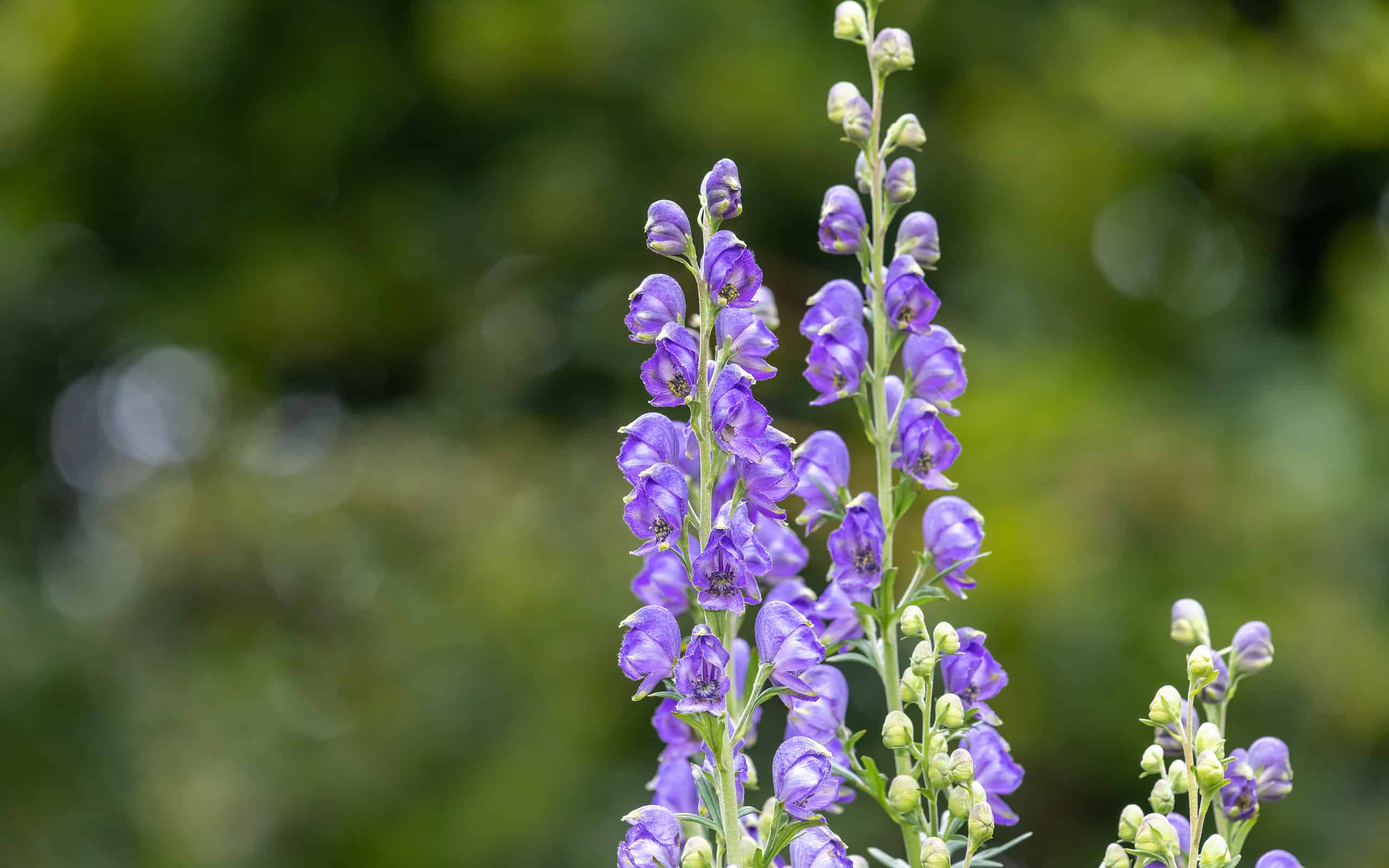
©Tom Meaker/ via Getty Images
Even the name of this one seems daunting. Technically, the plant is called Aconitum vulparia, and it has yellow and ivory flowers that bloom in the late spring. Also often referred to as Monkshood, the plant contains potent neurotoxins and cardiotoxins that can cause major respiratory issues. The poison can weaken your heart rate and cause your skin to become cold and clammy, and it acts quickly. This plant gets its name because hunters used to put it on arrowheads when hunting wolves in the past, so you know it’s potent.
Euphorbia
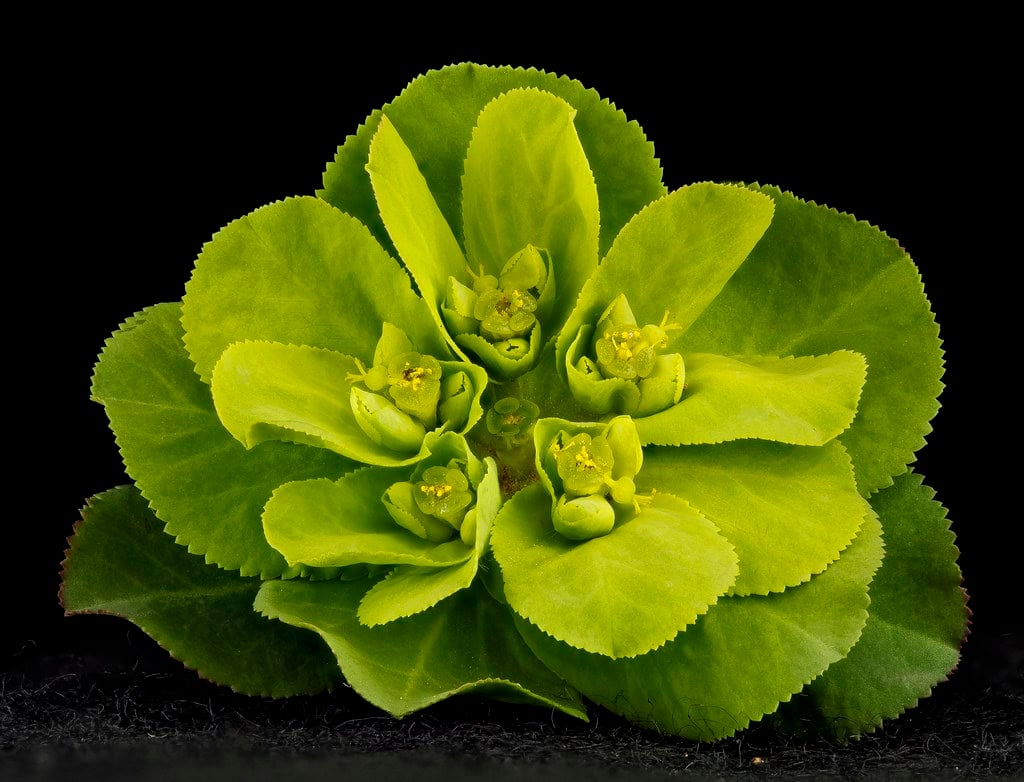
©"Euphorbia helioscopia, U, front, Maryland, Beltsville_2013-03-14-14.15.24 ZS PMax" by Sam Droege is licensed under PDM 1.0. - Original / License
Euphorbia is a rather lovely plant that would likely blend in nicely with the other plants in your backyard. However, it should be avoided. While not likely to result in death or major health issues, results may vary. Most commonly, interaction with euphorbia will result in skin irritation, including blistering and intense pain. Eating it would result in vomiting and burning of the mouth. If you notice it in your yard, remove it while wearing gloves.
Castor Oil Plant
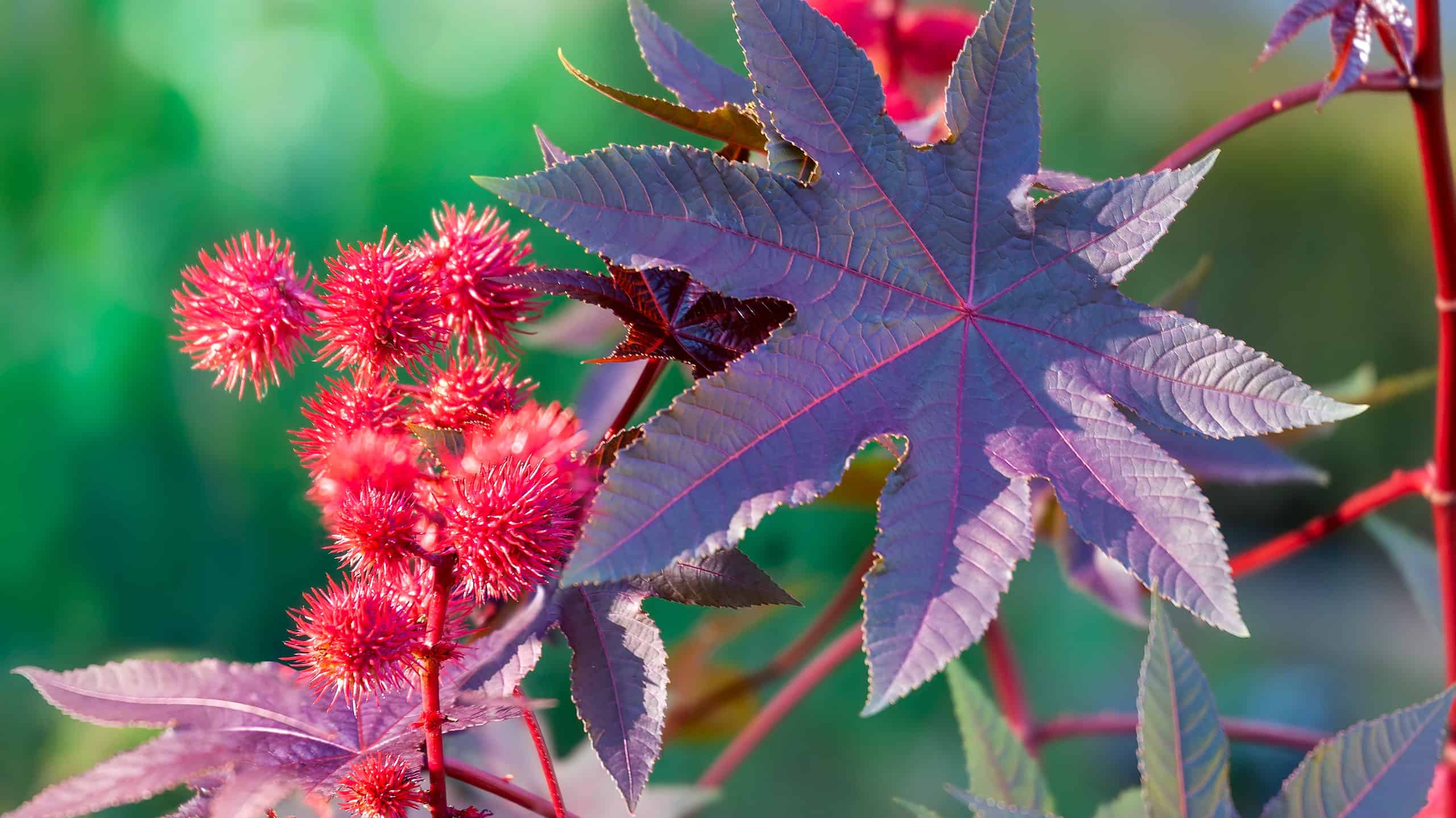
©iStock.com/TatianaMironenko
If you live in a tropical environment, then you may be familiar with the castor oil plant. This is an often beautiful plant that can grow up to 10 feet during a season. Every year, the plant produces many seeds, and those seeds travel great distances and turn into other castor oil plants. This plant is often hard to avoid since it has large leaves. However, be cautious around them because contact can result in ricin poisoning. The poison can get into the cells of your body and keep them from producing the necessary proteins you need. You can also experience chest tightness, fever, and more.
Lily of the Valley
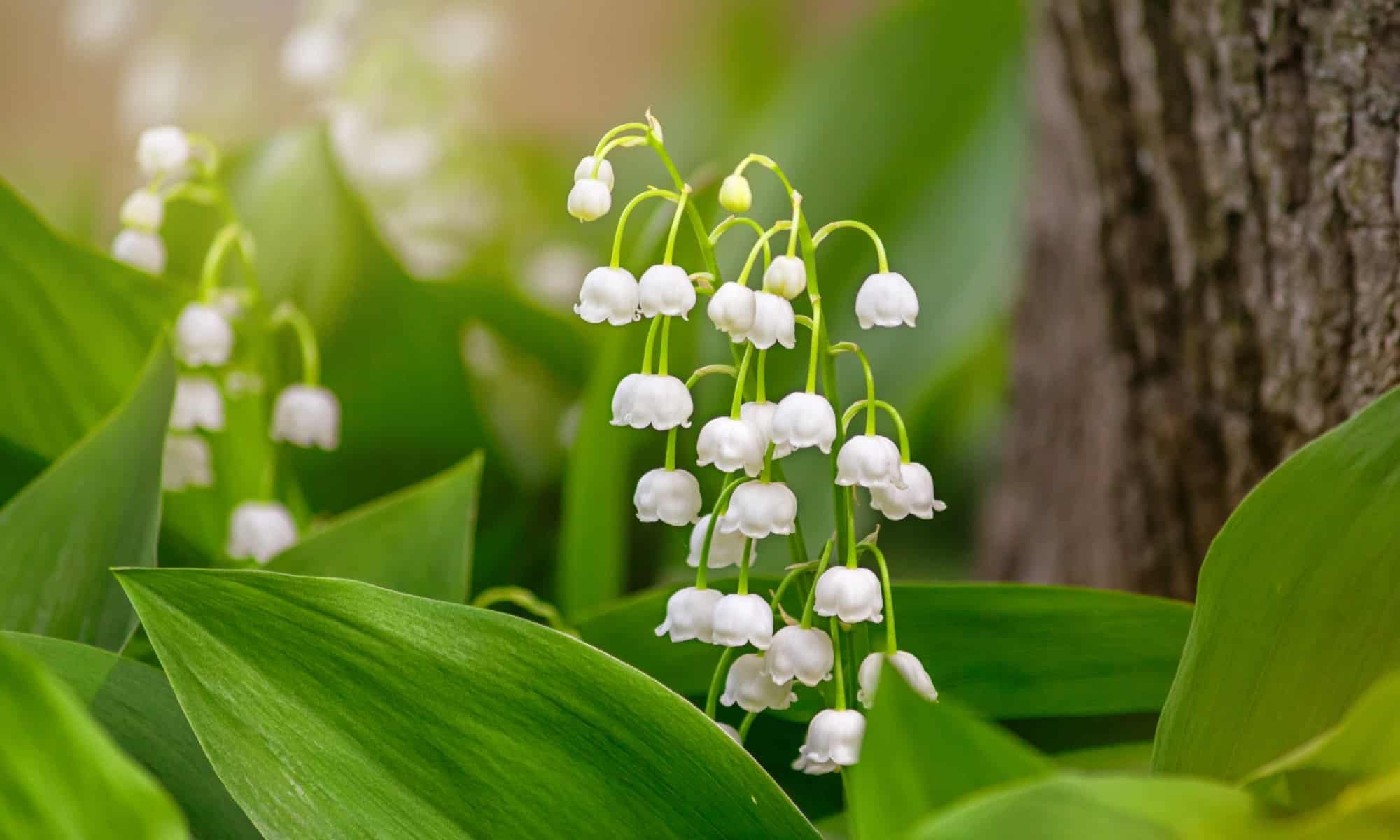
©iStock.com/rustamank
The issue with many of these poisonous plants is that they’re quite beautiful, which can attract people to come closer to them, as is the case with the Lily of the Valley plant (Convallaria majalis). While it’s attractive, every part of the plant is poisonous, including the berries it produces. Contact with the plant can be deadly, with effects ranging from cardiac distress to loss of vision. The issue with this plant is that many kids will eat the berries, and that is serious business. Pets and animals can also be affected. If you think your child has eaten one, contact poison control immediately.
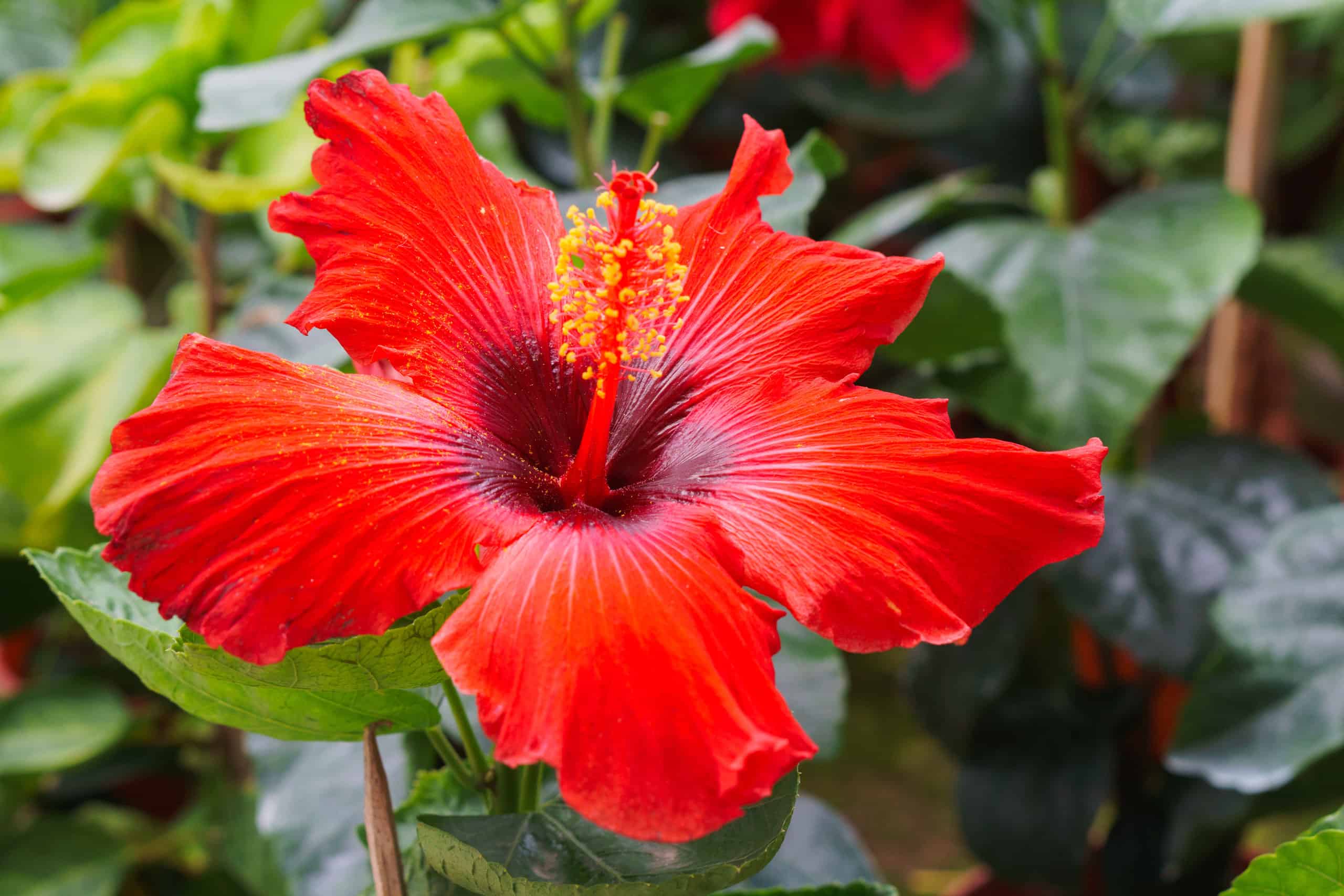
Hibiscus
©MajestiX B/Shutterstock.com
While not all poisonous plants are harmful to humans, if you have pets, you need to be cautious of a few of them, including hibiscus. Granted, most types of hibiscus are harmless. However, one variation, Hibiscus syriacus(Rose of Sharon) is particularly dangerous to cats and dogs. While it likely won’t lead to death, the toxins can cause moderate digestive upset in cats and dogs. Vomiting and diarrhea may be a result. Bring your pet to the vet if you notice these symptoms, and get the hibiscus out of your yard.
Amaryllis

©New Africa/Shutterstock.com
You need to be careful around the beautiful but dangerous amaryllis plant. If you notice these in your backyard, be especially cautious around the bulbs because they contain a toxin called lycorine. Touching the flower won’t typically lead to any issues, but if you were to eat or breathe it in, you could experience digestive unease with symptoms including stomach pain, vomiting, and nausea. Amaryllis is also toxic to pets, and they can experience similar symptoms. So, if you notice issues, contact the vet.
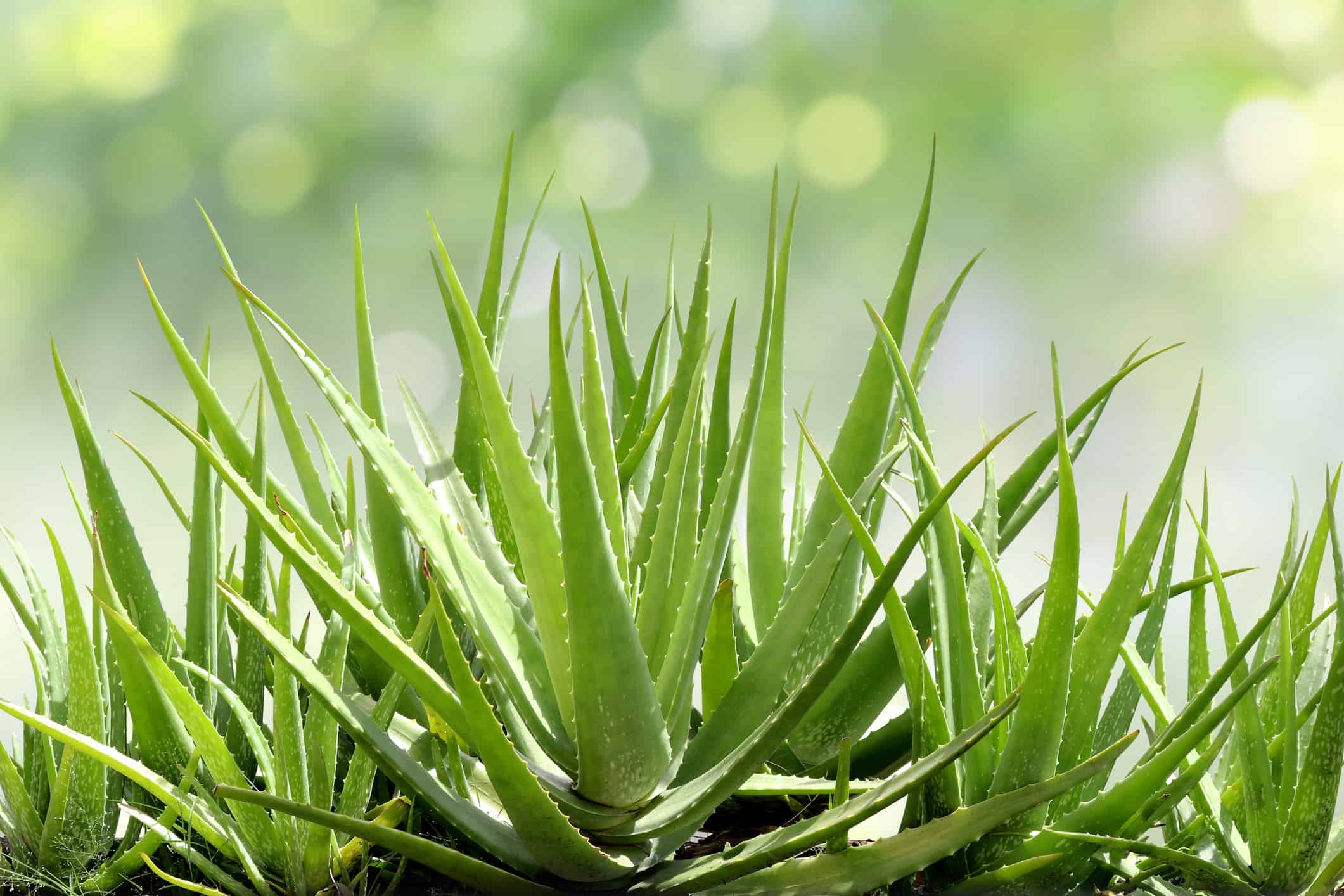
Aloe
©iStock.com/cgdeaw
Aloe is a fairly common plant, but it’s not always as soothing as the name implies, at least not when it’s ingested. You can have aloe around your home, but you must be careful. There’s a layer of sap just under the skin that can be dangerous. Ingesting it or allowing pets to do so can result in abdominal pain, vomiting, diarrhea, and other gastrointestinal distress. Some people are allergic to the components of aloe, and you want to keep them far away because the symptoms can be much worse.
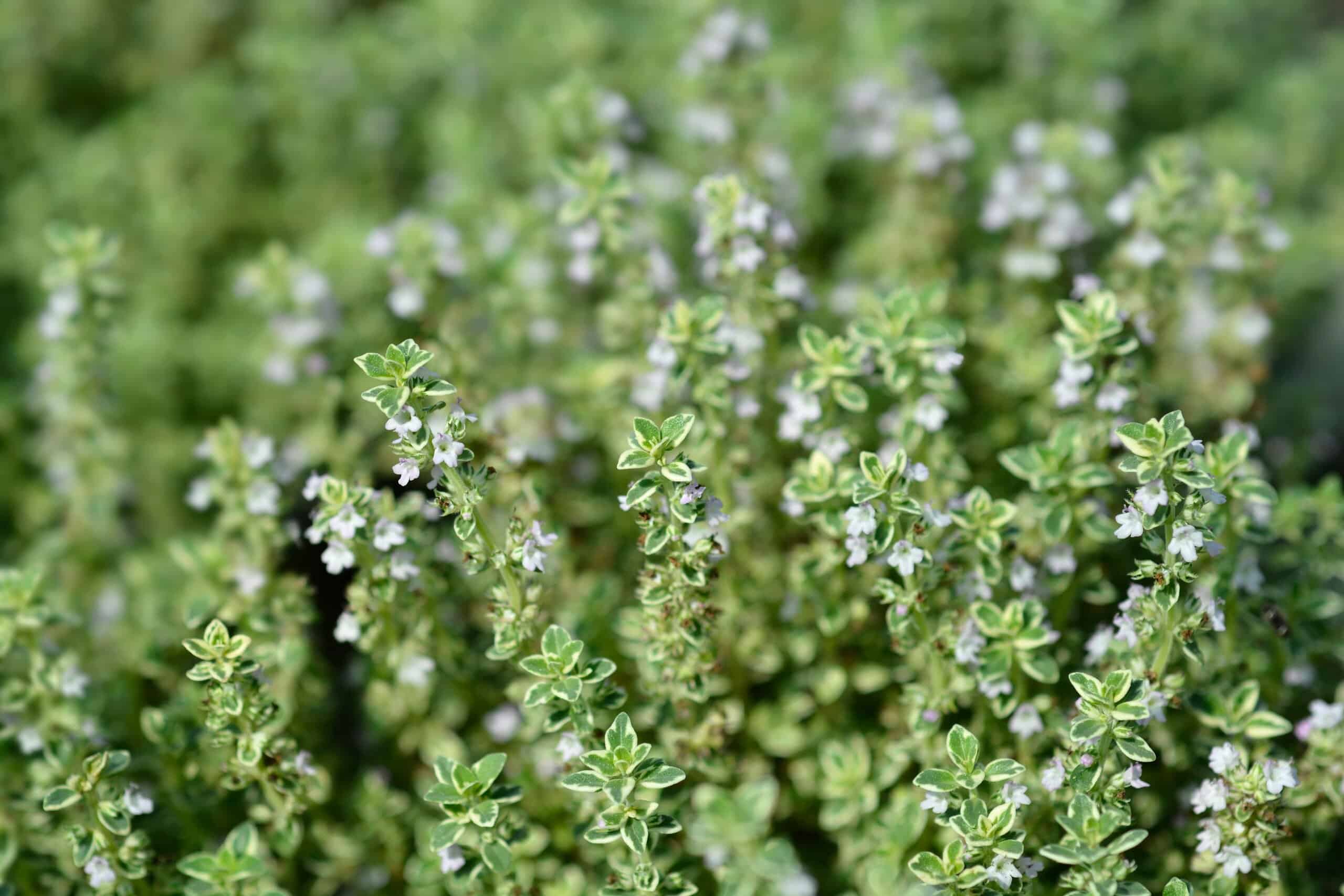
‘Silver Queen’ Euonymus Fortunei
©Nahhana/Shutterstock.com
This is one you want to be careful with if you have pets. Though not toxic to the touch, ‘Silver Queen’ Euonymus Fortunei can be dangerous if ingested by you or your pets. The plant can grow up to eight feet, so it can be hard to avoid if you’re not careful. The good news is that a small nibble won’t cause major issues. However, in large quantities, it can result in vomiting, diarrhea, and other issues. It’s mostly harmful to dogs and cats. It’s not harmful to birds, which can be a problem because the birds carry the seeds elsewhere, so more Euonymus Fortunei can grow.
Mistletoe

©iStock.com/Hana Richterova
The odds of having mistletoe in your backyard are slim since it can only grow under specific circumstances, but if you do notice it or it’s the holiday season, be cautious. Though mistletoe brings thoughts of love, parts of it are often poisonous, especially the berries. Don’t eat the berries in any form, even if it is tea. Technically, the European version is the more toxic of the two, but beware either way. Some people experience an upset stomach and other mild symptoms after eating mistletoe berries.
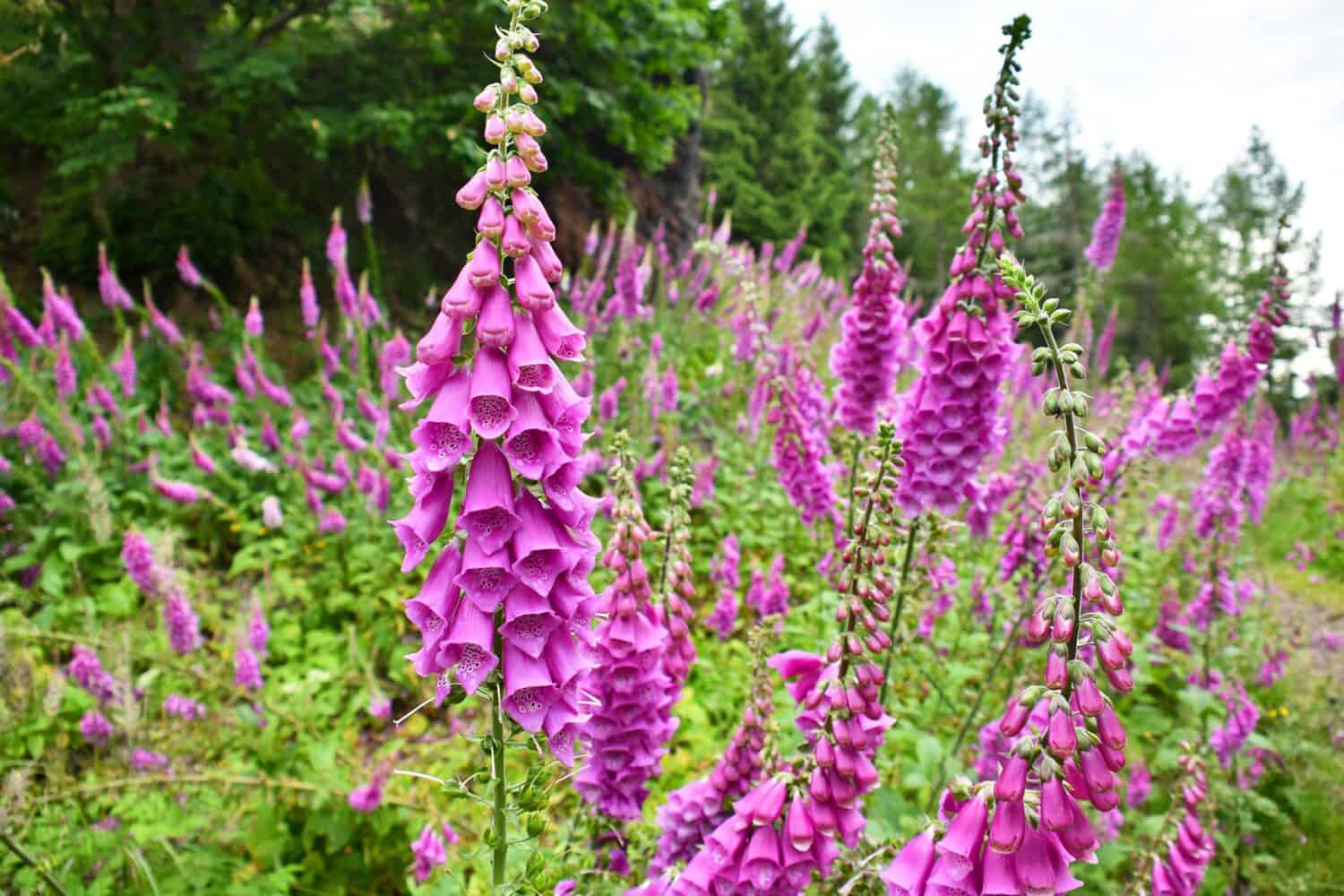
Foxglove
©HAL-9000/Shutterstock.com
Another one of the beautiful but incredibly poisonous plants is foxglove. This one is dangerous to both humans and pets when ingested. Every part of the plant, including the stems, leaves, seeds, and flowers are all toxic. That’s what can make this dangerous. While most children won’t put leaves and stems in their mouths, a curious child may try a seed. The toxins affect the heart and can cause your heartbeat to become irregular. If not treated, it can lead to serious consequences, so be careful around this one.
Iris
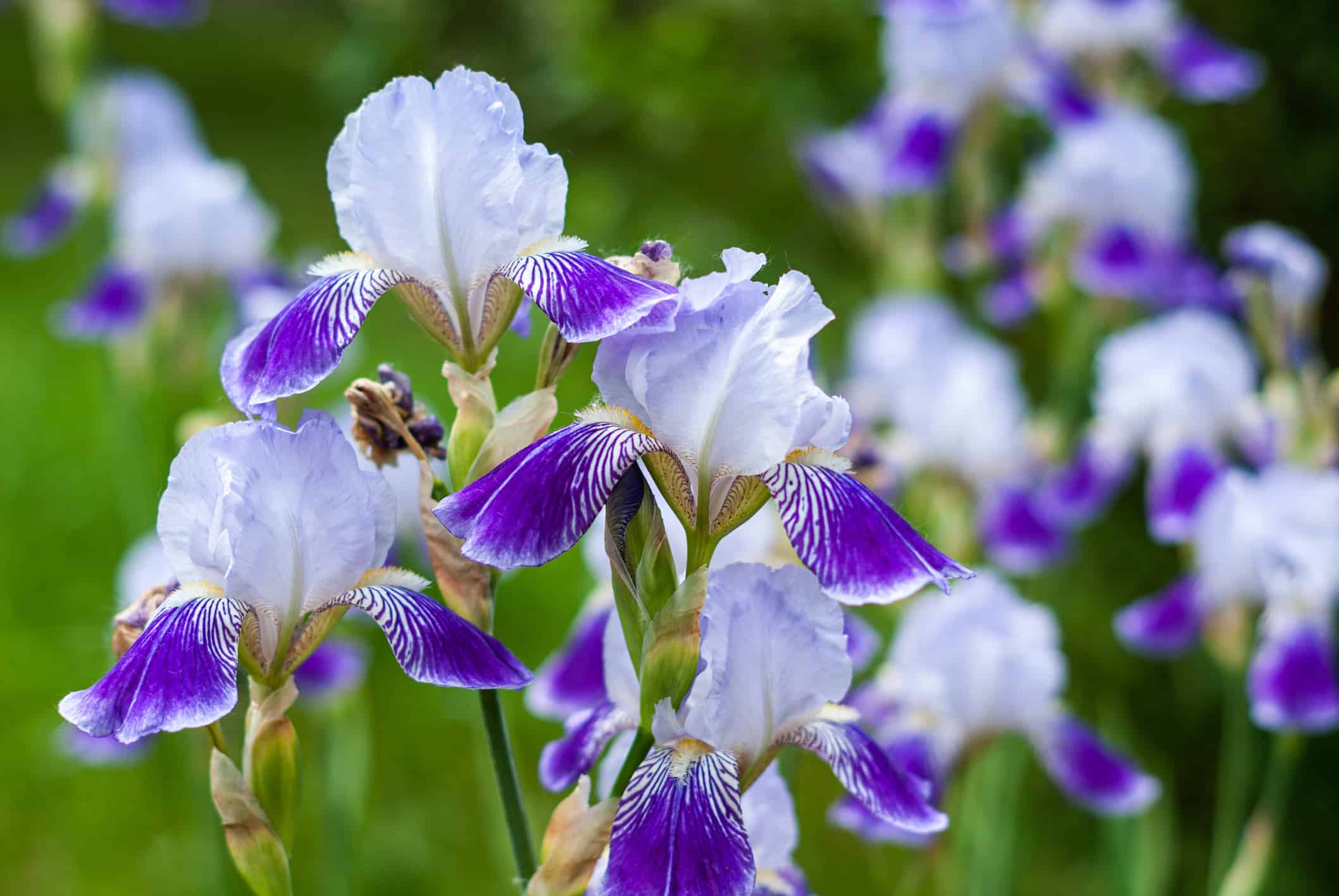
©iStock.com/Natalya Mamaeva
The iris is another of the gorgeous but potentially toxic plants if ingested. Walking by and touching it won’t affect you. However, if you or a pet eats the bulb, the rhizomes inside can cause serious illness, and in the case of pets and cattle, can lead to death. The toxic compounds can cause vomiting, ulcers, decreased appetite, and sores in the lips of animals. Humans have to ingest a lot of them to incur serious harm, but the symptoms could still include skin irritation and nausea.
Poison Oak
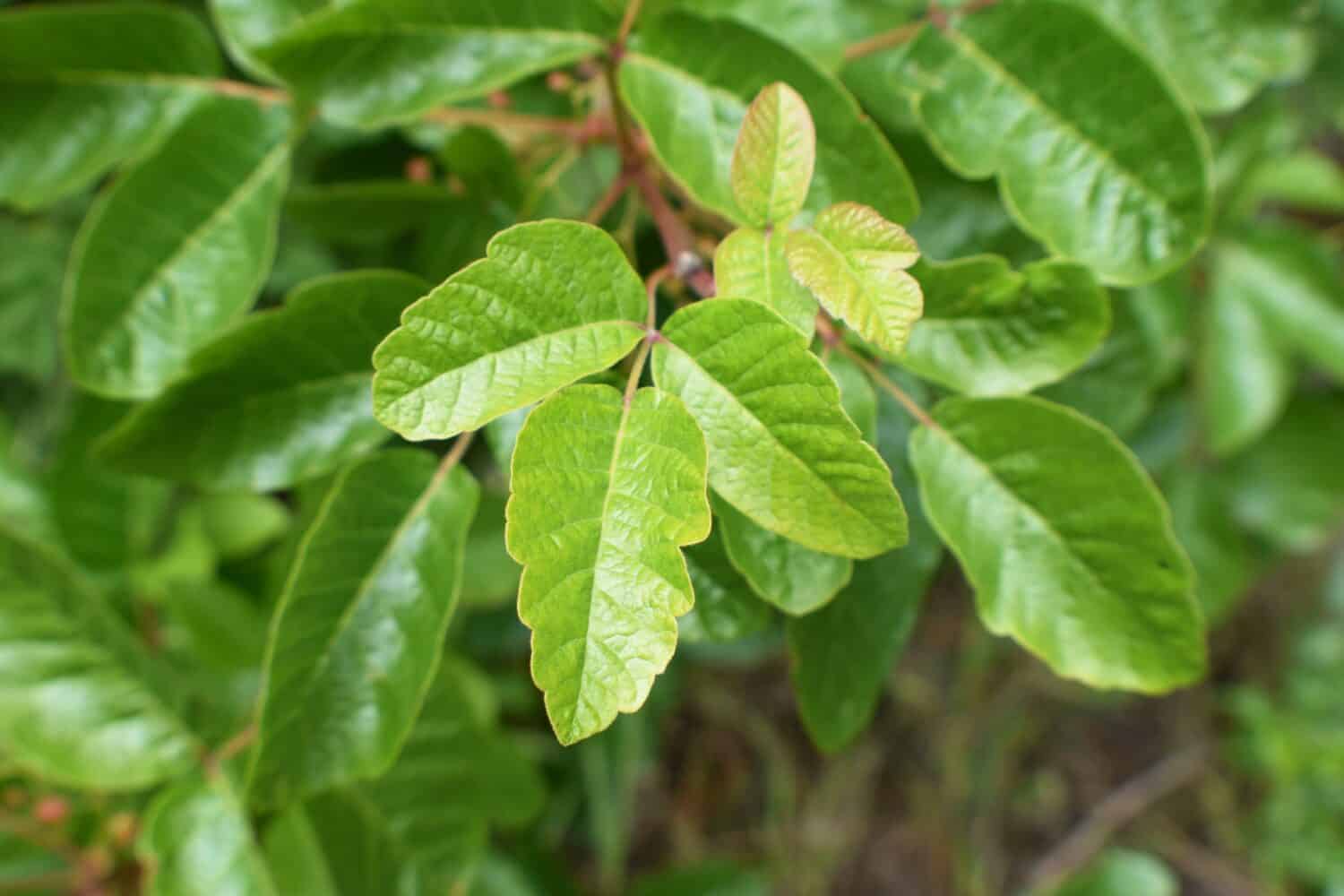
©ShutterstockProfessional/Shutterstock.com
Poison oak can sometimes be harder to identify than poison ivy, but it’s just as dangerous. The plant has three leaves like poison ivy, but they are rounded, so they can look like many other, less toxic plants. You’re more likely to see it in the Southern and Eastern United States. Mere contact with poison oak will likely transfer the symptoms, which include an itchy rash, redness, swelling, and blisters that often require medication to eliminate. Be cautious when walking through the woods and keep this out of your backyard.
Dieffenbachia Amonena
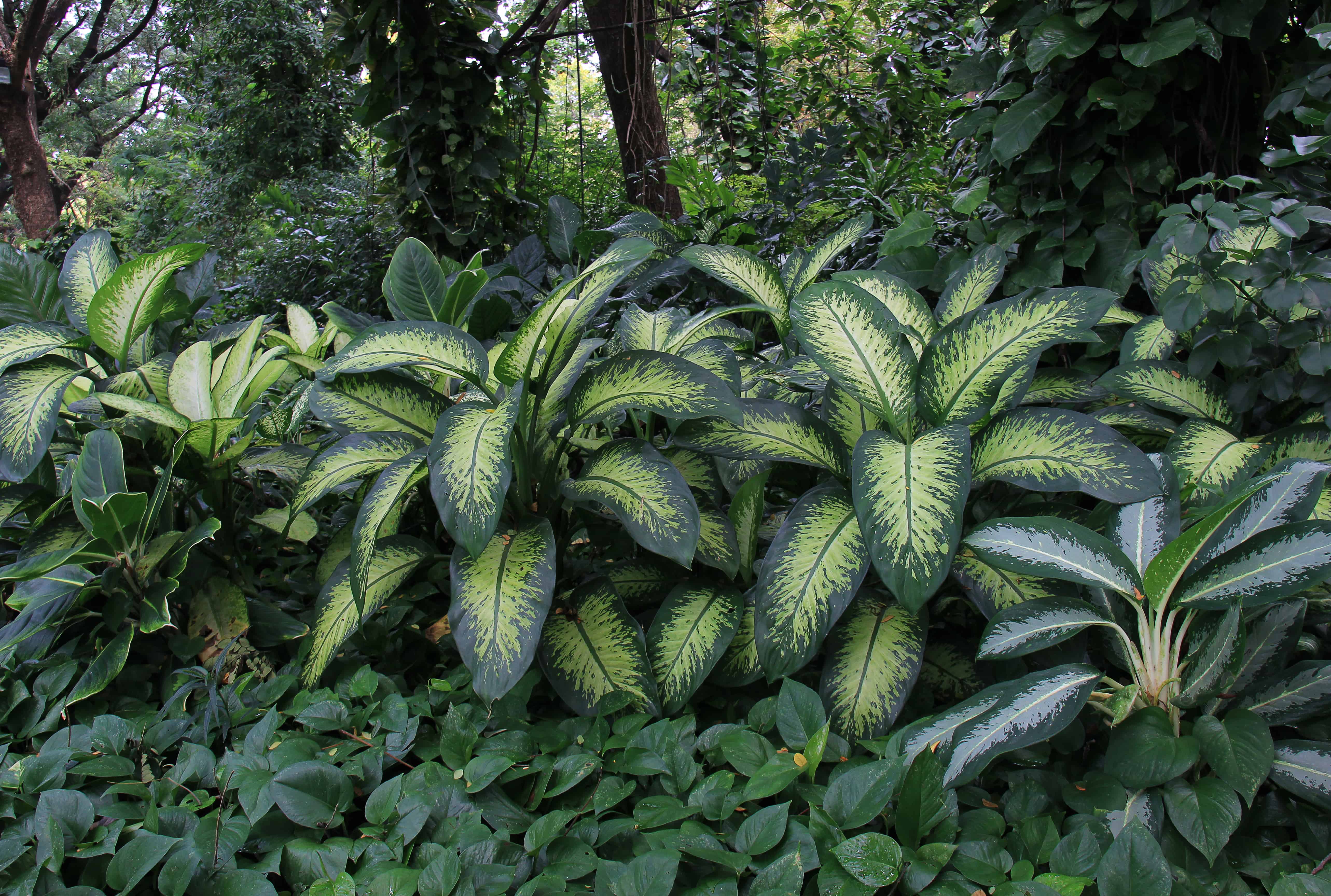
©Rak ter samer/Shutterstock.com
Chances are good that you’ve seen this houseplant in at least one home before, but be cautious, as it is poisonous. The plant is quite beautiful, but the oxalic acid and asparagine found in the leaves, stalks, and roots can be hazardous. Touching it is usually harmless, but if you eat or ingest parts of the plant, you may experience severe symptoms, including blisters, burning in the mouth, painful swallowing, and swelling of the tongue and mouth, among other issues.
Narcissus
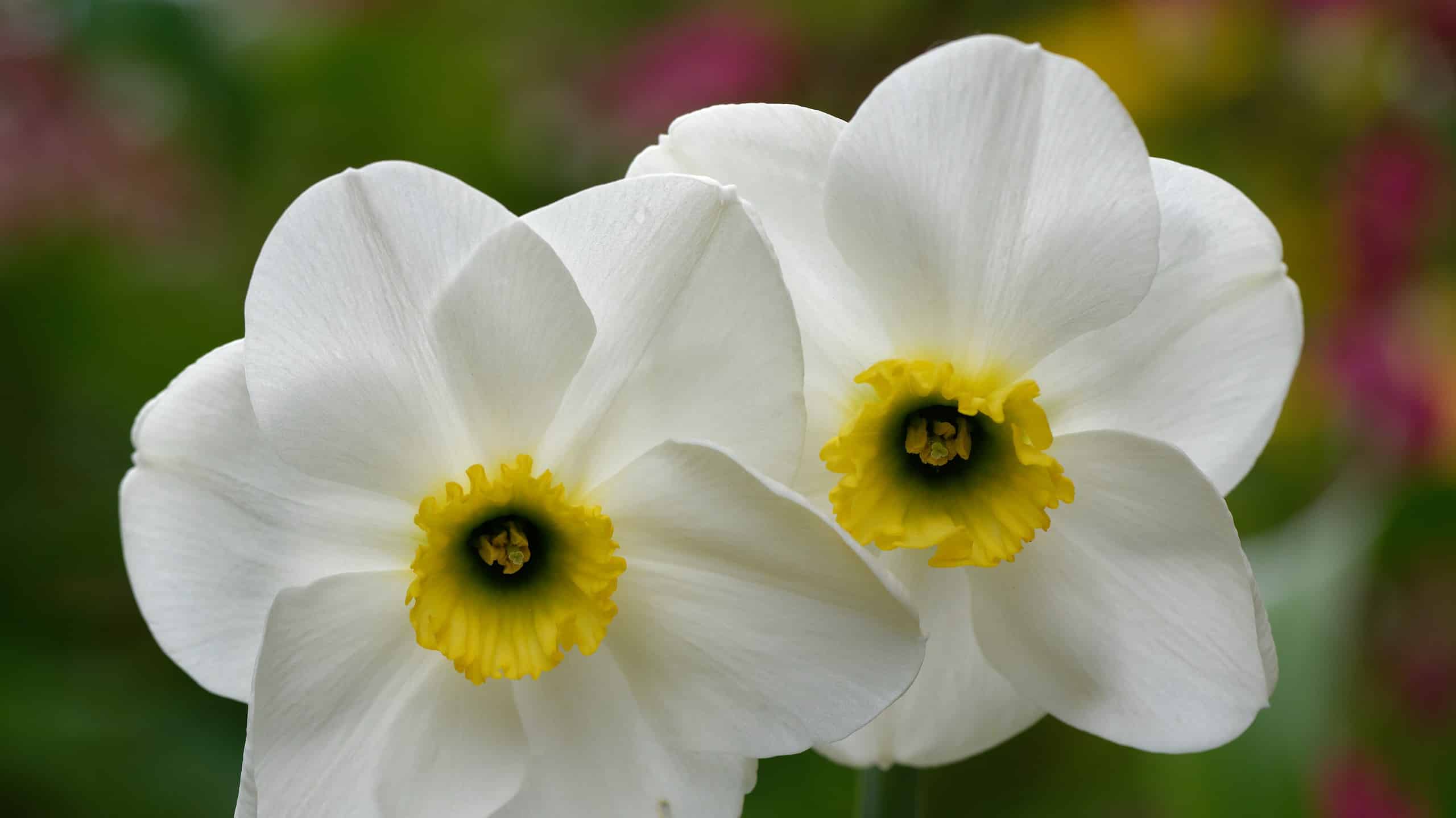
©Walter Erhardt/Shutterstock.com
Daffodils are often considered among the most beautiful flowers, but beware of one type, the narcissus plant, which is poisonous. All portions of this flower, including the bulbs, stems, and leaves, contain toxins. The toxic chemical at fault is called lycorine, and if you eat it, you could experience three hours of vomiting, abdominal pain, and nausea. Potentially more extreme symptoms, such as damage to the liver and low blood pressure, are possible. Drinking water can help alleviate symptoms, but additional medical care may still be necessary.
Heartleaf Philodendron
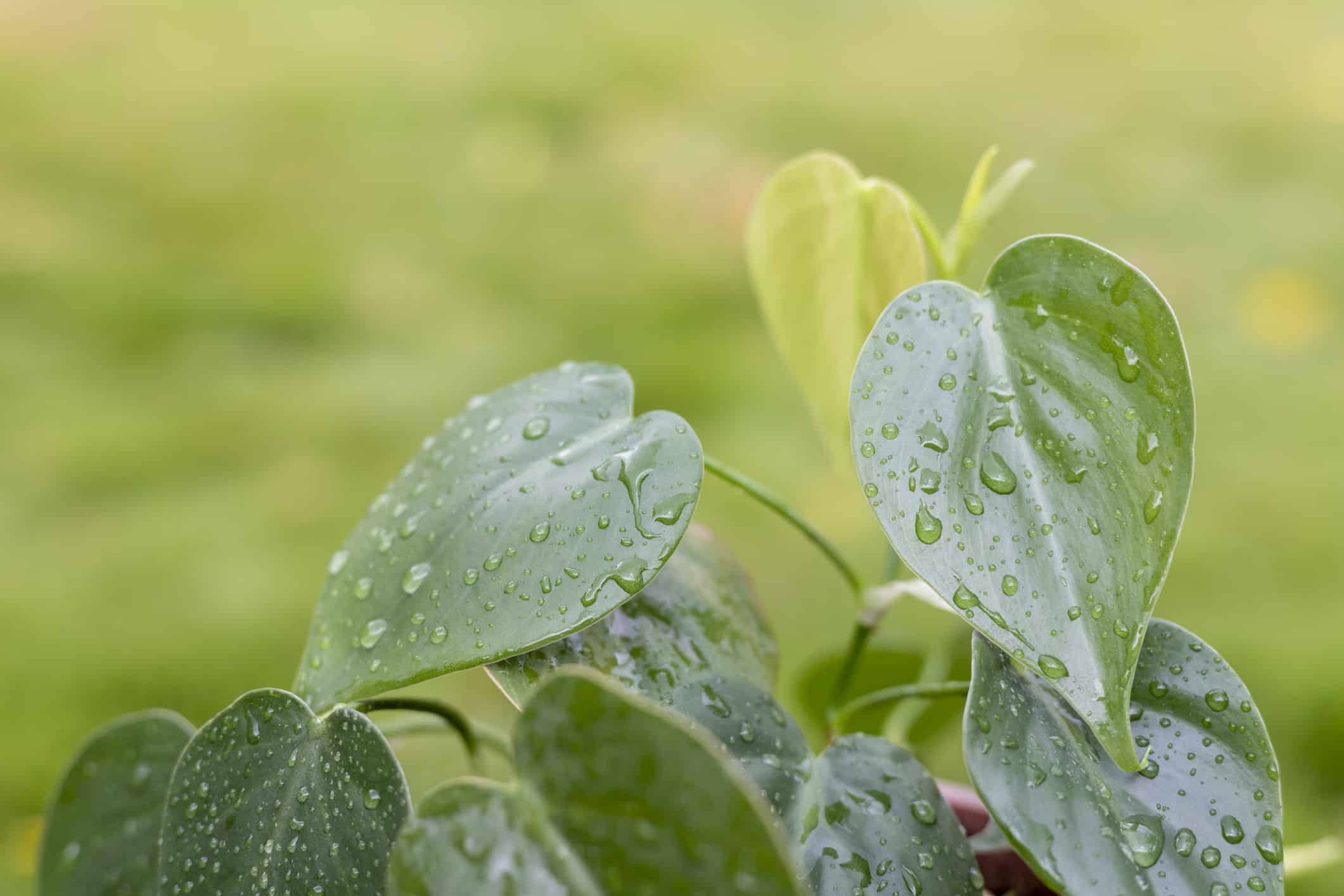
©iStock.com/Bilal photos
Be cautious if you find a Heartleaf Philodendron plant in someone’s home or backyard. Looking and touching are mostly okay, but if you or a pet ingests the leaves, it can lead to pain and discomfort. The culprit is the calcium oxalate crystals found in the sap. Getting it in your mouth can lead to burning sensations, oral irritation, and difficulty swallowing. If you think you have been affected, don’t make yourself throw up, but seek medical help.
Nerium Oleander
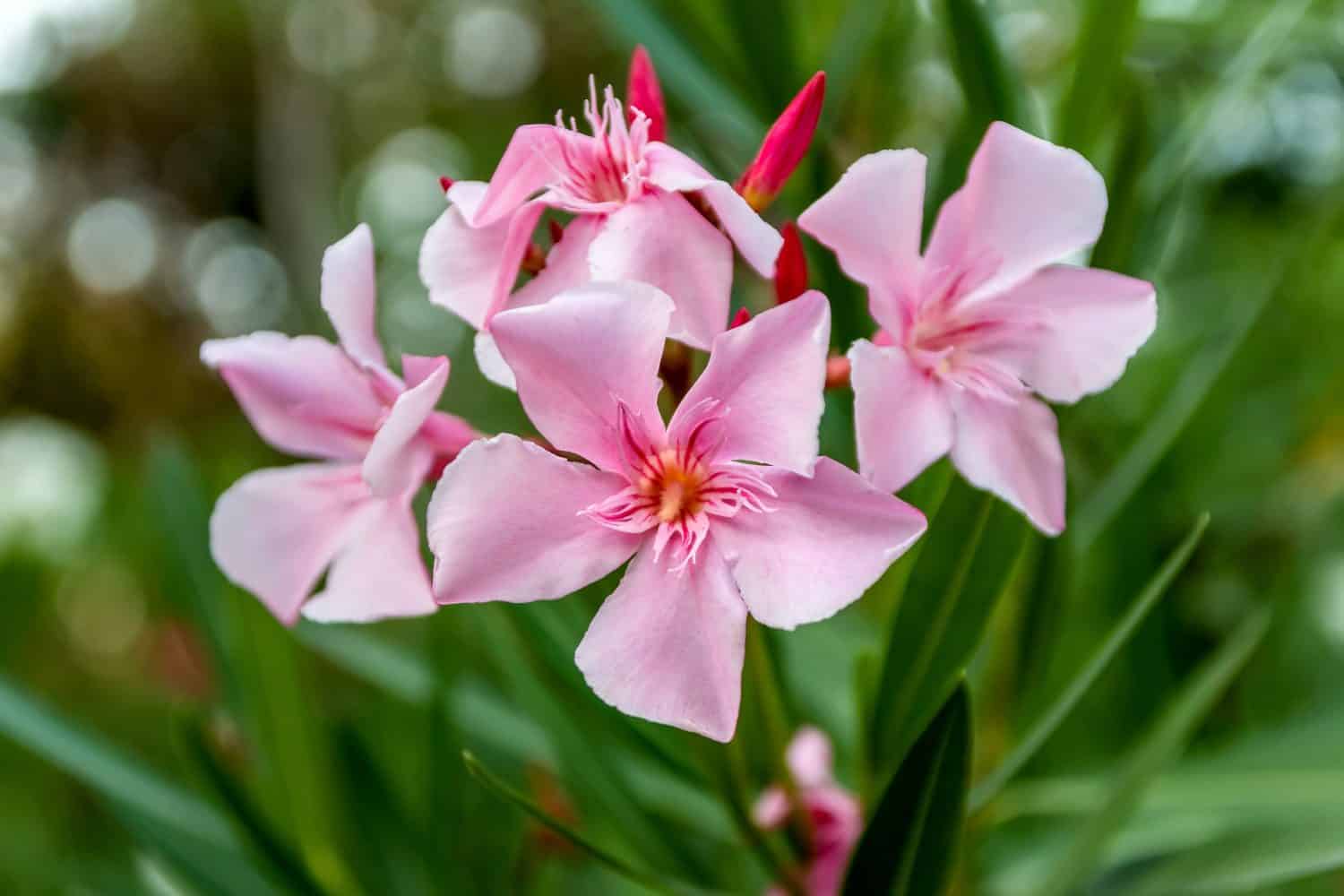
©Dmitrii Brodovoi/Shutterstock.com
One of the most poisonous plants you can find in your backyard is the Nerium Oleander. This gorgeous plant has long green leaves and flowers in a variety of colors. The flowers often have a lovely fragrance, which can make them hard to avoid. However, the plant is extremely toxic with numerous poisonous elements, including oleandrin, digitoxigenin, and neriin. Ingesting parts of the plant can lead to serious issues, including weakness, low blood pressure, irregular heartbeat, blurred vision, and abdominal pain. The flower can also affect your nervous system, making it one of the most dangerous plants on this list.
English Ivy
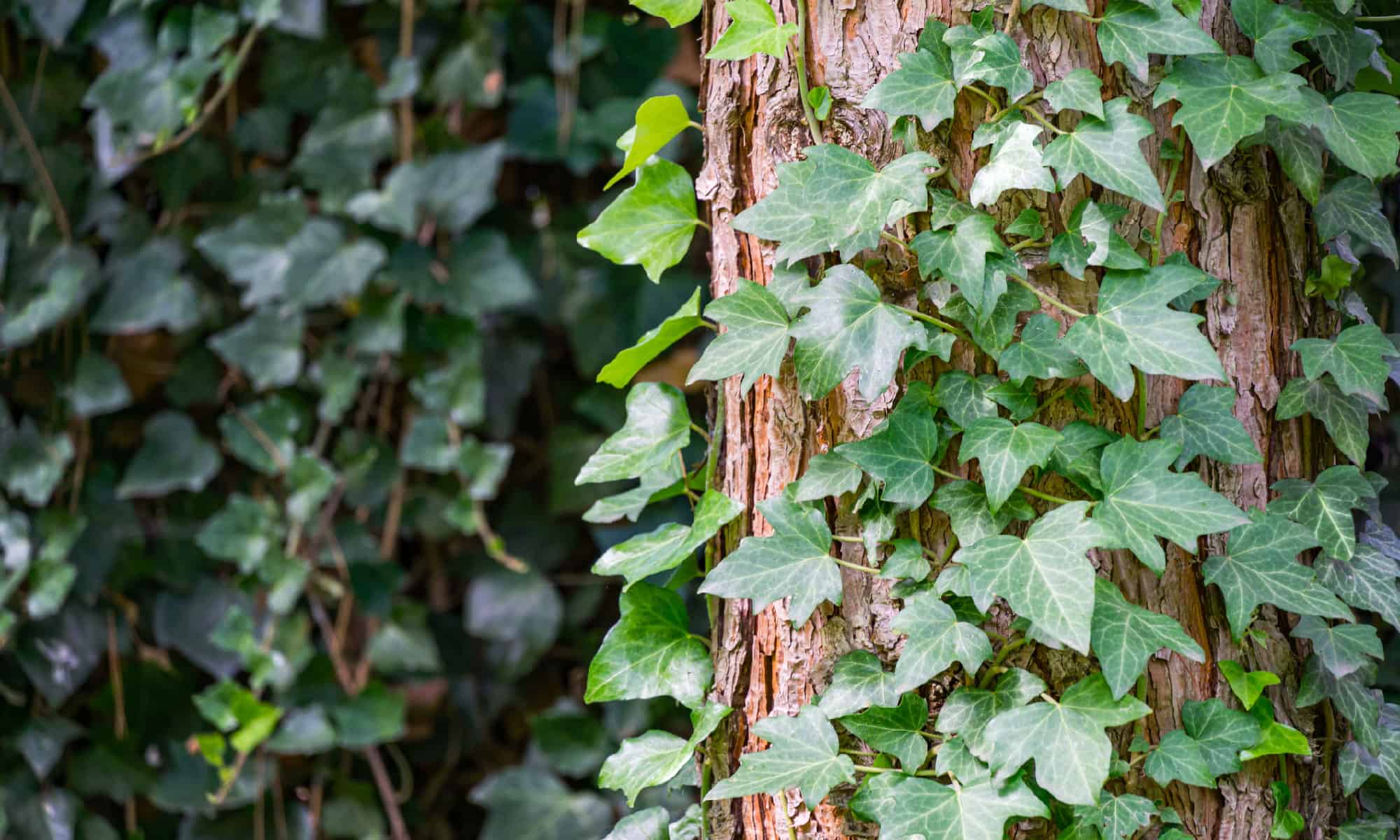
©iStock.com/Marina Denisenko
When it comes to English Ivy, you need to be cautious of the sap. Touching the plant usually doesn’t cause problems, but if you touch your mouth or ingest the sap, it can cause irritation of the mouth, stomach, and skin. Be especially careful with pets. If they experience similar symptoms, then get veterinary care. It’s not the most hazardous plant on this list, but be cautious nonetheless.
Azalea
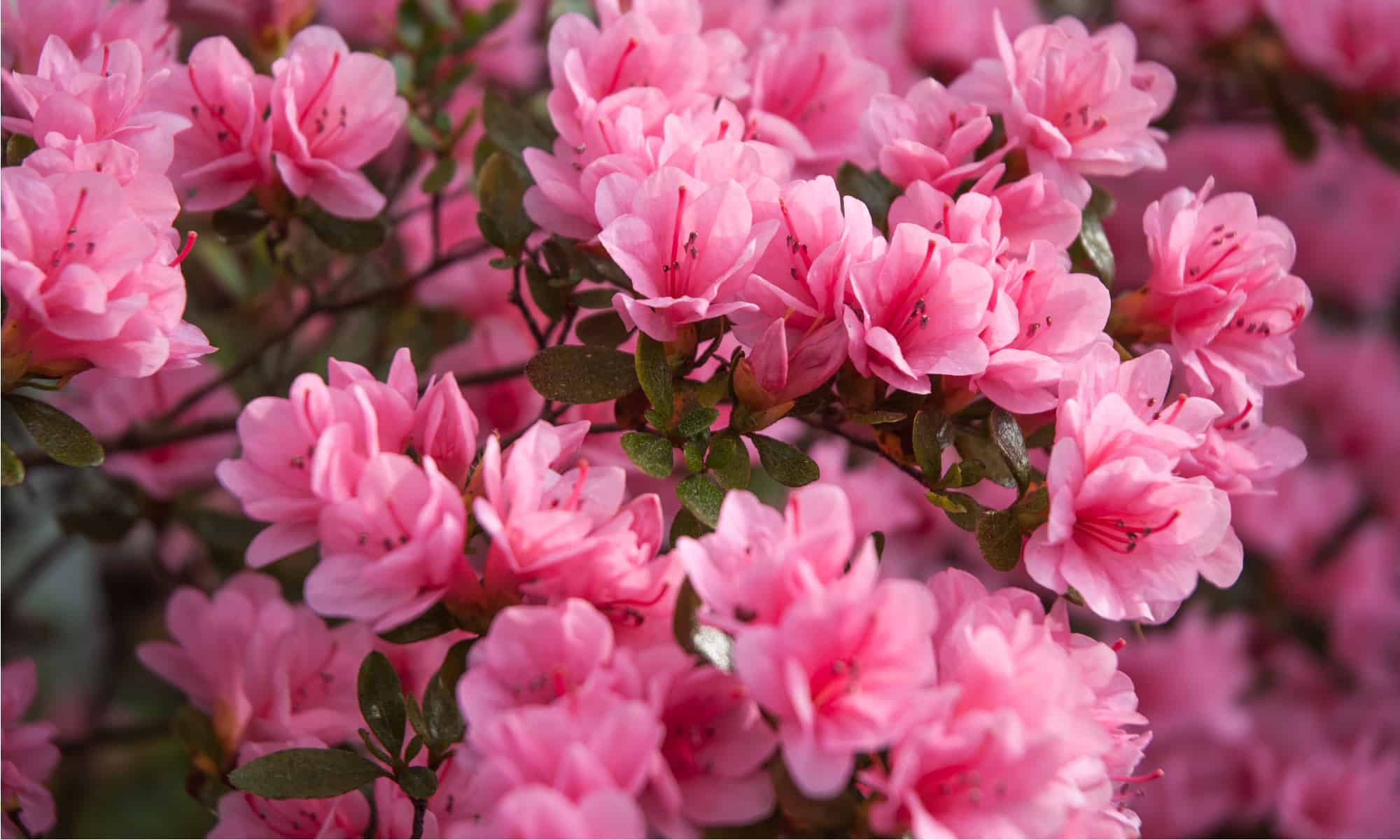
©PatGallery/Shutterstock.com
The gorgeous azalea flower can be quite captivating, but it’s also poisonous and can cause issues for humans and animals, especially for dogs and cats. The symptoms can range from vomiting, diarrhea, and weakness. However, if enough is ingested, there’s also the chance of cardiac failure. The issue is that the leaves, flowers, and stems all contain grayanotoxins, which cause the harmful symptoms.
Poison Sumac
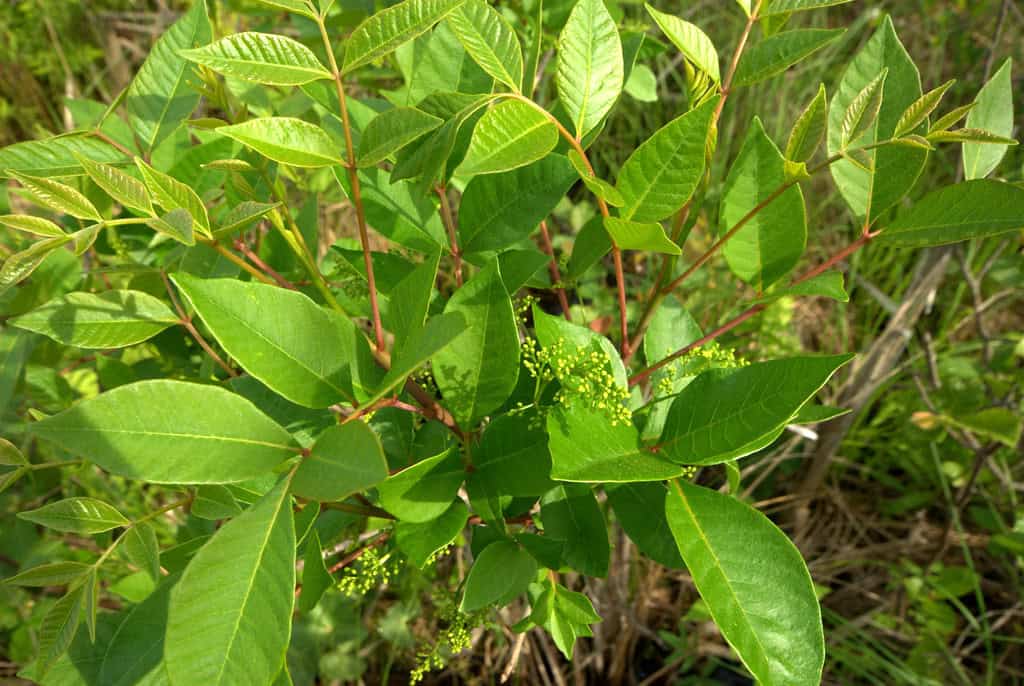
©"Poison Sumac (Toxicodendron vermix)" by wackybadger is licensed under BY-SA 2.0. - Original / License
Finally, one of the poisonous plants you must avoid is poison sumac, which is arguably one of the least recognizable of the poison ivy variants. A poison sumac plant can be identified by a cluster of seven to 13 smooth leaves arranged in pairs. If you’re walking through the forest, you’re unlikely to notice anything different, and that’s when you can make contact. There are other sumac trees that are not poisonous, so be cautious. Like poison ivy and oak, symptoms of contact can include redness, itching, blisters, and irritation that a medical provider will need to quell.