
Introduction
If you have ever owned a dog or even been around one for a while, you know that they love food. Most dogs will try to eat almost anything that is offered to them or that they discover laying around. If it smells good, odds are they will try it! This is because dogs’ ancestors had to hunt for food to survive, so the natural instinct to sniff out possible sustenance and try anything that seems edible remains. Because wild dogs never knew when their next meal would be, they would gorge themselves whenever they found a food source in order to have enough energy until they could find their next meal. This is why our dogs always seem hungry, wolfing down any food that is provided to them in what seems like no time at all. Additionally, dogs have an incredible sense of smell – the part of their brain that processes scents is 40 times larger than ours! Because smell and taste are so closely linked, dogs are driven to taste anything that triggers their olfactory senses, making them eat even when they don’t need to. If your dog has not been eating as much recently, it probably seems incredibly out of the ordinary, but there are several explanations for the behavior. Here are the 6 reasons why your dog doesn’t want to eat.
Recent Vaccinations
It is extremely important to make sure your dog is up to date on all of its vaccination in order to ensure it lives a healthy and long life. However, vaccinations can often cause dogs to feel sick or uneasy for a few days after they are administered. If your dog feels nauseous or sick to their stomach, it may refuse to eat for a short period of time. This is completely normal and their appetite should return to normal, but if they are still avoiding food after several days it may be wise to contact your veterinarian. Other symptoms following vaccination can include swelling at the site of injection, cold-like symptoms, lethargy, and sneezing. There isn’t much you can do to prevent reactions to vaccines for your dog, but if you own a smaller dog you should expect reactive symptoms to be slightly more severe than they would be in larger dogs. Symptoms usually subside around 48 hours after injection, but if they continue professional consultation may be necessary.

Dental Issues
If something in your dog’s mouth is causing pain or discomfort, eating will be far less enjoyable and it may refuse to eat altogether. If it seems like your dog is uncomfortable eating, it may be wise to check for broken teeth or irritated gums. Sometimes the problem may not be visible to the naked eye, such as a rotten tooth abscess. In more severe cases, the issue could be a condition called periodontal disease. This is caused when periodontitis bacteria enter the mouth and infect the dog’s oral cavity. Symptoms include bad breath, yellowing teeth, blood in saliva, and loss of appetite. Periodontal disease can be prevented by regularly brushing your dog’s teeth and making sure they have good oral hygiene. Aside from brushing your dog’s teeth, there are many great products that can remove plaque and ensure that your dog’s mouth stays clean and healthy.
Your Dog Ate a Foreign Object
Because dogs are such curious eaters, occasionally they will try to consume something inedible. When this happens, it is easy for the foreign object to cause an obstruction in their digestive system, especially when it is something large that may give the illusion of feeling full. When there is a blockage, they will have trouble digesting anything they do eat, causing stomach pains that discourage them from eating any more food. If you notice pieces of plastic or other materials in your dog’s stool, it is probable that it has successfully cleared the blockage and will regain its appetite shortly thereafter. However, if your dog is having irregular bowel movements or refusing to go to the bathroom altogether, it is possible that they have consumed a foreign object. If the issue does not go away, your veterinarian can perform an x-ray on your dog and determine the best course of action to restore its appetite and nurse it back to health.
Illness
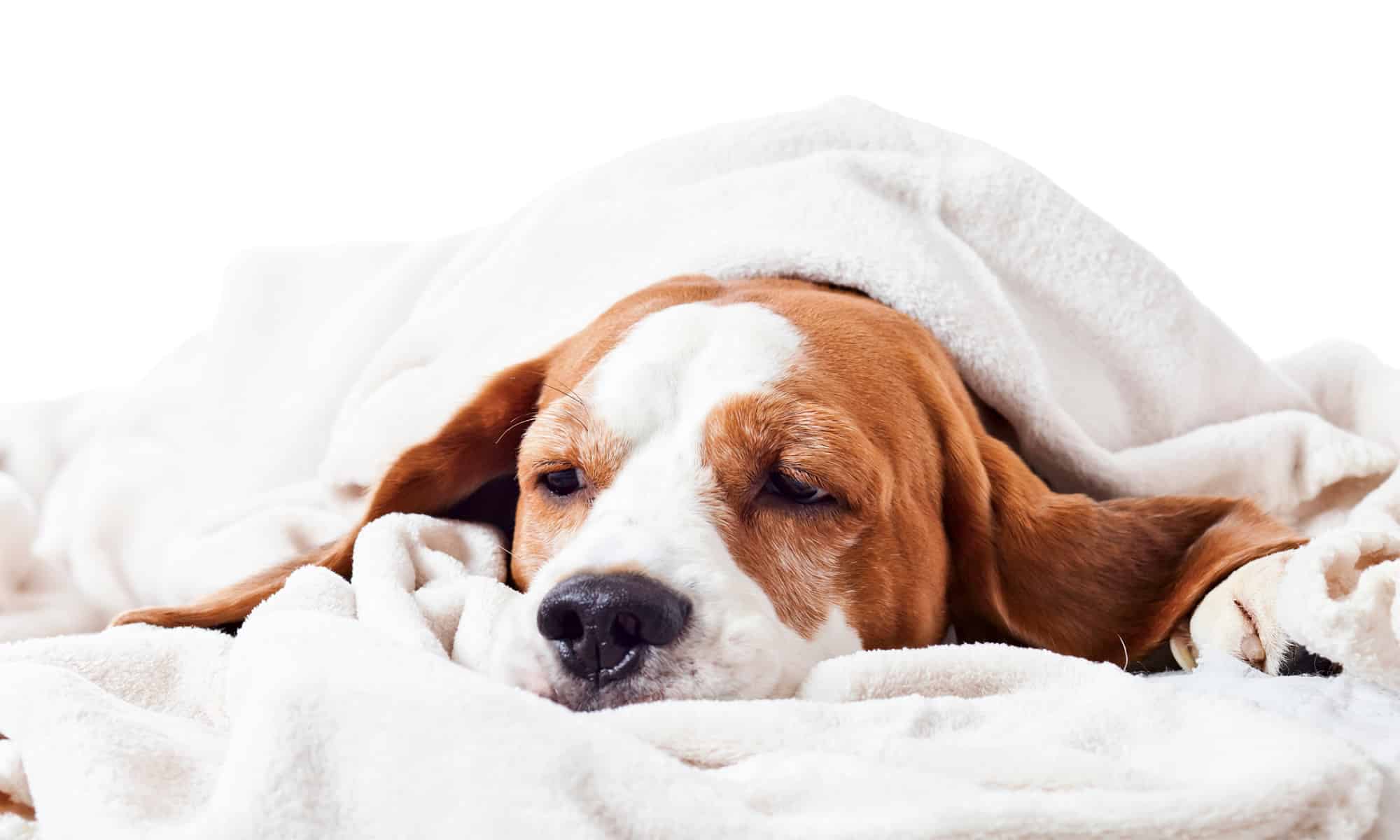
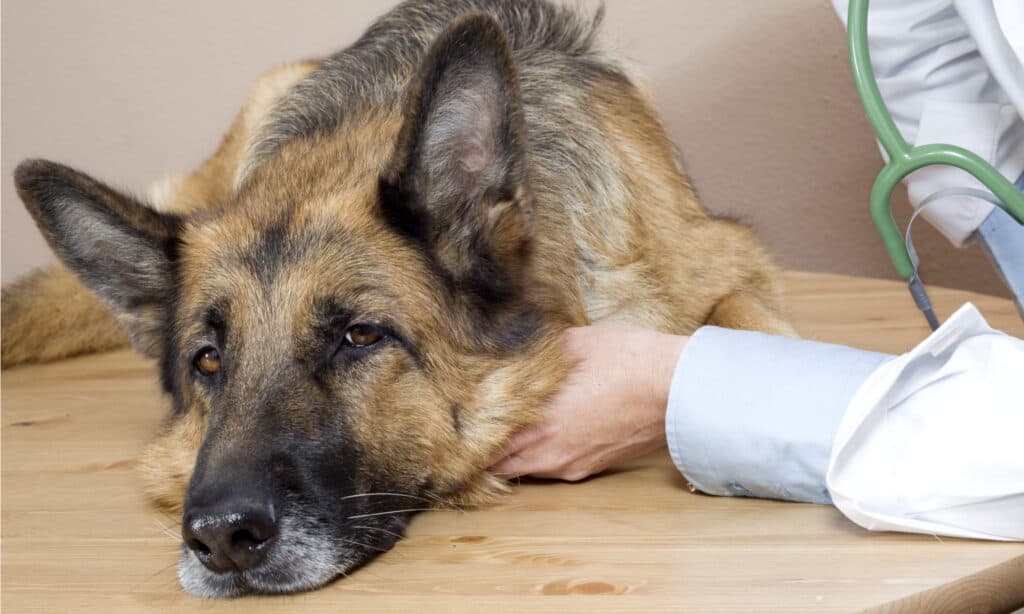
When dogs experience an illness that makes them nauseous or causes general discomfort, they often stop eating until the pain subsides. When sickness is the main cause of loss of appetite, you should notice that your dog is sleeping a lot more and is not as active or energetic. This is because its body is focusing the majority of its energy to fight off the illness, sacrificing things like appetite in the process. Your dog will usually begin to feel better in about 48 hours, but if its loss of appetite is accompanied by vomiting or diarrhea, you should contact your veterinarian immediately to ensure that your dog does not have a more serious underlying condition. To get your dog to eat while it is feeling under the weather, you can try methods like hand-feeding, warming up the food in the microwave, softening the food with water, and adding ingredients like chicken broth to the food to make it more appetizing.
If your dog is feeling ill, it can impact its appetite.
©Roger costa morera/Shutterstock.com
Attachment Issues
Dogs are incredibly relational creatures, and often prefer to eat their meals in packs or with their owners. They often display loss of appetite when their owners leave for long periods of time for things like vacations or work trips. If your dog is used to eating its meals with you or someone else, it may be confused or stressed when that routine changes, leading to a loss in appetite. However, they will eventually get hungry enough to the point where they will eat anyway. In some cases, especially if the dog has lost a loved one such as an owner or fellow dog friend, it may take it a longer time to regain its appetite. If your dog’s appetite never returns after a traumatic experience like this, it may be wise to speak to a veterinarian about medication that can alleviate the dog’s stress and help them feel content again.
It Doesn’t Like its Food
While dogs are known to eat almost anything, it can be possible that your dog is a picky eater. If you have a habit of feeding your dog table scraps or a wide variety of foods, it may be hard for it to go back to eating basic dry dog food. It could also become more of a picky eater if it is fed at inconsistent times without a well-established routine. Picky eating is especially common in puppies, as they are just getting used to the world and all the experiences that come with it. If you believe your dog is a picky eater, it can be helpful to try out different types of dog food to see if there is one it likes better than the others. There are many great brands of dog food that taste great and provide balanced nutrition to ensure that they live long, healthy lives.
Conclusion
In serious cases, it might be advisable to contact a veterinarian if your dog has been consistently refusing to eat and is showing changes in behavior or attitude. However, most of the time you can improve your dog’s appetite through proper care. Plenty of exercise, a well-established routine, love and affection, and regular check-ups with your local veterinarian will all ensure that your dog is content and healthy, preventing issues like loss of appetite. Because eating is such a big part of every dog’s life, proper nutrition should be one of the primary focuses of every dog’s care. With good nutrition and a well-balanced diet, you can ensure that your dog is healthy and eating adequately. If all else fails and your dog still does not seem to have an appetite, a veterinarian should be consulted to make sure that there are no serious underlying conditions such as cancer or a gastrointestinal infection.
Up Next:
- The Best Large Breed Dog Food
- 9 Real Reasons Your Dog Is Licking The Air
- All Of Your Dog’s Strange Behaviors, Explained
- Dog Eating Dirt? Here’s Why, and What To Do About It
- The Best Hill’s Science Diet Dog Food: Reviewed and Ranked