
Quick Take
- Swatting at a wasp does not scare it off. Instead, it triggers something that makes your situation dramatically worse. Why swatting backfires →
- One common outdoor habit is responsible for a surprising number of stings to the mouth and throat, something most people do without a second thought. Habits that invite stings →
- Removing a bee stinger the way most people instinctively do actually pumps more venom into your skin. Proper stinger removal →
- Late-summer wasps aren't just more numerous. There's a biological reason they're also more desperate, and it changes how you should act around them. The biology behind aggression →
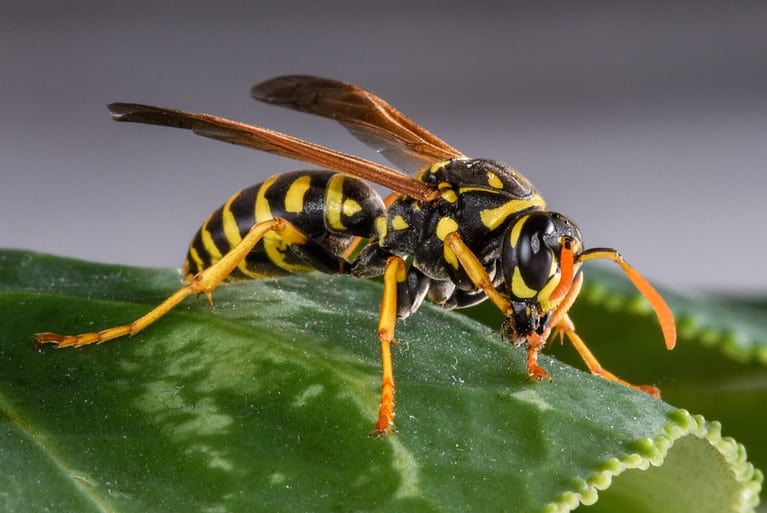
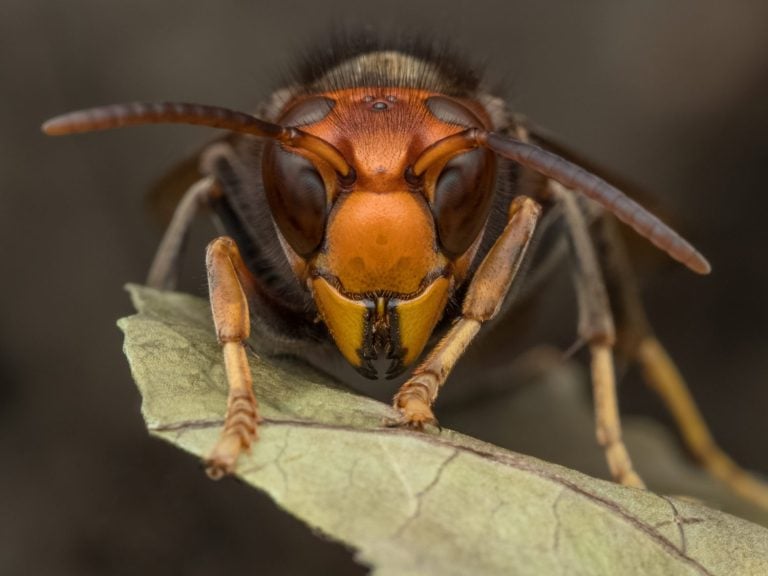
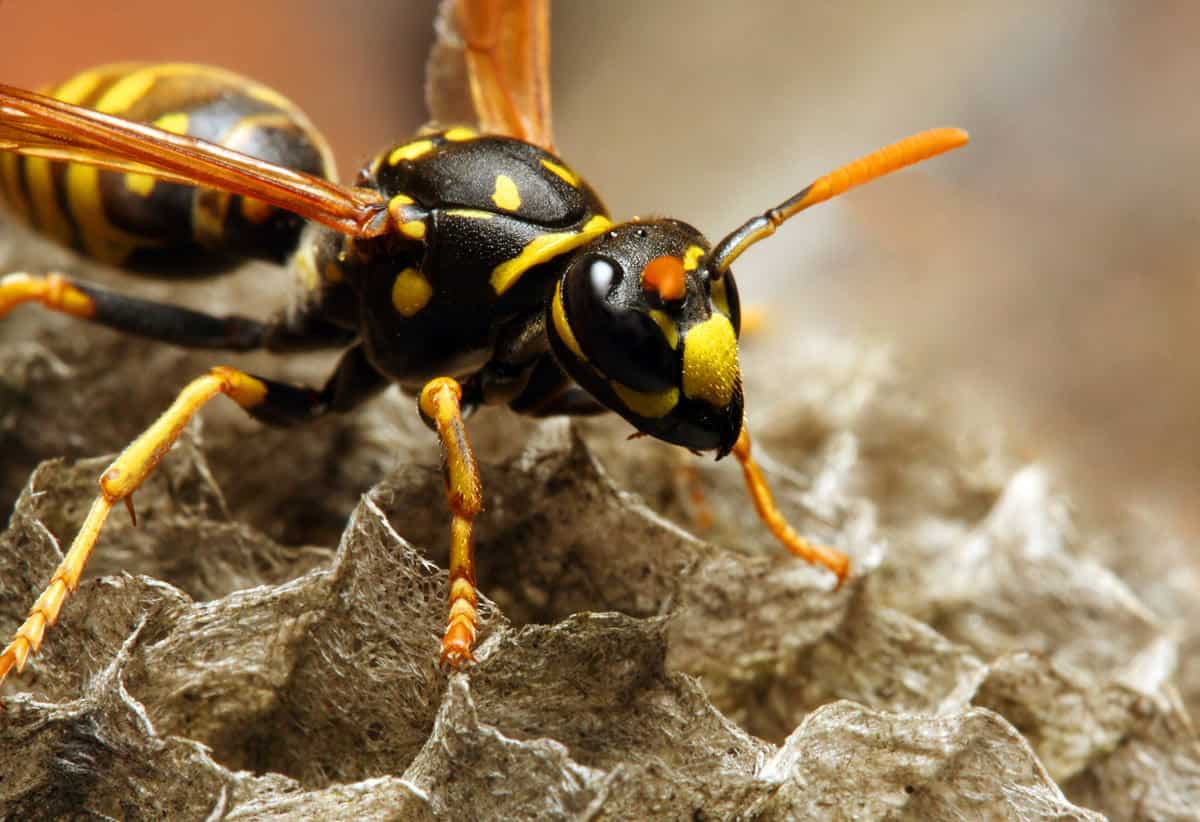
A yellowjacket circles your drink, lands on the rim and crawls toward the opening. The reflex is to swat it away. That reflex is behind a large share of stings.
Yellowjacket colonies peak in late summer and early fall. In much of the U.S., they stay active until the first hard frost. Mid-fall is when encounters at picnic tables, trash cans and garden beds are most frequent, which makes it the right time to know what works and what makes things worse.
Continue reading
Why Swatting Backfires
A yellowjacket hovering near your food is looking for something to eat. It is not hunting you. Stings usually come when the insect is threatened. University of Kentucky entomologists note that most stings happen when foragers are slapped or trapped against the skin.
Near a nest, the stakes rise. When the colony feels threatened, alarm pheromones (chemical signals) draw more defenders toward the intruder, which is how one sting can quickly become several.
What helps instead:
- stay calm and keep your movements slow;
- if a wasp lands on you, wait for it to leave or brush it off gently;
- walk away steadily rather than running and flailing.
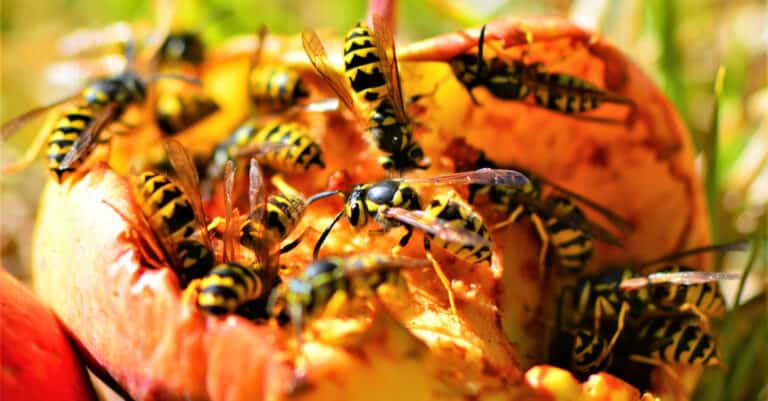
Fall biology adds pressure. By this point, a single nest can hold thousands of workers. The colony stops producing new workers and turns to raising next year’s queens and males. With insect prey scarce and flowers fading, foragers go looking for sugar wherever they can find it. In late September, a Chicago-area pest control company told Axios it was getting many calls about nests in siding, yards and trees.
Stopping Stings Before They Happen
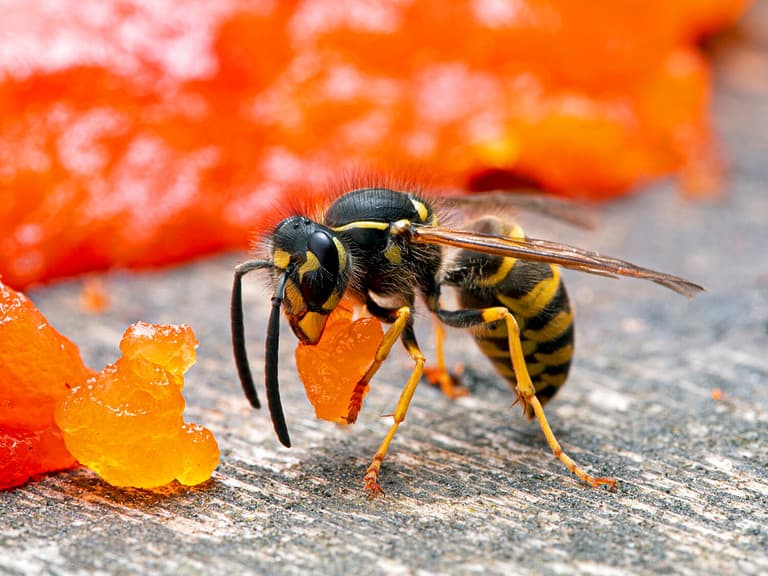
Sweet drinks are the biggest lure. A yellowjacket can crawl inside an open can unseen, and taking a sip is a common way to be stung in the mouth or throat. Use cups with lids or straws, and look before you drink.
Keep trash and recycling bins closed, clean up spills and leftovers quickly, and move food indoors when wasps start gathering.
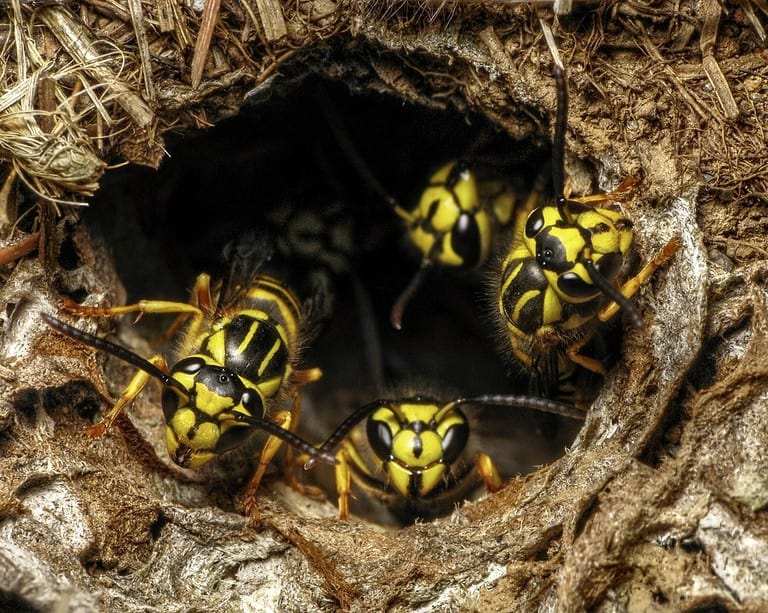
Fall yard work is another risk. Trimming shrubs and clearing beds can disturb nests hidden in vegetation or underground. A University of Florida extension agent advised gardeners this September to probe plants with a stick before reaching in. Ground nests can have more than one entrance. If you see wasps flying in and out of the same spot, leave it alone. Do not plug or spray the opening yourself.
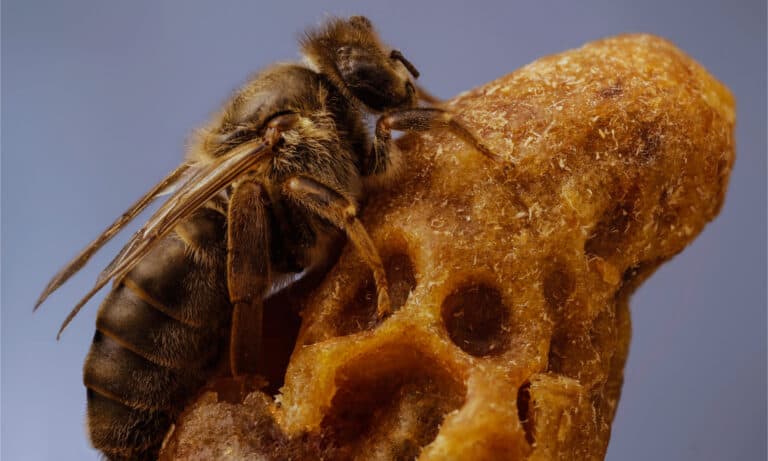
The season also offers a shortcut. Cold weather kills yellowjacket colonies, and abandoned nests are not reused. A nest well away from doors, paths and play areas can often be left to die off on its own. Nests by entryways, inside walls or where children play are worth calling a professional for. A-Z Animals has a full guide to which nests can be ignored. Honey bees and bumblebees are pollinators, so a swarm or hive should go to a local beekeeper rather than an exterminator.
What to Do After a Sting
For most people, a yellowjacket sting is painful but not dangerous. Wash the area with soap and water, apply a cold pack to limit swelling, and take an over-the-counter antihistamine if needed. Avoid scratching.
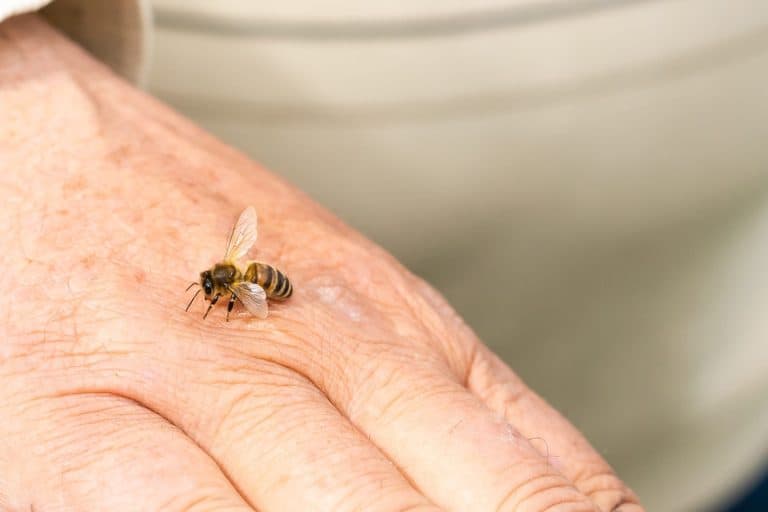
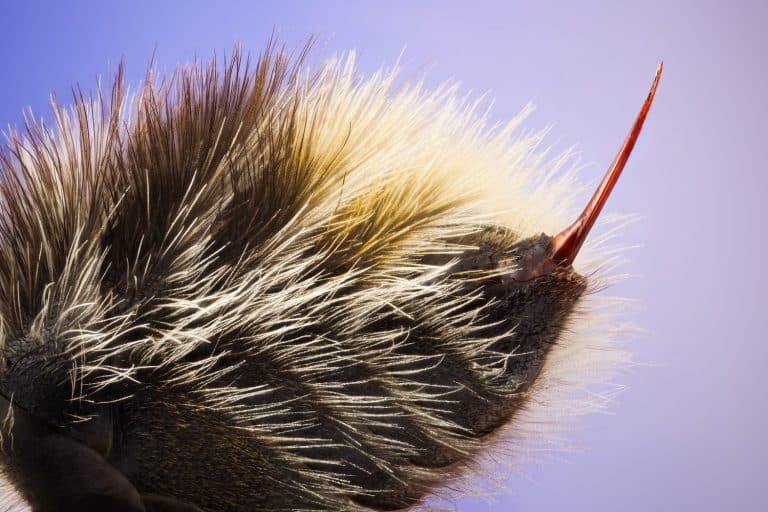
Yellowjackets can sting more than once. Honey bees leave their stinger behind. Older advice said to scrape it out with a card and never pinch it. Research summarized by UC Riverside found no significant difference between scraping and pinching. What mattered was speed: the longer the stinger stayed in, even for a few seconds, the bigger the reaction. Remove it right away with whatever works.
Some reactions are emergencies. Call 911 and use a prescribed epinephrine auto-injector if someone has:
- trouble breathing;
- swelling of the face or throat;
- dizziness;
- a racing heartbeat;
- hives spreading across the body.
Federal health data show that stings from hornets, wasps and bees kill about 72 people a year in the U.S., most of them men. Anyone with a known allergy should carry epinephrine outdoors and let hosts or coaches know in advance.
The colony around your patio has only a few weeks left. Covering drinks, keeping movements slow and leaving distant nests alone is usually enough to get through them without a sting.