
Quick Take
- Bears use two completely different signals to decide when to sleep and when to wake up, but only one of them is broken by climate change. See the two signals →
- A warming fall doesn't just delay hibernation. It can trap bears in a feedback loop that's surprisingly hard to escape. Explore the feedback loop →
- Scientists watched 22,000 hours of bears doing almost nothing, and the boring parts turned out to be the most revealing. See how the study worked →
- The finding that should reassure bear researchers actually makes one part of the problem worse. Unpack the limitation →
What sends a black bear into its den for the winter is the cold. What brings it back out in spring is something else entirely: how long the sun stays up.
That split comes from four pregnant wild black bears who spent the winter of 2015 to 2016 at a research center in Virginia. They lived under a tin roof but otherwise out in real weather, real cold and real daylight, with cameras rolling around the clock. The researchers ended up with more than 22,000 hours of video. Watching all of it back to back would take about two and a half years.
Somewhere in that footage is the trigger for going into hibernation. It’s also the part that has the scientists worried about what a warming fall does to bears.
Two doors, two different keys
Here’s the finding, as plainly as I can put it. The way into the den answers to how cold it’s outside. The way out answers more to how long the sun is up.
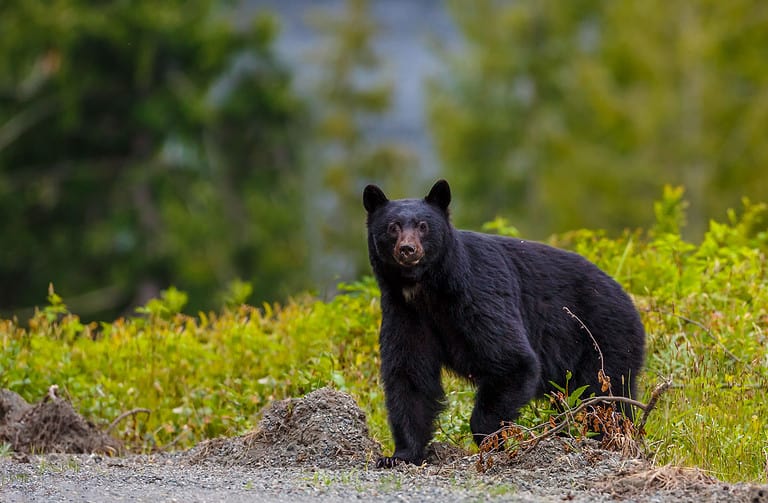
Bears Aren’t Hungriest After Hibernation — They’re Hungriest Now
©Michael Tatman/Shutterstock.com
As the bears wound down toward hibernation in the fall, temperature was almost entirely responsible for how active the bears were. Cold told them it was time to settle in.
Around spring, when the bears were waking up and getting ready to leave the den, day length mattered more than temperature. The authors say photoperiod, their word for day length, was the stronger driver for the stages tied to den emergence. As far as they know, nobody had ever tested how these two signals work together in bear hibernation before.
Going in works like a thermometer. Coming out works more like a calendar.
Watching bears do almost nothing
The four bears were wild. The Virginia Department of Wildlife Resources had trapped them because they might serve as stand-in mothers for orphaned cubs, and once the study wrapped they were released back into the wild with their cubs in May 2016. Each one lived in a round enclosure with a metal culvert standing in for a den and hay to build a nest, and the whole setup sat open to the real outdoor temperature, humidity and daylight.

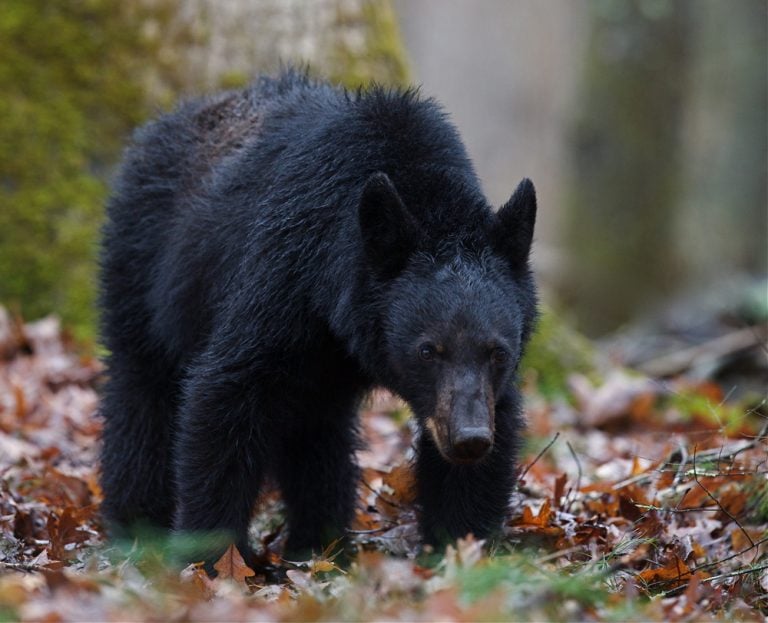
When Do Bears Hibernate? Timing and 7 Amazing Facts
©Suzan Johnson/iStock via Getty Images
Most of what the cameras captured was a bear doing nothing at all. Across the whole study, the bears were lying down or asleep about ninety percent of the time they were observed. Pick any ten minutes from that footage and nine of them show a bear at rest.
The bears stirred the most around spring emergence and during their fall feeding push, and the least in the depths of early hibernation, before their cubs were even born. They were also more active during the day than at night, in every single stage of the year.
Someone had to sit through all of that stillness to catch the handful of minutes when a bear moved, and then match those minutes against the thermometer and the sunrise. It’s slow, patient work. It’s also exactly how you get an answer this clean.
The signal that can’t be changed
Here’s why the split matters. Climate change is warming the air, but day length hasn’t changed at all.
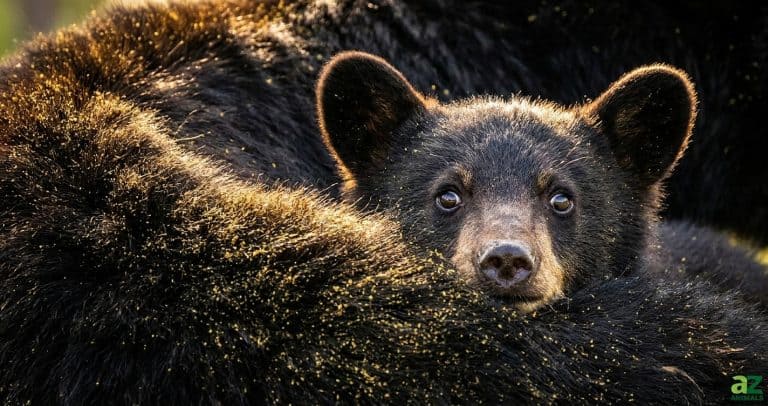
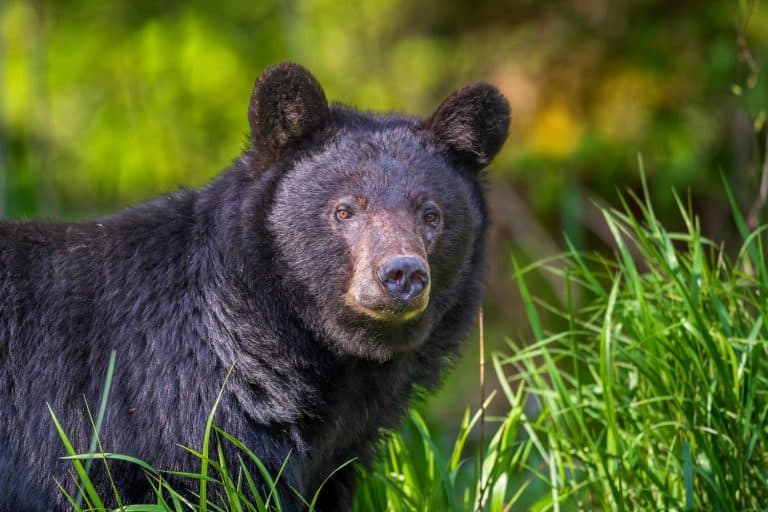
This Is When Black Bears Are Active in North Carolina
©Holly Kuchera/Shutterstock.com
The researchers note that in a lot of regions, temperatures have shifted with climate change while day length has stayed exactly where it’s always been, and they say that mismatch could throw off the mechanisms that drive bears into hibernation and back out of it. The National Oceanic and Atmospheric Administration projects that Virginia has somewhere between a 30 and 50 percent probability of running warmer in both December and April. That’s roughly coin-flip odds, or better, that those months trend hot.
The authors write that warmer, later fall weather paired with earlier spring warmth could push bears toward both a later den entrance and an earlier emergence, and that the fall side is where the effect could hit hardest, stretching out the timing of when bears finally settle in. Spring emergence, they say, looks more tightly tied to the steady cue of day length, while fall activity is the one that responds to how warm or cold a given year happens to be.
The sun rises and sets on the same schedule it always has, no matter how hot the planet gets. So the spring wake-up call mostly holds its place. The fall bedtime is the one free to slide, because it’s waiting on a cold snap that keeps arriving later.
Awake with nothing to eat
This is where the worry gets specific. A bear that dens late is up and hungry in a landscape that has already shut down for winter.
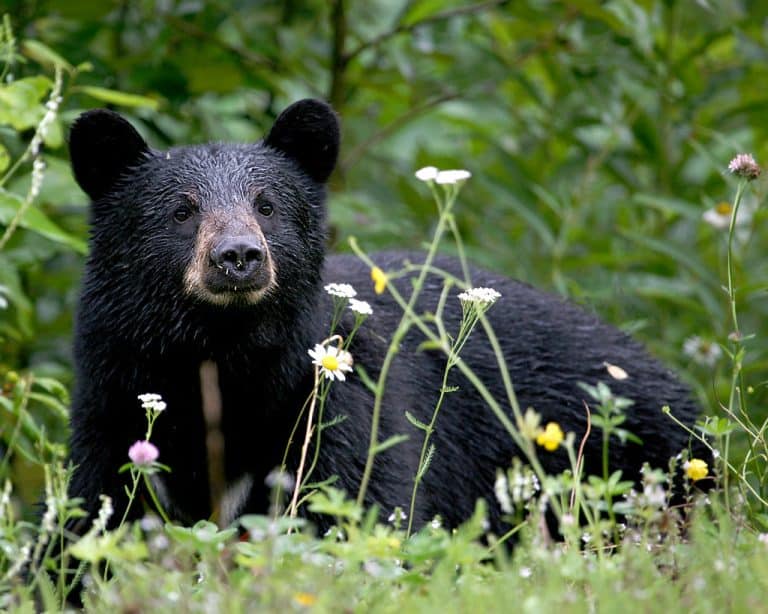
The Amazing Bodily Function Bears Still Perform Even During Hibernation
©ArCaLu/Shutterstock.com
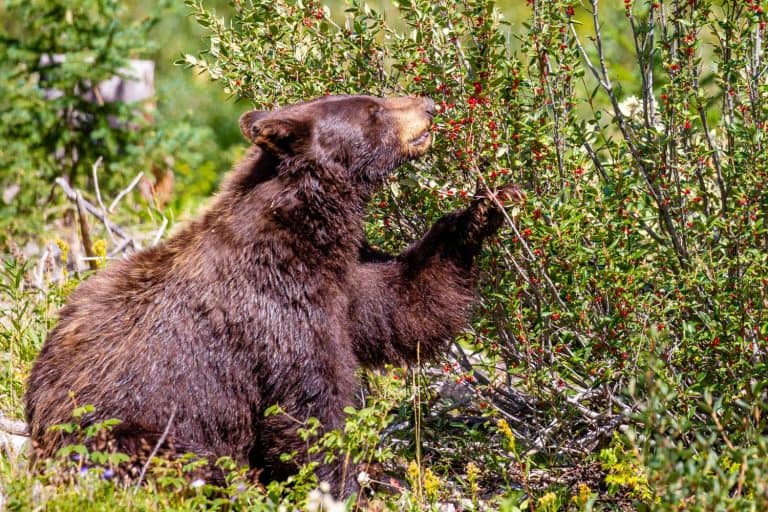
The authors warn it could be a real problem if bears den later and emerge earlier, then go looking for food across a landscape where the plants are dormant or already frost-damaged. That could push bears toward garbage cans and pet food left outside instead, which means more run-ins between bears and people. Blueberries, a staple food for black bears wherever they live, are easily wrecked by a late frost.
There’s a nasty loop hiding in this too. A study the authors cite, by Kirby and colleagues, found that bears eating more human food hibernate for shorter stretches. So a bear that’s still awake in a warm fall, with the berries gone and the plants shut down, finds that the one thing that smells like food is a trash can. Raiding it means less hibernation. Less hibernation puts the bear right back at the can.
What four bears can and can’t tell us
The researchers are worried. They’re also careful about exactly what they’ve shown and what they haven’t.
They write that even though later denning and earlier emergence have been increasingly observed, there has been limited research on what that might actually do to a population, especially to how well bears survive and raise cubs. That gap is real. Seeing a signal shift and measuring the harm are two different jobs, and only the first one is done.
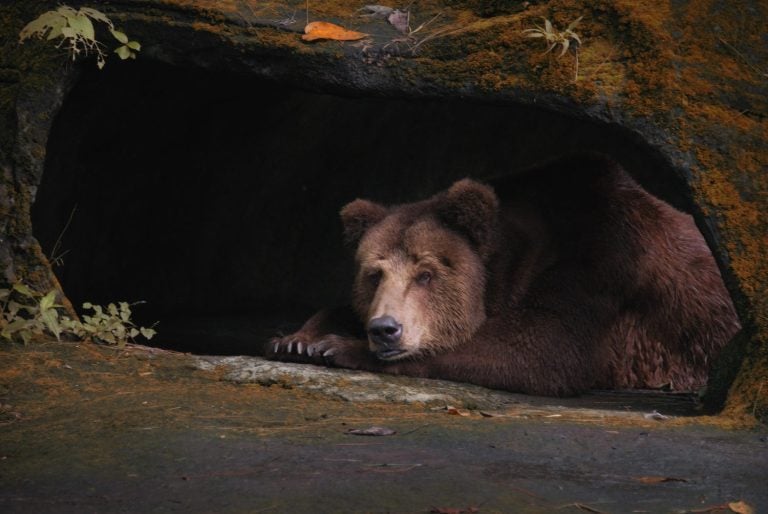
Inside the Den: The Habitats Where Bears Hibernate
©Dennis W Donohue/Shutterstock.com
The authors also point out something that cuts the other way. If day length is the main driver of bear hibernation overall, climate change might not strongly affect hibernation schedules at all, even as the world warms. This study followed just four pregnant females, temporarily captive and fed on a controlled schedule. The authors themselves note that all that resting may partly reflect being held in captivity.
The study shows which signal these bears were answering at each stage of the year, and follows it to a reasonable worry about garbage cans and shorter winters in the den. What it can’t do yet is tell us what any of that costs a bear population over time.
In May 2016, the four bears walked out of their dens with their cubs and went back to the wild. The days were stretching toward nearly fourteen hours of light, and day length told them it was time, right on schedule.
If Virginia’s falls keep warming, those bears’ daughters may go to bed later and later while still waking up exactly on time. What that gap does to them is a question the scientists have only just started to ask.