
Quick Take
- This creature weighs the same as a couple of paperclips, yet it hunts prey larger than itself. See their fierce hunting →
- The breakthrough discovery didn't happen in the wild, and the key evidence had actually been sitting in museum drawers for decades. Discover how it was found →
- Two animals can look virtually identical and still be completely different species, a distinction that took cutting-edge science to reveal. Meet the cryptic new species →
- Australia thought it had five planigale species, but scientists just found out that number was very wrong. See the updated species count →
Australia is home to some pretty unique animals, such as the red kangaroo and the platypus, both of which are not found anywhere else on Earth. Yet scientists are still discovering new things about the country’s mammal population. This research has an added urgency as many mammal populations decline across the continent. In the summer of 2026, a new species of a small but feisty marsupial was discovered, thanks to some painstaking investigative work.
Meet the Planigales
Australia’s marsupials are famous. In fact, around 70 percent of marsupial species live in Australia, Tasmania, New Guinea, and nearby islands. Marsupials are sometimes called ‘pouched mammals’ because they give birth to immature live young who climb from the mother’s birth canal to the nipples where they remain to continue their development.
We have seen images of kangaroos with baby joeys peeping from their mother’s pouches. The minute planigales, however, are not so well known. They are one of the Australasian marsupials that diversified during the late Miocene to early Pliocene period. At this time, the climate was drying, and open savannah and grassland habitats were opening up.
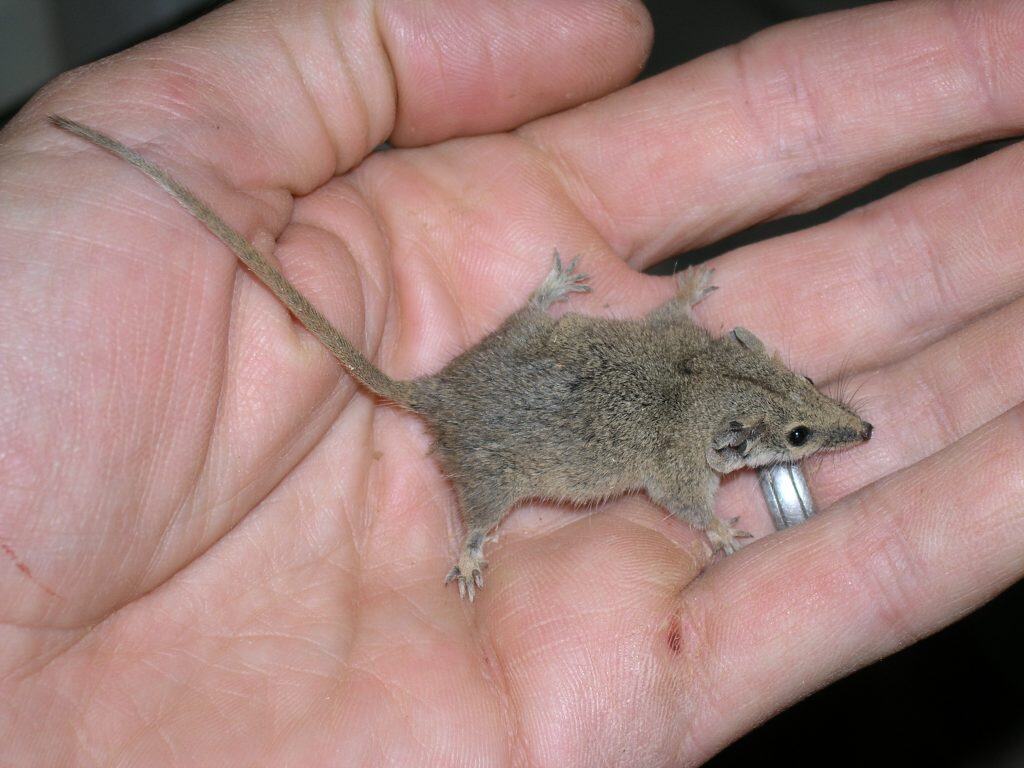
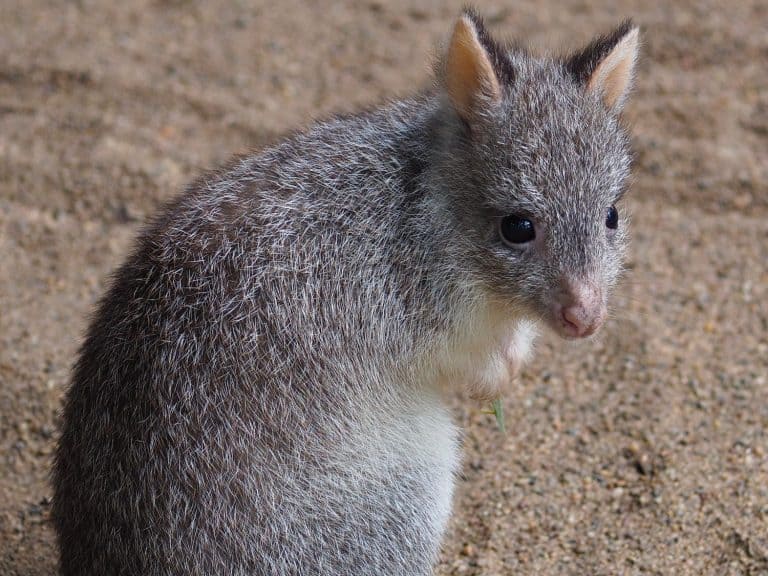
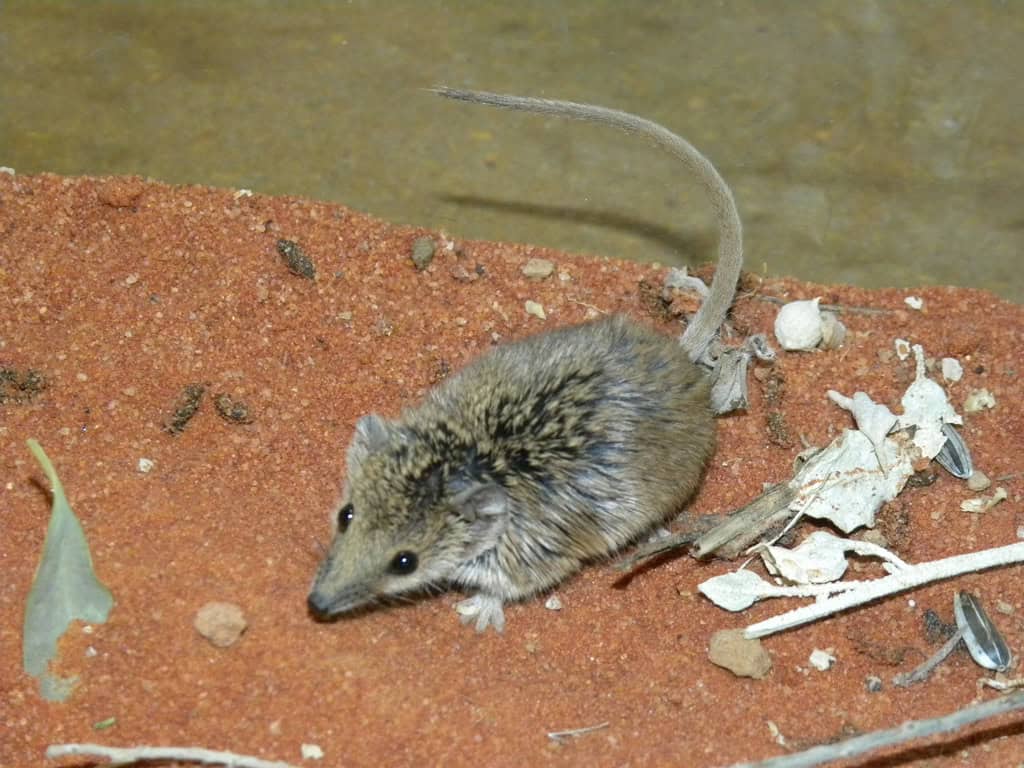
Planigales are tiny marsupials.
©David M Watson / CC BY-SA 4.0 / Wikimedia Commons – Original / License
The planigale marsupials have flattened heads so that they can squeeze into crevices where they hide from predators and bad weather. These guys are small! Some weigh the same as a couple of paperclips and are about half the length of a common house mouse. They are found in several areas across Australia and New Guinea.
What they lack in size, they make up for in ferocity. They feed at night, hunting for insects and spiders. However, they will also tackle larger creatures, including small lizards and mammals.
Finding a New Species
A previous genetic study found a new planigale species from Kakadu National Park, in the Northern Territory. However, only two members of this species were recorded, and they were both specimens held in the Museum and Art Gallery of the Northern Territory. This prompted researchers to check through more than 2000 planigale specimens in Australian museums. They found one more specimen that matched the two they already had.
In this study, samples from museums across Australia proved to be an invaluable resource in recognizing this new species. The samples of planigales underwent extensive measurements of their body weights and sizes as well as genetic testing. A process called integrative taxonomy was used to figure out if samples that had previously been regarded as one species were actually more. As many mammal species decline and become more difficult to find in the wild, scientists are relying more on museum collections, some of which hold specimens from 200 years ago!
Meet the Arnhem Plateau Planigale
The new species was named the Arnhem Plateau planigale. Its scientific name is Planigale petrophila, which means rock lover. This refers to the rocky plateau where the specimens were collected. Most other planigales live in swampy areas. The Arnhem Plateau planigales are larger than other planigales and have longer tails. They also have dark, grizzled fur.
However, it is important to stress that only three specimens have been examined so far: two males and one female. All of them were found within a 7-mile radius, and no new specimens have been collected since 2004. Their full range is as yet unknown, and scientists will need to carry out surveys and conservation assessments to determine whether their population is under threat. Given the decline in other animal species in the area, this is needed as a matter of urgency.
More New Planigales Discovered
The same research revealed that there was more to the Planigale ingrami species of planigales than had been previously thought! We know that they live in the deep cracks of heavy clay soil plains across northern Australia.
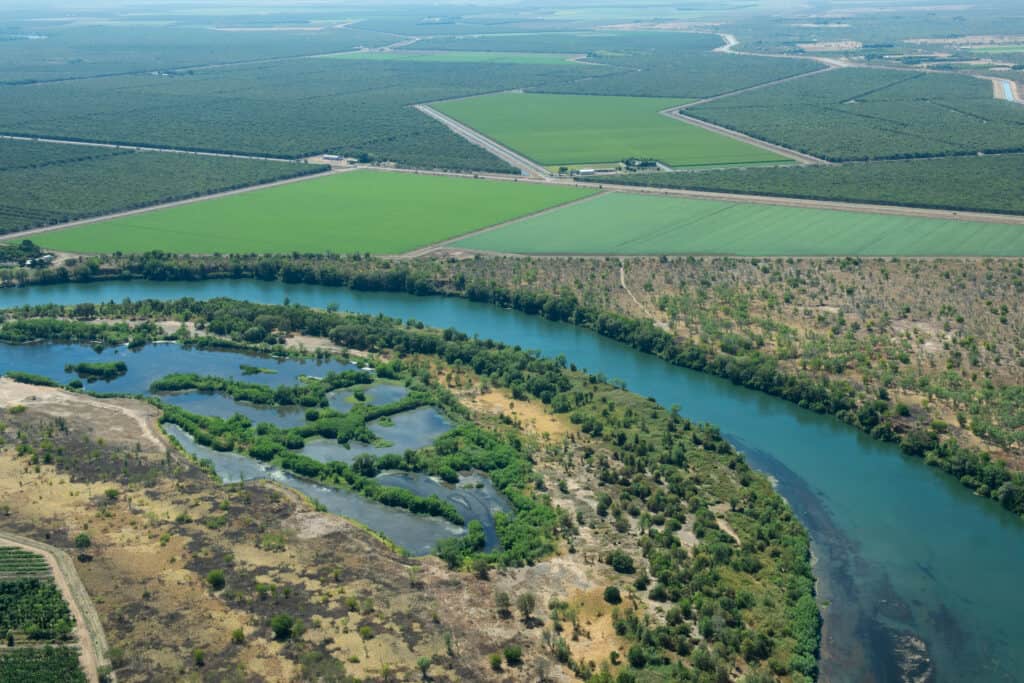
Planigales live in the Kimberley region of Western Australia.
©Danita Delimont/Shutterstock.com
Genetic tests showed that the planigales found in the Kimberley region of Western Australia were not the same species as those from the Northern Territory, Queensland, and South Australia. The planigales all looked very similar, but their genetic makeup was different. These are called ‘cryptic’ species. They can only be identified by genetic tests and not by appearance alone.
The planigales discovered in the Kimberley region were not a newly discovered species, however. They were first identified more than 100 years ago, and that old specimen ended up in a museum in Sweden! Scientists named this species Kimberley planigale after the range where it occurs and gave it the scientific name Planigale subtilissima. These planigales have been recorded frequently in recent surveys, and there is less concern for their future.
Thanks to this meticulous work, there are now nine recognized species of planigales in Australia, where there were previously just five. There could be even more out there, just waiting for us to find them!