
Quick Take
- A snowy plover's most natural survival instinct is the same thing quietly destroying its population on California beaches. Meet these vulnerable birds →
- These 11 birds carry technology that turns every mile they travel into data that could reshape how conservationists protect entire coastlines. Explore the tracking technology →
- The simplest thing a beachgoer can accidentally do, even without ever touching a nest, can doom an entire clutch of eggs. Avoid harming nesting plovers →
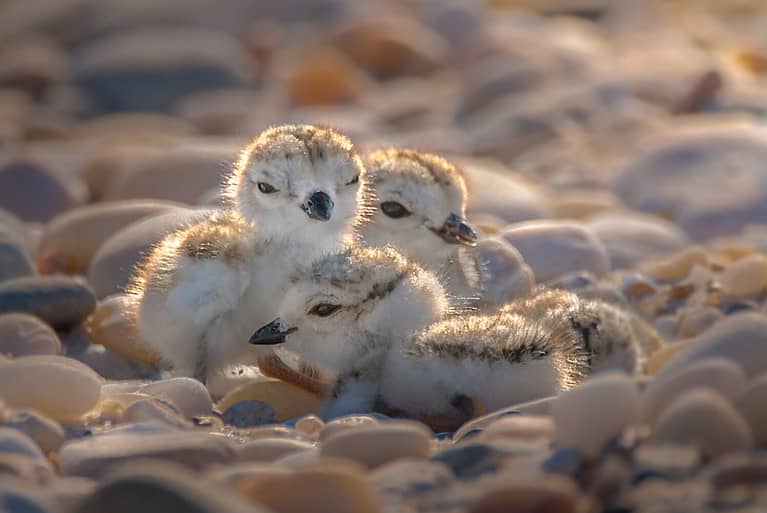
This September, 11 western snowy plovers were released onto a California beach. These birds were hatched and raised at the Santa Barbara Zoo from eggs rescued from abandoned nests. The birds were only a few inches tall, weighed less than two ounces, and looked almost impossibly small against the broad stretch of sand around them. Yet each bird represented something much larger: a carefully planned effort to give a federally threatened species another chance at survival.
The zoo officials did much more than release the birds into the wild. The coordinated effort involved colored identification bands, tiny electronic tracking devices, and a plan to ensure the animals’ survival. Today, we’ll tell you more about this exciting conservation project and teach you more about the tiny marvels that are the snowy plovers.
Tiny Birds with Tough Lives
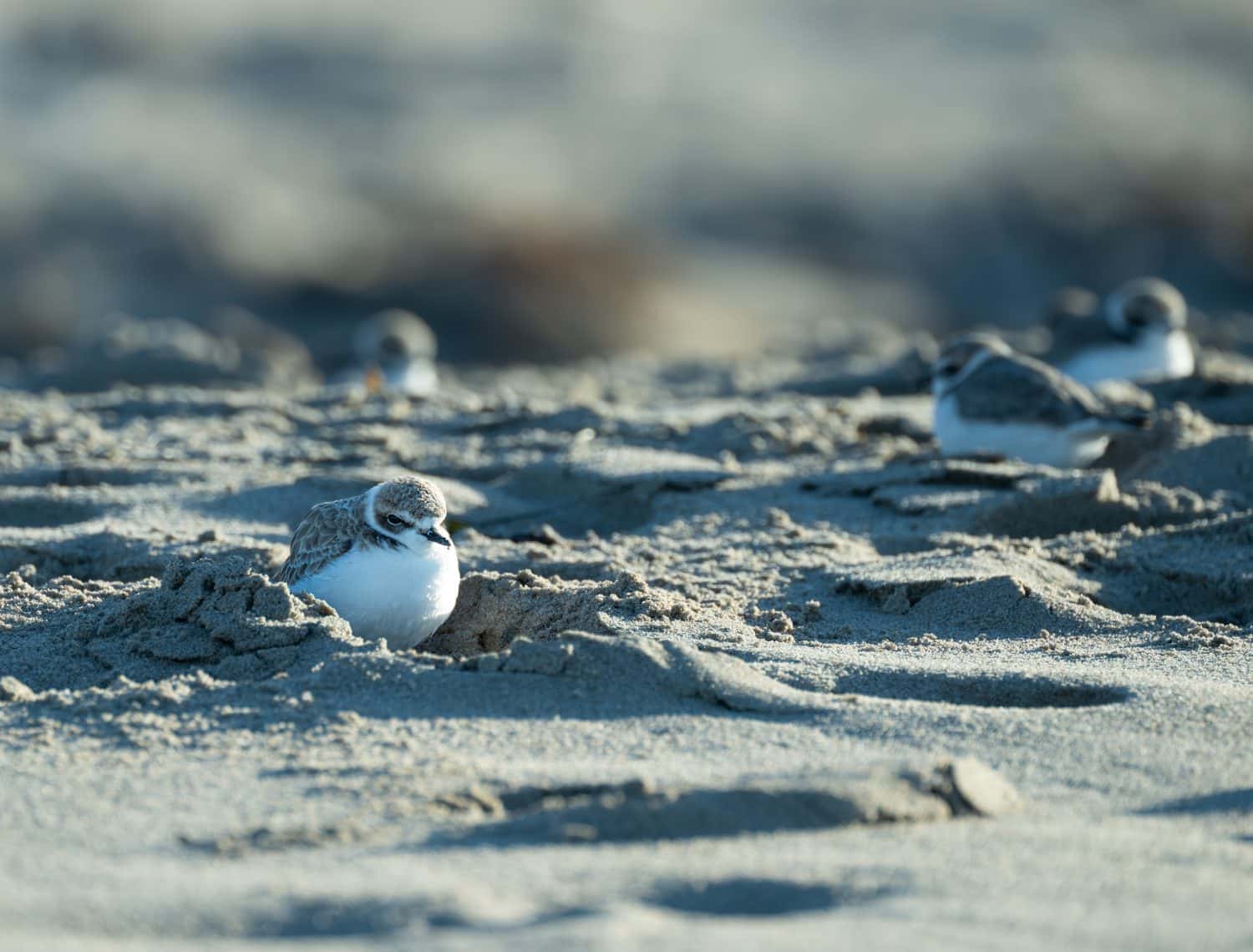
Western snowy plovers are small, pale shorebirds that spend much of their lives remarkably close to the ground. They often breed on open sandy beaches and coastal areas from Washington to Baja California, with a nesting season that generally runs from March through September.
Unlike many birds that build nests in trees or shrubs, snowy plovers make extremely simple nests on the ground. A female lays her eggs in a shallow scrape in the sand, sometimes lined with small pieces of beach debris. This strategy can make sense in a natural coastal environment, but the same traits that help a snowy plover survive naturally can create enormous problems on a modern California beach.
A nest can be little more than a depression in the sand. Eggs and chicks are highly camouflaged. To a person walking along the beach, the area may look completely normal. That means a beach visitor can approach a nest without realizing it, and the consequences can be serious. Even when people never touch an egg or chick, simply getting too close can cause problems. A disturbed adult may leave its nest, exposing eggs to predators or unfavorable conditions. Repeated disturbances also force birds to spend more energy fleeing rather than feeding, nesting, or caring for young.
The chances of dealing with these disturbances are great, especially on California beaches where people constantly want to run, sunbathe, walk dogs, and gather for social events. In the end, the answer is not to ban people from the beach. Instead, it’s about balancing people’s enjoyment with giving animals and birds a chance to survive on their terms.
From Abandoned Eggs to Beach Birds
Snowy plovers live very simple lives, but there basic behaviors can also bring them harm.
©GenadiyGM/Shutterstock.com
Now, back to the 11 newly released snowy plovers. They began their lives in a very different setting. It all began at the Santa Barbara Zoo, which started its Western Snowy Plover Conservation Program in 2016. The organization has since been working with conservation partners to rescue eggs, chicks, and, in some cases, adult birds facing immediate threats.
The basic idea behind their efforts is simple: when an egg is abandoned or placed in immediate danger and cannot reasonably be left where it is, rescuing it can give the developing bird a chance to survive. That does not mean every snowy plover egg should be collected.
Conservation programs rely on trained personnel and carefully defined circumstances because removing wildlife from its natural environment can itself carry risks. The objective is to intervene when an egg or chick faces a situation in which it has little realistic chance of survival otherwise.
Raising a shorebird for eventual release is not simply about keeping it alive. The birds must develop normally, learn to function as plovers, and avoid becoming overly accustomed to people. Previous rehabilitation reports describe specialized diets and efforts to minimize human imprinting. Once the young birds are old enough and meet health and size requirements, researchers can prepare them for release.
Attached Bands Provide Information
Releasing the snowy plovers into the wild was only one step in learning more about these amazing birds and how they survive. Researchers also fitted them with unique bands. The bands provide a great deal of detail, especially about where each bird has traveled.
The Santa Barbara Zoo’s banding efforts have already produced interesting observations. Released birds have subsequently been seen nesting as far south as San Diego and as far north as the Oregon coast. In the past, researchers used simple colored bands, but over time they showed their limitations: an observer still had to see the bird to report what it did, so the researchers took things a step further.
Each of the 11 released plovers was fitted with a tracking device that communicates through radio and Bluetooth signals. The devices can contribute information to the Motus Wildlife Tracking System, an international collaborative network that uses automated receiving stations to monitor tagged animals. Experts can use the information gathered by the tech to determine:
- Where rehabilitated plovers go after release
- Whether or not they remain near the beach where they were released
- Whether or not they move to other California beaches
- Whether or not they travel to the Channel Islands
- How long they survive
- Whether or not they eventually join the breeding population
This information can influence how conservationists manage habitats and determine where future protection efforts could be most useful. The technology, therefore, turns the release itself into a research opportunity.
You Can Be Part of the Solution
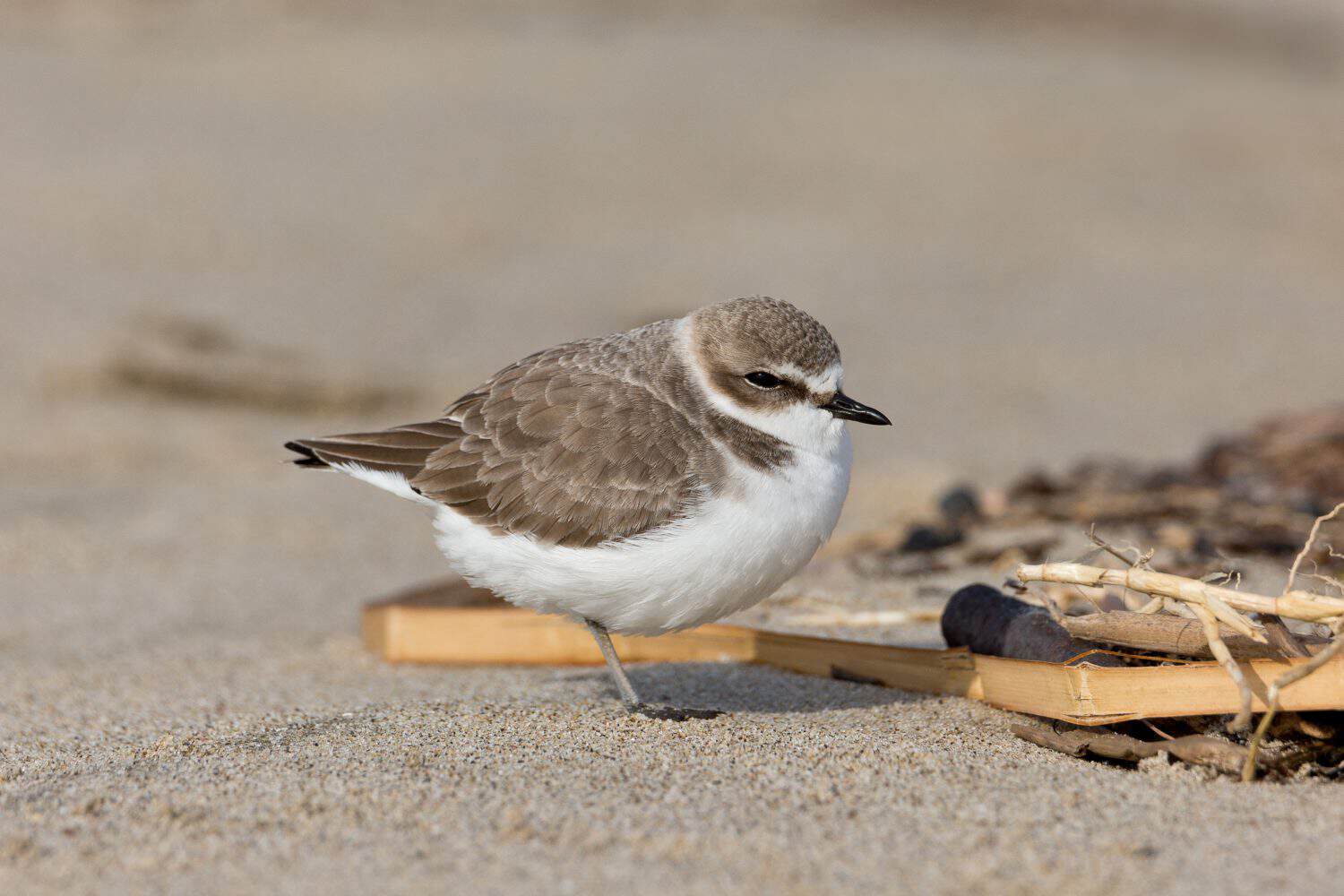
All beachgoers can help snowy plovers stay safe by watching where they walk and obeying signage.
©Glenn Price/Shutterstock.com
While researchers work to better understand snowy plovers and conserve the population, they can’t do it alone. The bird’s success will depend partly on what happens around them. A protected nesting area can help, but the surrounding beach still needs to meet the birds’ needs. Conservationists have repeatedly emphasized relatively simple actions beachgoers can take.
Those who want to help can avoid posted or roped-off nesting areas, keep dogs away from sensitive habitat or on a leash where permitted, and avoid flying kites and drones near nesting birds. It is also best to dispose of food waste properly, as food scraps can attract gulls, crows, and other predators that threaten plover nests and chicks.
Conservation does not always require dramatic action. Sometimes it means giving a tiny bird enough space to continue doing what it has evolved to do.
The Future Can Be Bright
The researchers’ work is a big step toward ensuring the health of the snowy plover population. The new tracking technology may allow scientists to follow these birds in ways that were previously impossible. Protected beaches also provide places where wild plovers can continue to nest. Together, those efforts connect individual rescue work with a much larger conservation goal.
For a threatened shorebird whose entire existence can depend on a few feet of undisturbed sand, every step we take to help these innocent birds can make a big difference.