Quick Take
- Diego spent decades hiding in plain sight at a zoo while his species edged toward extinction, and nobody realized he was the key to saving it. Discover how he was found →
- When the breeding program began, only 15 of his kind remained. Yet one male tortoise quietly outperformed every expectation. See his breeding legacy →
- Diego wasn't the only male in the program, yet the results were anything but equal. The reason why says a lot about how species survive. See how Diego stood out →
- The tortoise population on Española Island recovered, but Diego alone doesn't get the full credit. The other factors involved are easy to overlook. Explore the full recovery story →
Imagine being a century old and having hundreds of offspring. Sounds far-fetched, right? For Diego, the 100-year-old giant tortoise, it was not. He fathered 800 offspring and, in doing so, saved his species.
Diego, the Hood Island Giant Tortoise, Saved His Species
Like many of the Galapagos Island giant tortoises, Diego was captured in his prime. Fortunately for his species, people did not capture the Española Island giant tortoise (also known as the Hood Island giant tortoise) for food. Instead, researchers took Diego from his island in Ecuador and transported him to the San Diego Zoo to display him to the public.
Preferably, Diego would have been left on Española Island to live out his natural life. But Diego’s arrival at the San Diego Zoo saved his species from extinction. Diego single-handedly sired 800 to 900 Española Island giant tortoises.
After being transferred from the San Diego Zoo to the captive breeding program on Santa Cruz Island, Diego adjusted well. He was just one of 15 left of his species. Diego made it clear he was strongly attracted to female tortoises and got to work growing the population.
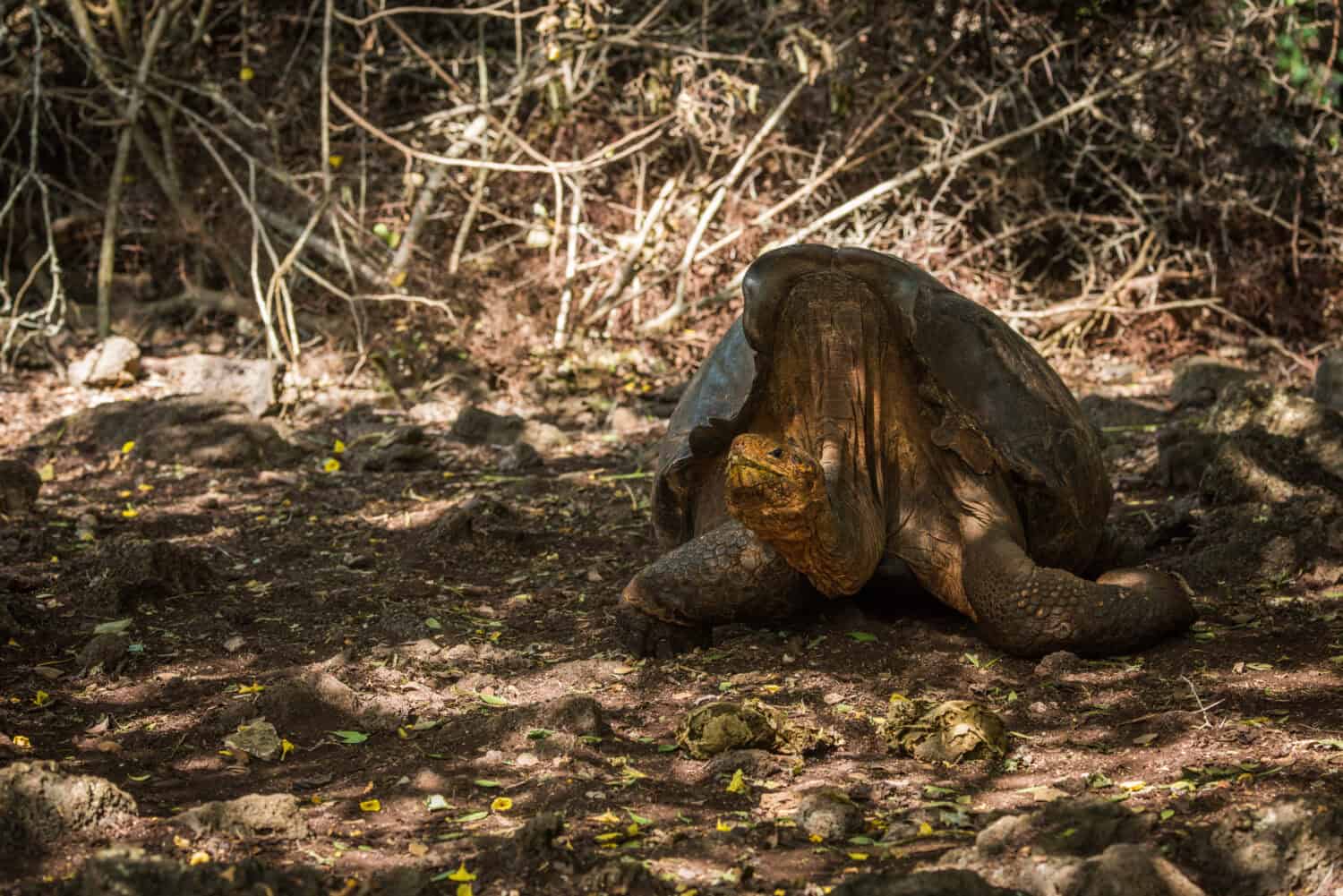
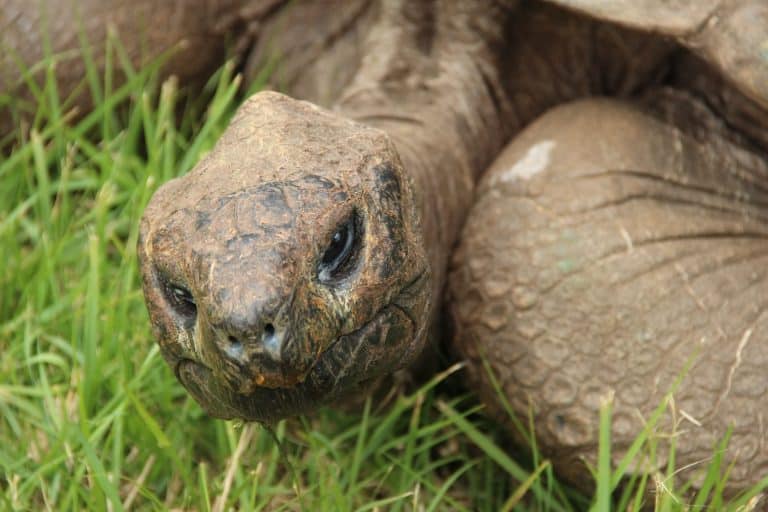
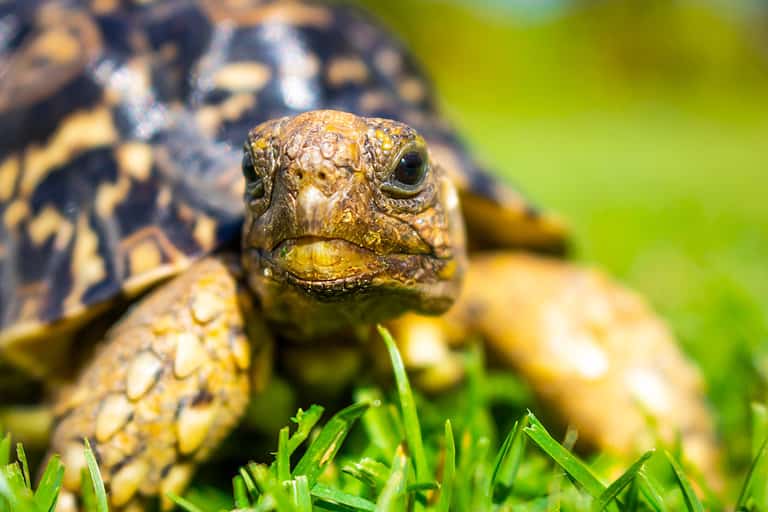
Diego, the giant tortoise, saved his species from extinction.
©Nick Dale Photo/Shutterstock.com
By the 1990s, genetic testing of juvenile giant tortoises living on Española Island was done at regular intervals. Researchers discovered that 40% were directly related to Diego. Another giant tortoise, E15, who does not get the recognition he deserves, sired the other 60%. The remaining male giant tortoise did not contribute to the species’ repopulation.
Without Diego’s help, the Española Island giant tortoises likely would not have rebounded as they did. In fact, they may have gone extinct. But thanks to Diego’s willingness to participate, this once-at-risk species is thriving today.
Diego Was Hiding in Plain Sight
When researchers took giant tortoises from Española Island for the captive breeding program, only 14 remained in the wild. While 12 were female, only two were male. This was a lot of pressure for the two male giant tortoises. Consequently, conservationists decided to locate any other giant tortoises from Española Island that could participate in the program.
Diego had been living a quiet life at the San Diego Zoo since he was captured and brought to the facility in 1933. When Dr. Charles Townsend captured him, giant tortoise populations were already on the verge of collapse after decades of overharvesting for food.
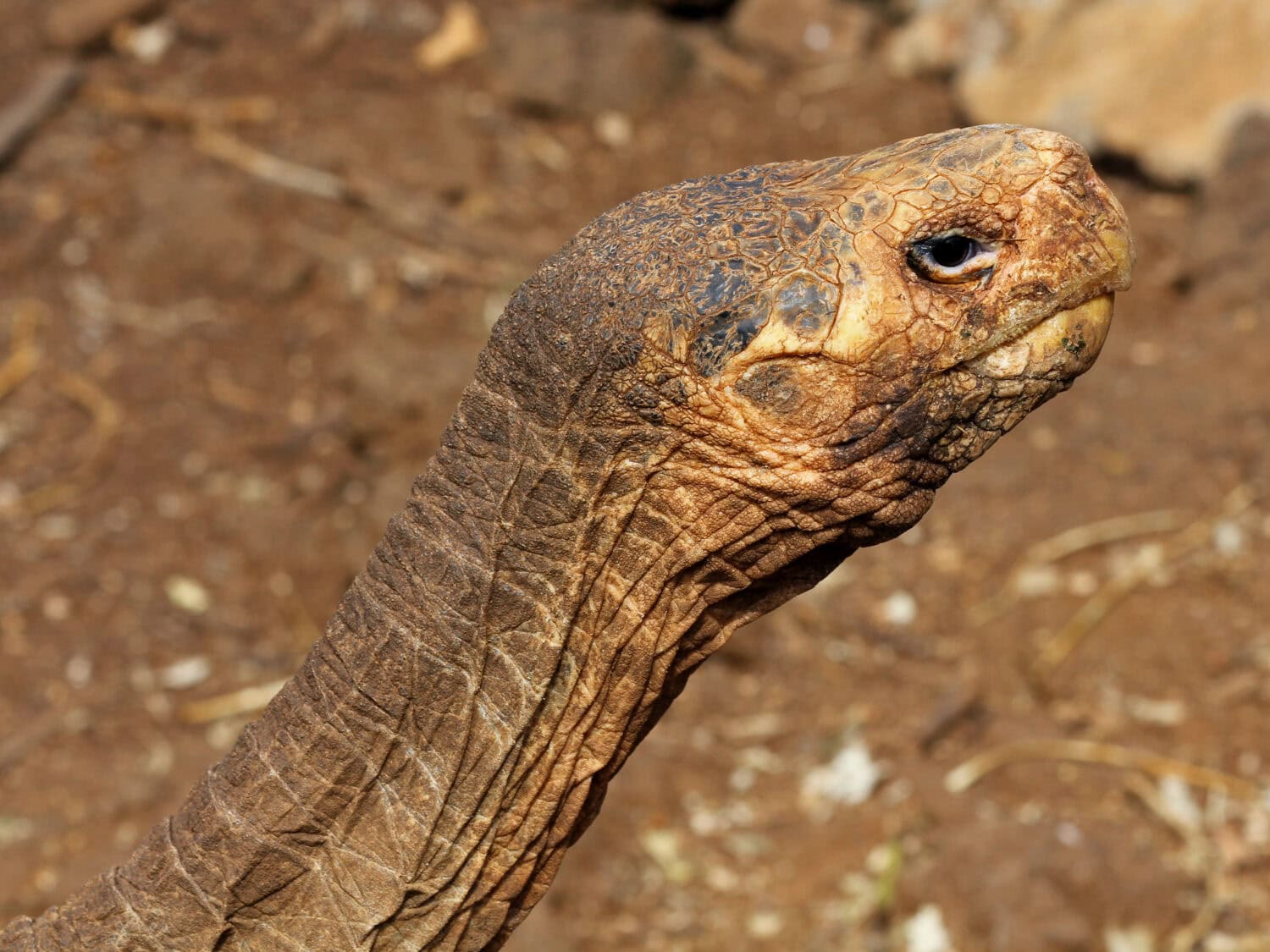
Diego was discovered living at the San Diego Zoo, after being captured in 1933.
©Ryan M. Bolton/Shutterstock.com
However, no emergency was declared for the Española Island giant tortoises until the 1960s. By then, they were virtually extinct. This led zoos worldwide to test their giant tortoises to determine whether any were from Española Island.
In 1976, Diego was tested. He proved to be an Española Island giant tortoise. Better still, he was male, which took some pressure off the other males left in his species. By 1977, Diego was transported to Santa Cruz Island to meet the other Española Island giant tortoises and join the captive breeding program, where the species’ trajectory would change forever.
When Diego Was Officially Retired
Diego was an integral part of the captive breeding program on Santa Cruz Island. From the moment he was transported from the San Diego Zoo in 1977, he contributed to the program in ways that literally saved his species.
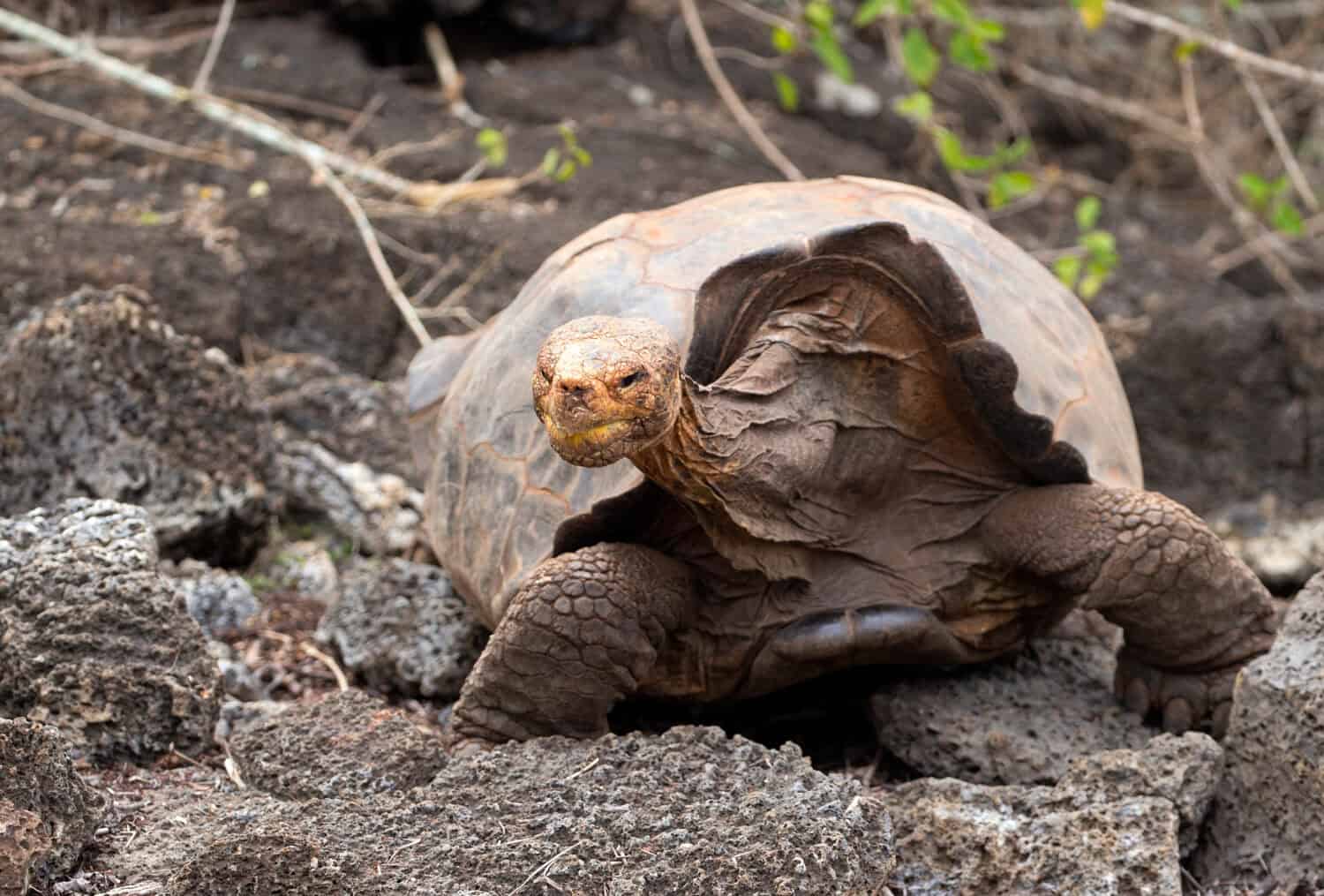
Diego was officially retired and returned to Española Island in 2020.
©gdvcom/Shutterstock.com
The captive breeding program ran for decades, from 1976 to 2020, when it was decided the program was no longer needed. Wild giant tortoises were breeding successfully. In total, 3,000 giant tortoises participated. That same year, Diego retired. Over more than four decades, Diego helped sire 800 to 900 giant tortoises, some of which are still living on Española Island today.
After spending most of his life on Santa Cruz Island, Diego was released back into the wild to retire. Where was he released? He was released to the very place where he was captured decades earlier: Española Island.
Is Diego Still Alive Today?
After his retirement, Diego was returned to Española Island, the same island he had been taken from in 1933, as a young adult. It was here that Diego passed away in 2024.
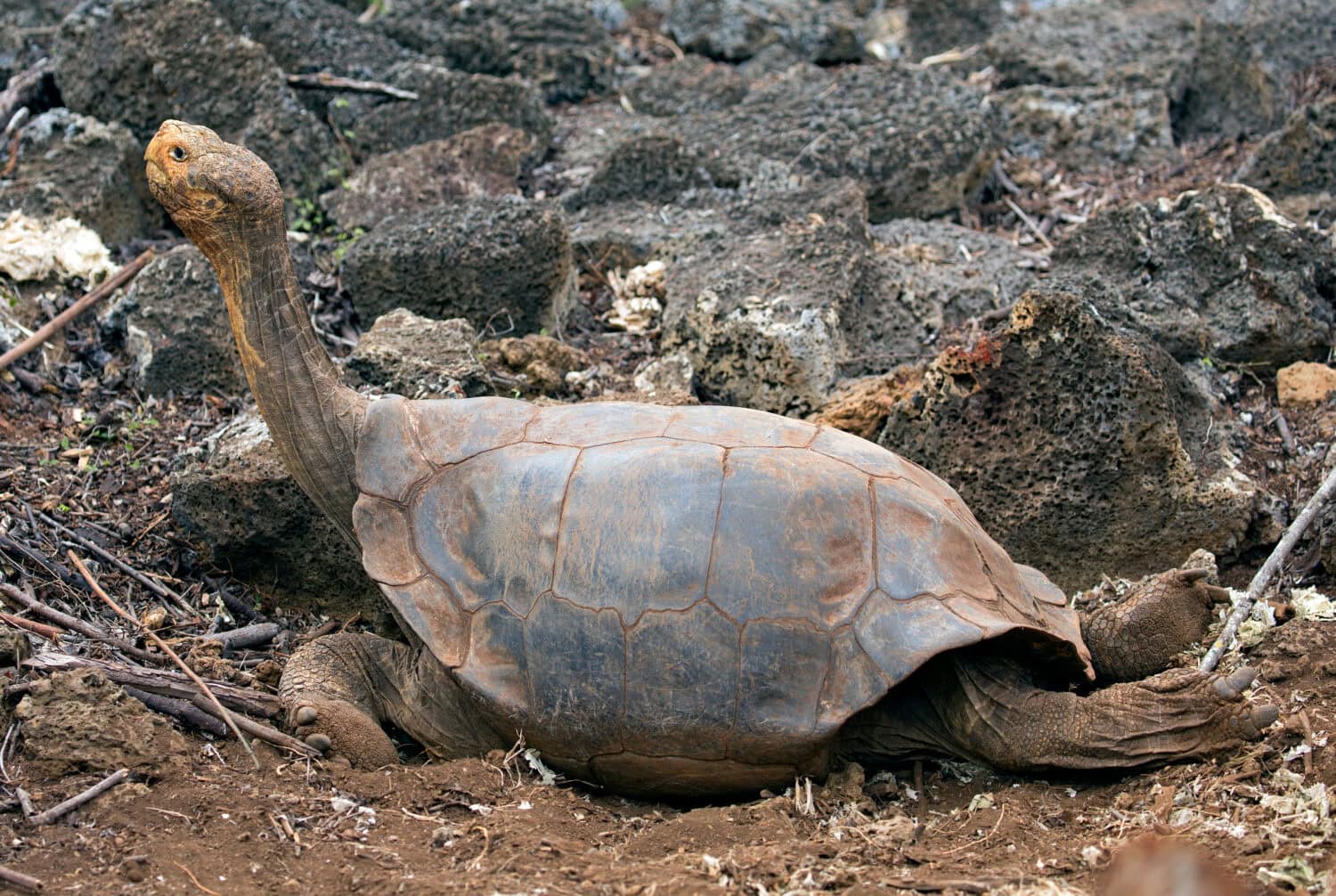
Sadly, Diego passed away in 2024.
©gdvcom/Shutterstock.com
Diego’s exact age at his death was unknown. However, he was well over 100. This is the typical lifespan of Galápagos Island giant tortoises, which tend to live in the wild between 100 and 120 years. However, far fewer are known to have contributed to saving their species, making Diego one notable tortoise indeed.
After Nearly Going Extinct, the Hood Island Giant Tortoises Are Stable
Thanks to Diego and two other male turtles, the Hood Island giant tortoise population is stable today. With over 2,300 wild tortoises on Española Island and clear signs of wild breeding, the giant tortoises are no longer in imminent danger of extinction. However, the IUCN still considers them critically endangered.
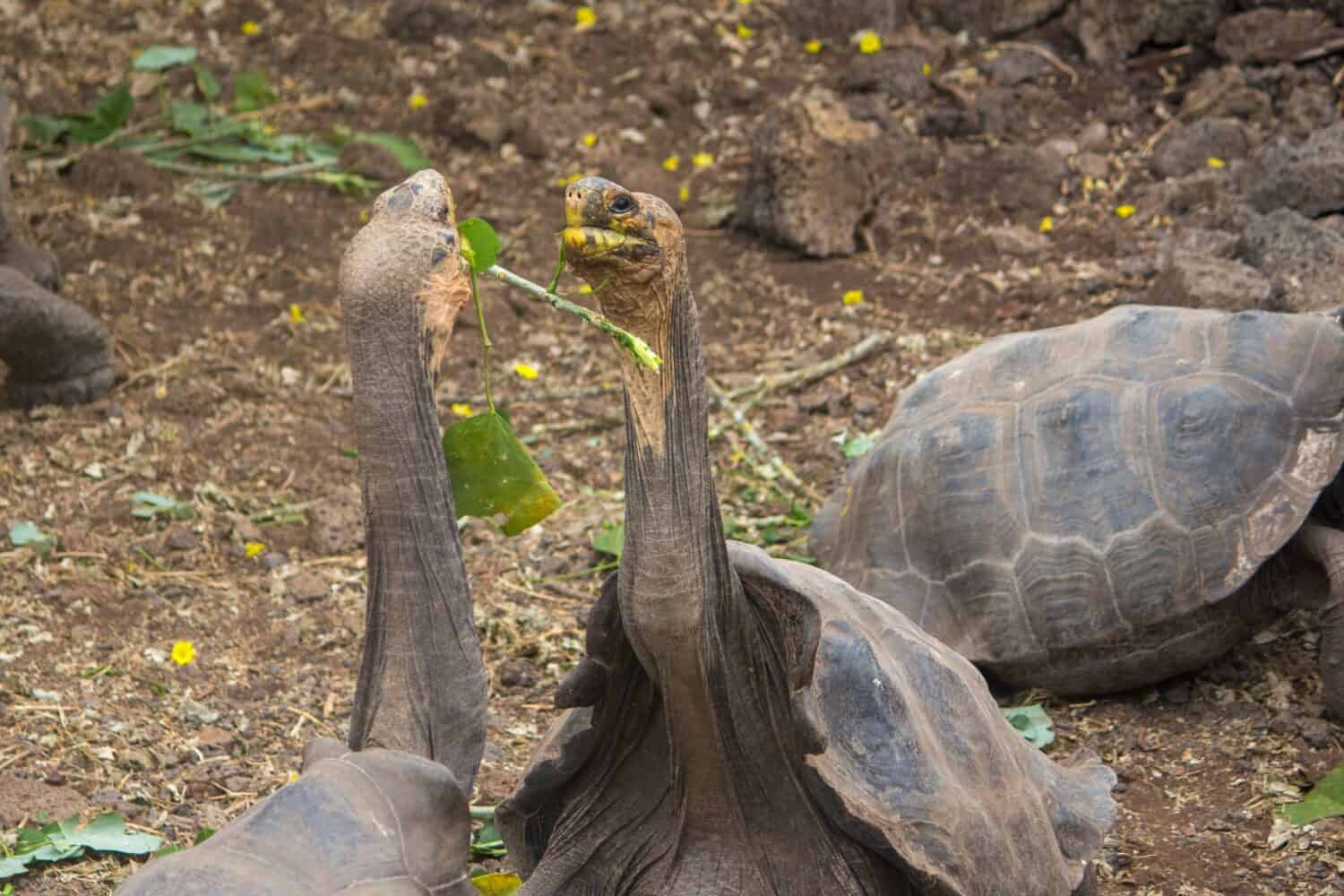
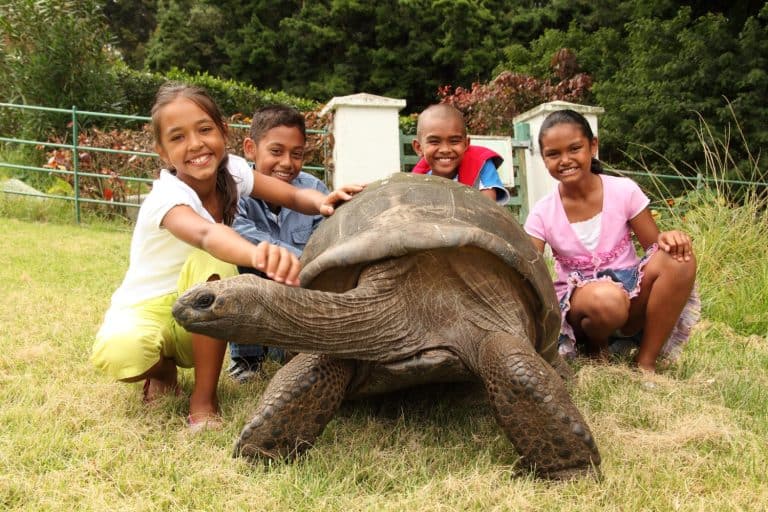
The Hood Island giant tortoise population is stable today, with 2,300 living in the wild.
©John A Fraser/Shutterstock.com
While Diego played an integral role in helping the population rebound, other factors also helped save the species. Those factors include:
- Making it illegal to hunt giant tortoises or take their eggs from Española Island in 1959
- Removal of the invasive goats brought to the island in the 1600s
- Regrowth of vegetation that the giant tortoises rely on for food
- Bringing the giant tortoises together, after years of being isolated from one another
Without these changes, saving the Española Island giant tortoises would have been impossible. Thanks to a willing tortoise and environmental improvements, an entire species was spared from extinction, proving that when people care enough about creatures big and small, anything is possible.