
Quick Take
- The U.S. Army's role in the bison's near-extinction was not simply collateral damage but a calculated military strategy. See the military strategy →
- Before any government stepped in, a small group of people were quietly saving the last bison, though they are rarely credited in the history books. Meet the unsung rescuers →
- Bison don't just live on the prairie. They build it, and without them the entire grassland ecosystem starts to collapse. Explore their ecosystem role →
- The herd that pulled the species back from extinction took a remarkable cross-border journey before returning to American soil. Trace the herd's journey →
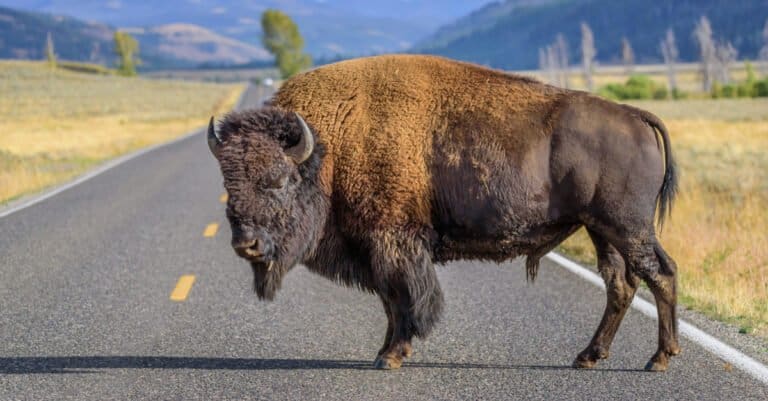
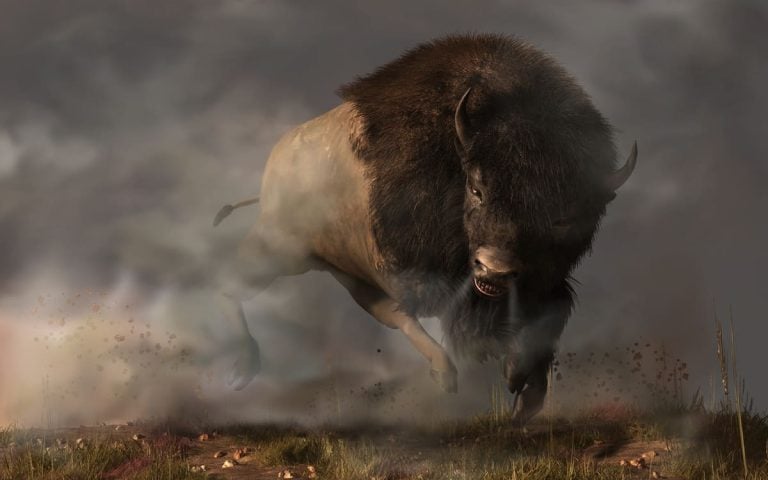
Tens of millions of American bison once roamed North America. Their massive herds spanned as far south as Mexico and as far north as Canada. Although the iconic animal ranged throughout the Great Plains, smaller herds of bison lived in the eastern woodlands.
The tragic story of the buffalo’s decline is a well-known American tale. Settlers and the U.S. government nearly hunted bison to extinction during the 19th century. By the beginning of the 20th century, as few as 300 buffalo remained of the once-thundering herds. National Bison Day on November 7, 2026, honors this magnificent animal and celebrates the conservation success that has brought its numbers back up to over 500,000.
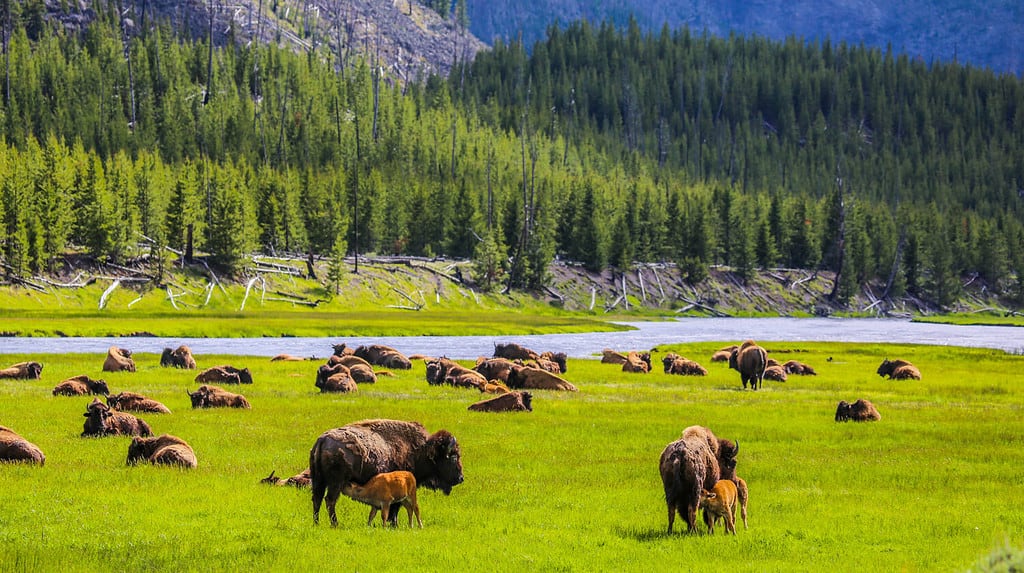
The recovery of the American bison is a conservation success story, but there is still work to be done.
©Gjeterhund Photography/Shutterstock.com
Meet the American Bison
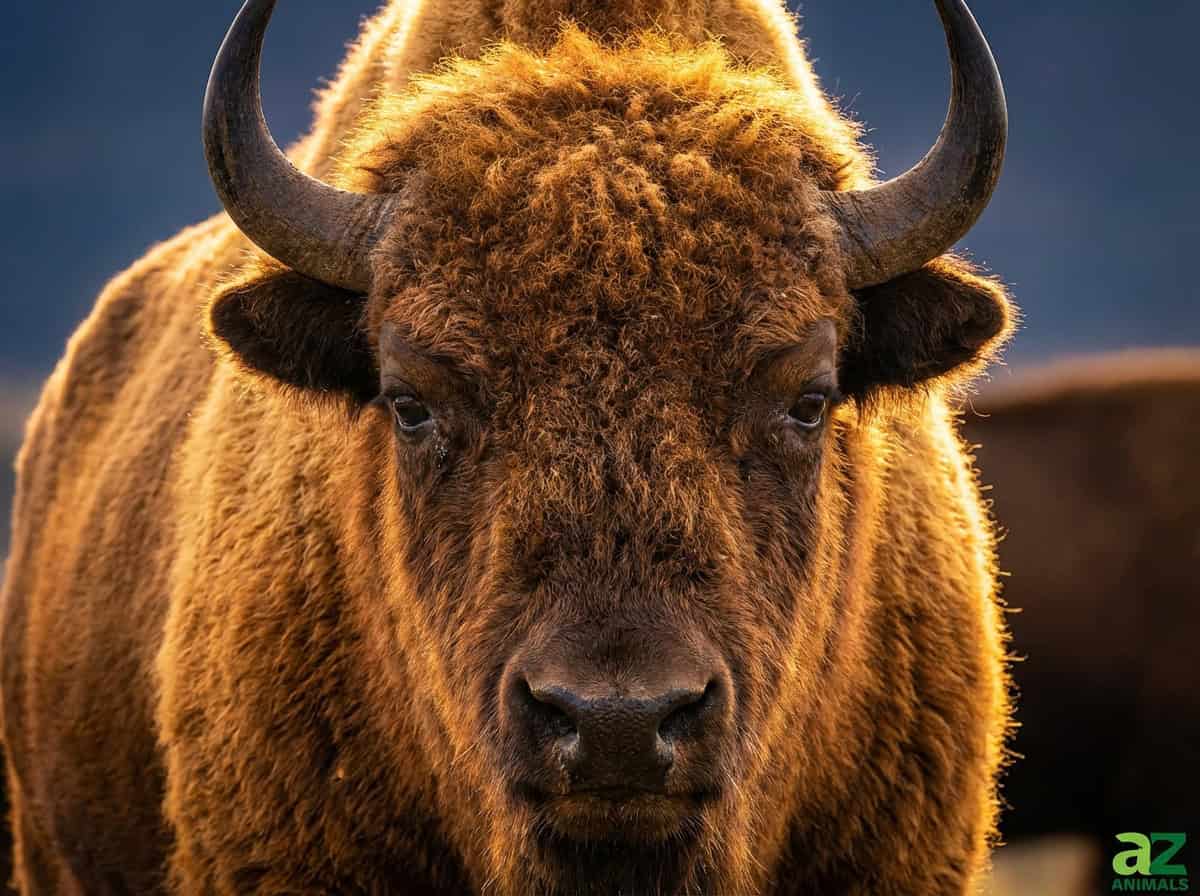
American bison are commonly called buffalo, although scientifically, true buffalo are different animals. The two subspecies of American bison (Bison bison) are the wood bison (Bison bison athabascae) and the plains bison (Bison bison bison). The wood bison is the larger of the two, and the largest land animal in North America. Bison nearly ranged coast to coast when the settlers first arrived on the continent.
The plains bison formed the famous herds once abundant in the middle of the country. They lived east of the Mississippi River, even reaching the Atlantic Coast in some areas. Geographic barriers such as arid deserts and the Sierra Nevada and Cascade mountain ranges kept the herds from reaching the West Coast. Smaller bison herds lived in fragmented groups in the east.
500,000
American bison
- early 1900s
- 300
- 2026
- 500,000
- Change
- up 166567%
Bison Have Deep Cultural Significance for Indigenous Peoples
Bison are of significant cultural and spiritual importance to Native Americans, who used every part of the bison’s body. The animals were an important source of food and Native Americans used their hides and fur to make clothing and shelter. Native Americans shaped bones, horns, and hooves into tools. They even used the bison’s fat, melting it down and making it into soap and tallow for fuel.
How Bison Nearly Disappeared from North America
The decline of bison in the east happened slowly as settlers cleared land for agriculture. Starting in 1730, bison were eradicated from eastern Virginia in a trend that continued westward. By the 1770s, bison were nearly gone from Florida, Alabama, and the Carolinas. It was 1832 when the last bison east of the Mississippi River was reported killed.
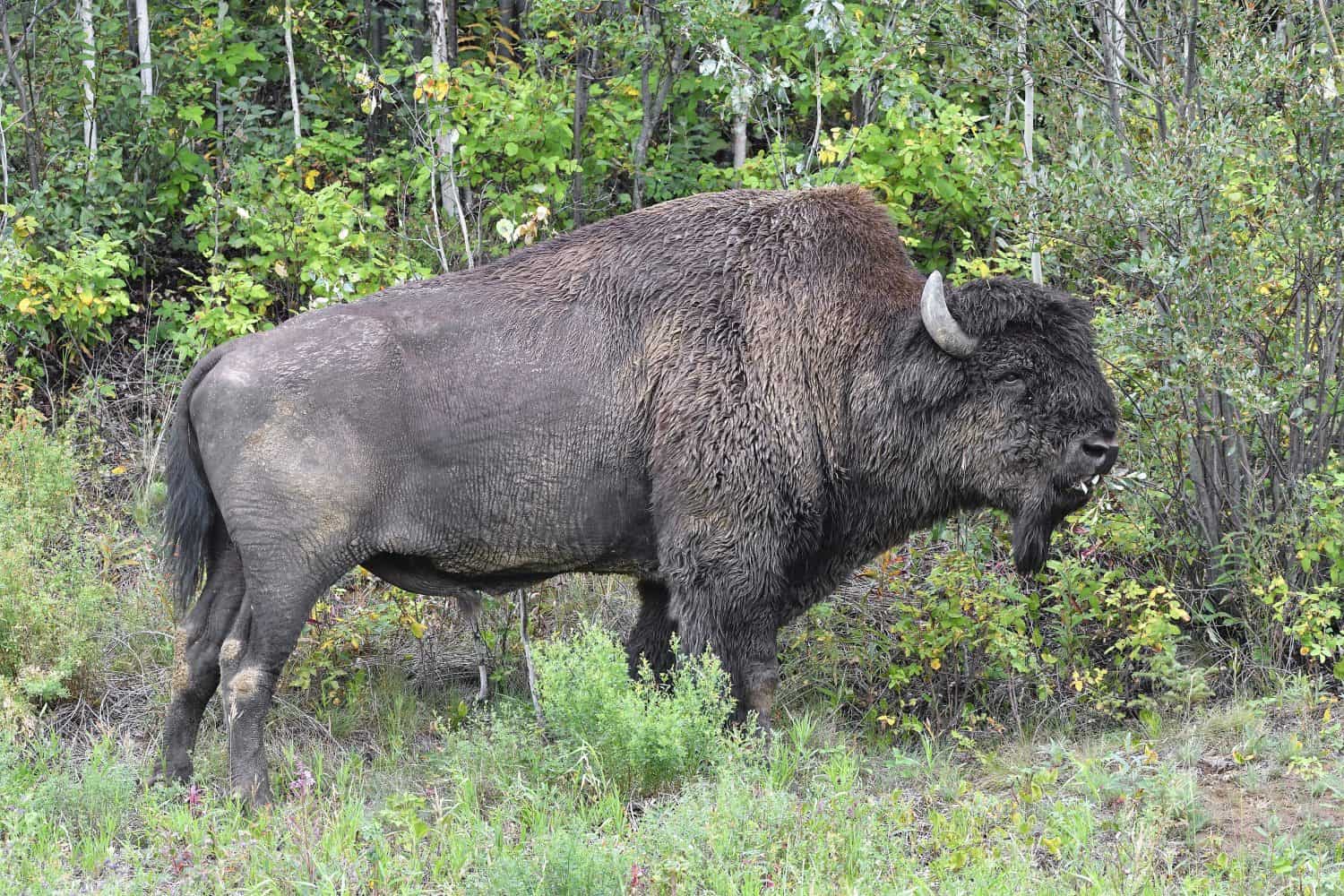
Wood bison are larger than their plains cousins and live in Canada and Alaska.
©imageBROKER.com/Shutterstock.com
The loss of the plains bison was a different, and much more rapid plight. Their near extinction was one of the swiftest intentional slaughters of large wild animals in modern history. Although bison numbers declined throughout the 19th century, the biggest losses occurred during a brief 10- to 15-year time frame.
In the 1800s, commercial hunters sold and traded the hides and meat. However, hunting grew intense from 1870 to the 1880s. The U.S. Army organized large-scale hunts to clear room for incoming railways. It was also a military strategy to eliminate the food and livelihoods of the remaining Native American tribes. By 1889, the once-thundering herds had plummeted to fewer than 1,000 remaining individuals across the continent, and less than 300 roaming in the wild.
What Saved the American Bison?
With the magnificent animal nearly extinct, the mood regarding bison began to shift. Conservationists and private ranchers began protecting small herds and breeding them in an attempt to improve their numbers. About two dozen bison lived in Yellowstone National Park. Park officials purchased additional bison from private herds to help recovery efforts. The American Bison Society was founded in 1905. They lobbied Congress to create protected herds to help reestablish their numbers.
Native Americans Safeguarded the Last Bison Herds
Even before the American Bison Society existed, Native Americans worked hard to keep the remaining bison alive. In the late 1870s and 1880s, individual Native Americans rescued wild calves from slaughter. They raised the bison in small herds near reservation borders.
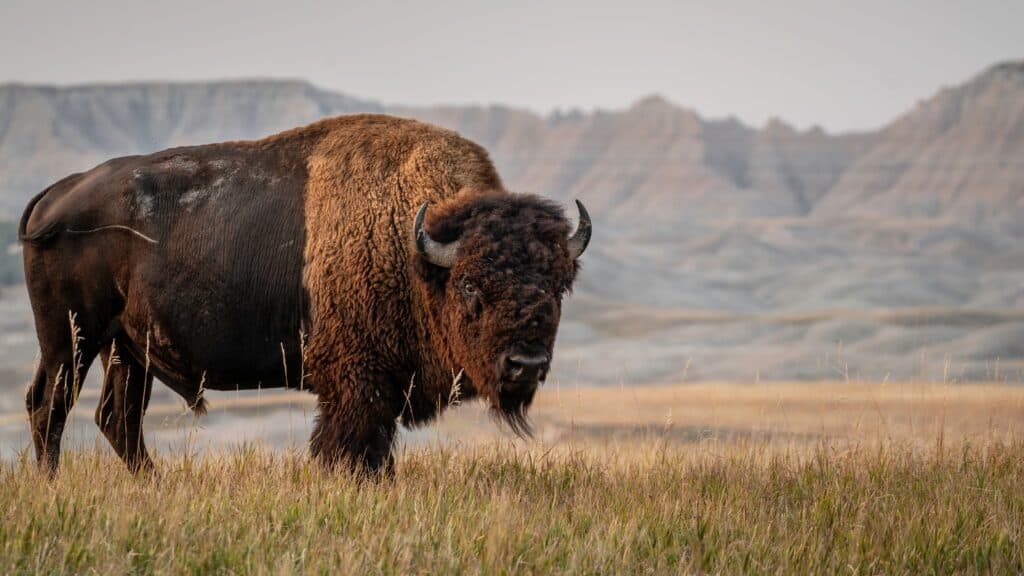
Restoring the bison to its native lands benefits the entire prairie ecosystem.
©Tim Malek/Shutterstock.com
When the government broke up the reservation lands in 1906, the Canadian government bought the majority of the herds and shipped the animals to Alberta, becoming a protector of the Native American bloodline of bison. To prevent the complete loss of these animals from U.S. soil, the American Bison Society and the U.S. government stepped in to buy 34 bison from the same lineage. The National Bison Range was established in Montana with these direct descendants.
- Native range
The InterTribal Buffalo Council, a group of 89 Tribal Nations, formed to help return bison herds to their native land. Today, Indigenous Peoples manage over 25,000 buffalo across 1 million acres of tribal land. Also, descendants of the Native American herd in Alberta were returned to native lands on a Montana Native American reservation in 2016.
- 1730 Bison eradicated from eastern Virginia A trend that continued westward.
- 102 years later
- 1832 Last bison east of the Mississippi reported killed
- 57 years later
- 1889 Fewer than 1,000 bison remain Less than 300 were roaming in the wild.
- 16 years later
- 1905 American Bison Society founded It lobbied Congress to create protected herds.
- 1906 Reservation lands broken up The Canadian government bought the majority of the herds and shipped them to Alberta.
- 106 years later
- 2012 National Bison Day founded
- 2016 Alberta descendants return to Montana Descendants of the Native American herd in Alberta were returned to a Montana Native American reservation.
Why Bison Are Essential to Healthy Grasslands
Bison are a keystone species, meaning they hold the entire ecosystem together. Without the roaming bison, the grassland habitats changed immensely. Grazing bison encourage plant growth, which benefits other species. The wallows they create by rolling in the soil become habitats for smaller animals. They also act as important seed dispersers. Returning the buffalo to the prairies not only saves this iconic animal but also helps the land return to its original prairie ecosystem.
The Future of Bison Conservation
Bison have recovered in significant numbers. However, conservationists’ work is not done. National Bison Day was founded in 2012 and is celebrated on the first Saturday each November. The day honors America’s national mammal and helps raise awareness of the conservation efforts needed to ensure future generations get to experience these iconic animals in their home range.