
Quick Take
- The 24-hour belief likely comes from confusing houseflies with a completely different insect, a mix-up that has real consequences for your home. See the mix-up explained →
- Pest control experts say a single housefly indoors can outlive what most people expect by an alarming margin, and that gap is even greater in a well-kept home. Check the real lifespan →
- Ignoring a lone housefly because you think it'll die off quickly may be exactly what allows a much bigger problem to take hold. See how fast they multiply →
- Researchers believe houseflies pose a health threat that most homeowners and even scientists have been dramatically underestimating. Explore the health risks →
Many people find comfort in the idea that houseflies only live for 24 hours. That way, when one finds its way into their home, they don’t panic about it taking up residence for long. However, is this widely accepted comfort actually true? Do houseflies really only live for a total of one day?
In this article, I speak with a pest control expert about this common misconception. This way, readers can understand the risks posed by houseflies—and just how long one might remain in your home.
How Long Do Houseflies Live?
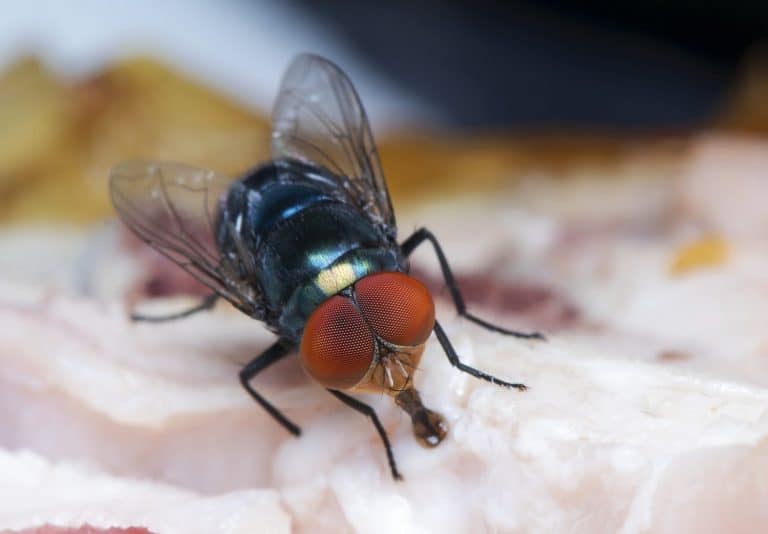
Houseflies have a relatively long lifespan and can often live for up to a month. They can often reach the upper end of their lifespan in a temperature-controlled home.
“A healthy person who has access to all the food and water they need is going to live longer than someone who doesn’t have that access,” says Brandon Runyon, a board-certified entomologist with 20 years of Pest Control experience at Swat Pest Management. “The same is true of a house fly. The better the environment, the better the life span for the fly.”
Additionally, most houses lack natural predators that would control housefly populations.
“Outside, houseflies live around two weeks or less, but the abundance of food, fewer predators, and a more stable temperature in a home allow them to live up to 30 days,” says Nicole Carpenter, a pest control professional and the president at Black Pest Prevention.
“The issue with the brief life cycle idea is many people will think the fly problem will just sort itself in a day or so,” says Runyon. “That same fly can be in your house as an adult for up to a month. This means laying eggs, spreading bacteria, etc. … This can lead to larger infestations if you ignore that housefly in your home.”
Outside, houseflies live around two weeks or less, but the abundance of food, fewer predators, and a more stable temperature in a home allow them to live up to 30 days.
Nicole Carpenter, a pest control professional and the president at Black Pest Prevention
Houseflies Vs. Mayflies
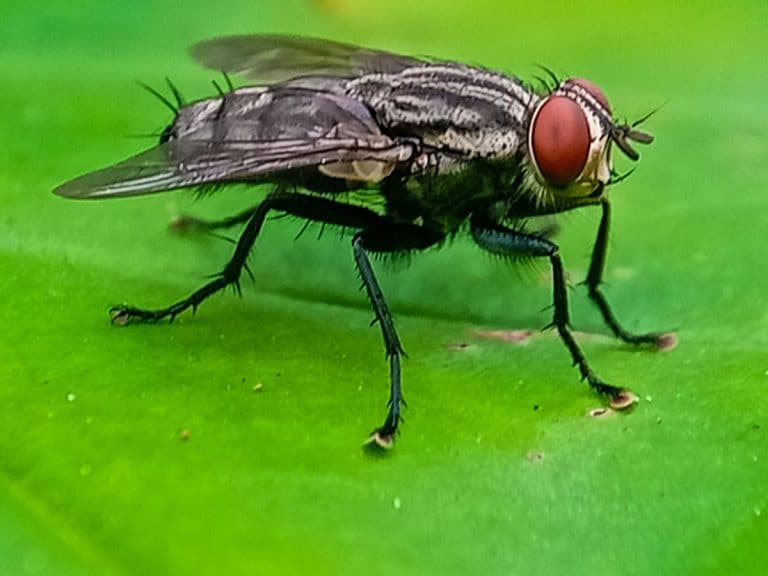
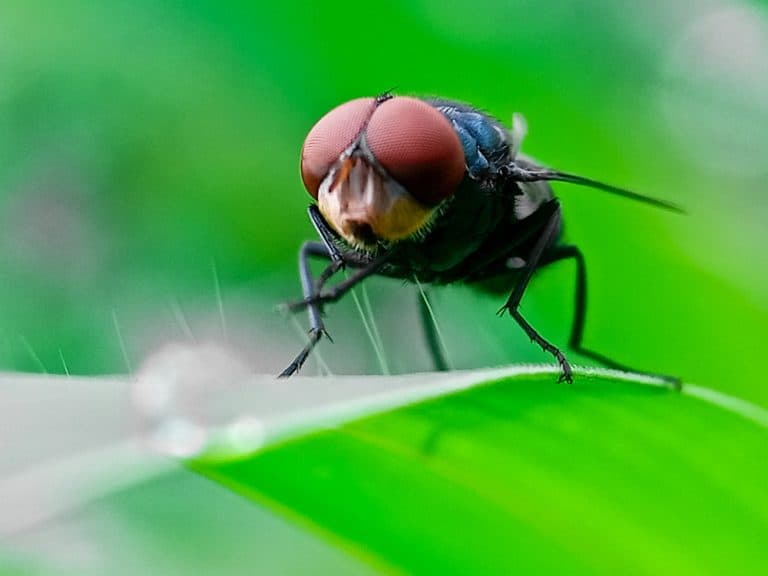
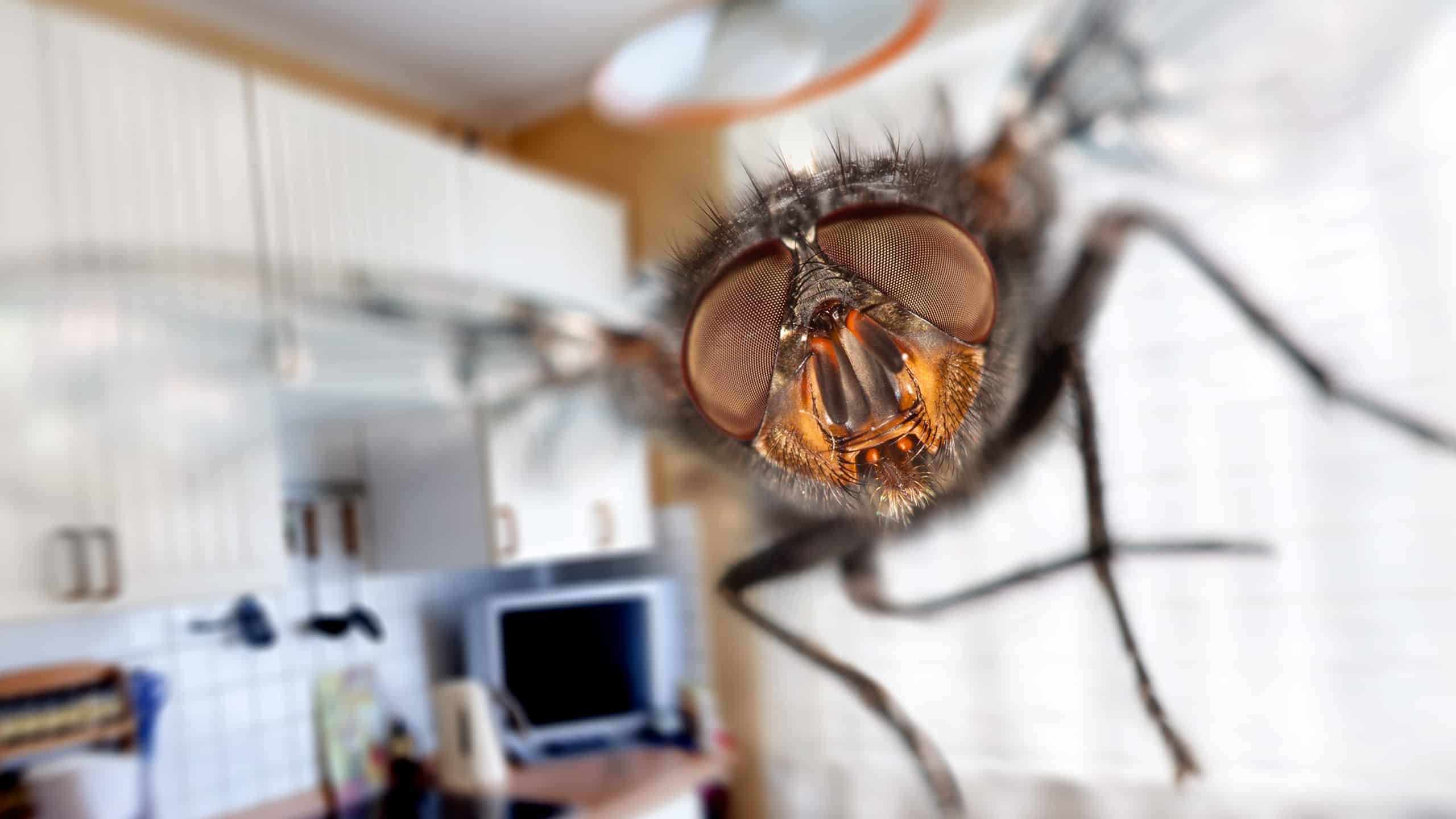
Many people confuse adult mayflies with houseflies. While mayflies only live for one day, the standard housefly (Musca domestica) can survive for up to a month, especially in indoor environments. Even worse, houseflies can live even longer in temperature-controlled homes. As such, it has plenty of time to reproduce and spread harmful diseases.
“Mayflies live just to mate and lay eggs quickly, which takes a few hours or a day at most; then they just die,” says Carpenter. “Mayflies don’t even have a mouth because their life cycle is so short they simply don’t need to refill energy, and their only job is to lay eggs.”
Unfortunately, mayflies aren’t the problem in most homes. Houseflies, as their name suggests, are far more likely to find their way indoors and spread germs.
“A standard housefly has a mouth and eats, which allows it to live up to around 30 days,” says Carpenter. “Compared to mayflies, houseflies need more time and energy to find mates and a good place for laying eggs. That’s why their adult life lasts longer.”
The Risk of a Housefly
According to research published in the journal Microorganism, houseflies carry over 100 harmful pathogens, including Salmonella, E. coli, and Campylobacter.
“House flies can facilitate the transfer of antimicrobial resistance and other genetic elements among the bacteria contained within their gut,” study authors wrote in the journal. “As gregarious and indiscriminate feeders, house flies bridge the gap between filth or other sources of bacteria (manure, feed waste, sick animals, etc.) and healthy animals or areas of human habitation.”
In other words, having them inside your home for a prolonged period of time raises your risk of contamination. Researchers actually believe we’ve been underestimating the danger of such insects.
“House flies have been largely underappreciated not only in their role in the microbial ecology of the bacteria they harbor but also in their ability to act as competent vectors of human and animal pathogens,” they wrote. “However, while flies may pose a threat to animal and human health, surveying house fly microbial communities has potential utility in allowing us to monitor microbial threats in the environment.”
Most homeowners do not like having a housefly as a guest in their space, and rightfully so. Not only do they spread pathogens, but they also reproduce at alarming rates.
According to Carpenter, “One female housefly can lay around a thousand eggs in her lifetime—simply because they live long enough and have more time for more eggs to lay.”
“Since houseflies don’t die after 24 hours, they continue flying from one place to another, carrying germs from dirty places like a trash bin or something rotting to food and kitchen counters,” she concludes.