Quick Take
- Miniaturization usually forces biological trade-offs, yet Brookesia nana breaks that rule in a way scientists didn't think was possible. See how it defies limits →
- Researchers found only two individuals during the entire discovery expedition, and the reason they almost missed them says everything about how this animal survives. How two specimens were found →
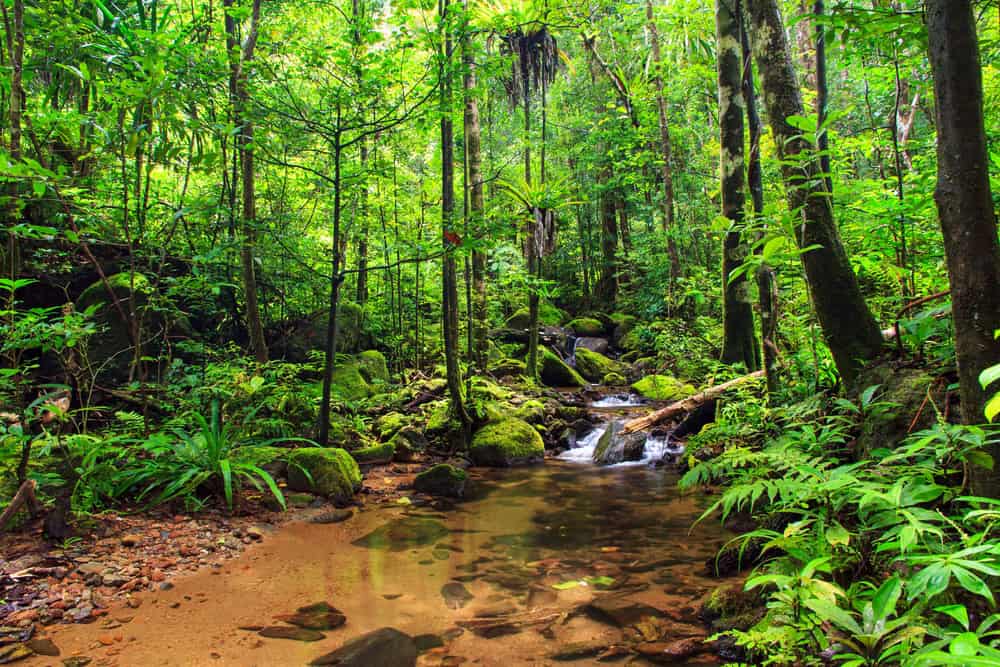
- Its entire habitat fits inside an area smaller than a typical backyard, and that single fact makes it one of the planet's most vulnerable animals. Explore its tiny habitat →
- Being nearly invisible turns out to be a more effective defense than being powerful, and Brookesia nana is the extreme proof of that idea. See its camouflage strategy →
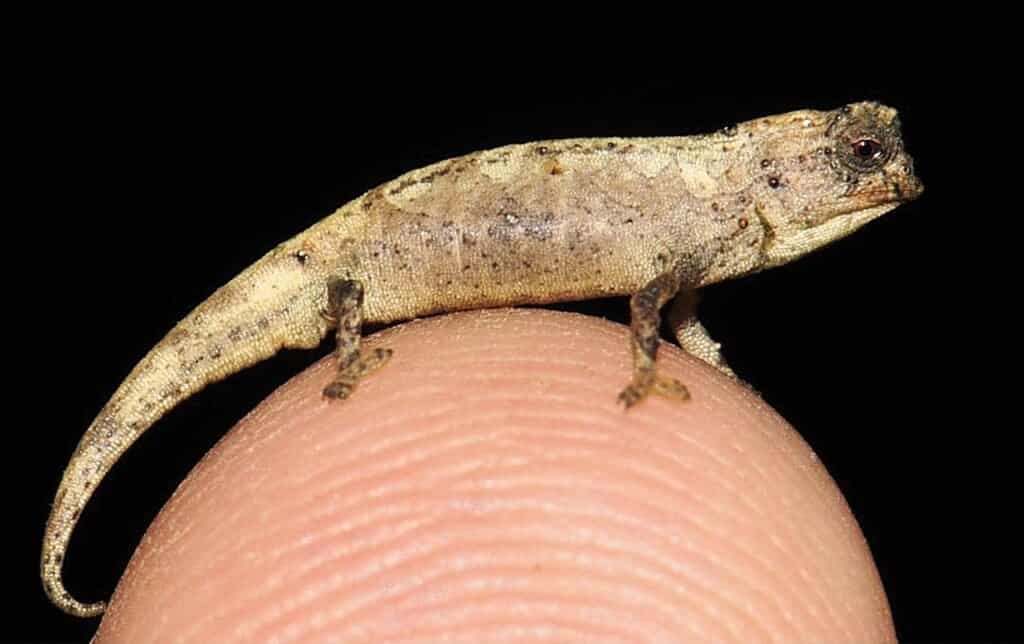
When scientists announced the discovery of Brookesia nana in 2021, the tiny reptile gained worldwide attention. Barely larger than a sunflower seed, this miniature chameleon seemed too small to exist. Due to its exceptionally small proportions and preference for hiding in the leaf litter of Madagascar’s forests, it was not discovered until recently. Despite its remarkably tiny stature, Brookesia nana has many of the same adaptations as its much bigger cousins. Here are eight fascinating facts that make the Brookesia nana truly extraordinary.
The World’s Smallest Reptile
©Frank Glaw, Jörn Köhler, Oliver Hawlitschek, Fanomezana M. Ratsoavina, Andolalao Rakotoarison, Mark D. Scherz & Miguel Vences / Creative Commons – Original / License
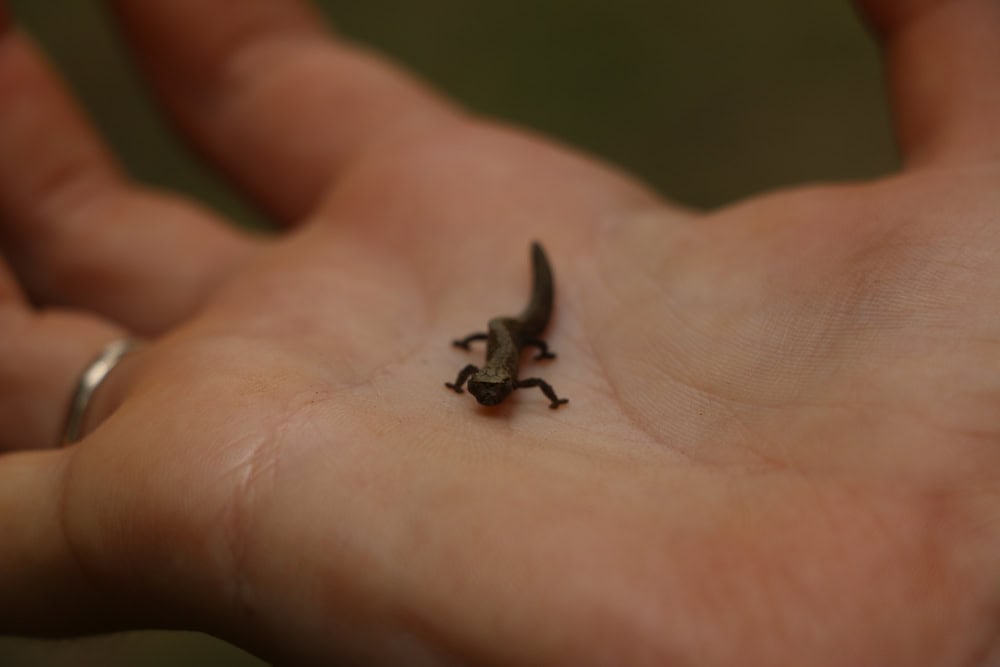
Brookesia nana currently holds the title of the smallest known reptile ever discovered. Adult males measure only 22 millimeters from the tip of the nose to the end of the tail, while females are a touch larger. To put the astonishingly tiny size into perspective, that’s shorter than many people’s thumbnails. Though other dwarf chameleons exist, B. nana is the tiniest by far. Its discovery changed what we thought we knew about the size limits of reptiles.
The Recent Discovery
©Dennis van de Water/Shutterstock.com
Although the island of Madagascar has been studied by biologists for centuries, Brookesia nana managed to stay hidden. It was officially described in 2021. Just its micro size alone made it remarkably easy to miss. It is also excellently camouflaged among dead leaves on the forest floor. Researchers found only two individuals during their expedition.
Leaf Litter Dweller
©Frank Glaw, Jörn Köhler, Oliver Hawlitschek, Fanomezana M. Ratsoavina, Andolalao Rakotoarison, Mark D. Scherz & Miguel Vences, CC BY 4.0 <https://creativecommons.org/licenses/by/4.0>, via Wikimedia Commons – Original / License
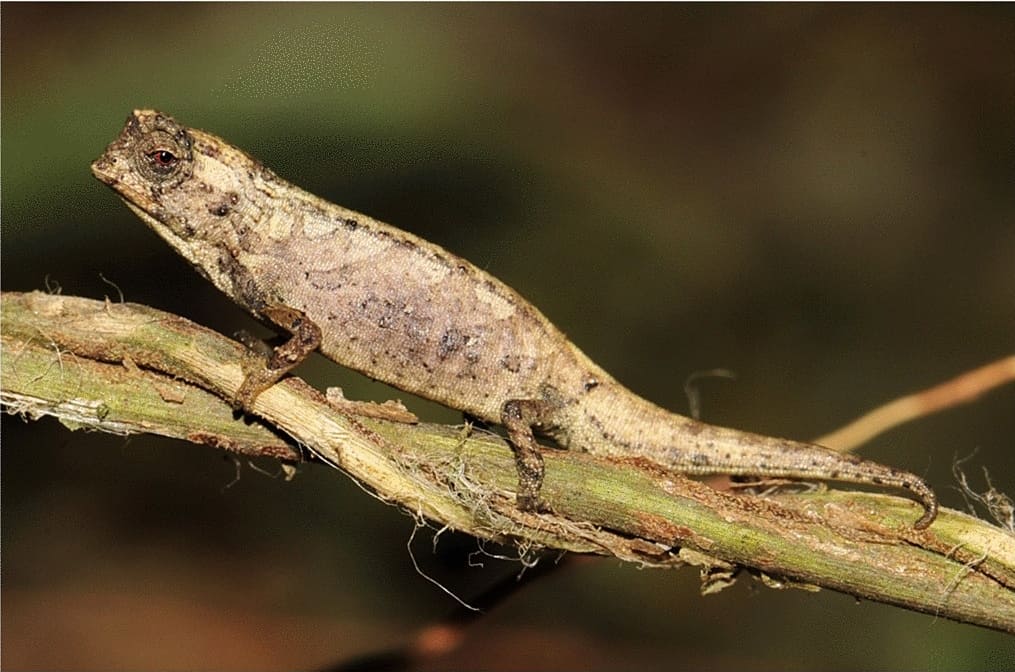
Unlike tree-dwelling chameleons seen climbing branches, Brookesia nana spends its time on the forest floor. It blends almost perfectly into fallen leaves, moss, and twigs. Here, it searches for meals in the form of invertebrates. This ground-living characteristic is actually common for Madagascar’s dwarf chameleons. Staying out of trees and tucking under leaves protects the tiny reptiles from predators. Its earthy brown color means it is basically invisible unless it moves.
It Still Has Classic Chameleon Superpowers
©Gwoeii/Shutterstock.com
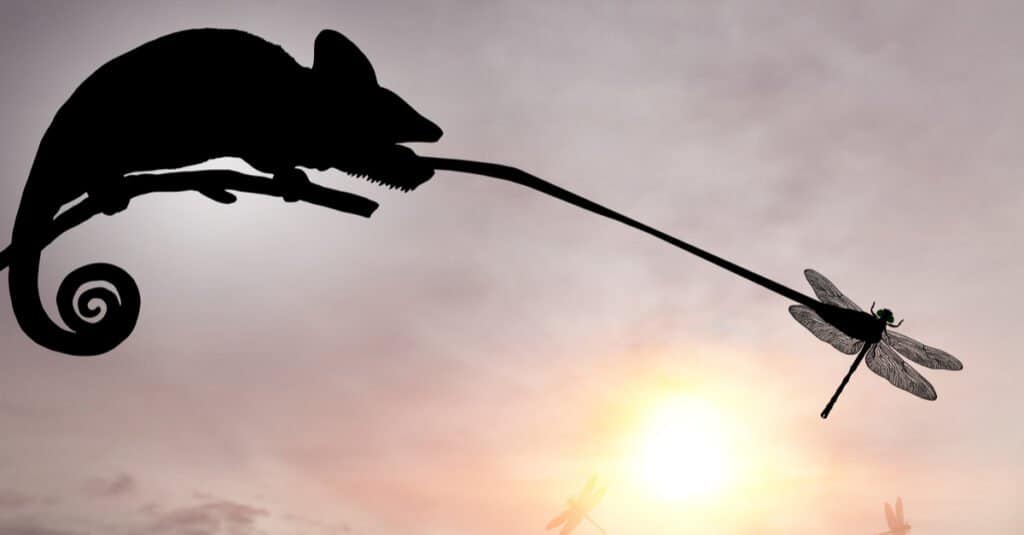
Even though it is barely larger than an insect, Brookesia nana is still a chameleon. As such, it has many of the same features that make these reptiles so distinct. Like its larger relatives, it can move its eyes around independently, which means it can scan its surroundings without turning its head. Like other chameleons, its tongue (perhaps the smallest tongue on Earth) is used as a lightning-fast projectile to grab prey. These sophisticated hunting strategies work just as well in a reptile barely 2 centimeters long as they do in species more than a foot long. Miniaturization hasn’t cost it a thing.
Product of Extreme Miniaturization
©chriscasey/Shutterstock.com
Scientists believe Brookesia nana is one of the most extreme examples of what biologists call evolutionary miniaturization. Nothing quite like it has ever been documented in reptiles. As animals shrink to exceptionally small sizes, organs and body systems become increasingly difficult to operate. Yet B. nana has gone tiny while fully functioning in all the ways needed for survival. Studying animals this little helps researchers know more about the biological limits of body size.
Its Entire World Is Smaller Than Most People’s Backyards
Brookesia nana isn’t just found in Madagascar; it specifically inhabits only a small area of montane rainforest on the northern part of the island. Many reptiles are widespread, found across entire continents, but this miniature critter only occupies a very limited range. Unfortunately, this makes it highly vulnerable to habitat destruction, climate change, and forest degradation. Its rarity is one reason conservationists are working hard to protect Madagascar’s forests.
Tiny Doesn’t Mean Defenseless
©Frank Glaw, Jörn Köhler, Oliver Hawlitschek, Fanomezana M. Ratsoavina, Andolalao Rakotoarison, Mark D. Scherz & Miguel Vences, CC BY 4.0, via Wikimedia Commons – Original / License
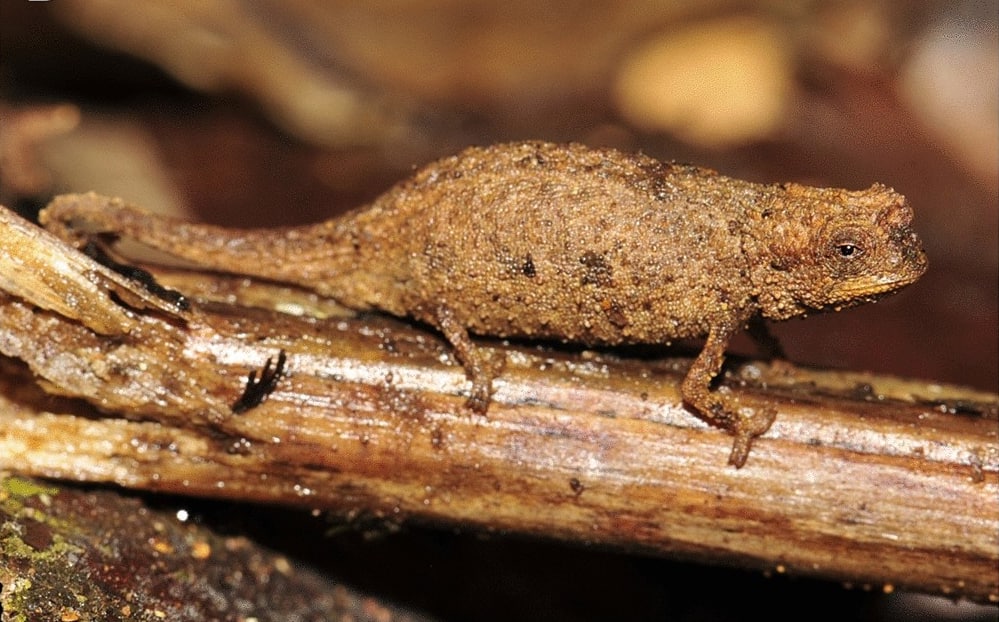
Although Brookesia nana lacks the size and strength to fight most predators, it can survive by hiding. Its perfectly camouflaged color makes it disappear in its home of dead leaves. Taking cover and staying motionless are its best defenses. In the wild, being nearly invisible can be just as effective as being huge and powerful.
Everything We Do Not Know
©Pierre-Yves Babelon/Shutterstock.com
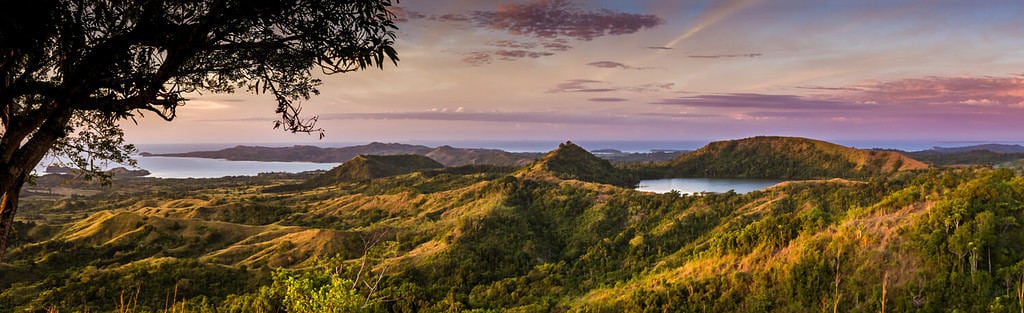
The discovery of Brookesia nana is a reminder that our planet still holds magnificent secrets. Though countless animals have been discovered and well-studied, researchers are still consistently finding species new to science. Despite living in an age of space exploration and high-tech gadgets, we are far from uncovering everything our planet has to offer. There are still extraordinary creatures hiding in plain sight. Maybe quite a few of them are just as miniature as Brookesia nana.