
Quick Take
- One animal here is so flat it's eliminated an entire organ system that every other complex animal relies on to survive. See how flatworms survive →
- One creature on this list doesn't swim at all. Its flatness gave it an entirely different way of getting around. Discover the walking batfish →
- One shark is so flat it becomes effectively invisible, with fish swimming inches above it without suspecting a thing. Meet the invisible shark →
- One of these animals has eyes that physically relocate during development, and the reason behind this is stranger than it sounds. Learn about migrating eyes →
Our planet is filled with fascinating animals of all kinds, coming in almost every imaginable shape. Some are odd and elongated, like giraffes, while others are nearly perfect geometric shapes, like the rounded pufferfish. Certain species, however, have gone in the opposite direction, evolving bodies that are incredibly flat. These animals are so thin that it’s as though they were once pressed between two sheets of glass! Their unusual designs help them hide from predators, fit into small spaces, or glide seamlessly through water. No matter where they live, these creatures have turned flatness into a survival strategy. Here are eight of the flattest animals in the world.
1. Marine Flatworm
©DiveIvanov/Shutterstock.com
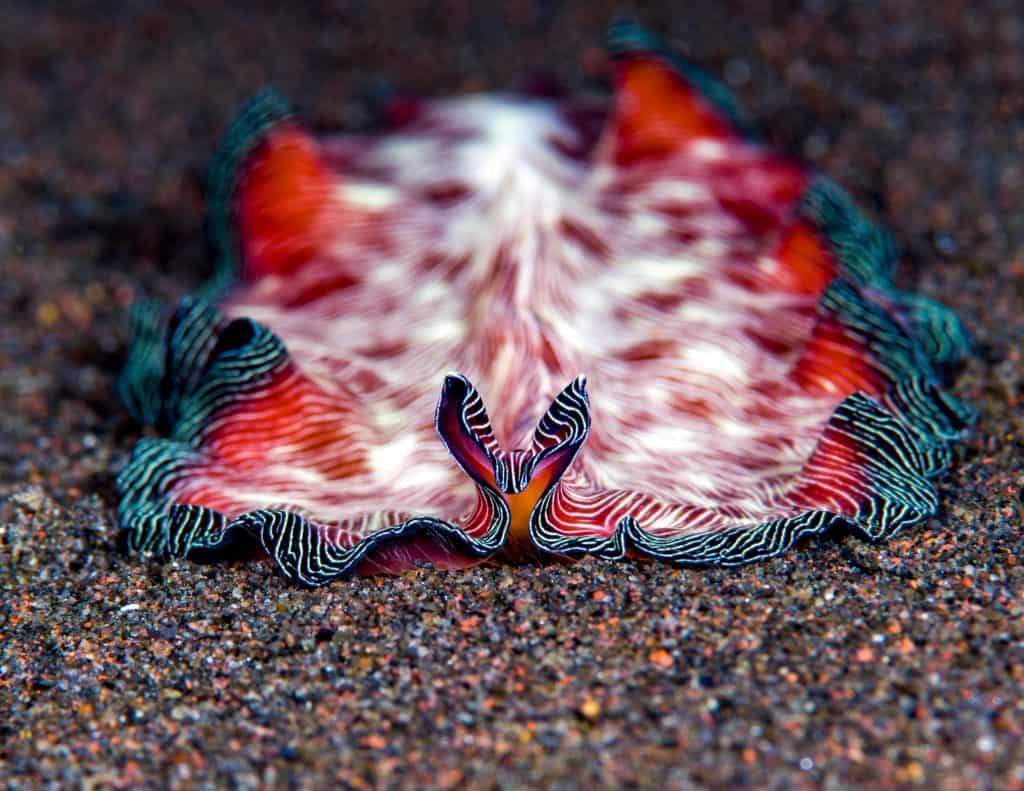
Marine flatworms are remarkably flat. These animals are just a few millimeters thick, yet they grow several inches long, developing ribbon-like bodies. These creatures could best be described as paper-thin, which allows oxygen and nutrients to go right through their skin. This direct absorption eliminates the need for a circulatory system. Many species are also brightly colored with blues, oranges, and purples, making them some of the ocean’s most beautiful (and flattest) invertebrates.
2. Peacock Flounder
©CT Johnson/Shutterstock.com
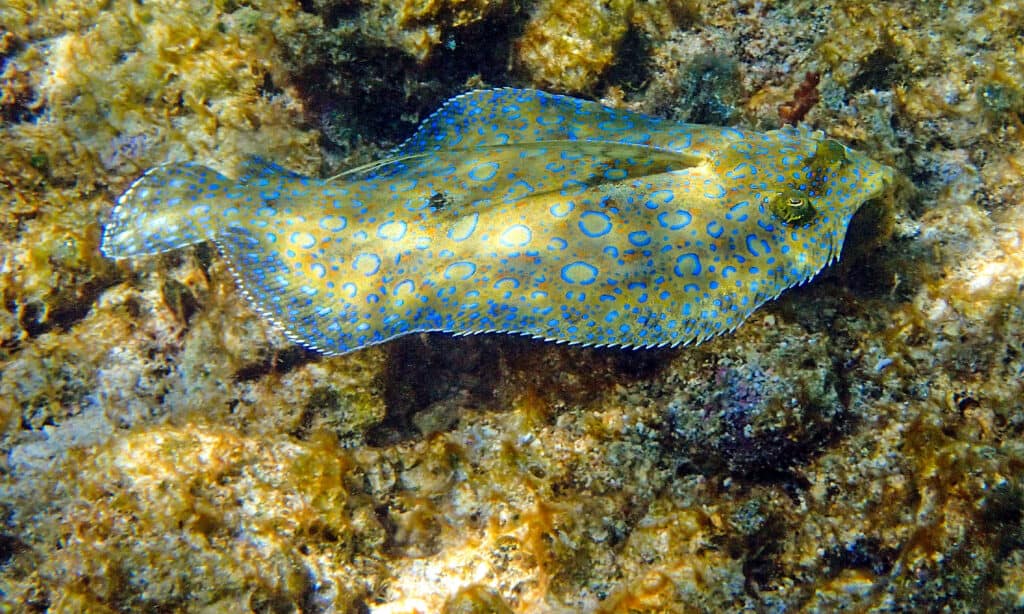
The peacock flounder spends most of its life on the bottom of the sea. Because the fish lays flat, both eyes have evolved to point upwards. In fact, during development, one eye actually moves into a different position to accommodate this. The fish can then easily gaze upward while resting flat against the sand. Its extremely smooshed body means it can disappear under a thin layer of sand and sediment in seconds. Mixed with impressive camouflage abilities, this flattened fish makes for one effective ambush predator.
3. Pancake Batfish
©"diablito, diablito espinoso, dorniger fledermausfisch, himegutsu, louisiana pancake batfish, murciélago picudo, pancake batfish, spiny batfish, 副棘茄魚, 副棘茄鱼" by Jaime Eduardo García Zúñiga is licensed under BY 4.0. – Original / License
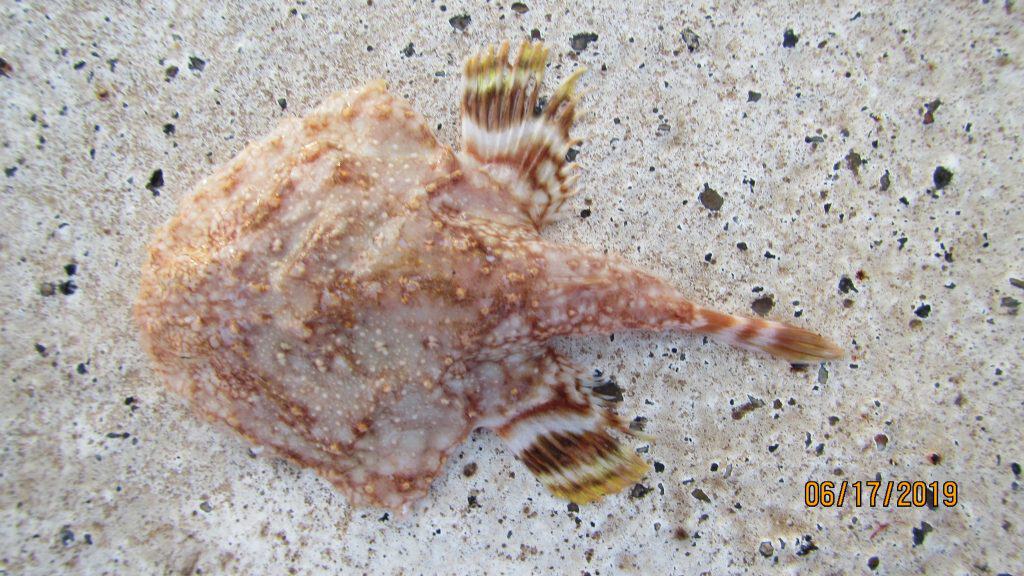
Despite its name, the pancake batfish isn’t perfectly round, but it is super flat. Instead of swimming through open water, it spends most of its time walking across the seafloor. It does this by using specialized fins that act almost like legs! Its low-to-the-ground body gives it a good vantage point to spot dinner, in the form of crustaceans and worms. The unusual shape makes the pancake batfish look like a living flying saucer.
4. Wobbegong
©frantisekhojdysz/Shutterstock.com
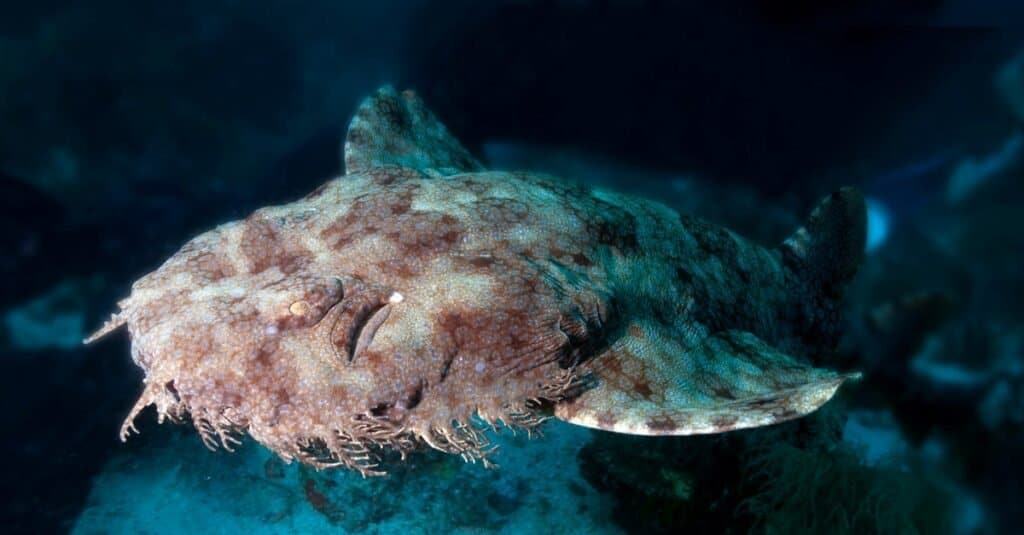
Wobbegongs are carpet sharks that have evolved very flat bodies to accommodate their life on the seabed. They have a unique combination of broad heads and compressed bodies. These features allow them to blend well with rocks and coral reefs. Skin flaps around the mouth work to break up their outline, further camouflaging them. Indeed, these predators can appear almost invisible. When unsuspecting fish swim just inches above them, the sharks strike like lightning.
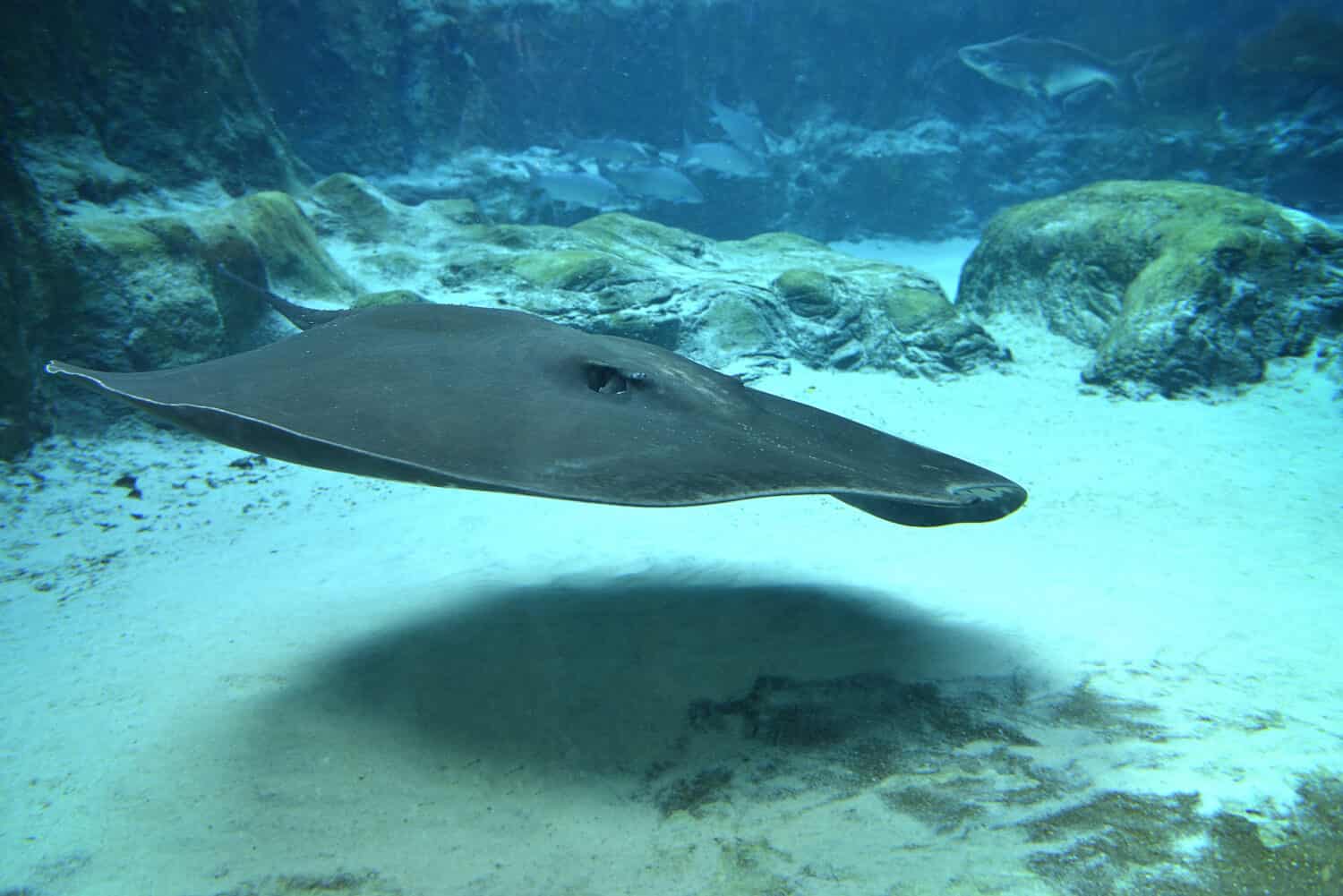
5. Freshwater Stingray
©iStock.com/slpu9945
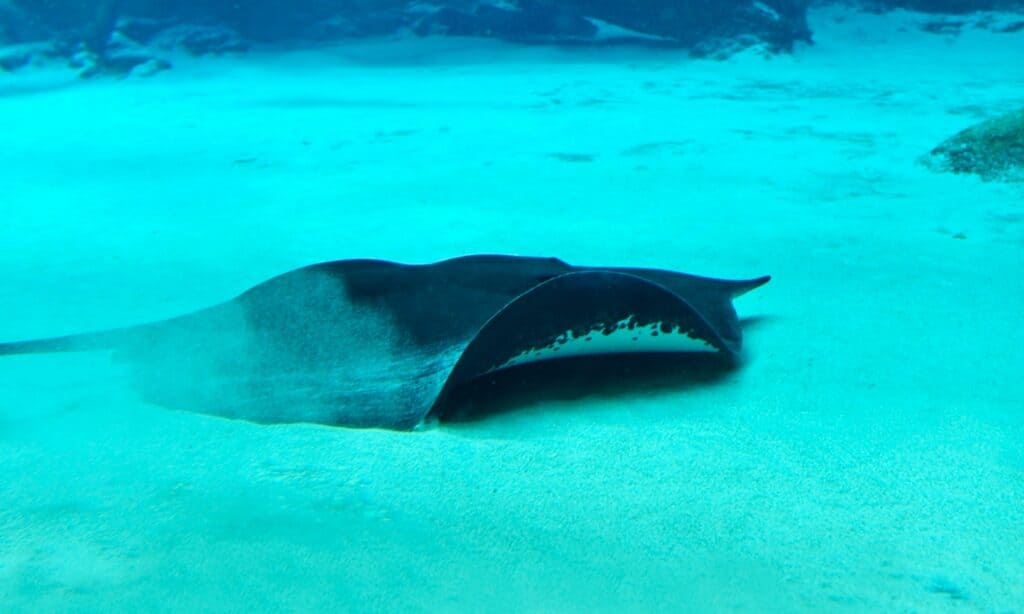
Freshwater stingrays seem like living discs gliding through the water. These rays have bodies that are consistently flattened from top to bottom. Their eyes sit on the upper surface, while their mouth and gills are positioned underneath. Top-facing eyes allow them to hide on river bottoms while searching for prey above. Some South American species can grow quite large, measuring over four feet across, all while remaining incredibly thin.
6. Skate
©Joern_k/Shutterstock.com
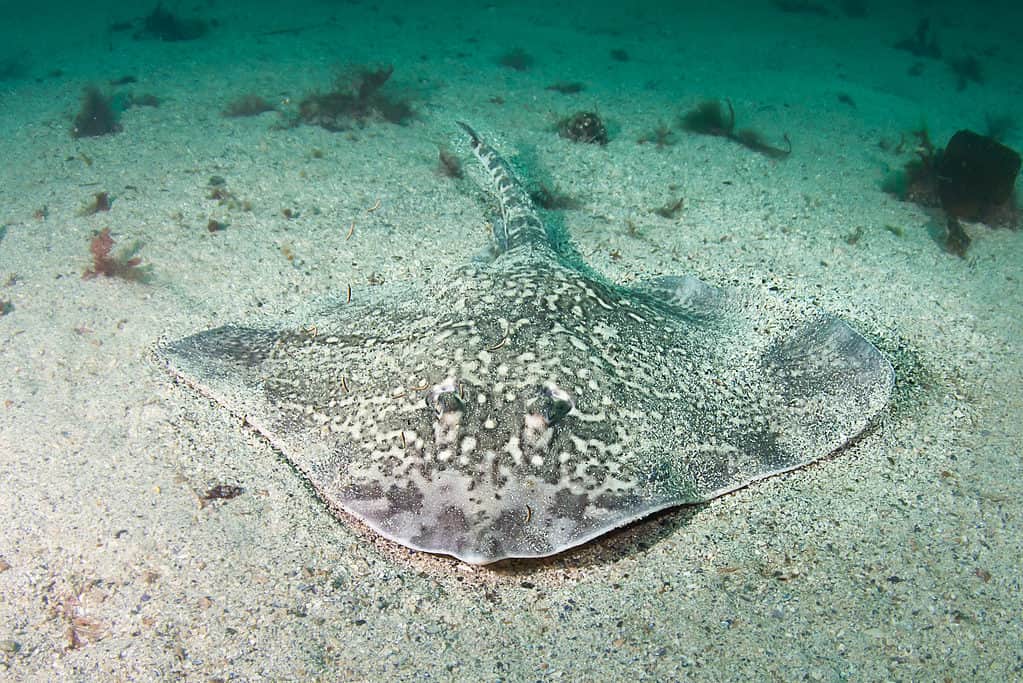
Skates are some of the thinnest creatures ever documented. Once species known as the common skate, or blue skate, is one of the largest flat-bodied fish in the world. These marine creatures can extend more than eight feet from wingtip to wingtip. Its enormous fins converge seamlessly with the head, which makes an almost perfectly flat diamond shape. This body design means they can easily glide just above the seafloor, looking graceful while they do so. Despite its imposing size, rays look delicate as they navigate through the water.
7. Flat Bark Beetle
©Jakub288/Shutterstock.com
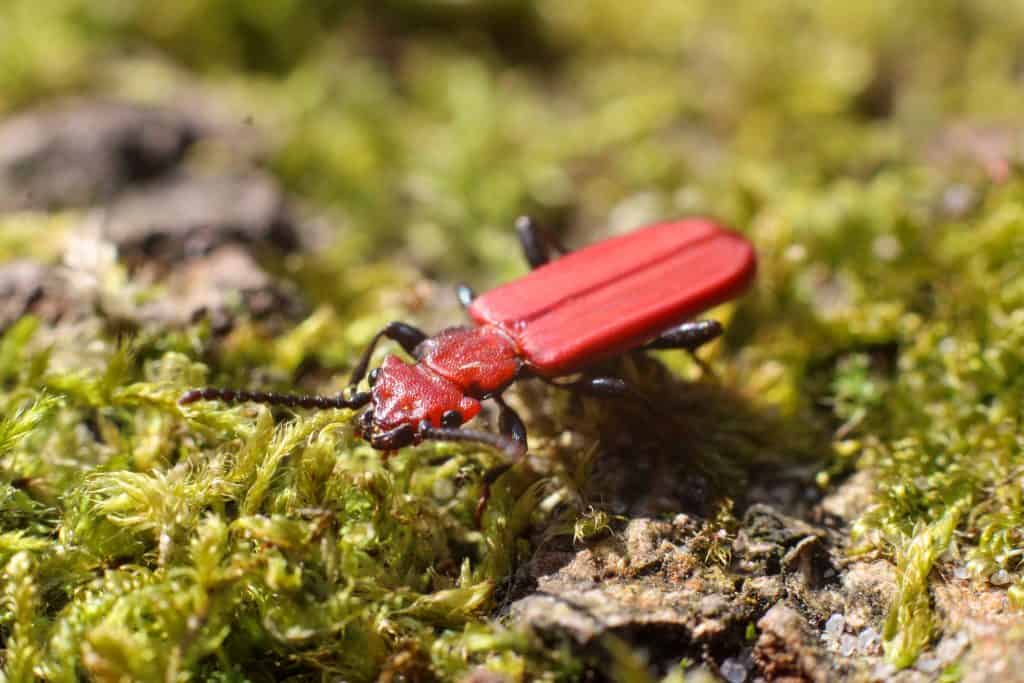
Flat bark beetles have evolved bodies thin enough to squeeze under loose tree bark. This gives them the perfect hiding spots from both predators and the natural elements. It also allows them access to hidden food sources that other insects cannot reach. Being able to tuck into these narrow spaces also shields them from harsh weather. Without their extreme flatness, their specialized life would be impossible.
8. Sand Dollar
©Jillian Cain Photography/Shutterstock.com
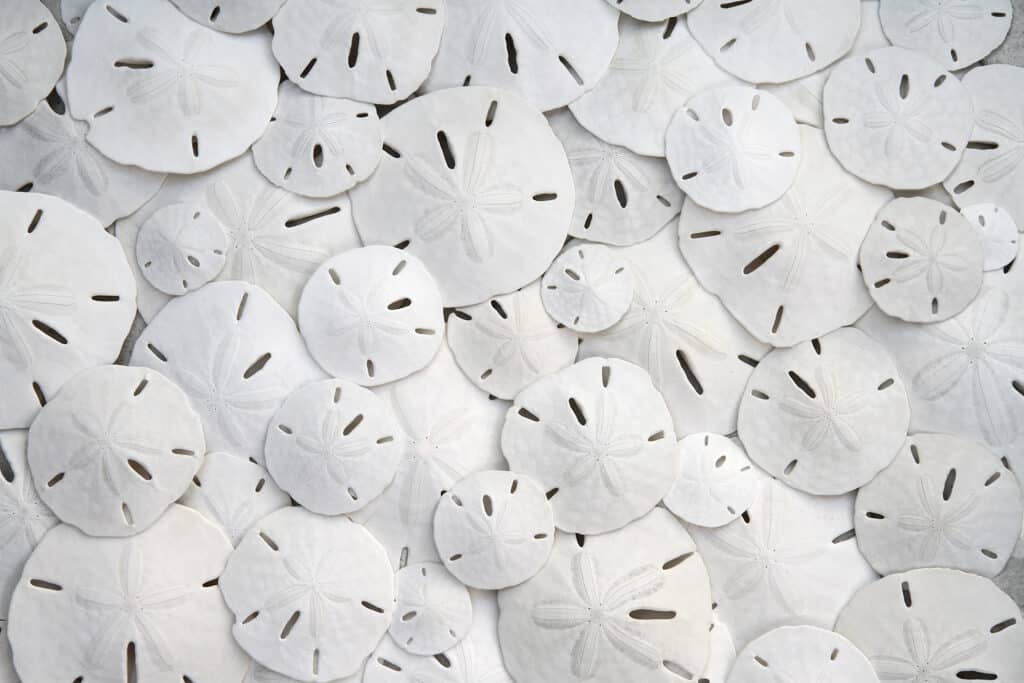
Sand dollars have one of the flattest bodies in the animal kingdom. Uniquely, their skeleton develops into a paper-thin, coin-shaped disc. They lie on or just underneath sandy ocean floors. Tiny hair-like feet aid the creature in two ways: by guiding food particles toward the mouth and helping the animal burrow into the sediment. Their distinctive body shape has made them one of the most recognizable ocean invertebrates.