
Quick Take
- Despite their reputation as one of the hardest breeds to train, Shiba Inus have one surprising area where they practically train themselves. See their natural instincts →
- There's a narrow window in a Shiba Inu puppy's development that, if missed, can make calm, confident behavior nearly impossible to achieve later. Explore the critical window →
- The discipline approach that works on most dogs can cause a Shiba Inu to completely shut down, and most owners don't even realize they're making this mistake. Avoid this discipline mistake →
- Resource guarding in Shiba Inus isn't just a bad habit but something hardwired into the breed, and one counterintuitive feeding strategy can stop it before it starts. Try the feeding strategy →
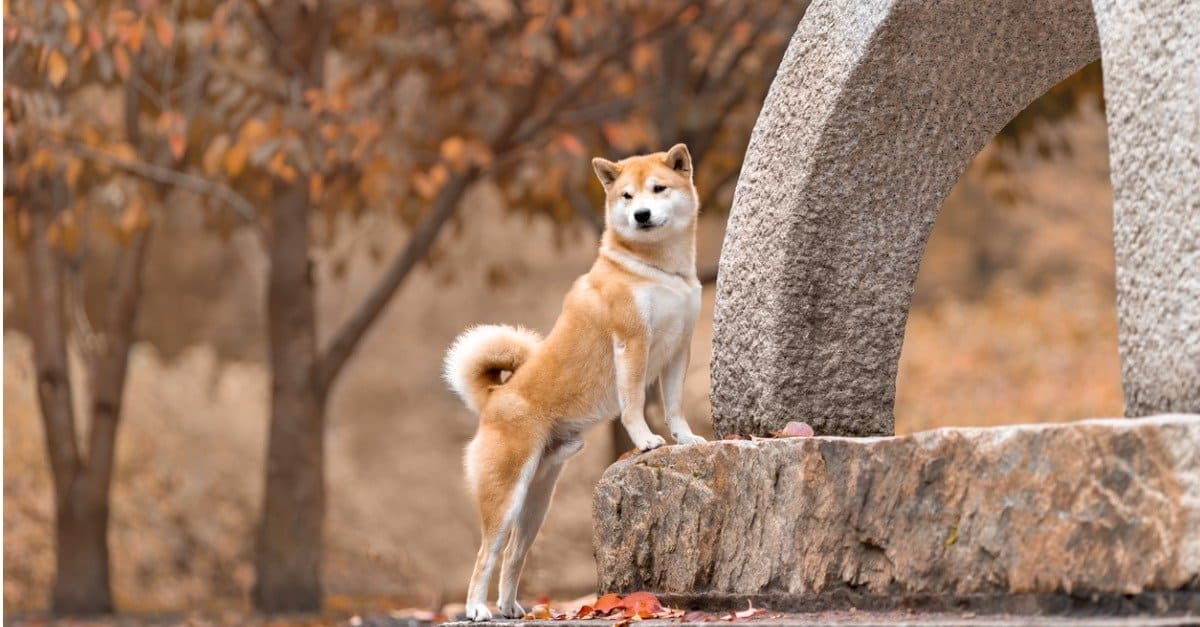
The Shiba Inu is an ancient Japanese breed whose origins date back to at least 3000 B.C., when its ancestors served as agile hunting companions. The breed was on the brink of extinction after WWII, and the modern Shiba Inu exists today only because of dedicated preservationists who rebuilt and standardized the breed. The Shiba Inu was introduced in the United States in 1954, with the first American litter recorded in 1979. Since then, the Shiba Inu has maintained its appeal as a popular pet. However, this breed is notoriously difficult to train. But fear not. Continue reqading to discover the best methods and tips for training your Shiba Inu.
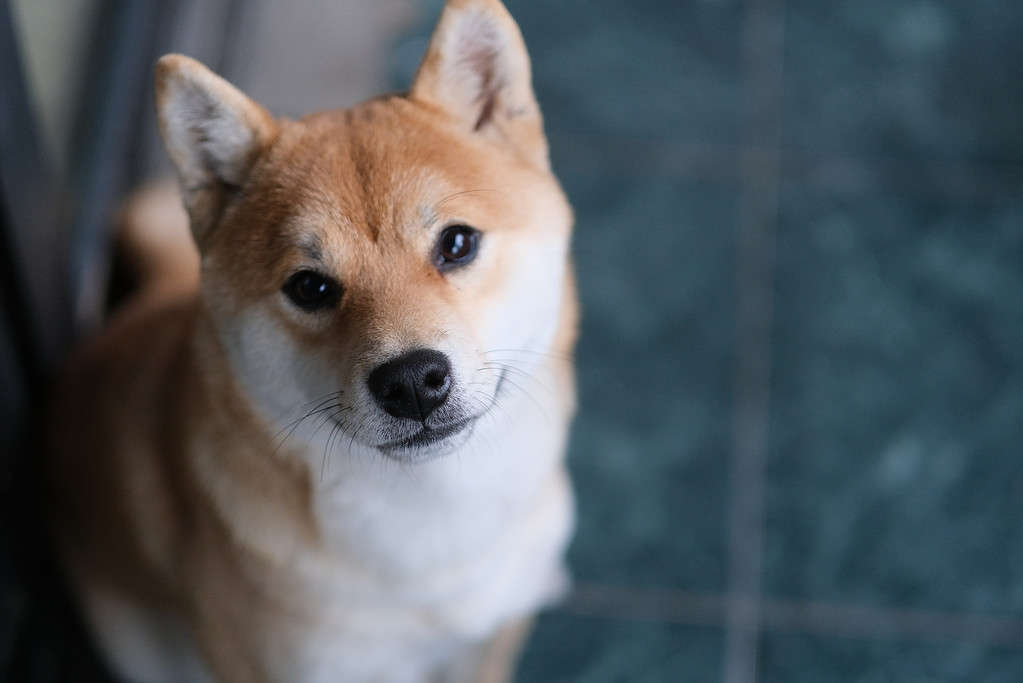
The Shiba Inu breed can be difficult to train for those without dog training experience.
©Robert Way/iStock via Getty Images
Socialize them Early
Your Shiba Inu doesn’t need to meet everyone you see on your outings, but they should learn how to behave around a variety of people and animals. Positive experiences while your dog is a puppy will go a long way toward raising a well-behaved adult dog.
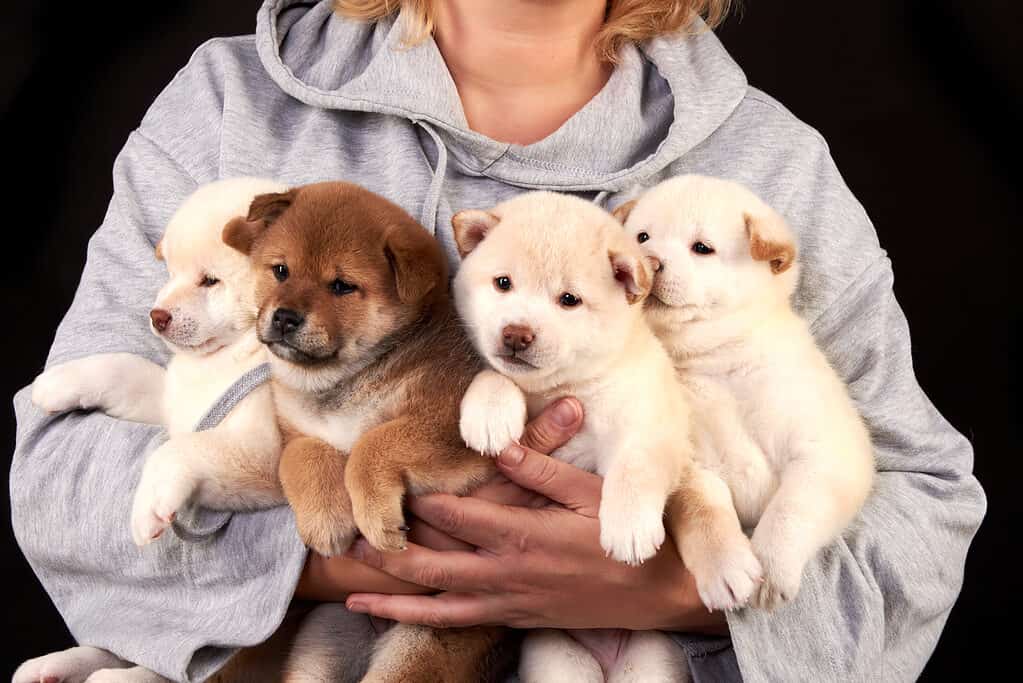
You should begin socializing a new Shiba Inu puppy immediately, but take things slowly and at their pace.
©Akifyeva S/Shutterstock.com
You’ll also want to get your Shiba used to being handled. This includes being able to touch their paws to clip their nails, open their mouth and brush their teeth, brush their fur, and more. If you, a groomer, or a vet will need to do it in the future, get them used to it now so the experience isn’t so stressful.
Because they are naturally aloof and can develop resource guarding or dog-directed aggression, success hinges on exposing them to a vast array of novel people, animals, and handling environments during their critical socialization window before 16 weeks of age, transforming their natural vigilance into calm confidence.
Set Your Shiba Inu Up for Success
Setting a Shiba Inu up for training success requires channeling their primitive breed traits through consistency, positive reinforcement, and early, thorough socialization. Because Shibas possess an inherently independent, cat-like nature and are easily bored by repetitive tasks, owners must keep training sessions brief (no more than 10 minutes) and highly engaging by utilizing high-value treats like freeze-dried meats or cheese to outweigh their stubborn streak. It is crucial to establish clear household boundaries from day one, but discipline must remain strictly positive, as harsh corrections will cause a Shiba to completely shut down or lose trust.
Start with House Training and Basic Cues
When you first bring your Shiba Inu home, it can be an overwhelming time for you both.
They need to get used to their new life, which means being in a new place with new people and sometimes even different rules than those they are used to.
You’re also thinking of all the things you need to teach them if you’re going to raise a well-behaved adult dog.
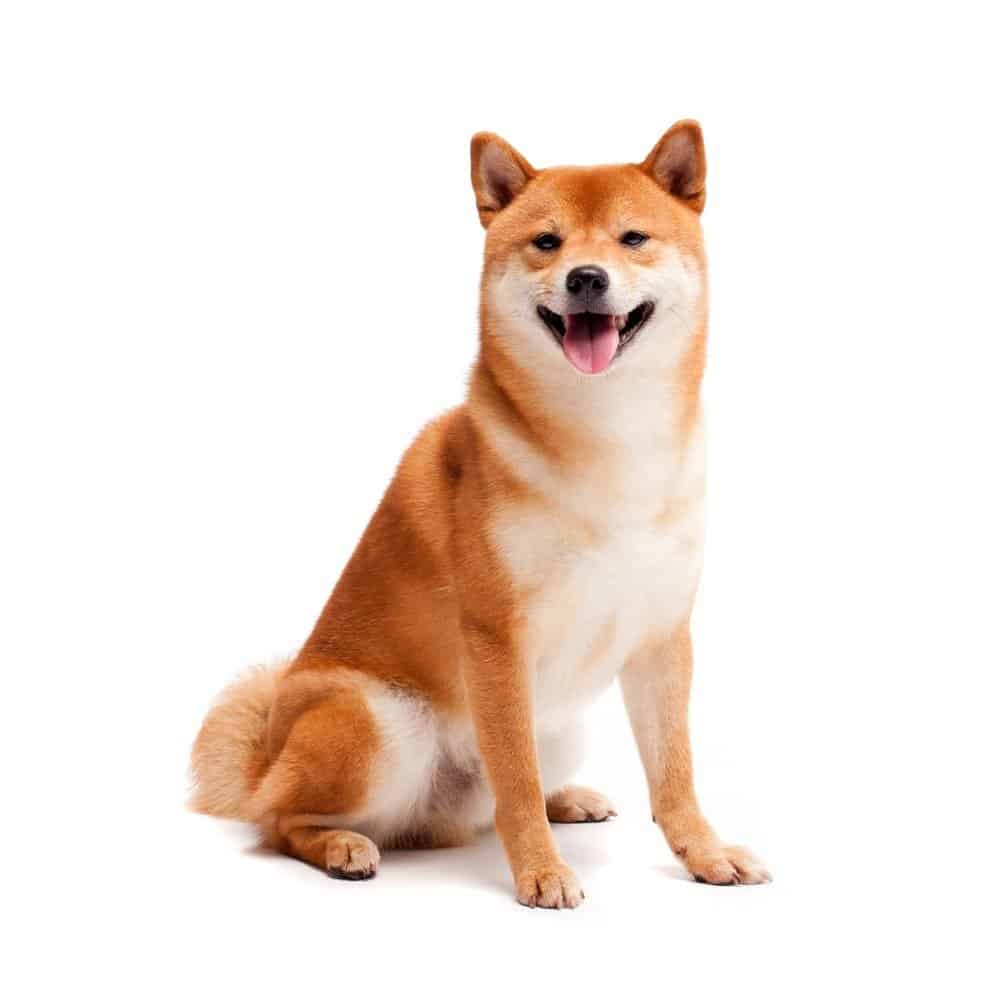
Training your Shiba starts with learning basic cues.
©Irina Vaneeva/Shutterstock.com
Beyond socialization, focus on house training and basic cues. Introduce new cues gradually, giving your Shiba Inu time to master one before adding more.
Shiba Inus are remarkably easy to house train and are often regarded as one of the easiest dog breeds to housebreak due to their fastidious, cat-like cleanliness. They naturally despise a soiled living environment and instinctively prefer to eliminate as far away from their sleeping and eating quarters as possible. Many Shiba puppies practically house train themselves, learning to signal their need to go outside within just a few days of arriving at a new home.
Focus on Safety Cues
Teach your Shiba Inu safety cues from a young age. Their powerful prey drive and independent nature mean a solid safety foundation could save their life.
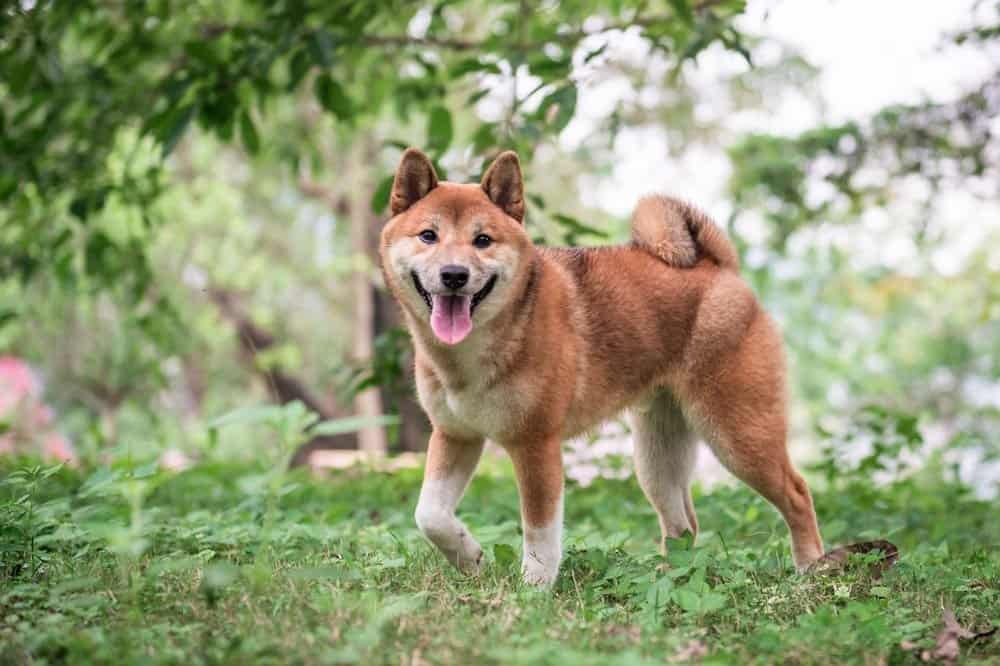
Recall is difficult for Shiba Inus, so you might need to keep them on a leash or behind a fence at all times.
©Chendongshan/Shutterstock.com
Safety cues include:
- Leave it: This cue teaches your Shiba Inu to ignore things on your walks or that you dropped on the kitchen floor.
- Drop it: This cue trains your Shiba Inu to drop an undesirable item that they already have in their mouth.
- Place: Teach your Shiba Inu to go to their place, which could be a specific area of your yard if you are outdoors, or their crate or dog bed when they are indoors.
- Come: Teach your Shiba Inu to respond to a cue word, such as come, which they should understand means for them to return to your side. Because of their high prey drive, never let a Shiba Inu off-leash unless their recall is truly reliable. It is normal for a Shiba Inu to never achieve perfect recall.
Preventing Resource Guarding
Resource guarding is a defensive behavior where a dog uses body language or aggression to protect valuable items, such as food, toys, or a favorite sleeping spot. Because Shiba Inus are a primitive breed with strong survival instincts, they are genetically prone to this behavior and can become highly possessive.
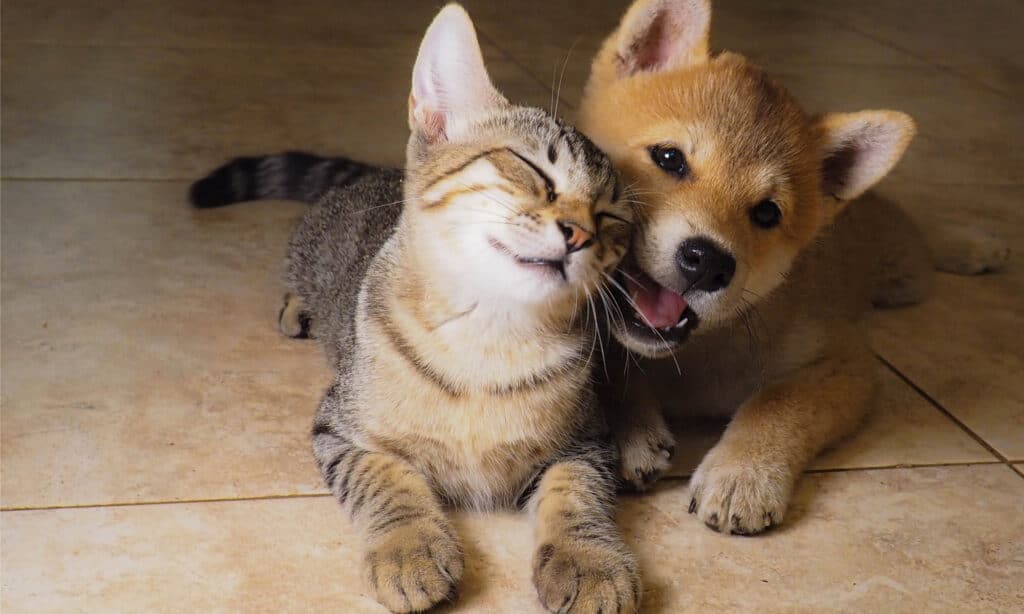
Keeping other pets away from your Shiba Inu while they eat is a great way to prevent resource guarding.
©iStock.com/iness_ikebana
There are several ways to prevent resource guarding, but the most important is to build a reputation with your dog as someone who gives, rather than takes, things away.
Tossing treats to your puppy as they eat is a great way to teach this. You can also teach them to trade low-value items, such as toys, for high-value items like their favorite treats.
It’s a good idea to give traded items back to your dog when possible. This teaches them that even if you do take something away, it’s not always permanent.
Teach leave it and drop it cues rather than prying things out of your dog’s mouth, and have treats on hand to trade for any forbidden objects.
Never stick your hand into their bowl or take their food in the middle of a meal, as these methods can cause or worsen resource guarding. Keep children and other pets away from your Shiba Inu while they eat.
Exercise and Mental Enrichment are Crucial
Make sure your Shiba Inu is getting enough exercise and mental enrichment. If these needs aren’t met, you’re often going to see problematic behaviors such as excessive barking or destructive chewing.
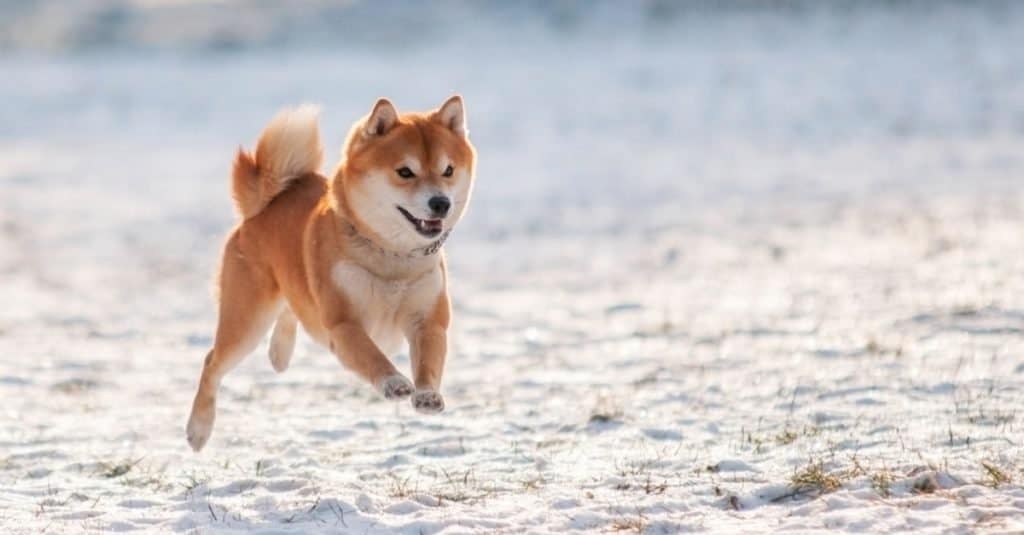
Without enough exercise, your Shiba Inu is almost bound to misbehave.
©Trybex/Shutterstock.com
Lack of exercise or mental stimulation can create boredom or anxiety, both of which can make a dog misbehave. If your Shiba Inu isn’t getting at least one long walk a day and plenty of mental enrichment, start by addressing these needs, as a lack of exercise and stimulation is likely the root cause of their misbehavior.