
Quick Take
- One fish on this list actually recognizes its owner and swims to greet them, which is something most people would not expect from the fish in question. Betta fish recognition →
- Bigger tanks sound like more work, but for one fish on this list, a larger aquarium is actually the easier choice. Why bigger tanks help →
- At least two fish here do a chore most owners dread, and keeping the right number of them makes all the difference. Algae-cleaning in groups →
- Fish-keeping has a measurable effect on seniors' blood pressure and heart rate, and the type of tank matters more than most people realize.
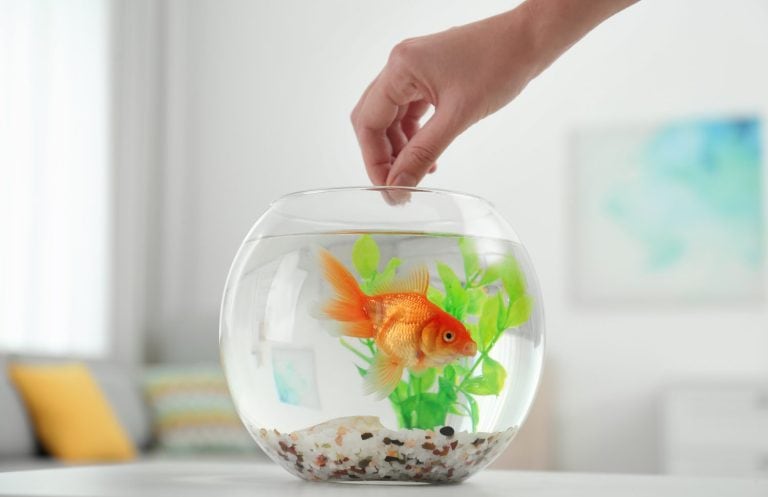
Watching fish in an aquarium has documented physical and mental health benefits, particularly for seniors. Multiple studies have proven that watching fish can reduce anxiety and stress, resulting in a noticeable drop in blood pressure and heart rate. Caring for fish requires a daily routine, which can help seniors maintain mental focus and a sense of purpose. Freshwater tanks are favored over saltwater tanks for being less labor-intensive and easier to maintain. While there are thousands of freshwater fish species, pet stores typically stock between 20 and 50 base species, which can make choosing a fish a rather daunting prospect. Whether you prefer solitary fish, schooling species, or bottom-dwellers that help keep the tank clean, continue reading to learn about seven freshwater aquarium fish that make excellent pets for seniors.
Betta Fish
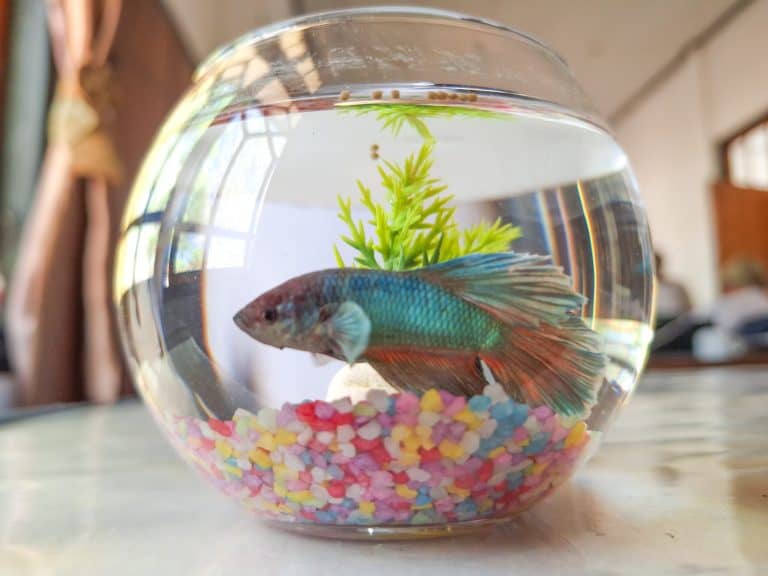
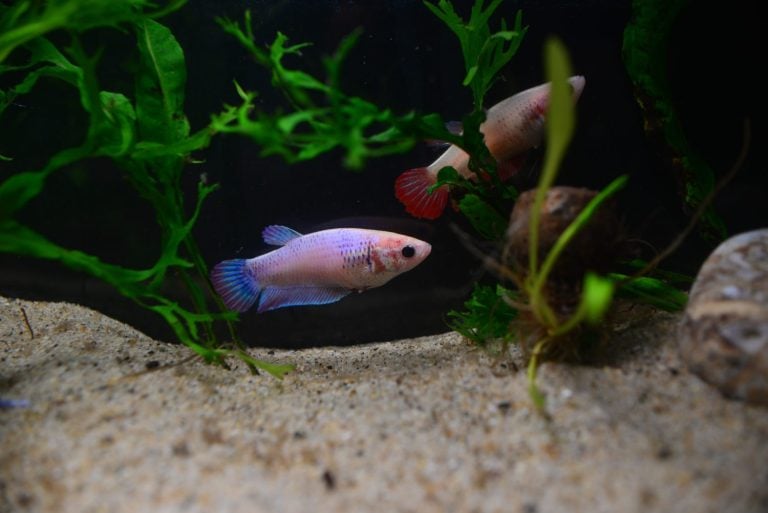
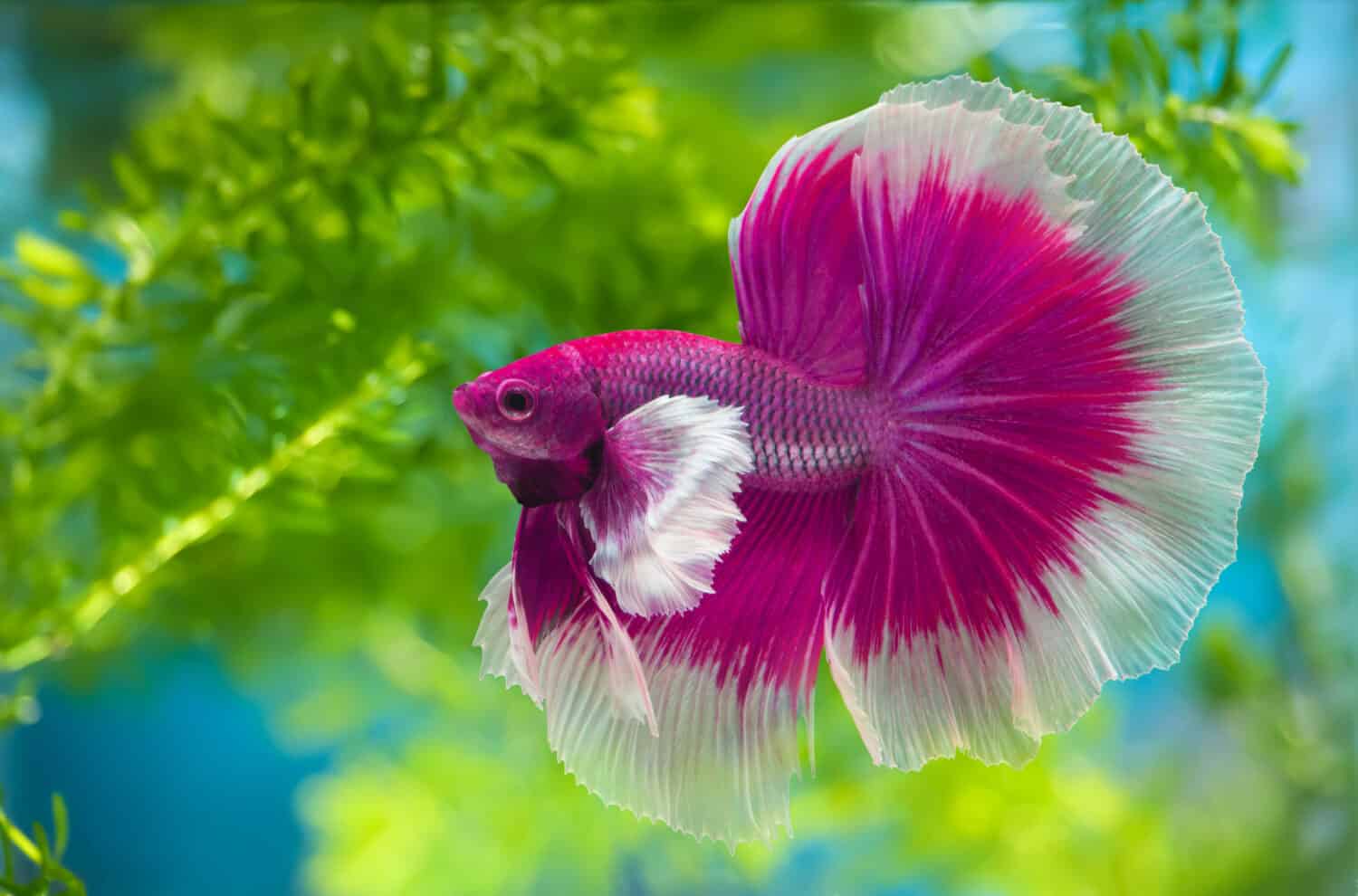
Betta fish (Betta splendens), also called Siamese fighting fish, are highly territorial freshwater fish known for their breathtaking colors and flowing fins. Captive-bred bettas display a stunning rainbow of hues, ranging from deep reds and royal blues to bright yellows, metallic purples, and opaque whites. Bettas can cohabitate with various other freshwater fish. However, they do not get along with other bettas.
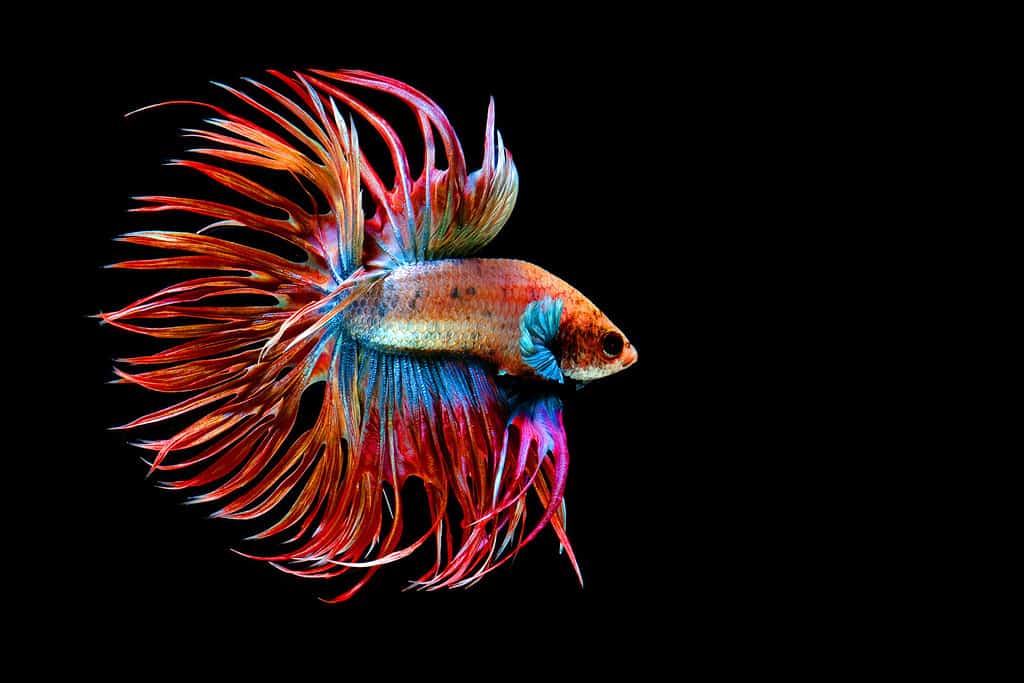
Male bettas, like the red/blue crowntail, are typically much more brightly colored and feature larger, more elaborate fins than females.
©Vilasack Southisane/Shutterstock.com
Betta fish are wonderful, low-stress pets for seniors. They provide engaging companionship without the physical demands of walking or daily grooming. Bettas are also bursting with personality. They recognize their owners and will often swim to the front of the tank when their owner approaches.
Betta Fish Quick Take:
- Aquarium Size: 5+ gallons
- pH Requirements: 6.5 to 7.5
- Size: 2 to 3 inches
- Temperature Requirements: 75-81°F
- Temperament: Semi-aggressive; cannot be housed with other bettas.
- Swimming Level: Middle to top
Zebra Danio
Zebra danios (Danio rerio) are a popular, hardy freshwater aquarium fish native to South Asia. These adorable little striped fish, belonging to the minnow family, are shoaling fish that need to live in groups. While they do not form tightly synchronized schools, they actively swim together for security and social interaction. Groups of between six and 10 are considered ideal.
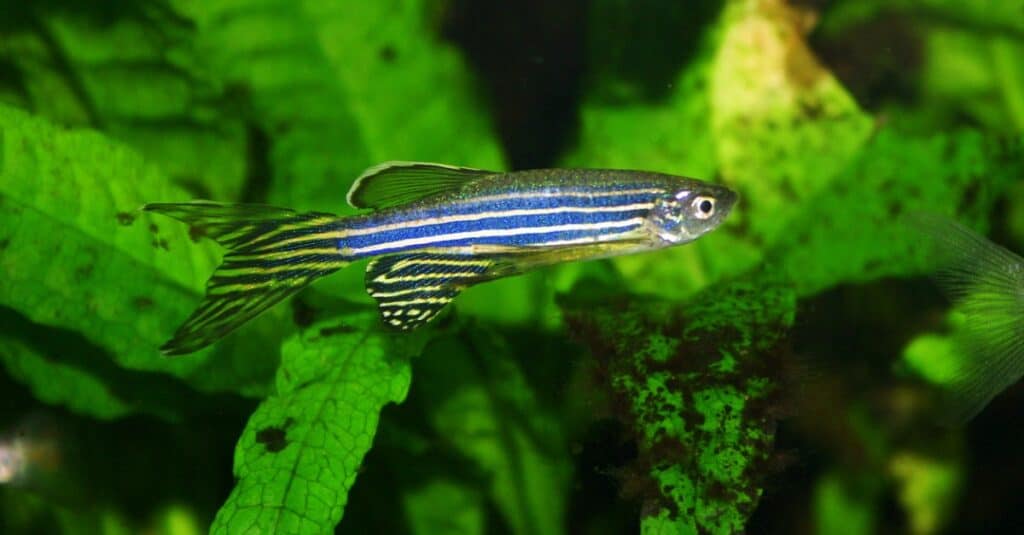
Zebra Danios are one of the best fish breeds to own for seniors because of how easy they are to care for. Furthermore, they are extremely tolerant of a wide range of parameters and fluctuations.
©iStock.com/MATTHIASRABBIONE
Because having multiple zebra danios is beneficial, a larger tank is required. Counterintuitively, larger tanks are easier to care for than smaller ones and are inherently more forgiving when mistakes happen.
The larger volume of a big aquarium provides a much wider margin for error, allowing you to catch and fix problems before they stress your fish.
Zebra Danio Quick Take:
- Aquarium Size: 15+ gallons
- pH Requirements: 7.0 to 7.8
- Size: 1.5 inches
- Temperature Requirements: 64-75°F
- Temperament: Peaceful, but can get nippy
- Swimming Level: Middle to top
White Cloud Mountain Minnow
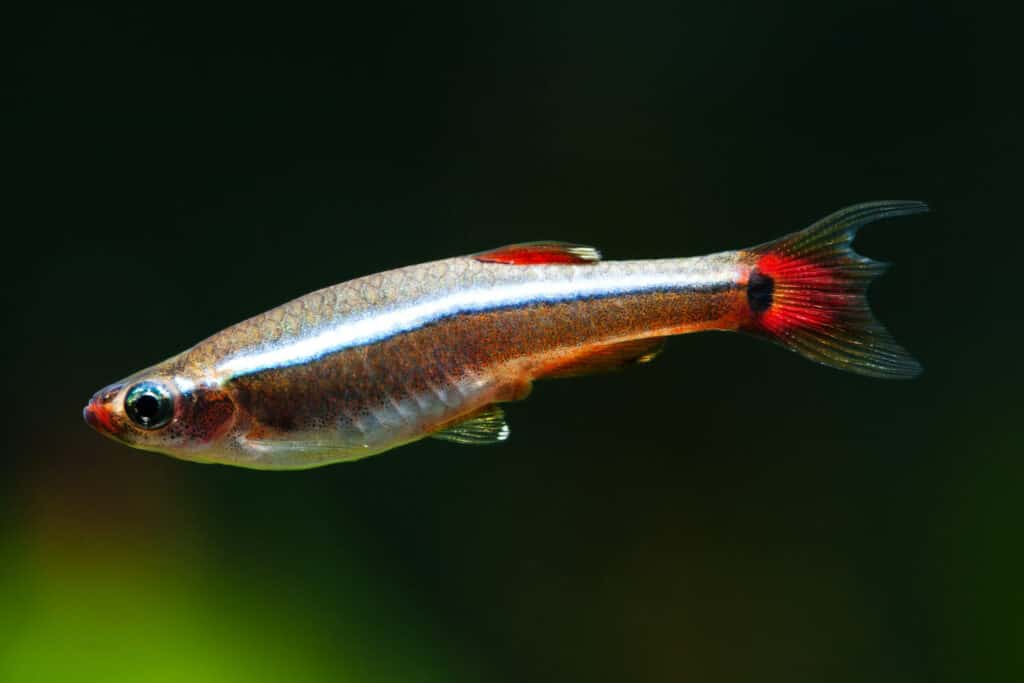
White cloud mountain minnows (Tanichthys albonubes) are excellent, low-maintenance fish, making them a fantastic pet for seniors. Because they are native to cold water, there’s no need for a heater, as white cloud mountain minnows thrive in room-temperature water. They can also adapt to a wide pH range.
©Besjunior/Shutterstock.com
Like many other small fish, white cloud mountain minnows do best in groups of six or more, and having more of them is aesthetically pleasing because of their rich red fins. In addition, they get along well with other peaceful coldwater fish species.
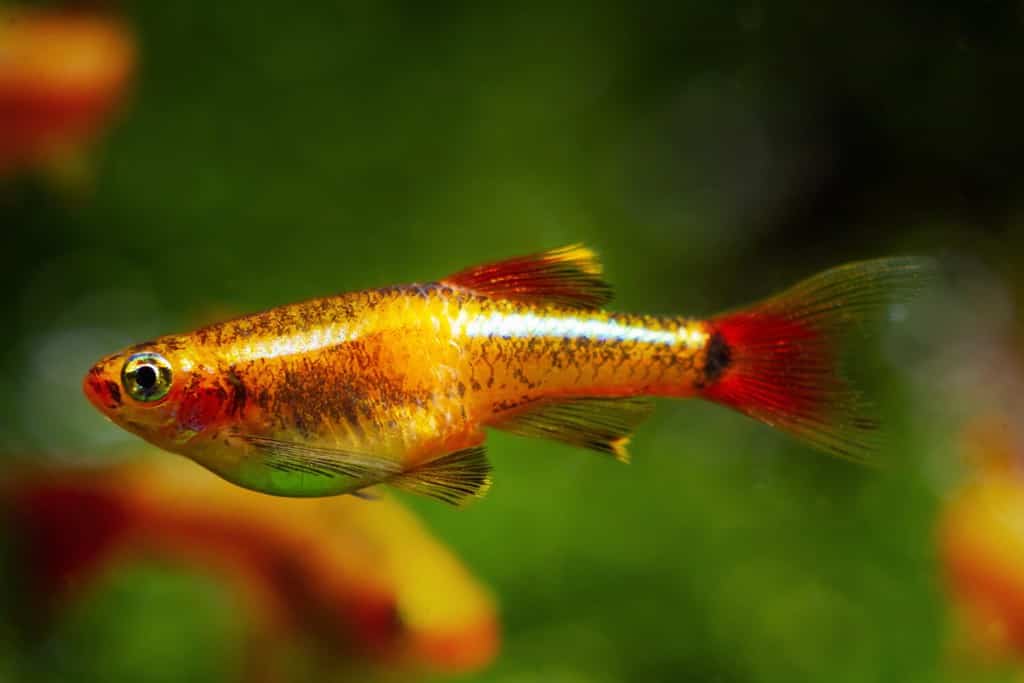
The white cloud mountain minnow golden morph was developed through selective captive breeding.
©Aleron Val/Shutterstock.com
White cloud mountain minnows are not particular about their food and are happy with pellets or flakes. However, an occasional snack, like live, frozen, or freeze-dried foods, is a nice treat.
White Cloud Mountain Minnow Quick Take:
- Aquarium Size: 10+ gallons
- pH Requirements: 6.0 to 8.0
- Size: 1.5 inches
- Temperature Requirements: 60-72°F
- Temperament: Peaceful
- Swimming Level: Middle to top
Siamese Algae Eater
Siamese algae eaters (Crossocheilus oblongus) are a great fish breed for seniors because they are peaceful, easy to care for, and eat algae. However, they are on the bigger side, so they need more space to swim. Siamese algae eaters adapt well to changes in temperature and pH levels. They are primarily bottom feeders that mainly stay at the bottom of the tank, where they can eat algae and be left alone. While these fish feed on algae, they still need other food to supplement their diet.
The Siamese algae eater can thrive either singly or in a group, and the best choice depends on tank size and setup. They are naturally schooling fish and will actively explore and clean a tank together. However, as they mature, they may establish a pecking order and become semi-aggressive toward each other. A single specimen eliminates the risk of in-tank squabbling and will still graze on hair and beard algae.
Siamese Algae Eater Quick Take:
- Aquarium Size: 30+ gallons
- pH Requirements: 6.5 to 8.0
- Size: up to six inches
- Temperature Requirements: 72-82°F
- Temperament: Peaceful
- Swimming Level: Bottom
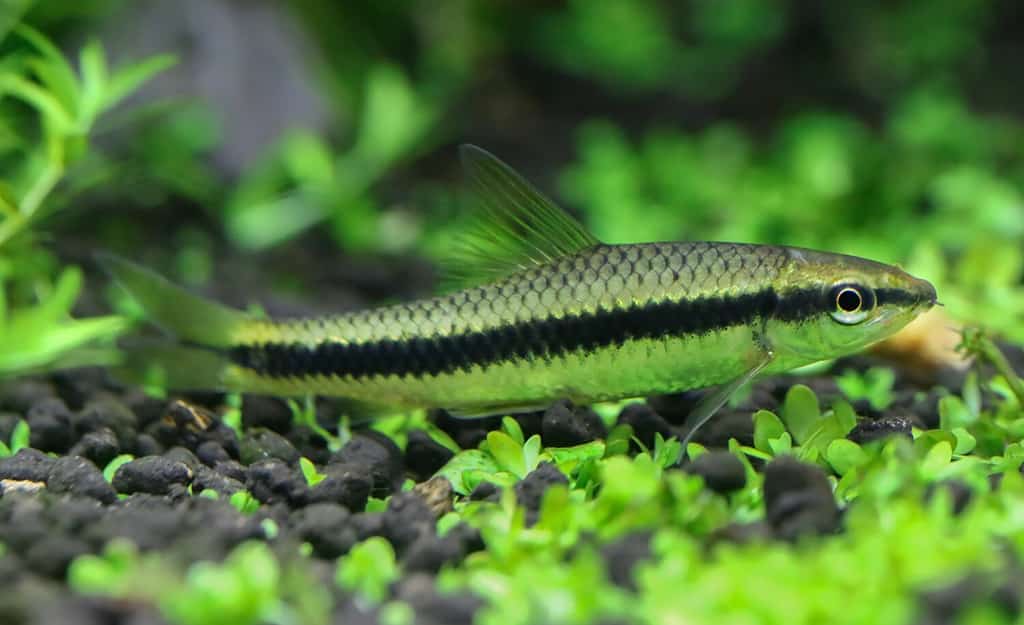
Siamese algae eaters can live alone or in groups.
©Swapan Photography/Shutterstock.com
Platy Fish
Platy fish (Xiphophorus maculatus) are a peaceful, live-bearing freshwater species. They are adaptable and can handle changes in water parameters, such as temperature and pH level. However, as tropical fish, they prefer warmer water. These hardy fish swim and explore all levels of the tank throughout the day, making them easy and fun to watch.
Important tips for owning platies:
- Aquarium Size: 20+ gallons
- pH Requirements: 6.8 to 8.5
- Size: 2 to 3 inches
- Temperature Requirements: 70-82°F
- Temperament: Peaceful
- Swimming Level: Middle to top
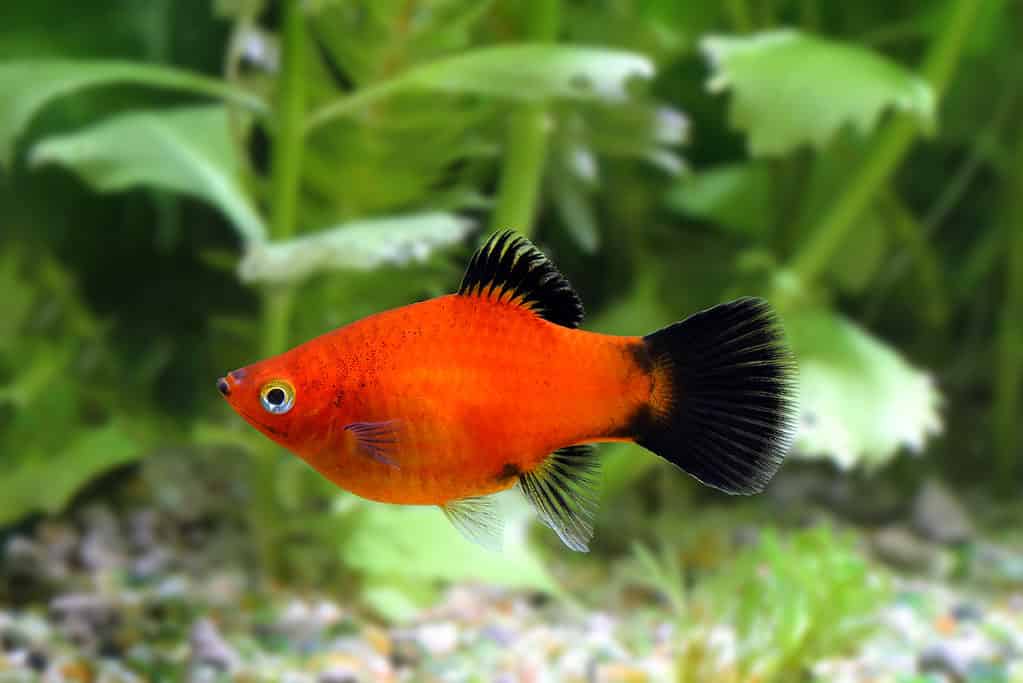
Platy fish come in dozens of different colors and patterns, due to decades of selective breeding
©topimages/Shutterstock.com
Dwarf Otocinclus Catfish
Dwarf Otocinclus catfish (Otocinclus macrospilus) are tiny fish that thrive in nano aquariums, which are a great low-maintenance option for seniors. These adorable little catfish are highly social, shoaling and schooling fish that thrive and feel much more secure in groups of six or more, which drastically reduces stress and encourages active foraging behavior.
These fish use suction to clean algae from aquarium glass. In addition to algae, these little catfish enjoy bottom-feeder pellets.
Dwarf Otocinclus Catfish Quick Take:
- Aquarium Size: 15+ gallons
- pH Requirements: 6.8 to 7.5
- Size: up to 2 inches
- Temperature Requirements: 72-79°F
- Temperament: Peaceful
- Swimming Level: Bottom
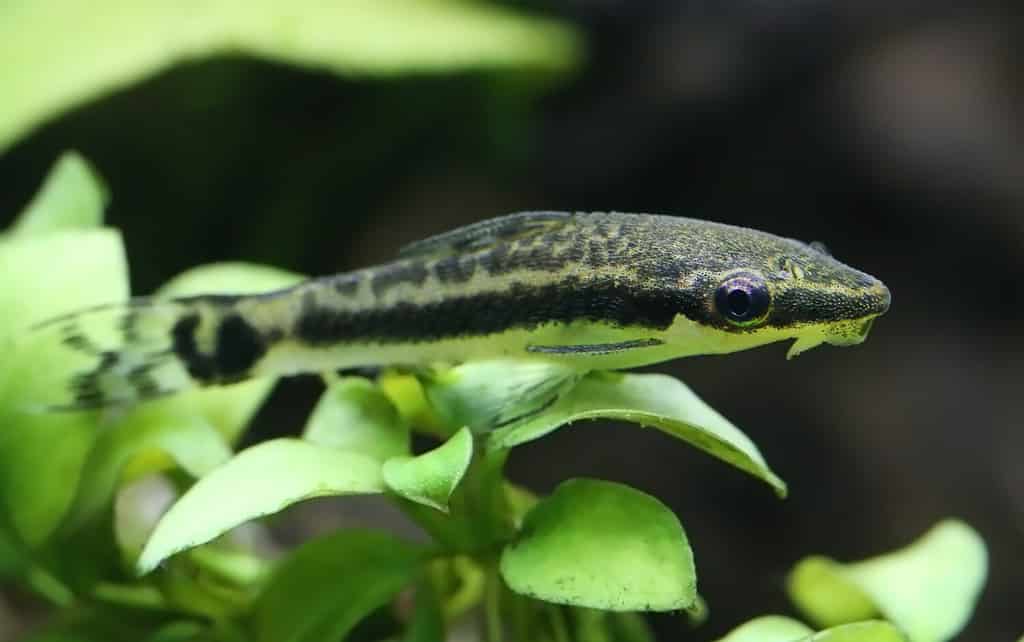
Dwarf Otocinclus catfish are tiny fish that thrive in nano aquariums, which are a great low-maintenance option for seniors.
©Swapan Photography/Shutterstock.com
Neon Tetra
They might be small, but neon tetra (Paracheirodon innesi) are hardy and can adapt to a wide range of water quality. They naturally occur in blackwater streams in their natural environment, where the pH levels vary and may drop between 4.0 and 5.0.
The only non-negotiable requirement is water temperature, which must be kept warm since they are tropical fish.
Neon tetras must be kept in large groups. Keeping them in schools of at least 6 to 10 (though 15+ is ideal) is crucial for their well-being.
Neon Tetra Quick Take:
- Aquarium Size: 10+ gallons
- pH Requirements: 4.0 to 7.0
- Size: 1 to 1.5 inches
- Temperature Requirements: 74-78°F
- Temperament: Peaceful
- Swimming Level: Middle to top
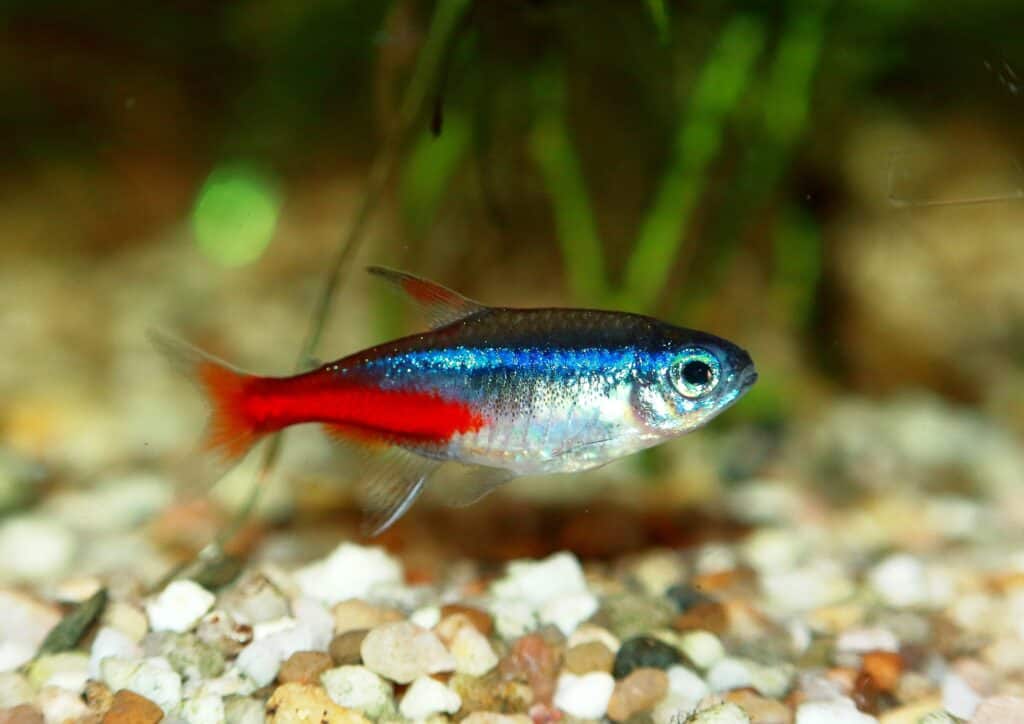
While some neon tetras like to nip, keeping them in large groups can lessen, if not eliminate, this behavior.
©Kristiana Berzina/Shutterstock.com