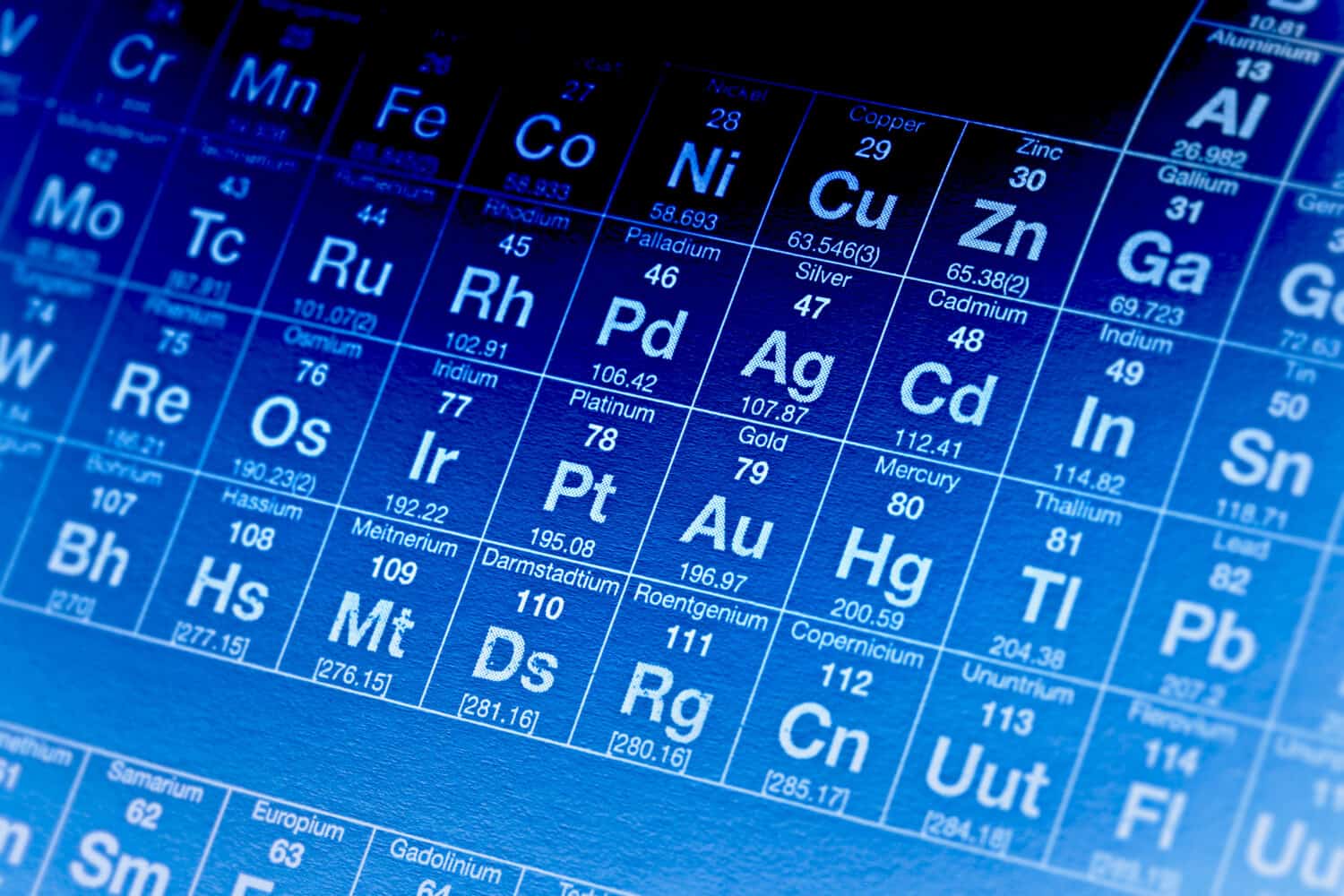

While planet Earth is home to an abundance of beauty, it’s also home to many hazards. While humans are conditioned to be wary of dangers such as sharp objects, extreme weather, and fire, elemental poisoning is not discussed as often. Some toxic elements are found in our food and water supply while others are less common. Let’s explore 11 of the most dangerous elements on planet Earth and discuss what effects they can have on contact with humans.
1. Mercury
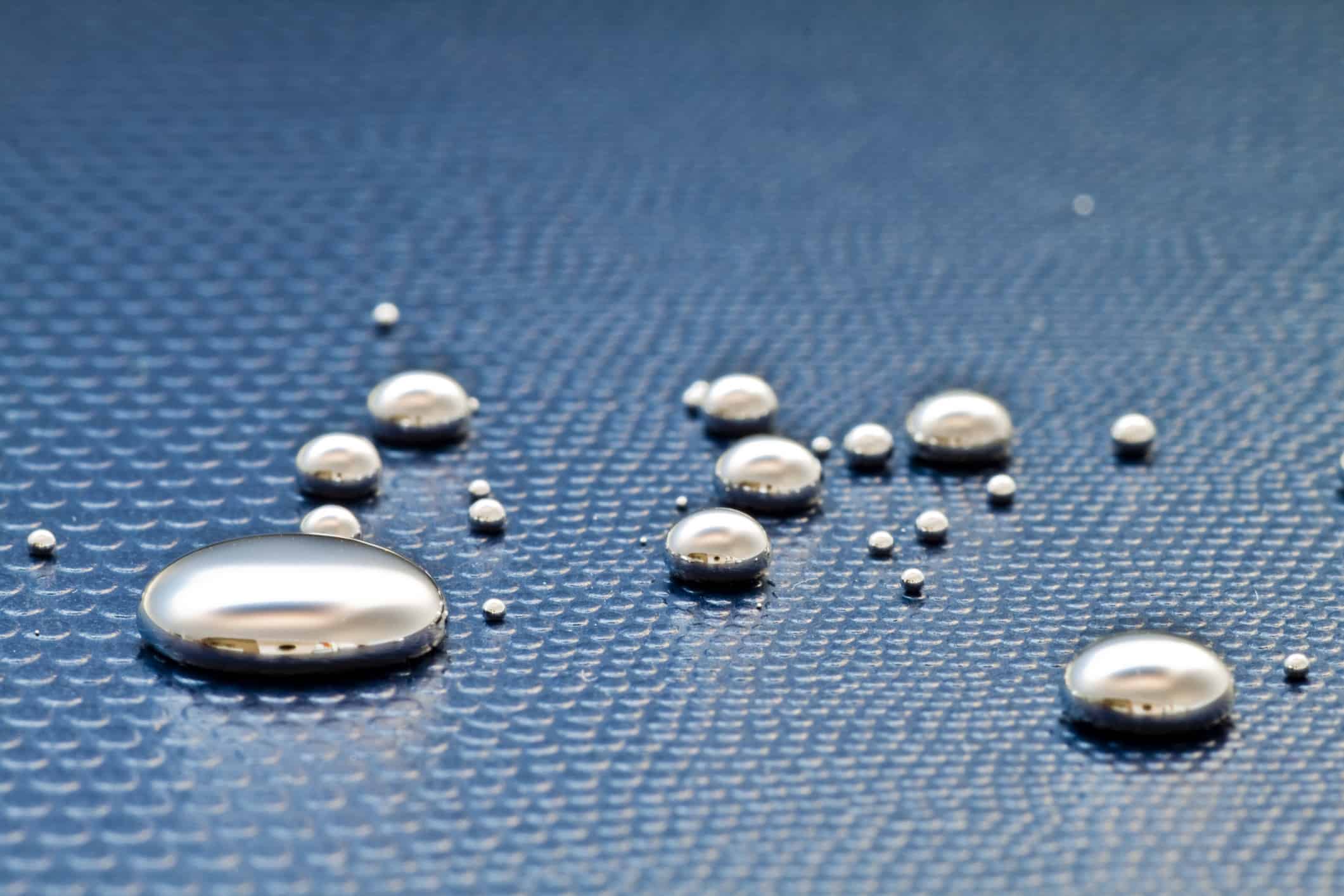
Pregnant women in particular can experience a variety of health issues if exposed to mercury.
©iStock.com/ados
Almost everyone is familiar with the dangers of mercury, and that’s for a very good reason. This element is present in quite a few foods we eat, such as tuna, salmon, rice, alcohol, and even soy products. However, this isn’t the only way humans can be exposed to this element. Both inhaling and handling mercury can have far-reaching effects as well. According to the S.C. Department of Health and Environmental Control, “Depending on the type and amount, exposures to mercury can damage the nervous system, kidneys, liver and immune system. Breathing mercury vapors can harm the nervous system, lungs, and kidneys.”
2. Arsenic

Arsenic was first discovered in the year 1250.
©ADragan/Shutterstock.com
When you hear the word “arsenic,” chances are your mind wanders to poison. However, at one point, this element was once widely used in products such as paint, glass, wallpaper, and pesticides. This was long before mankind was aware of the deadly effects contact with arsenic can have. While some people experience mild symptoms such as nausea and vomiting, others can develop diseases such as cancer. Pregnant women are especially sensitive to arsenic as it greatly impacts fetal development.
3. Lead
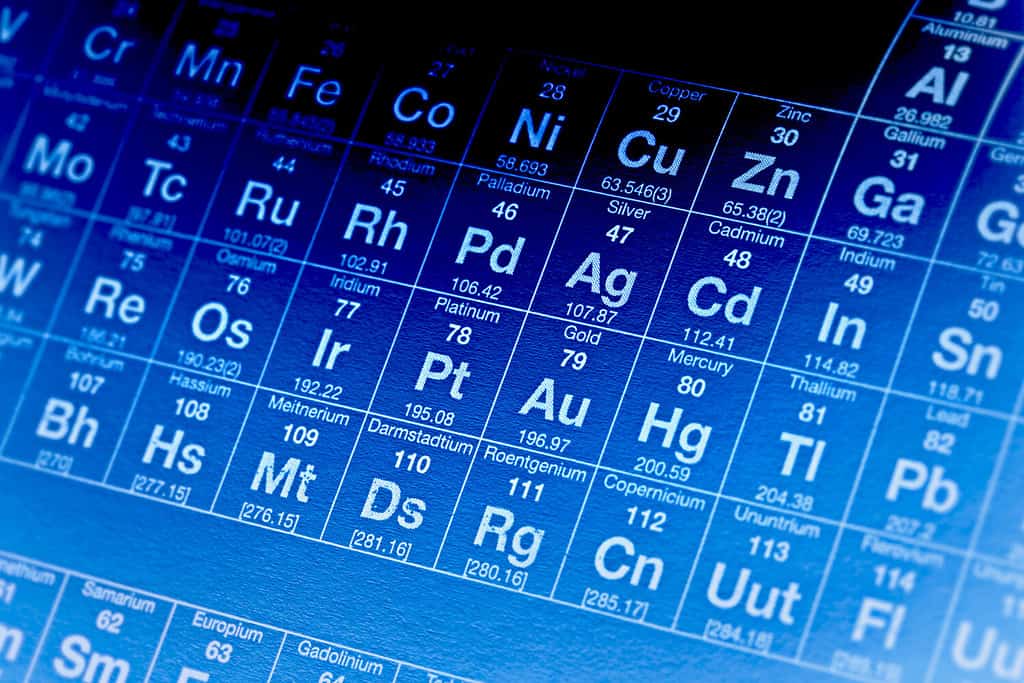
The symbol for lead on the periodic table is Pb.
©isak55/Shutterstock.com
Similar to arsenic, lead was once much more prevalent than it is nowadays. Since mankind has come to the realization that contact with lead can have several negative health effects, attempts have been made to replace this element in the products it was used for. Lead was once used in everything from ceramics to makeup, but if humans experience contact with it, the effects can be deadly. Nervous system damage, fertility issues, faulty memory, and muscle pain are all associated with this element.
4. Cadmium
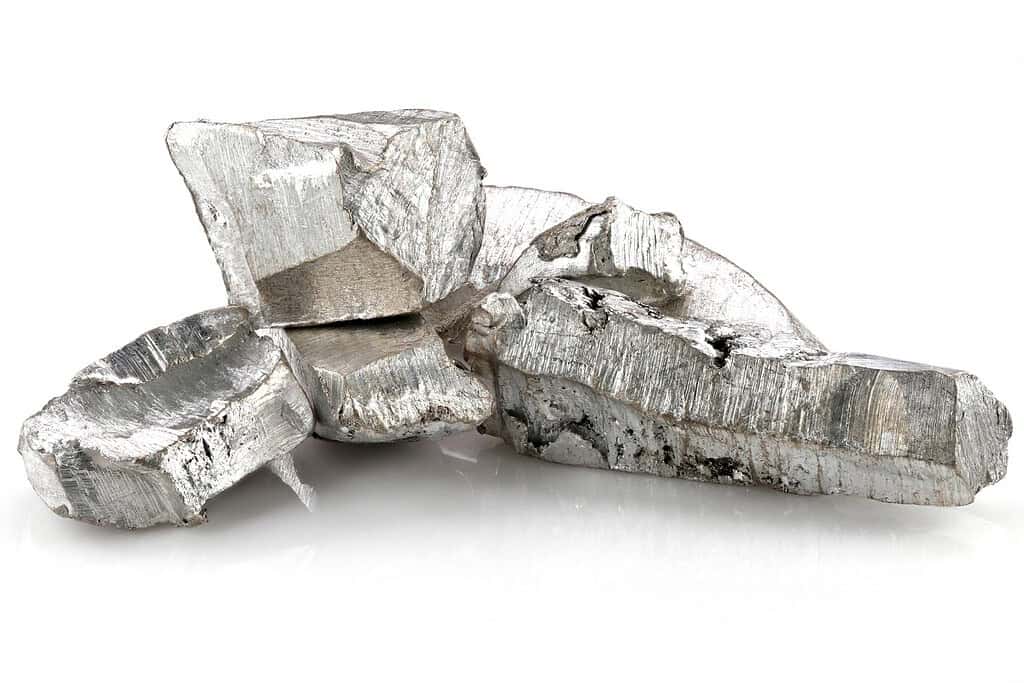
Mushrooms and fish are foods that contain somewhat high levels of cadmium.
©Bjoern Wylezich/Shutterstock.com
Cadmium is a heavy metal that is silver in appearance and soft to the touch. Like other dangerous elements, humans can be exposed to cadmium in a variety of different ways. While some people contact cadmium through their trade, others inadvertently consume food that contains cadmium. Upon contact, side effects can range from mild nausea to kidney failure.
5. Beryllium
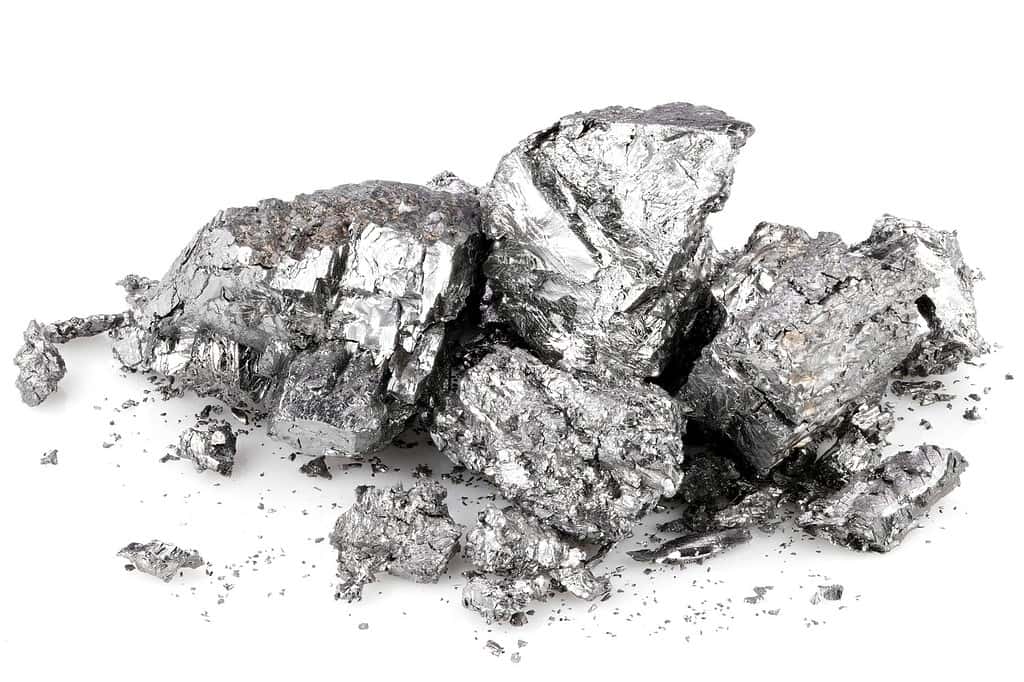
This element was first described in 1797.
©Bjoern Wylezich/Shutterstock.com
Beryllium is used for a variety of different reasons, and individuals working in certain industries are at higher risk of contact than others. Those working in automotive and aerospace construction are some of the highest-risk individuals. Contact with beryllium is associated with side effects such as chest pain and skin irritation. However, prolonged contact with this element can cause humans to develop Chronic Beryllium Disease (CBD).
6. Thallium
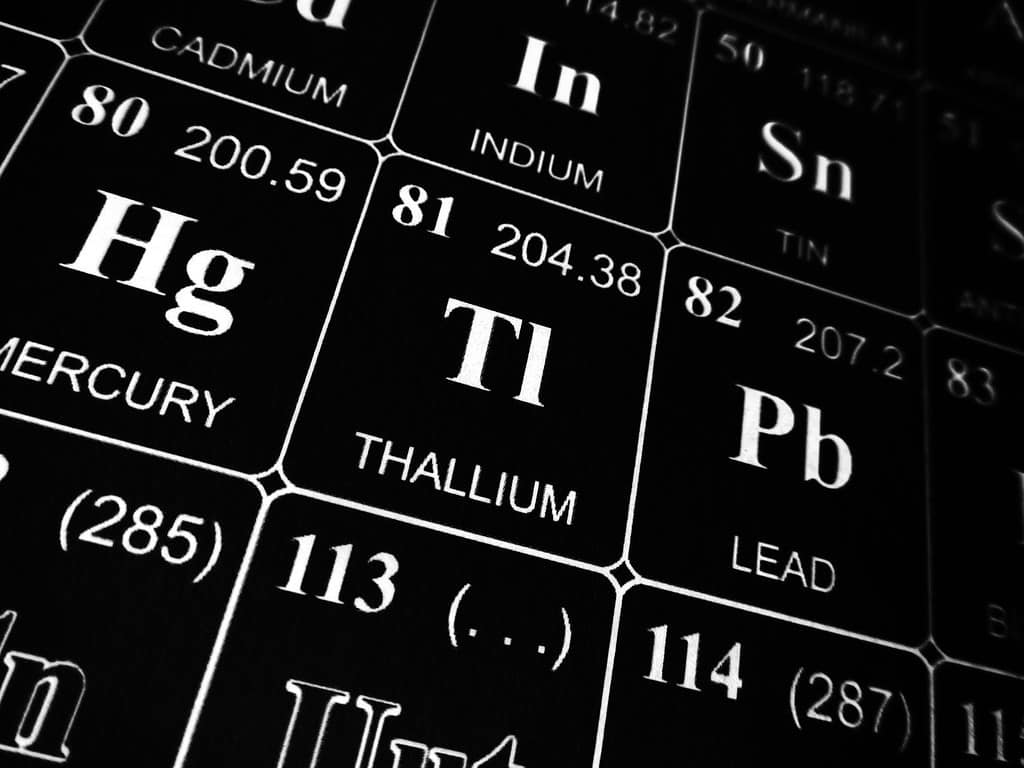
Many root vegetables have trace amounts of thallium.
©TonelloPhotography/Shutterstock.com
Another incredibly dangerous element is thallium, and ingesting just one gram of this substance can have deadly consequences. According to the Centers for Disease Control, “Thallium is tasteless and odorless and has been used by murderers as a difficult-to-detect poison.” Although this element poses numerous threats to humans on contact, it is commonly used in manufacturing a number of electronic devices.
7. Fluorine

Fluorine is related to fluoride.
©FOTOGRIN/Shutterstock.com
Another element people should stay as far away from as possible is fluorine. This element is highly reactive and should be handled with the utmost care. While many people won’t encounter this element in their fields of work, individuals working in nuclear power or electronics manufacturing industries may experience exposure.
8. Antimony

The symbol for antimony on the periodic table is Sb.
©RHJPhtotos/Shutterstock.com
Unlike other elements we’ve discussed today, antimony is medically significant in the modern world. According to the Centers for Disease Control, “Antimony can have beneficial effects when used for medical reasons. It has been used as a medicine to treat people infected with certain types of parasites.” Despite this, there are still negative side effects associated with contact with this element. Skin irritation, stomach issues, difficulty breathing, and trouble seeing are some of the most common.
9. Polonium
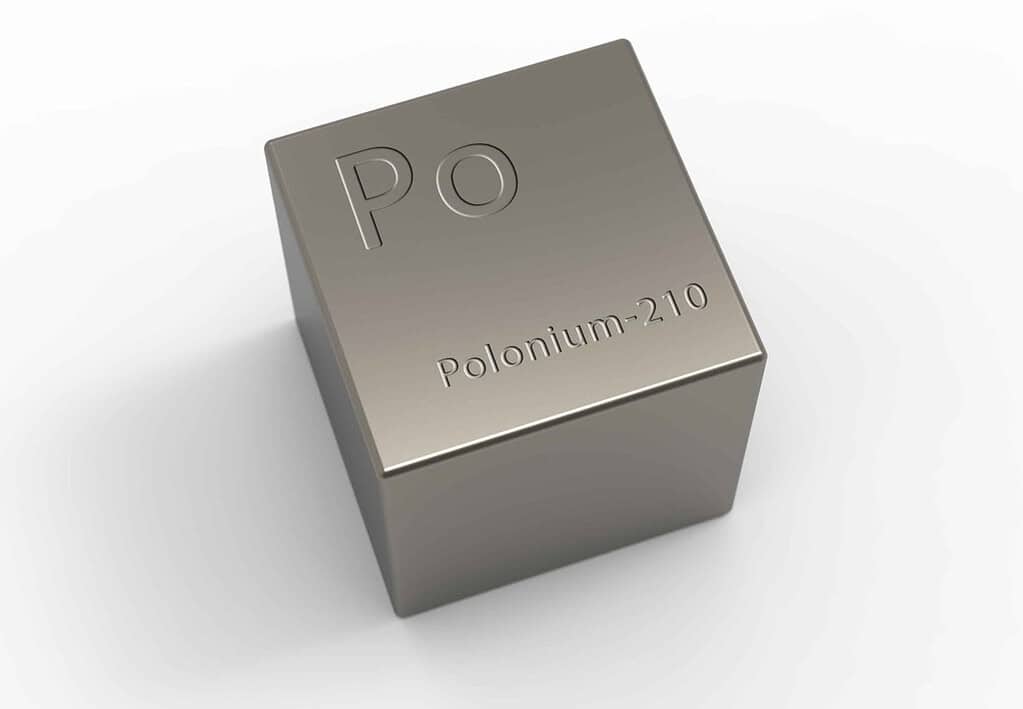
Polonium was first described in 1898 by Marie and Pierre Curie.
©luchschenF/Shutterstock.com
Unlike other elements we’ve discussed today, polonium is not nearly as abundant. In fact, this is one of the rarest elements. Polonium is useful in certain industries, and individuals who build satellites and other space equipment may experience exposure. However, individuals can still come in contact with this element simply by eating food or inhaling cigarette smoke. Contact with polonium can cause symptoms from nausea and vomiting all the way to coma and death in the worst cases.
10. Uranium
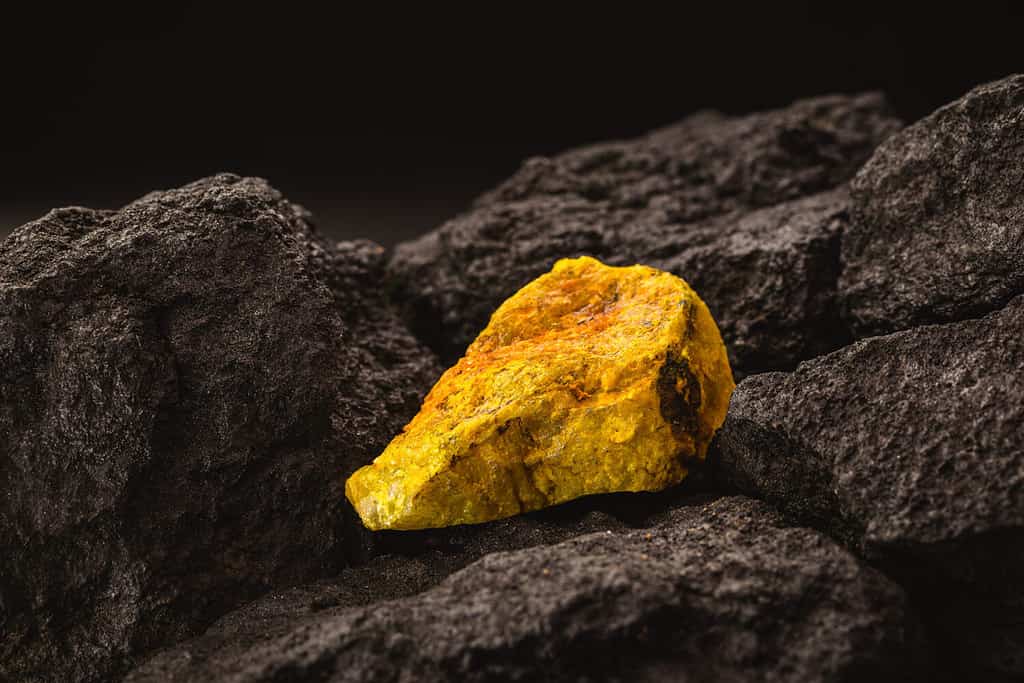
Uranium is considered a carcinogen.
©RHJPhtotos/Shutterstock.com
When you think of radioactive elements, chances are your mind goes straight to uranium. Although this element is mildly radioactive, it is less so than you might think. Despite this, it is still highly toxic, and people who make contact with large amounts can experience several side effects. Kidney disease, respiratory issues, neurological dysfunction, and cancer are all associated with uranium contact.
11. Plutonium
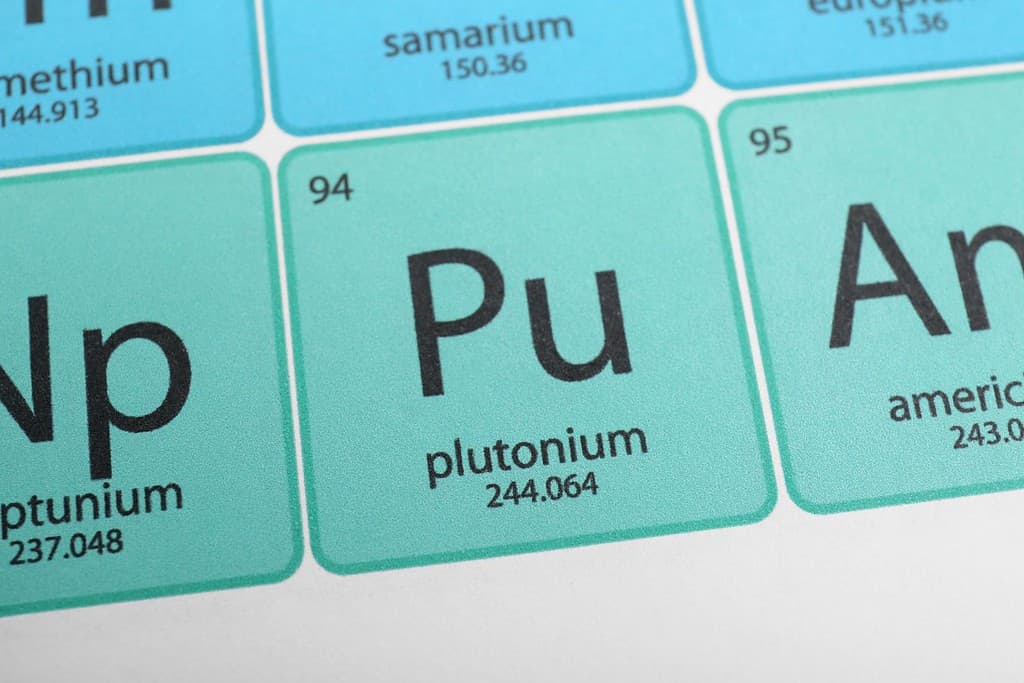
This element is radioactive and can cause extensive damage to several organ systems within the human body.
©New Africa/Shutterstock.com
Out of all the elements on the periodic table, plutonium is the most dangerous of all. Unlike other elements, any plutonium that humans ingest will not cause as much damage as inhalation or contact with skin. Side effects from exposure to this element include lung disease, liver damage, reproductive issues, and a variety of cancers.