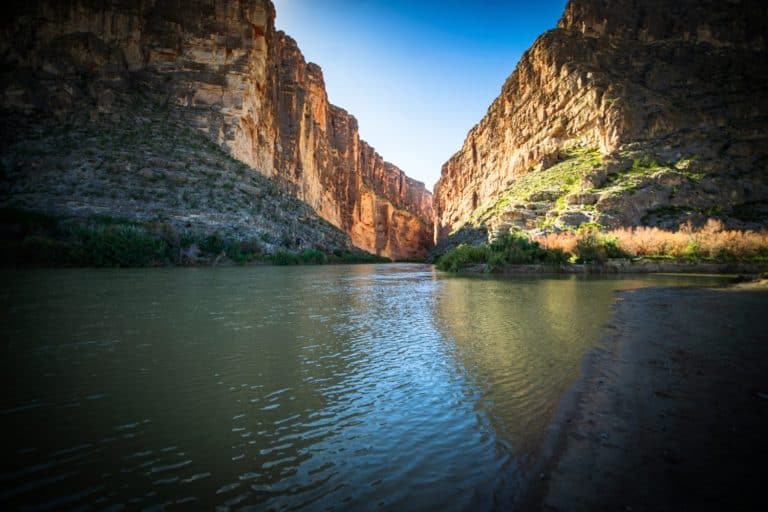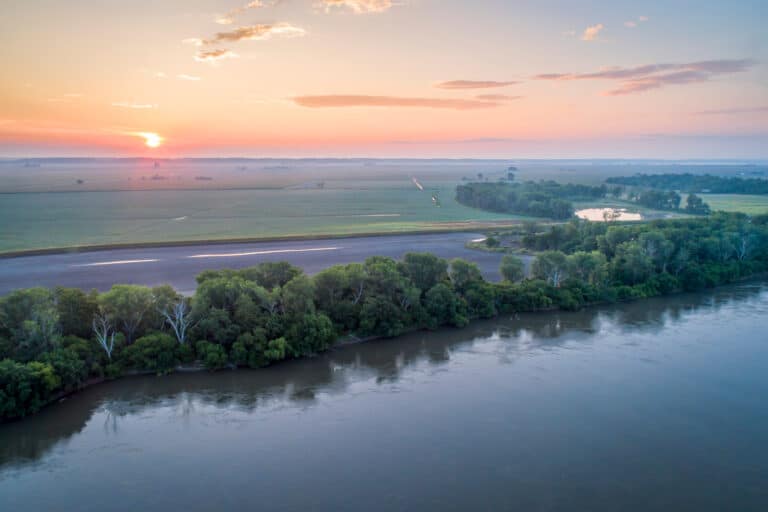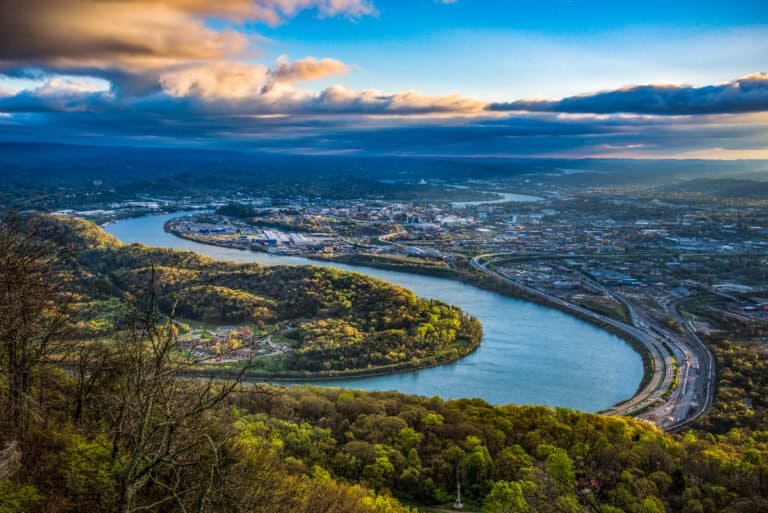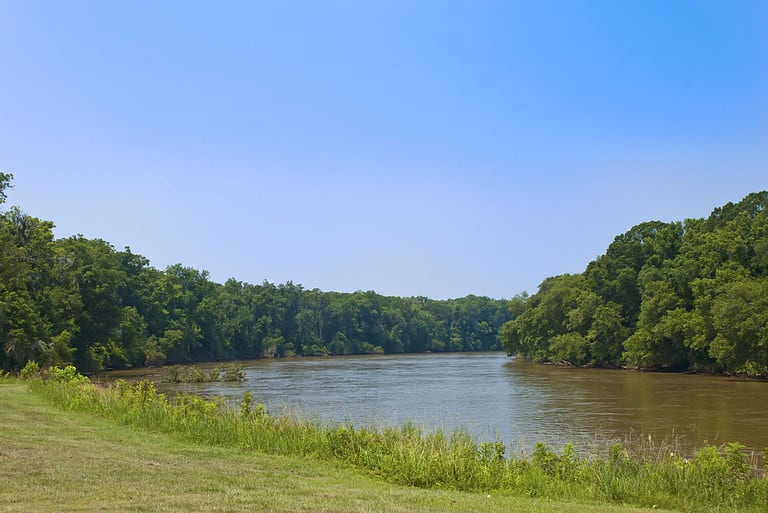


A Snapshot of the Mississippi River
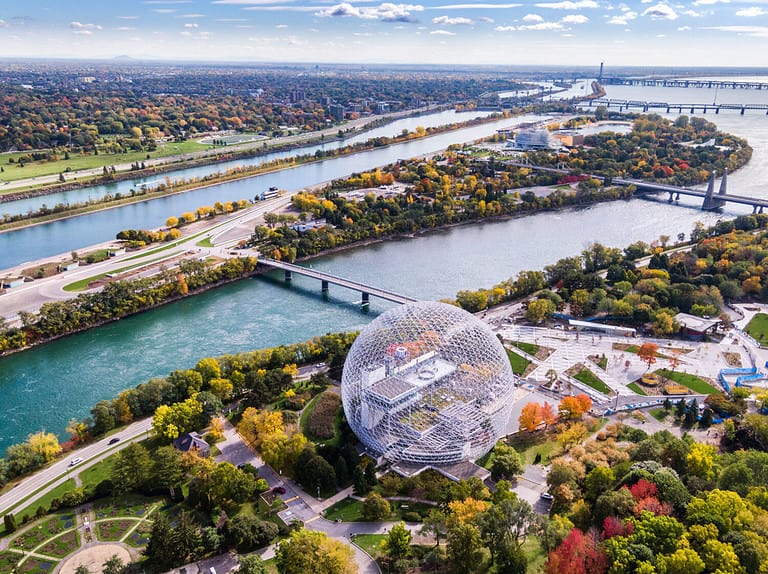
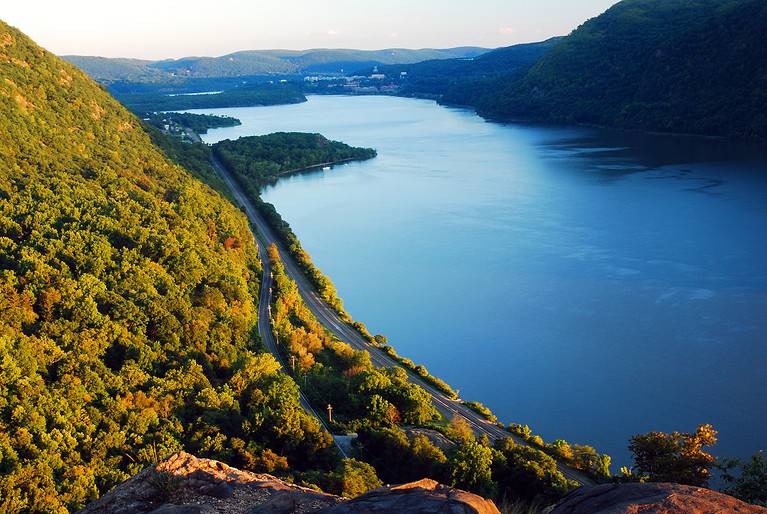
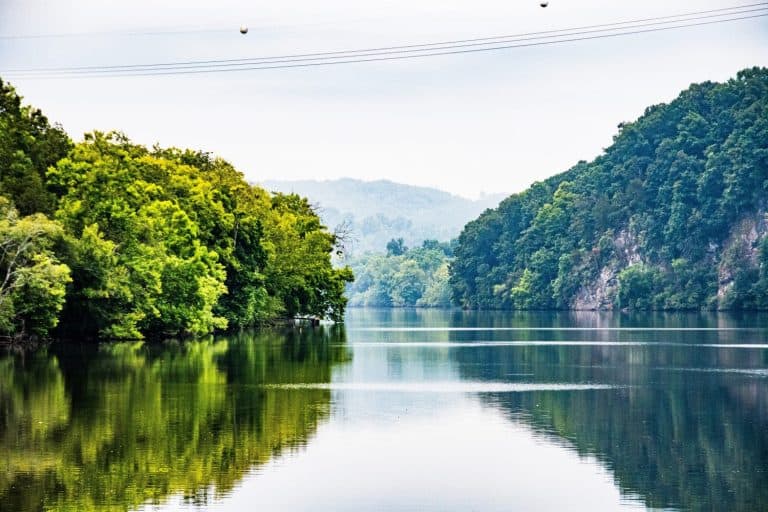
The Mississippi River is the second-longest river in North America, stretching about 2,320 miles from its source at Lake Itasca, Minnesota, to the Gulf of Mexico. Along its route, it drains one of the largest river basins in the world, shaping landscapes, ecosystems, and human communities for thousands of years.
During the last Ice Age, massive glaciers helped carve the river’s path. Meltwater and sediment built fertile floodplains, particularly in the lower Mississippi Valley. These nutrient-rich soils later supported Indigenous agriculture and, eventually, large-scale farming.
Native American cultures lived along the Mississippi for millennia, using it for trade, food, and transportation. European colonization in the 16th and 17th centuries dramatically altered these societies, and by the 19th century, the river had become a backbone of American commerce. Steamboats, levees, dams, and navigation channels reshaped its flow and ecology.
Today, the Mississippi remains vital but heavily managed and faces ongoing challenges from pollution, habitat loss, and climate-driven extremes.
Is the Mississippi River Dangerous?
Yes, the Mississippi River can be dangerous, especially for swimmers.
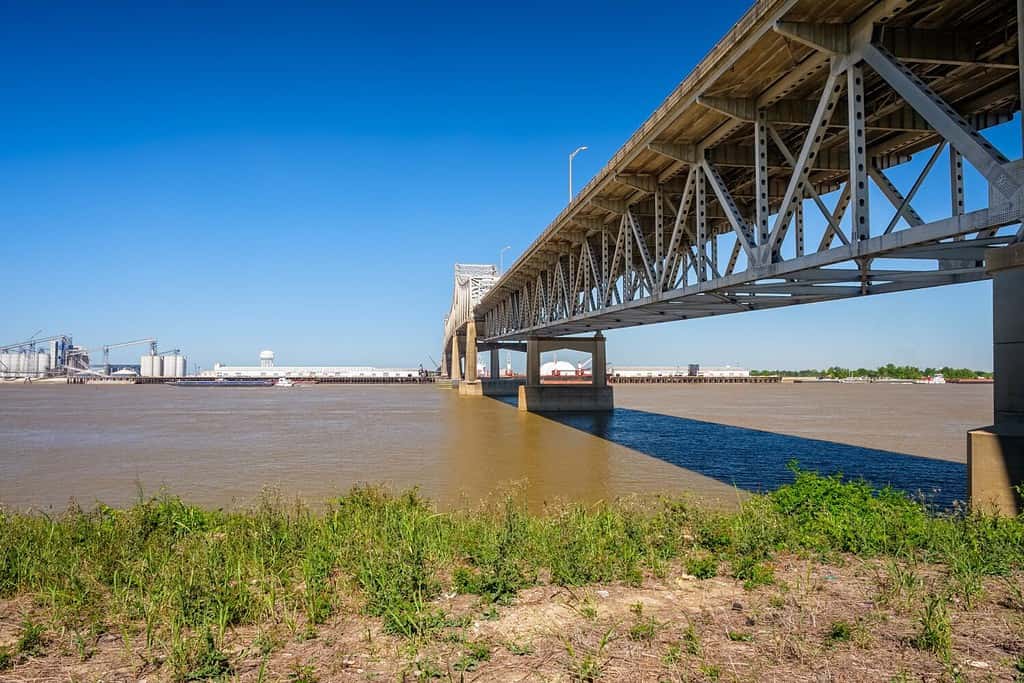
The river’s strong currents, sudden drop-offs, submerged debris, and heavy commercial traffic make it risky even for strong swimmers. Currents can pull people underwater or pin them against obstacles, and water conditions change rapidly after rain or dam releases.
Water quality is another concern. Agricultural runoff, urban stormwater, and industrial pollution contribute nutrients, bacteria, and contaminants such as mercury to the river. While not every stretch is unsafe, swallowing untreated river water can expose people to harmful pathogens.
©Fotoluminate LLC/Shutterstock.com
For these reasons, safety officials recommend wearing life jackets, avoiding swimming near navigation channels, and closely supervising children near the water.
What Lives at the Bottom of the Mississippi River?
The Mississippi River supports more than 120 species of fish, along with reptiles, amphibians, mammals, plankton, insects, and freshwater mussels. Most life near the river bottom consists of benthic organisms — species adapted to living in sediment, gravel, or submerged vegetation.
Water depth varies widely, from shallow backwaters to deep navigation channels exceeding 100 feet in some locations.
Below are some of the most notable and often misunderstood animals associated with the Mississippi River.
American Alligators
American alligators inhabit the lower Mississippi River, particularly in Louisiana and southern Mississippi. They prefer slow-moving water, swamps, bayous, and marshes.
While adult alligators can exceed 1,000 pounds and grow over 13 feet long, individuals larger than that are extremely rare. Alligators are not aggressive toward humans by default, but encounters can be dangerous, especially if animals are fed or approached too closely.
Bull Sharks (Rare Visitors)
Bull sharks are one of the few shark species capable of surviving in freshwater for short periods. They have been documented far up major rivers worldwide.
In the Mississippi River, confirmed records are extremely rare. While bull sharks may occasionally enter the river near its mouth, they do not form permanent populations there. Sightings upstream are uncommon and often anecdotal.
Blue Catfish
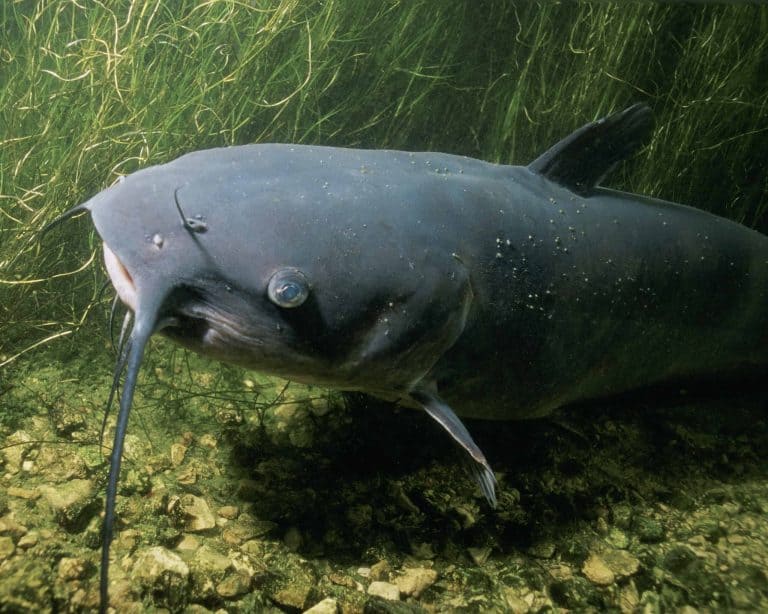
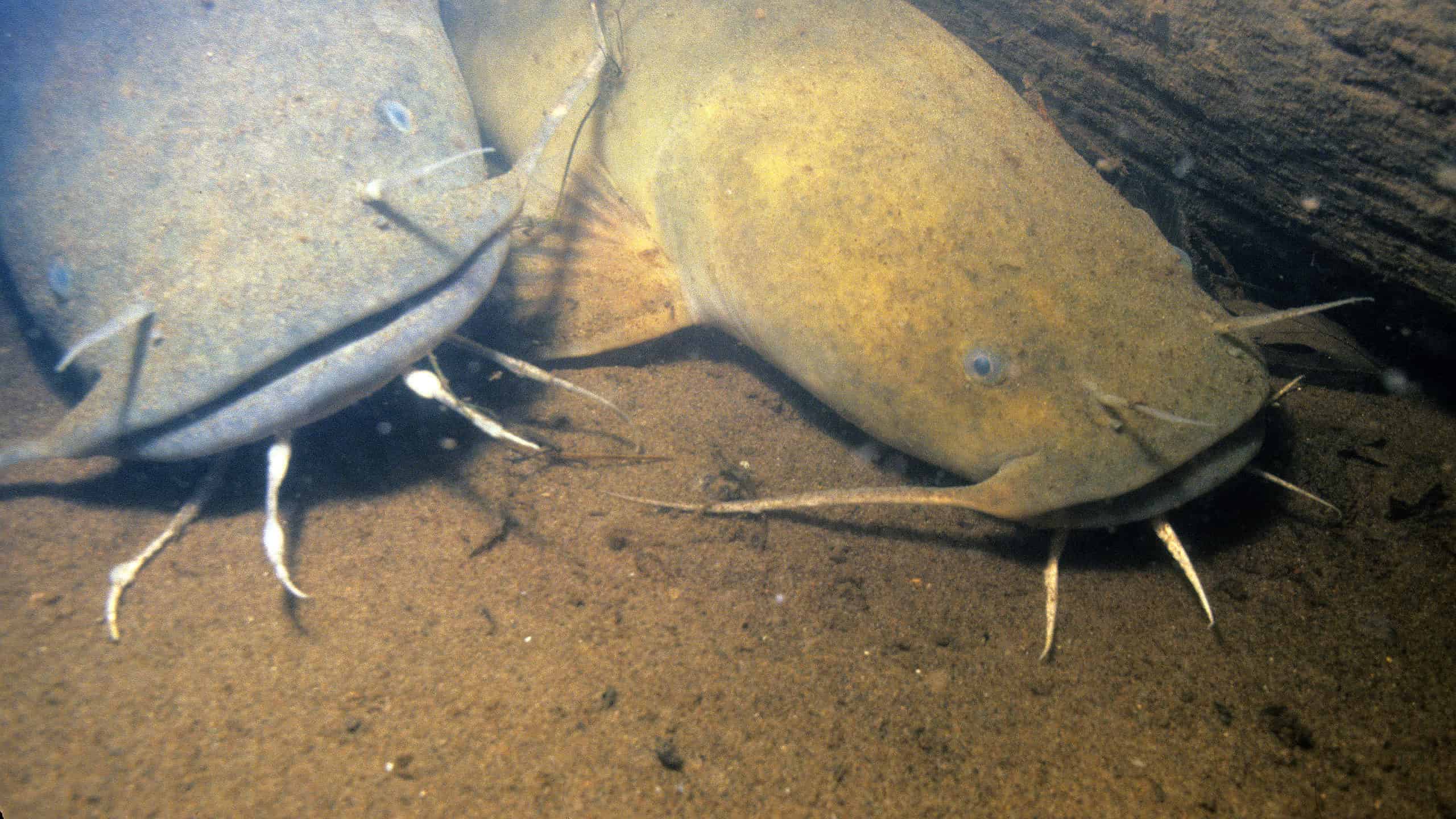
The blue catfish is the largest catfish species in North America, capable of reaching over 100 pounds. It is native to the Mississippi River basin and thrives in deep channels and large rivers.
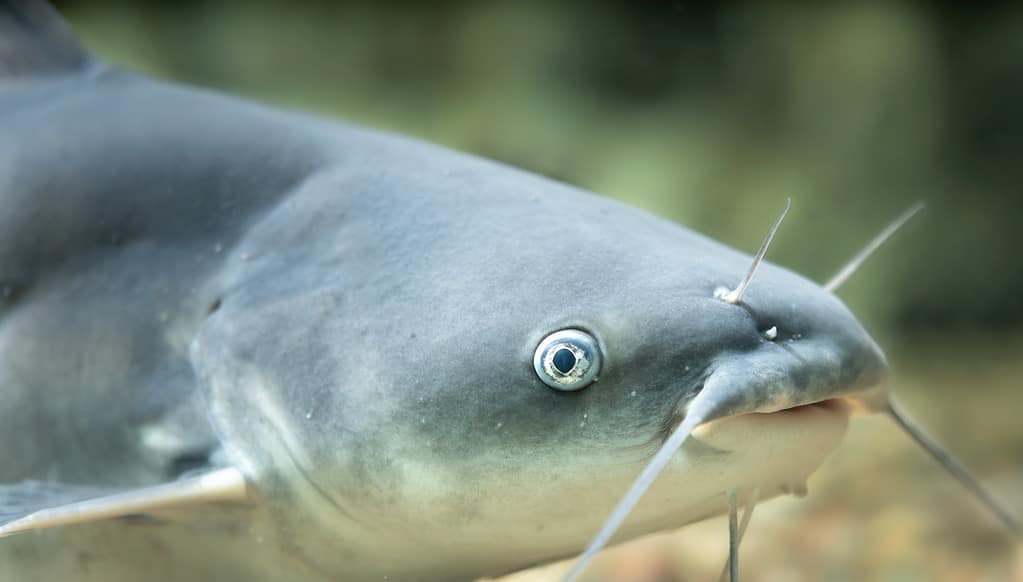
The blue catfish is the largest catfish species in North America.
Blue catfish are opportunistic feeders and play a role in controlling some invasive fish populations. However, their rapid growth and expansion have raised ecological concerns in some regions.
The largest reliably recorded blue catfish weighed 131 pounds, caught in Virginia in 2011.
Gulf Sturgeon
Gulf sturgeon are ancient fish whose lineage dates back more than 200 million years. Adults can exceed 6 feet in length and weigh 300 pounds.
Once common in the Mississippi River system, Gulf sturgeon declined sharply due to overfishing, dam construction, and habitat loss. They are now listed as threatened under the U.S. Endangered Species Act. Sightings in the Mississippi are uncommon but still possible, especially in connected waterways.
Paddlefish
Paddlefish are large, plankton-feeding fish with distinctive elongated snouts used to detect microscopic prey. They can grow up to 7 feet long and live for decades.
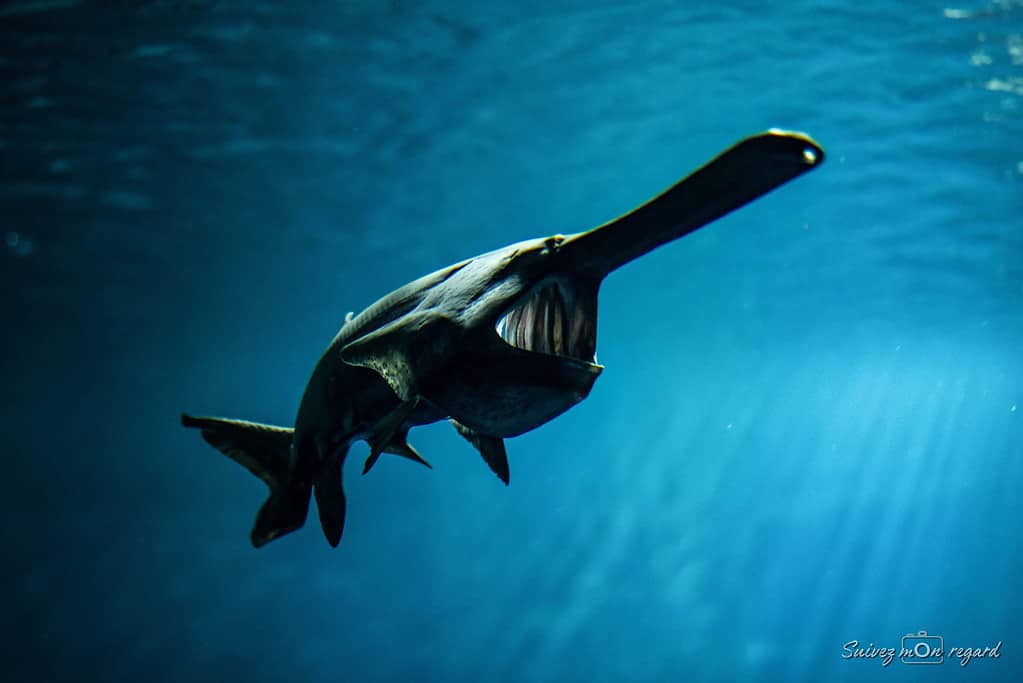
The average paddlefish is five feet long and weighs around 60 pounds.
©Suivez_mon_regard/Shutterstock.com
Although paddlefish are not apex predators, they have few natural enemies once mature. Their populations declined due to overharvesting and habitat disruption, but conservation efforts have stabilized some regional populations.
Their closest known relative, the Chinese paddlefish of the Yangtze River, is now considered extinct.
Climate Change and River Navigation
The Mississippi River is one of the most important commercial waterways in the world. Barges transport grain, coal, fertilizer, and fuel across the country.
In recent years, prolonged droughts linked to climate variability have caused record-low water levels, most notably in 2022, when dredging and emergency water management were required to keep the river open to traffic. Thousands of barges were delayed, increasing transportation costs and highlighting the river’s vulnerability to climate extremes.
Scientists warn that more frequent droughts and floods may become the norm, complicating navigation and ecosystem management.
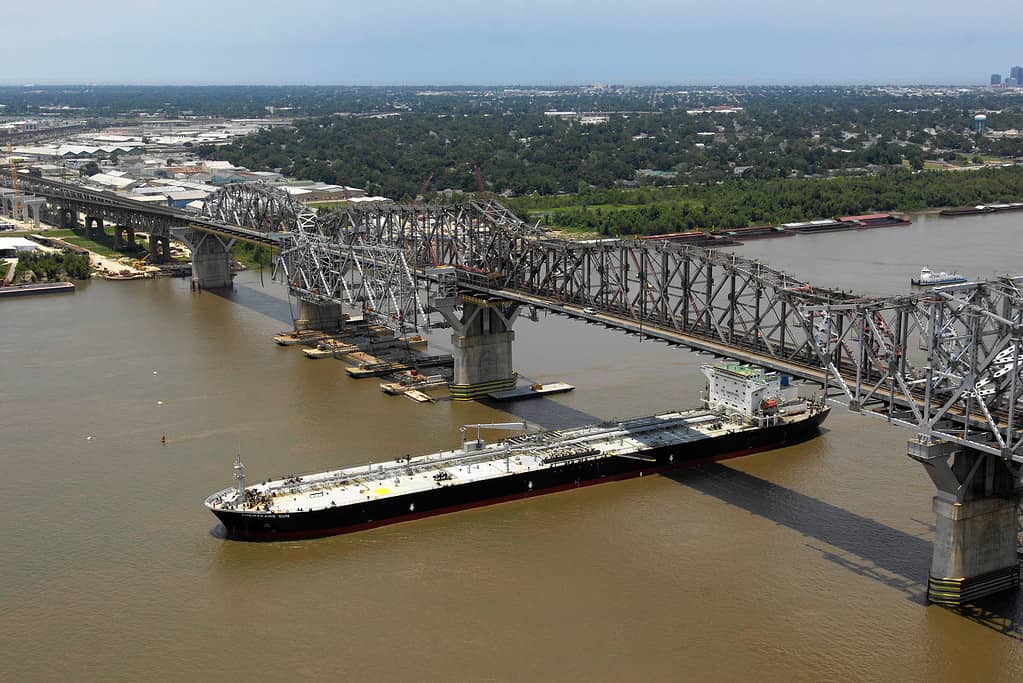
Barges are often seen on the Mississippi and commonly transport everything from grain to fuel.
©TreyCambern/iStock via Getty Images
Common Myths and Interesting Facts
- The Mississippi River did not host whales in modern times, but fossil whale remains found inland reflect ancient seas, not the river itself.
- The river’s flow near New Orleans has been heavily engineered, but it was not completely “forced” there artificially.
- Earthquakes in 1811-1812 caused temporary flow reversals due to seismic uplift.
- The Sultana steamboat disaster in 1865 remains the deadliest maritime accident in U.S. history.
- Lake Winnibigoshish is one of the river’s widest points.
- A water droplet can take weeks to months to travel the river, depending on conditions.
Endangered Species in the Mississippi River
Human modifications, including dams, levees, and navigation channels, have dramatically altered the river’s natural habitat. These changes have affected spawning grounds, flow patterns, and sediment distribution.
Fish species that have experienced significant declines include:
- Lake sturgeon
- Paddlefish
- Blue sucker
- Pallid sturgeon
- Skipjack herring
Freshwater mussels have been especially impacted. Several species, such as Higgins eye, spectaclecase, and purple wartyback, are now listed as threatened or endangered due to pollution, habitat loss, and disrupted river flow.
The Bottom Line
The Mississippi River is not just a shipping corridor; it is a living ecosystem shaped by geology, wildlife, and human influence. While it still supports remarkable biodiversity, many species now depend on careful management and conservation to survive.
Understanding what truly lives beneath its surface helps separate fact from folklore and underscores why protecting this iconic river matters.