
Quick Take
- Rats can survive for 3 minutes underwater and can swim through toilet traps.
- They are attracted to homes by smells.
- Climbing up vertical pipes is not a problem for them.
- If you find a rat in your toilet, shut the lid and flush.
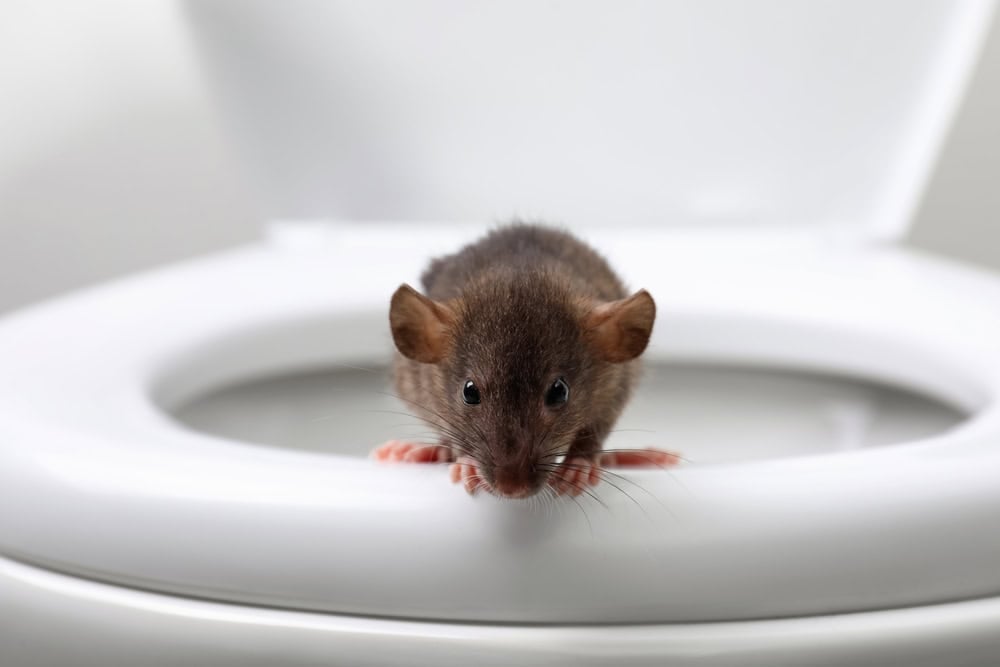
No one wants to find a rat swimming around in their toilet bowl. If one turns up, however, it’s best that you know what to do. This is why the city of Seattle and Washington’s King County Public Health Department issued public advice about it on social media in December 2025. Soon, the advice was shared by other social media accounts, like Brutamerica on Instagram. Heavy rain in the area during that month had caused flooding, and this had likely swept many rodents into the sewer system. But how can rats survive in so much water, and how do they get into your toilet? Let’s find out.

Why Are There Rats Living Near Humans?
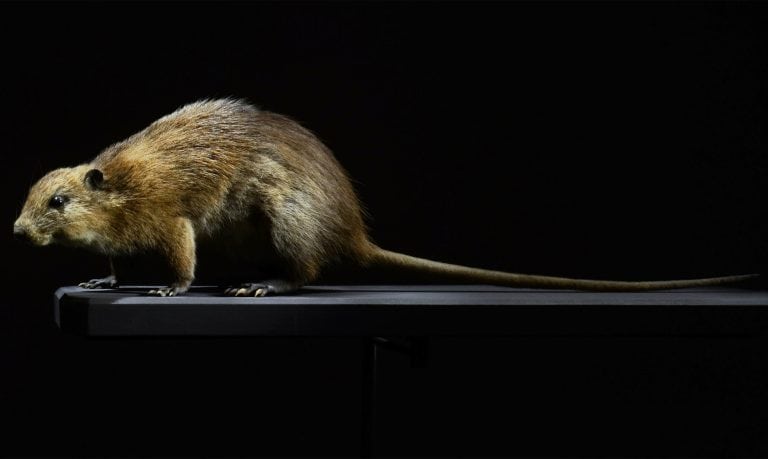
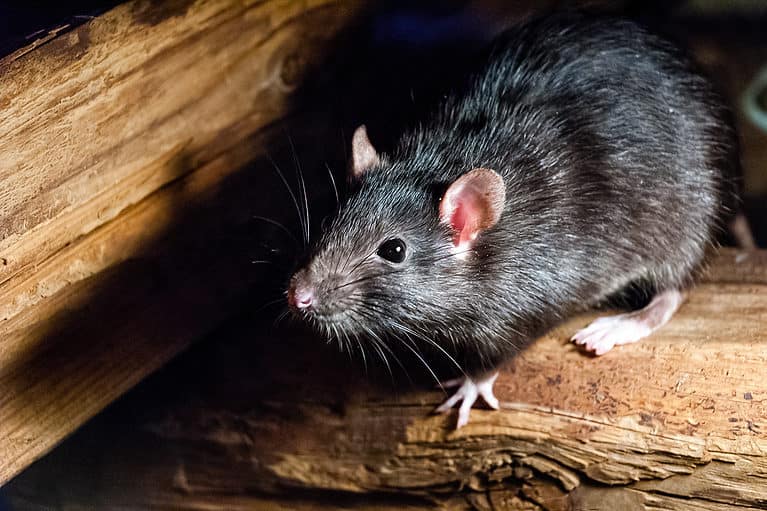
Sewer rats (also called brown rats or Norway rats) are the rodent species Rattus norvegicus. As their name suggests, they live in sewers. Their lives are so intertwined with human settlements that they no longer have a wild habitat. Occasionally, in milder climates, they establish colonies in grainfields or on islands away from people. However, their main habitats are farms, cities, sewers, garbage dumps, and subways.
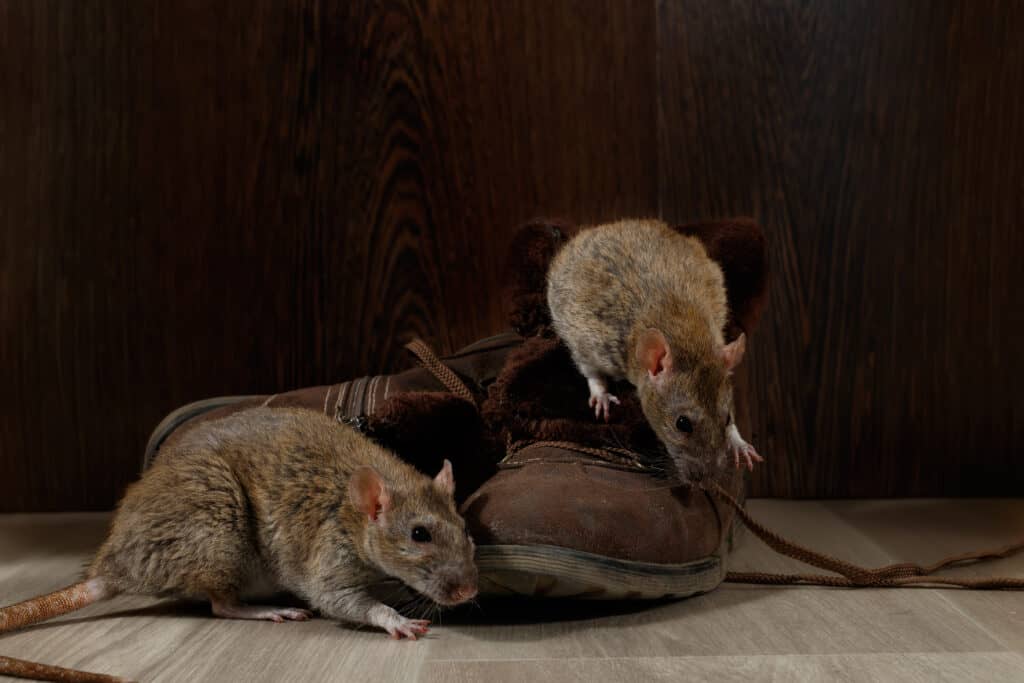
Norway rats colonized the globe using trading routes.
©torook/Shutterstock.com
Thousands of years ago, they were wild rodents living in northern China. They moved into human settlements, taking advantage of food, warmth, shelter, and the lack of predators. Eventually, they became dependent on humans. As trade routes with China opened, they spread west on ships and are now found all over the world. This colonization success story is why you might find an unwelcome guest in your toilet.
Why Do Rats Live in Sewers?
Sewer systems are a perfect habitat for Norway rats. Thanks to all the hot water that we discharge into them, they are at a pleasant and stable temperature all year round. They are safe and secluded, and full of food. Not only do rats eat the food scraps we wash down our sinks, but they will also happily eat human waste.
Sewers are full of water, which also attracts these rats. They are semi-aquatic and excellent swimmers. Rats are nocturnal and enjoy the darkness of sewer pipes. They also prefer tunnel-like spaces—rats are happiest when they have a tunnel to run through. These rodents run their whiskers against walls (a behavior called thigmotaxis) as they scurry through the pipes. They much prefer this to open spaces, where they feel exposed and vulnerable. There are no rat predators in sewers, so the only danger is other rats. If you were to design the perfect habitat for these creatures, it would be a sewer system.
How Do Rats Get Into Your Toilet?
If your home is serviced by a mains sewer system, your toilet is connected directly to the main sewer pipe of your town or city by a series of smaller pipes. You are constantly producing things that attract rats, such as food and waste. Rats follow the odors of these substances. Once they reach the pipes leading to your home, they may want to investigate further.
You are more likely to find a rat in your toilet during flooding, because the sewers will be full of fast-moving water at this time. Rats will be driven into the side sewer lines, and then all they have to do is climb up these to reach your toilet. Kitchen pipes are too small for them to climb, but the toilet pipe is perfect. Rats have sharp claws and are adept climbers, so a vertical toilet pipe poses no problem for them.
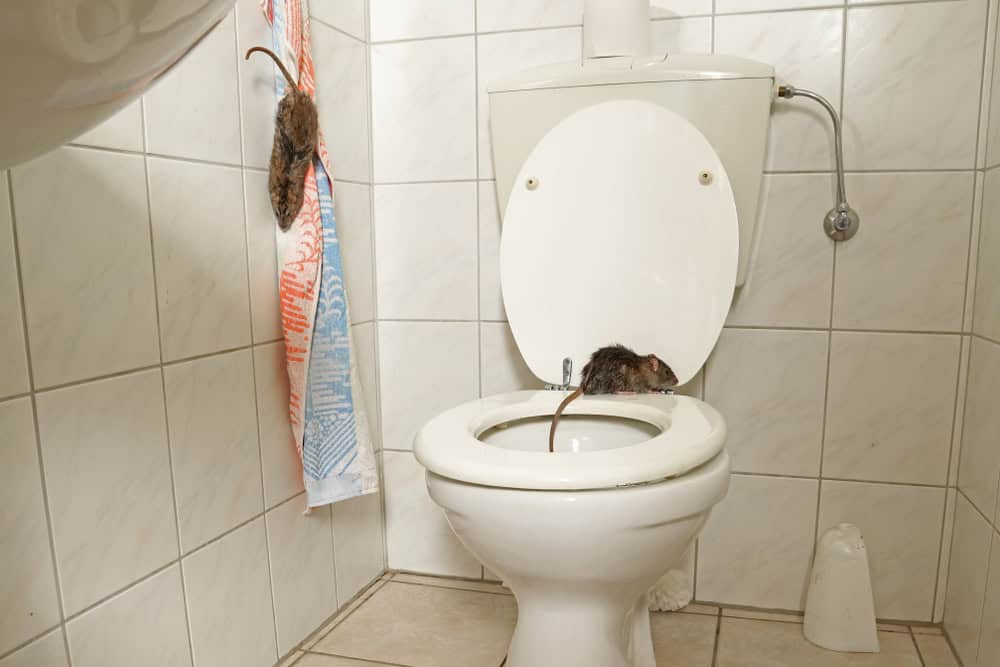
Rats do not find it hard to get into a toilet from the sewer pipe.
©Holger Kirk/Shutterstock.com
There are U-bends in the pipes before they reach your toilet bowl, where water gets trapped—hence the name ‘traps.’ For a determined rat, these are not obstacles. They can hold their breath underwater for up to three minutes, which is enough time to get through the trap and emerge in the toilet bowl. They can also tread water for up to 72 hours, so once they arrive in your toilet, they may be there for a while.
Official Advice for Removing a Rat From Your Toilet
The official advice from the King County Public Health Department is to stay calm and first shut the lid of the toilet so the rat cannot get out. If you think having a rat in the toilet is scary, just imagine one running around your house! Keeping the lid closed also ensures you know exactly where the rat is, which is half the battle with pest control.
Next, open the lid just enough to squirt in some dish soap. This breaks the surface tension of the water and removes the oils from the rat’s fur, making it much harder for the rat to stay afloat. Then, flush the toilet. It may take a few flushes, but the rat will likely be washed back down to the sewer. In case this does not work, keep the lid closed and call a pest control company. If the rat gets out of the toilet at any time, close the bathroom door to keep it contained.