
Quick Take
- Most people call the wrong animal a buffalo, and getting that distinction right actually matters for understanding what the monk was up against. Clarify the buffalo confusion →
- Domestic water buffalo number in the hundreds of millions, yet one population figure associated with them tells a very different story. See the population context →
- Water buffalo don't typically hunt people down, so the question remains: what exactly set these two off? Explore what triggered the chase →
- Medical researchers have documented exactly what buffalo horns do to a human body, and it explains why the monk didn't hesitate for a second. See what buffalo horns do →
Getting chased by any large animal is enough to make you move a little faster than you thought possible. When that animal is a water buffalo, weighing hundreds of pounds and carrying a pair of substantial horns, standing your ground is probably not going to be the first thing that comes to mind.
That is exactly the situation a Buddhist monk finds himself in during the video above. A pair of water buffalo begin running across an open field, and it does not take him long to decide that he would rather be somewhere else.
Water Buffalo Run Through an Open Field
First, a little buffalo terminology. American bison are commonly called buffalo, but they are not true buffalo. True buffalo include Asian water buffalo and African buffalo. The animals in this clip appear to be water buffalo, and the footage is described as coming from Thailand.
Domestic water buffalo are widespread and are nowhere near extinction. A Utah State Parks educational handout notes their broad distribution outside Asia as well. The much smaller population figure sometimes associated with these animals applies to the wild water buffalo (Bubalus arnee), a separate endangered species with fewer than 4,000 individuals estimated to remain in the wild. Domestic water buffalo (Bubalus bubalis), by comparison, number in the hundreds of millions worldwide.
The embedded video is attributed to Newsflare, which shares viral footage from around the world. In this case, the action is pretty straightforward: a quiet moment in an open field suddenly turns into an unexpected footrace.
Buddhist Monk Takes Off Running
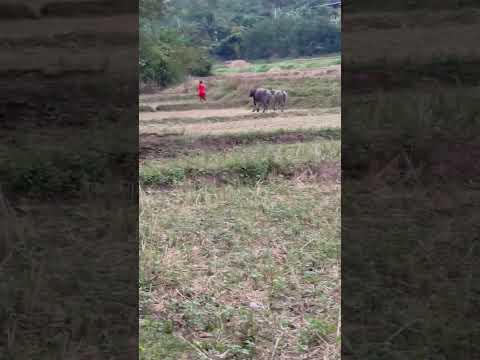
As the video begins, a Buddhist monk in robes is standing in an open field. A fully ordained male Buddhist monk is commonly called a bhikkhu in the Theravada tradition. The Pali term is generally translated as “monk” or “mendicant,” and monastic life traditionally emphasizes simplicity, discipline, and reliance on support from the lay community.
Then the water buffalo get a little too close for comfort. The monk quickly takes off running, and the animals follow behind him across the field. Water buffalo are large, powerful bovids that can move surprisingly quickly when they want to. In the clip, the monk eventually gets clear and the buffalo stop pursuing him. The video itself does not give us enough information to know what prompted the chase.
Are Water Buffalo Aggressive?
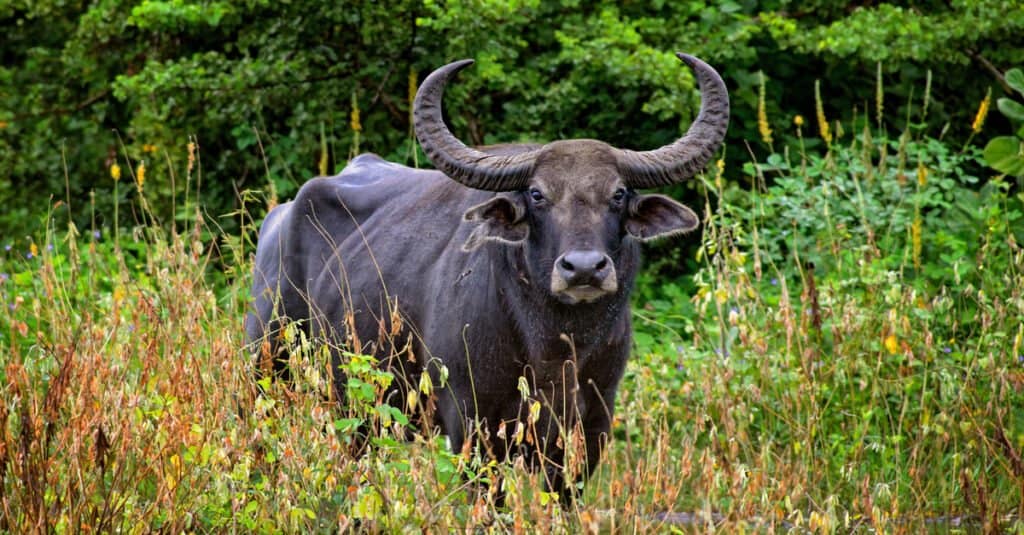
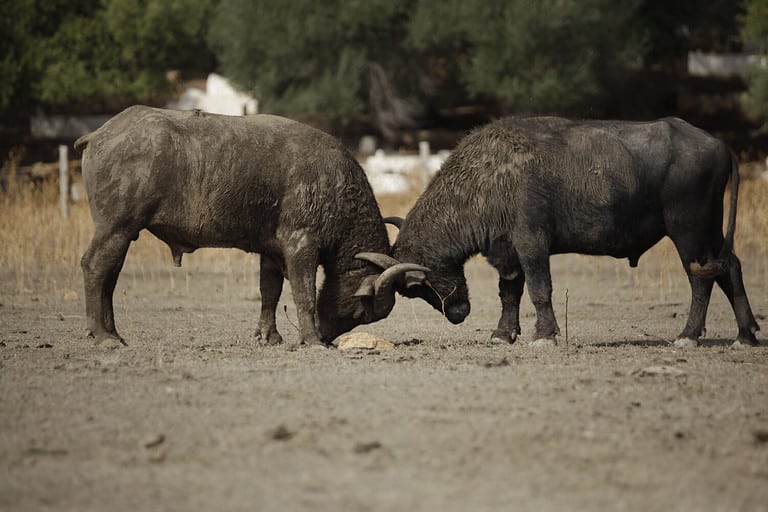
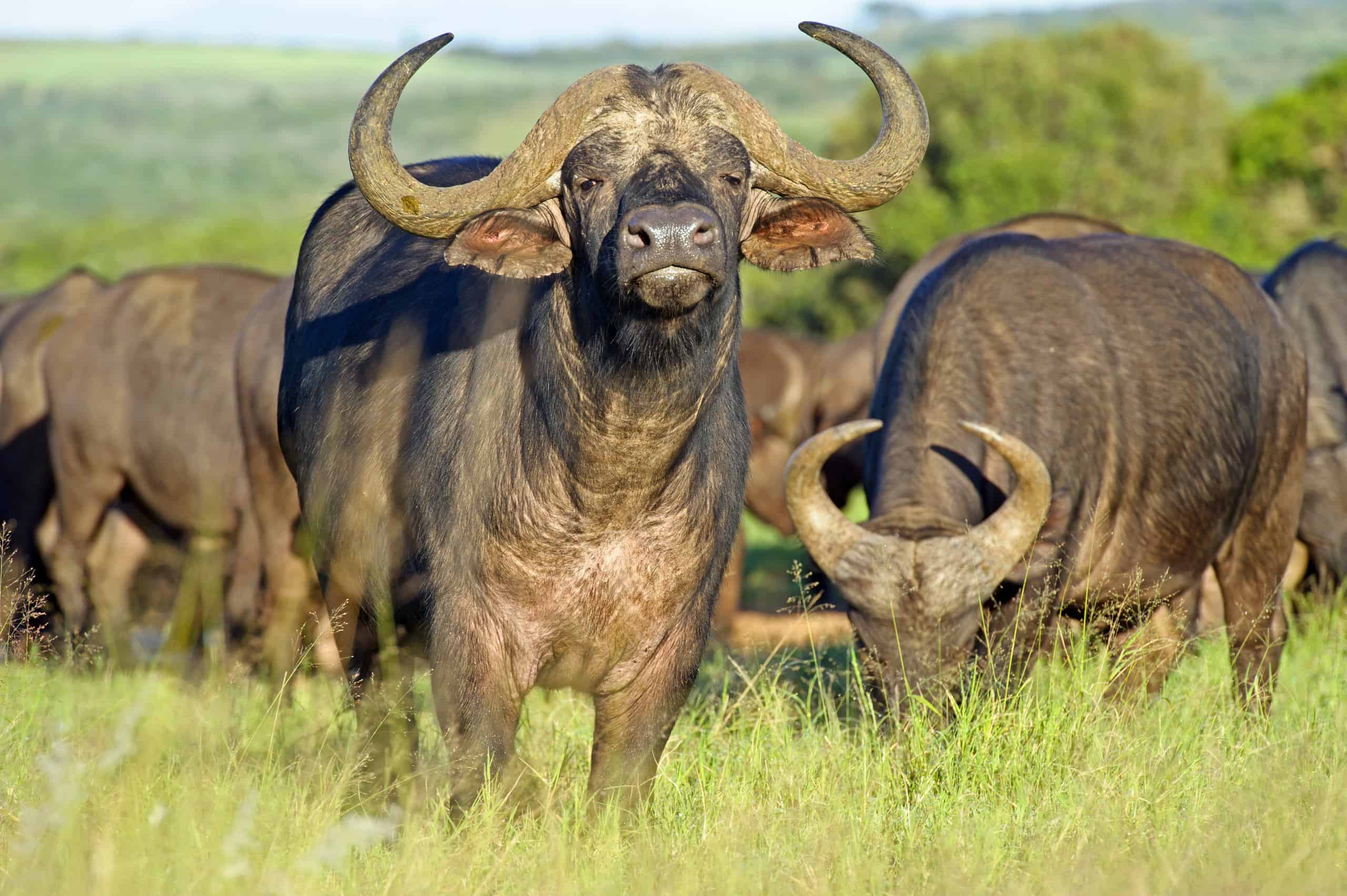
Water buffalo can live up to 25 years in the wild.
©David Havel/Shutterstock.com
The domestic water buffalo (Bubalus bubalis) is a large herbivore that primarily eats grasses along with aquatic plants, leaves, and other vegetation. Domestic animals can weigh well over 1,000 pounds, while their wild relatives can grow considerably larger. Their size and horns mean even an animal that is not actively looking for trouble deserves plenty of space.
A forensic case report indexed by the National Library of Medicine documented a fatal domestic buffalo attack and described the types of injuries buffalo horns can cause, including contusions, lacerations, penetrating wounds, and fractures. The report also noted that buffalo-gore injuries were rarely observed in the villages discussed by the researchers.
Water buffalo are not animals that routinely seek out people to attack, but their size makes a defensive or aggressive encounter potentially serious. Females can also become aggressive while protecting their calves. As for the buffalo in this video, there is no way to know from the footage alone whether they were being territorial, defensive, curious, or reacting to something else. What is clear is that the monk was not interested in sticking around to find out.