


N S W E
Wildlife Expeditions

Wildlife of
Thailand

Thailand is notable for close-up encounters with Asian elephants and primates in lush tropical forests-paired with world-class birdlife and vibrant coral-reef and whale-shark seas along two spectacular coasts.
430 Species
513,120 km² Land Area
Overview

About Thailand

Thailand's wildlife character is defined by a rare mix of accessible protected areas, high species diversity, and landscapes that shift quickly from misty northern highlands to evergreen rainforests, limestone karsts, and mangrove-fringed shores. Visitors come for iconic forest mammals-Asian elephants, gibbons, dusky langurs, serow, and elusive big cats-as well as one of Southeast Asia's richest birding scenes, where hornbills, pittas, and broadbills thrive. The country's natural heritage is tightly interwoven with water: river basins and floodplains support wetlands and seasonal forests, while coastal habitats sustain migratory shorebirds and marine life.

Key ecosystems include the Western Forest Complex (a vast transboundary network of protected forests near Myanmar) and Khao Yai-Dong Phayayen Forest Complex (a UNESCO-listed stronghold of evergreen and dry dipterocarp forest). Southern Thailand adds a different flavor-dense rainforest and dramatic karst landscapes around Khao Sok, plus seagrass meadows, mangroves, and coral reefs in the Andaman Sea and Gulf of Thailand. These habitats are significant not only for sheer biodiversity, but as connected refuges for wide-ranging species and as critical breeding, feeding, and migration stopovers for birds and marine fauna.

In regional and global conservation, Thailand plays an important role as a custodian of remaining Indochinese forests and as a hub for marine protection and research in the Coral Triangle's wider neighborhood. Many parks and sanctuaries contribute to safeguarding threatened species such as Asian elephants, hornbills, and sea turtles, while anti-poaching and habitat-connection efforts in large forest complexes help maintain viable populations of sensitive predators and prey. What makes the wildlife experience unique here is the breadth: you can track gibbons calling at dawn in ancient rainforest, watch hornbills commuting between nest trees, then finish the same trip with reef fish, rays, whale sharks, or dolphins in clear tropical seas-often with excellent infrastructure and guiding options.

Physical Features

Geography

Thailand's wildlife distribution follows strong north-south and lowland-upland gradients. Forested northern highlands and the western mountain chain provide cooler, rugged refuges for remaining large mammals (e.g., elephants, gaur) and forest specialists (gibbons, hornbills), while the central Chao Phraya lowlands historically supported extensive wetlands and floodplain forests but are now heavily converted to agriculture, concentrating wildlife into protected areas. The drier Khorat Plateau favors dry dipterocarp and seasonal deciduous habitats with different ungulate and bird communities. In the south, the long Malay Peninsula links Thailand to Sundaic rainforests, increasing tropical rainforest affinity and endemism, while the Andaman Sea and Gulf of Thailand coastlines add mangroves, seagrass beds, coral reefs, and island habitats that shape marine and coastal biodiversity (dugongs, sea turtles, reef fish).

513,120 km² Land Area
~50th largest country; about the size of Spain Size Rank

Key Landscapes

  • Northern highlands and isolated massifs (e.g., Doi Inthanon range): montane evergreen forests, watershed headwaters, elevational refugia
  • Western forest complex / Tenasserim Hills along the Myanmar border: large, relatively continuous forest blocks important for wide-ranging mammals and corridors
  • Central Chao Phraya River basin and floodplains: seasonal wetlands, riparian habitats, and historical swamp forests (now highly fragmented)
  • Khorat Plateau (Northeast): more seasonal climate; dry dipterocarp woodlands, deciduous forests, and agricultural mosaics
  • Lower Mekong border rivers/tributaries in the northeast and east: riparian corridors and wet-season flood dynamics
  • Southern Thai-Malay Peninsula and Isthmus of Kra: biogeographic transition zone; lowland rainforests and limestone karsts
  • Karst limestone landscapes (notably in the south and west): caves, cliffs, and specialized flora/fauna; nesting/roosting sites
  • Andaman Sea coastline and islands (Phuket-Phi Phi-Similan region): mangroves, rocky shores, coral reefs, and deeper offshore habitats
  • Gulf of Thailand low-energy coast: extensive seagrass beds, mudflats, and mangroves supporting dugongs, shorebirds, and fisheries nurseries

Ecoregions

  • Tenasserim-South Thailand semi-evergreen rain forests (WWF)
  • Peninsular Malaysian rain forests (WWF; southernmost Thailand, Sundaic affinity)
  • Northern Thailand-Laos moist deciduous forests (WWF)
  • Northern Indochina subtropical forests (WWF; upland north/northwest transition)
  • Central Indochina dry forests / dry dipterocarp-dominated mosaics (WWF; strong presence in the northeast)
  • Indochina mangroves (WWF; both Andaman and Gulf coasts where intact)
  • Chao Phraya freshwater swamp forests (WWF; largely converted/fragmented but ecologically important conceptually for floodplain biodiversity)
Parks & Reserves

Protected Areas

Thailand's protected area network is one of the most extensive in Southeast Asia, spanning northern montane forests, central plains remnants, large western forest complexes, southern rainforests/karst, and highly biodiverse Andaman/Gulf marine ecosystems. The system is primarily managed by the Department of National Parks, Wildlife and Plant Conservation (DNP) and includes terrestrial and marine National Parks, Wildlife Sanctuaries (often stricter protection for sensitive species/habitats), Non-Hunting Areas (common for wetlands and important bird sites), and smaller Forest Parks; additional forest lands may be designated under reserved forest and watershed classifications, with growing community-based conservation in some landscapes.

Protected Coverage

Approx. ~20% of Thailand's land area is under formal protected-area designations (national parks, wildlife sanctuaries, and related categories).

Notable Parks & Reserves

Khao Yai National Park (part of the Dong Phayayen-Khao Yai Forest Complex)

National Park; part of UNESCO World Heritage Site (Dong Phayayen-Khao Yai Forest Complex)

A premier wildlife-viewing park close to Bangkok with evergreen and mixed deciduous forests that support large mammals and excellent hornbill viewing. It is a key stronghold for forest connectivity and wide-ranging species within a UNESCO-listed complex.

Asian elephant
Asian elephant
White-handed gibbon
Gaur
Great hornbill
Dhole
Dhole
Sambar deer

Huai Kha Khaeng Wildlife Sanctuary (part of the Thungyai-Huai Kha Khaeng Wildlife Sanctuaries)

Wildlife Sanctuary; UNESCO World Heritage Site (Thungyai-Huai Kha Khaeng Wildlife Sanctuaries)

Thailand's flagship tiger landscape, protecting vast, relatively intact lowland-to-hill forests that are critical for large carnivores and their prey. Its strict protection status and size make it central to national carnivore conservation.

Thung Yai Naresuan Wildlife Sanctuary (part of the Thungyai-Huai Kha Khaeng Wildlife Sanctuaries)

Wildlife Sanctuary; UNESCO World Heritage Site (Thungyai-Huai Kha Khaeng Wildlife Sanctuaries)

A huge, remote transboundary forest-and-grassland mosaic along the western border, supporting wide-ranging mammals and intact ecological processes. It complements Huai Kha Khaeng by adding extensive habitats and connectivity.

Tiger
Tiger
Asian elephant
Asian elephant
Gaur
Banteng
Malayan sun bear
Great hornbill

Kaeng Krachan National Park (part of the Kaeng Krachan Forest Complex)

National Park; part of UNESCO World Heritage Site (Kaeng Krachan Forest Complex)

Thailand's largest national park, spanning lowland rainforest to montane habitats and renowned for exceptional bird diversity (notably hornbills) and elusive mammals. It anchors a major western forest complex recognized for high biodiversity and endemism.

Asian elephant
Asian elephant
Malayan tapir
Leopard
Leopard
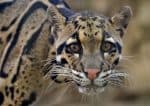
Clouded leopard
Clouded leopard
Great hornbill
Dusky langur

Khao Sok National Park

National Park

A globally important southern rainforest/karst landscape with towering limestone formations and one of Thailand's richest mammal and bird assemblages. The park's forest blocks are vital for maintaining genetic connectivity for southern wildlife.

Asian elephant
Asian elephant
Malayan tapir
White-handed gibbon
Dusky langur
Great hornbill
Malayan sun bear

Kui Buri National Park

National Park

One of the most reliable places in Thailand to observe wild Asian elephants in open habitats, with conservation-focused management and community-linked conflict mitigation. It also supports healthy populations of large ungulates.

Asian elephant
Asian elephant
Gaur
Sambar deer
Barking deer
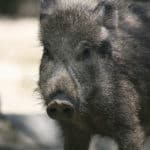
Wild boar
Wild boar
Leopard (rare)

Mu Ko Similan National Park (Similan Islands)

Marine National Park

A top-tier Andaman Sea marine protected area famous for clear water, coral reefs, and pelagic encounters that make it important for marine conservation and sustainable tourism. Seasonal productivity supports large filter feeders and reef megafauna.

Whale shark
Whale shark
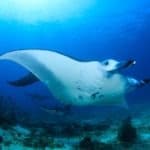
Manta ray
Manta ray
Hawksbill sea turtle
Green sea turtle
Reef sharks (blacktip/whitetip)
Giant trevally
Giant trevally

Mu Ko Surin National Park (Surin Islands)

Marine National Park

An ecologically significant reef system near the Myanmar border with strong coral and reef-fish diversity, supporting sea turtles and occasional large pelagics. It is also important for marine habitat protection and recovery after disturbance events.

Hawksbill sea turtle
Green sea turtle
Manta ray
Manta ray
Reef sharks (blacktip/whitetip)
Napoleon wrasse
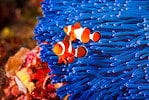
Clownfish
Clownfish

UNESCO World Heritage Sites

  • Dong Phayayen-Khao Yai Forest Complex
  • Thungyai-Huai Kha Khaeng Wildlife Sanctuaries
  • Kaeng Krachan Forest Complex
Animals

Wildlife

Thailand sits at a biogeographic crossroads between the Indo-Burmese region and Sundaland, creating a high diversity of tropical forests (evergreen, dipterocarp, montane), river floodplains, karst limestone systems, mangroves, and long coastlines on the Andaman Sea and Gulf of Thailand. The wildlife experience is defined by large mammals in big protected forest blocks (notably the Western Forest Complex), charismatic primates and hornbills in rainforest canopies, and strong marine biodiversity (seagrass-dugong systems, reef fish, and seasonal megafauna).

~300 species (recorded; including diverse bats and small carnivores) Mammals
~1,000+ species recorded (one of Southeast Asia's top birding countries) Birds
~350-400 species (high gecko, snake, and turtle diversity) Reptiles
~170-190 species (rich in forest and karst specialists) Amphibians

Iconic Species

Asian Elephant
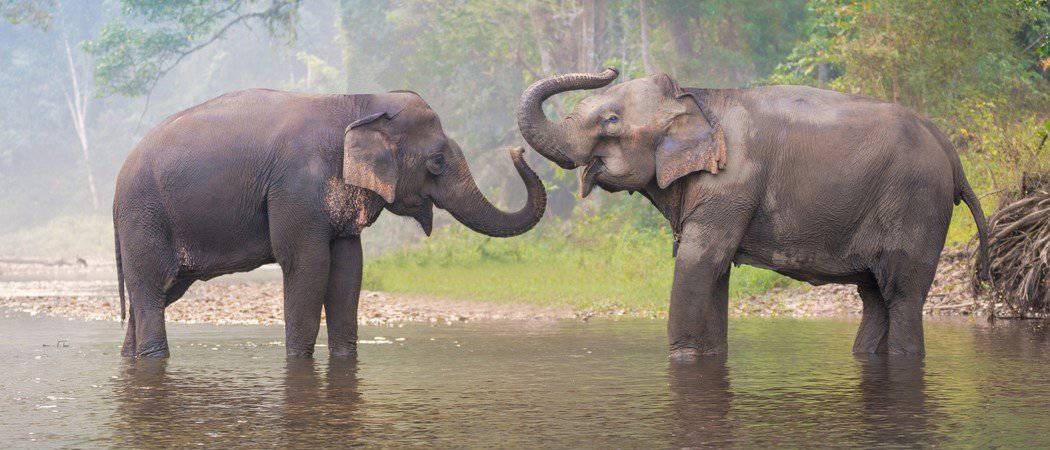
Asian Elephant Thailand holds one of mainland Southeast Asia's most important remaining wild elephant populations, with strongholds in large forest landscapes. Best-known viewing areas include Khao Yai National Park and the Western Forest Complex (e.g., Huai Kha Khaeng-Thung Yai and adjacent protected areas).
Indochinese Tiger
Indochinese Tiger Thailand is a global priority range state for Indochinese tigers, with some of the region's most viable breeding populations persisting in the Western Forest Complex-especially Huai Kha Khaeng Wildlife Sanctuary-supported by large prey bases and extensive protected habitat.
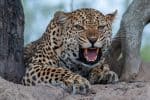
Leopard
Leopard Leopards remain a defining big-cat species in Thailand's larger protected forests (notably western and some southern complexes). They are a flagship for intact trophic systems and are most often detected via camera-traps, with occasional sightings in well-managed parks.
Dhole (Asiatic Wild Dog) A charismatic and increasingly hard-to-see predator of large forest blocks. Thailand's protected landscapes (e.g., Khao Yai and western sanctuaries) are among the better remaining places in the region where dholes still persist in functional packs.
White-handed Gibbon A signature sound of Thailand's forests-pairs and family groups are frequently heard and sometimes seen brachiating at dawn in parks such as Khao Yai, Kaeng Krachan, and Khao Sok (where habitat remains extensive).
Great Hornbill One of Thailand's most sought-after rainforest birds, closely tied to large old trees for nesting. Reliable viewing is associated with well-protected evergreen and mixed forests, including Khao Yai and parts of the western and southern forest complexes.
Siamese Fireback Thailand's national bird and a classic dry evergreen/deciduous forest pheasant. Often encountered in well-visited reserves (notably Khao Yai) and valued as a visible indicator of healthy forest understorey and low hunting pressure.
Siamese Crocodile Critically endangered in the wild; Thailand is important for remaining wild pockets and reintroduction/recovery efforts in protected wetlands and river systems. When seen, it represents one of the country's most conservation-significant reptile successes.
Dugong
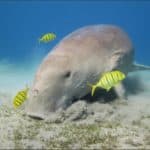
Dugong A flagship marine mammal of Thailand's Andaman seagrass meadows, especially around Trang and nearby islands. Visitors seek dugongs as symbols of healthy coastal seagrass ecosystems (also crucial for many fish and invertebrates).
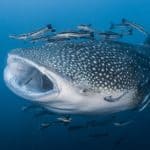
Whale Shark
Whale Shark A celebrated seasonal visitor around offshore reefs and islands (notably in the Andaman Sea). Encounters are highly variable year to year, but Thailand remains a well-known regional destination where whale sharks can occur around productive reef systems.

Endemic Species

White-eyed River Martin A Thai endemic known historically from the Bueng Boraphet area; it is possibly extinct or extremely rare. It remains one of Thailand's most legendary endemics and a symbol of wetland conservation urgency. Endemic
Phuket Bent-toed Gecko A Thailand endemic gecko described from Phuket and nearby habitats, representing the country's high localized diversity of limestone/coastal reptiles with very small ranges. Endemic
Kanburi Pit Viper A Thailand endemic pit viper associated with western Thailand; it highlights the country's distinctive herpetofauna and the role of forest-karst mosaics in driving endemism. Endemic

Notable Populations

  • Western Forest Complex (including Huai Kha Khaeng-Thung Yai) supports one of the most globally significant remaining breeding strongholds for Indochinese tigers.
  • Thailand holds one of mainland Southeast Asia's key remaining wild Asian elephant populations, concentrated in large protected forest landscapes.
  • Trang-Andaman seagrass systems support Thailand's most important dugong stronghold, making the country regionally significant for dugong conservation.
  • Thailand contains globally important karst-limestone biodiversity; narrow-range cave and karst specialists (notably Kitti's hog-nosed bat) make these habitats conservation priorities.
  • Historic global importance of Bueng Boraphet wetlands as the only known site for the endemic white-eyed river martin (now possibly extinct), underscoring Thailand's significance for wetland-dependent endemics.
Protection

Conservation

Primary Threats

  • Conversion and fragmentation of lowland forests and wetlands in the Central Plain and peninsular Thailand reduce habitat for elephants, primates (e.g., gibbons), hornbills, and wetland birds; remaining habitat is increasingly isolated outside protected areas, weakening landscape connectivity between complexes like WEFCOM and the Eastern Forest Complex.
  • Expansion and intensification of plantations (rubber, oil palm) in the south and cash crops in other regions, along with shrimp aquaculture on coasts, replace or degrade natural forests, mangroves, and wetlands and increase agrochemical runoff into rivers and nearshore reefs.
  • Rapid growth around Bangkok and regional cities drives loss of peri-urban wetlands and increases demand for water and infrastructure; coastal urban growth in tourism hubs (e.g., Phuket/Andaman coast, Pattaya/Gulf) pressures beaches, dunes, and nearshore ecosystems.
  • Road expansion and linear infrastructure fragment forest blocks (raising wildlife mortality and access for poaching); dams and water diversions on tributaries and transboundary basins (e.g., Mekong-related systems) alter flow regimes, fisheries productivity, and sediment delivery important for floodplains and coasts.
  • River channelization, flood control works, and irrigation in the Chao Phraya basin simplify habitats and disrupt seasonal flooding that supports floodplain biodiversity; coastal hardening and altered sediment dynamics affect mangrove recruitment and shoreline ecosystems.
  • Although large-scale logging is regulated, illegal timber extraction and small-scale encroachment persist in some forest edges, degrading habitat structure and opening access routes that also facilitate hunting and land grabbing.
  • Localized quarrying and mineral extraction (including in karst/limestone areas) can destroy cave/karst habitats and increase sedimentation and pollution in adjacent watersheds, affecting endemic and highly range-restricted species.
  • Thailand's transport links and markets make it a key transit and demand center for illegal trade (e.g., ivory, pangolins, reptiles, songbirds), undermining wild populations in Thailand and across the region; online trade and laundering through captive-breeding claims remain persistent enforcement challenges.
  • Poaching for bushmeat and high-value parts continues in some remote forests, reducing prey bases for large carnivores and threatening species such as deer, wild cattle, and ground-dwelling birds; snaring is a particular issue in forest frontiers.
  • Elephants frequently raid crops along forest-agriculture boundaries (notably near Khao Yai and other protected-area edges), causing injuries, fatalities, and economic losses; retaliation risks and pressure for lethal control can rise when mitigation and compensation are insufficient.
  • High fishing effort in the Gulf of Thailand and Andaman Sea has historically depleted stocks and altered food webs; bycatch affects turtles, dolphins, and sharks/rays, while trawl impacts and illegal/unreported fishing degrade benthic habitats.
  • Plastic leakage and marine debris are widespread on coasts and islands; nutrient and chemical runoff from agriculture and aquaculture contribute to eutrophication and reef stress; urban wastewater and industrial discharges affect rivers and nearshore waters, including seagrass areas important for dugongs.
  • Rising sea temperatures drive coral bleaching events on both coasts; sea-level rise threatens low-lying mangroves and coastal wetlands; intensified droughts and extreme rainfall increase fire risk in seasonal forests and destabilize watersheds, compounding habitat degradation.
  • Mass tourism in marine parks and popular islands can damage reefs (anchor damage, trampling, wastewater) and disturb wildlife; high visitation in some national parks increases noise, roadkill risk, and pressure on sensitive habitats if not carefully managed.
  • Invasive plants and animals (including species that spread via aquaculture/ornamental trade and disturbed habitats) can outcompete native flora and fauna; invasive predators and competitors are a growing concern for freshwater systems and some island/coastal habitats.
  • Disease risks increase where wildlife, livestock, and people mix at forest edges (e.g., primate pathogens, livestock-borne diseases) and through wildlife trafficking networks that concentrate stressed animals and facilitate pathogen spread.
  • Small, isolated subpopulations of large mammals (e.g., some fragmented elephant and carnivore groups outside core complexes) face reduced gene flow; maintaining corridors between forest complexes is critical to avoid long-term inbreeding and demographic collapse.
  • High water demand for agriculture, cities, and industry reduces environmental flows in some basins, stressing wetlands and freshwater biodiversity; groundwater and surface-water overuse can exacerbate dry-season habitat contraction for aquatic species.
Visit

Wildlife Tourism

Thailand is one of Southeast Asia's most accessible wildlife destinations, combining well-managed national parks, outstanding marine biodiversity, and a mature tourism infrastructure (domestic flights, road networks, guides, and accommodation from budget to luxury). Wildlife tourism is economically significant through park fees, dive/snorkel industries, and nature-based travel that supports local jobs (guiding, transport, hospitality) and, when well-run, conservation programs and community livelihoods. Thailand's wildlife travel story spans early protected-area establishment (national parks created in the 1960s) to today's mix of terrestrial rainforest safaris (Khao Yai, Kaeng Krachan, Khao Sok) and world-class marine encounters (Similan/Surin, Koh Tao, Phi Phi/Krabi region). Accessibility is a major strength: many signature habitats are within half a day of Bangkok or Phuket/Chiang Mai, making it easy to build a multi-ecosystem itinerary (rainforest + wetlands + islands) without complex logistics.

Best Time to Visit

General planning guide (varies by region):
- November-February (cool/dry in much of Thailand): Best all-round wildlife viewing on land-comfortable temperatures, easier trekking, higher chances to see mammals and birds along forest edges and water sources. Great for hornbills, gibbons, deer, and general rainforest birding.
- March-May (hot season): Strong for reptiles and some mammal viewing near water; excellent for dawn/dusk activity, but plan for heat. Good time for saltwater crocodile and wetland birding in some areas; also productive for marine visibility in parts of the Andaman.
- June-October (monsoon/green season): Forests are lush and dramatic; amphibians, insects, and rainforest soundscapes peak. Wildlife is still good, but rain can affect trails/boat access. It can be excellent for photography, fewer crowds, and waterfalls-choose areas with reliable access.

Month-by-month highlights (practical):
- January-February: Prime time for terrestrial safaris and birding in central/northern parks; comfortable night safaris; clear seas for many dive/snorkel areas.
- March-April: Late dry season concentrates wildlife near water; good for early-morning gibbon/hornbill activity; heat management becomes important.
- May: Shoulder season-some of the last best diving days on the Andaman before rougher monsoon conditions; forests begin to green up.
- June-August: Green season rainforest trips shine (macro life, frogs, butterflies, dramatic landscapes); Gulf-side islands often have better sea conditions than the Andaman.
- September-October: Wettest period in many areas; best for "lush jungle" experiences and fewer visitors, but plan flexible itineraries.
- November-December: Monsoon eases; excellent reset for land wildlife, migratory birds begin to appear in wetlands, and many marine areas return to prime conditions.

Top Wildlife Experiences

  • Dawn gibbon-spotting walk: start before sunrise to hear territorial calls, then follow forest trails with a guide to locate gibbon families moving through the canopy (bring binoculars and a quiet pace).
  • Hornbill stakeout at fruiting trees: spend a morning or late afternoon with a local naturalist at known fig/fruit trees to watch hornbills feeding and commuting between nesting/roosting areas (best with a long lens).
  • Ethical elephant observation day: visit a reputable, no-riding sanctuary focused on natural behaviors (foraging, socializing, mud-bathing) and keeper-led interpretation-choose operations that limit contact and prioritize space and welfare.
  • Night safari for mammals and nocturnal birds: guided spotlighting on park roads/tracks to look for civets, porcupines, slow lorises (where permitted/appropriate), owls, nightjars, and other nocturnal species.
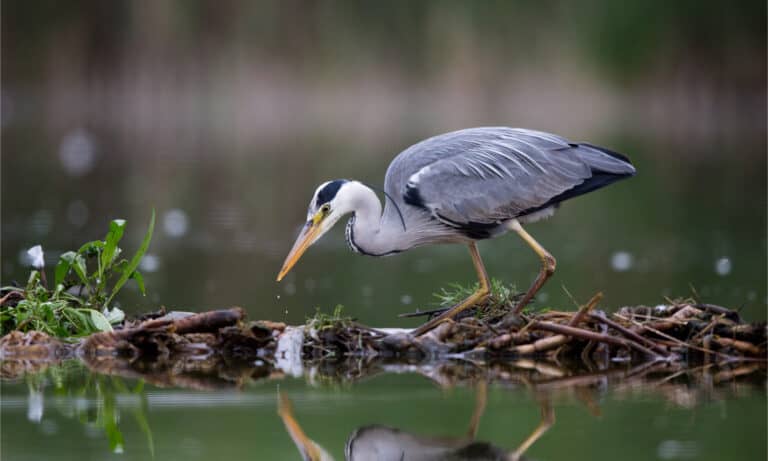
  • Freshwater lake/river boat safari: slow boat ride at first light for kingfishers, herons, monitor lizards, macaques at the banks, and occasional larger mammals coming to drink; ideal for photographers.
  • Canopy walkway + dusk forest edge session: combine treetop-level viewing for birds and arboreal mammals with an evening watch along forest edges where deer and other wildlife emerge.
  • Wildlife-focused sea kayaking in mangroves and limestone karsts: paddle quietly through mangrove channels and sea caves to spot mudskippers, crabs, roosting birds, and coastal raptors; low-impact and highly immersive.
  • Whale shark and pelagic reef safari (seasonal): join a responsible dive operator for offshore sites known for big-fish encounters (briefings on approach distance and no-chasing rules are key).
  • Turtle-friendly snorkeling/diving day: guided reef trip emphasizing buoyancy control and wildlife etiquette to maximize chances of seeing sea turtles, reef sharks, and schooling fish without disturbance.
  • Wetland birding circuit at sunrise: visit rice-field edges, marshes, and protected wetlands with a bird guide for raptors, waders, and seasonal migrants; excellent as an add-on near major cities for a short wildlife break.

Safari Types Available

  • Guided nature walks/treks (rainforest, montane forest, wetlands)
  • Night safaris (spotlighting from vehicles and on-foot where allowed)
  • 4x4/vehicle-based wildlife viewing on park roads (Thai-style game drives)
  • Boat safaris (lakes, rivers, reservoirs, coastal lagoons)
  • Sea kayaking and mangrove paddling safaris
  • Snorkeling safaris (reef-focused wildlife viewing)
  • Scuba diving safaris and liveaboards (pelagic + reef encounters)
  • Canopy walkways/tower hides and birdwatching hides (low-impact observation)
  • Wildlife photography-focused trips (hide sessions, dawn/dusk stakeouts)
  • Community-guided ecotours (local naturalists in buffer zones, cultural + nature)
Fun Facts

Did You Know?

Great hornbills in Thailand (notably studied in Khao Yai) use a dramatic nest strategy: the female walls herself into a tree cavity with mud and debris, leaving only a narrow slit while the male delivers all food until the chick is ready to emerge.

Thailand has "pink dolphins": Indo-Pacific humpback dolphins regularly seen off Khanom (Nakhon Si Thammarat) can look distinctly pink-an effect linked to visible blood vessels and the way the animals thermoregulate near the surface.

The Songkhla Lake system supports Irrawaddy dolphins-an unusual, brackish-water setting for a species many people associate with big rivers and estuaries rather than a lagoon-like lake complex.

Dugongs still graze Thailand's seagrass meadows (especially along parts of the Andaman coast such as Trang), and an adult can consume up to roughly ~40 kg of seagrass in a day-making them true underwater lawnmowers.

In Thai coastal waters, seahorse reproduction flips the script: males carry the pregnancy. Females deposit eggs into the male's brood pouch, and he incubates them until giving birth to fully formed tiny seahorses.

Home to the king cobra (Ophiophagus hannah), widely recognized as the world's longest venomous snake-individuals can exceed 5 m in length in Southeast Asia, including Thailand.

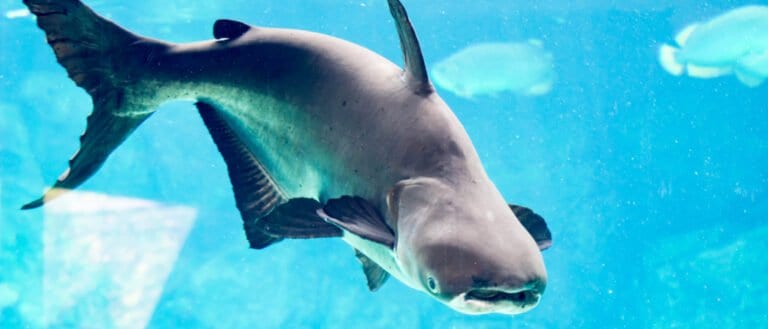
Thailand is part of the Mekong giant catfish's range (Pangasianodon gigas), one of the world's largest freshwater fishes; a well-documented record catch weighed 293 kg (646 lb) in 2005 near Chiang Khong, Chiang Rai Province.

Western Thailand is the original known home of Kitti's hog-nosed bat (Craseonycteris thonglongyai)-often cited as one of the world's smallest mammals at about ~2 g, discovered in limestone caves in Kanchanaburi (near Sai Yok).

Khao Chong Phran Cave (Ratchaburi) is famous for its mass evening "bat exodus": estimates reach into the millions (often cited around ~3 million wrinkle-lipped free-tailed bats), making it one of the largest known bat colonies and wildlife spectacles in the region.

Kaeng Krachan National Park is Thailand's largest national park (about 2,914 km²), protecting a huge continuous habitat block for wide-ranging wildlife like Asian elephants, gaur, and multiple hornbill species.

Situated in the heart of Southeast Asia, Thailand is a populous country of lush rainforests, wetlands, mountains, highlands, and floodplains with a rich natural bounty of strange and exotic primates, birds, cats, insects, and snakes. It is a popular tourist destination for people around the world.

The Official National Animal of Thailand

The national animal of Thailand is the Asian elephant.

Where to Find the Top Wild Animals in Thailand

The best locations from which to discover Thailand’s exotic wildlife are its national parks and protected areas, including Khao Sak, Khao Yai, Khao Sam Roi Yot, Kaeng Krachan, and Erawan.

The Most Dangerous Animals in Thailand Today

Thailand has many large predators and strange venomous animals that pose a danger to human life.

  • Scorpions – Thailand has several exotic species of scorpions with painful, venomous stings. While this venom is usually not too dangerous, a small number of people may have an allergic reaction and require some medical attention.
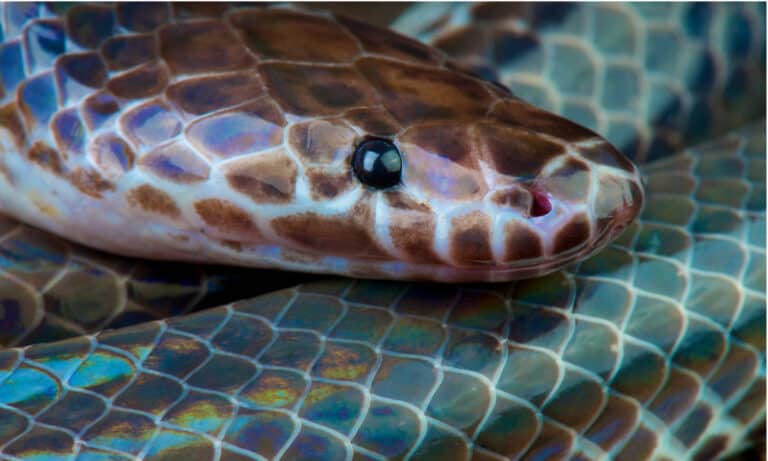
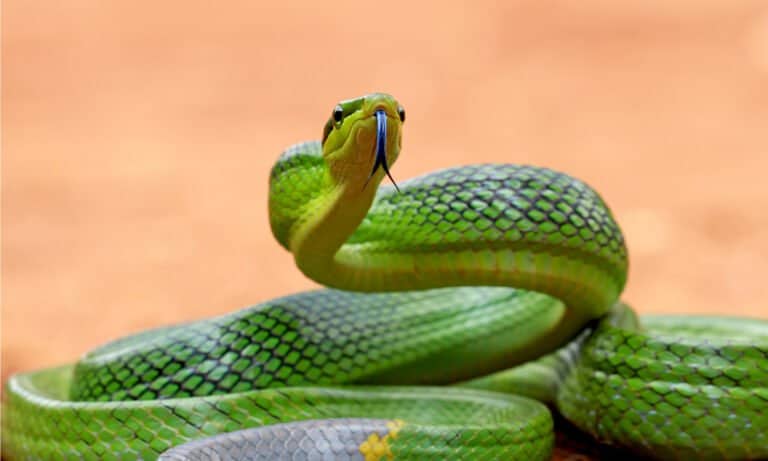
  • Snakes – Thailand is home to a large variety of dangerous sea snakes, coral snakes, cobras, and vipers with painful venom, some of which can cause strange neurological symptoms such as vertigo, blurred vision, and paralysis. Death is uncommon but possible.
  • Saltwater Crocodile – The largest and most fearsome of the crocodiles, this species is also the most likely to attack people that wander into its territory.

Endangered Animals in Thailand

  • Gibbons – Thailand is home to the white-handed gibbon, an arboreal but tailless primate with incredible speed and agility.
  • Asian Elephants – The country’s national symbol is also now in danger of becoming extinct from habitat loss and poaching. Only a few thousand remain in the wild.
  • Indochinese Tiger – This subspecies of the tiger only has a few hundred survivors remaining.

Fish In Thailand

Thailand is filled with exotic marine wildlife, especially in the Mekong River, which is home to record-breaking species. In Thailand, you’ll find huge stingrays, climbing perches, alligator gars, and many more!

National Parks in Thailand

This country features white, sandy beaches lined with palm trees, tropical forests, mist-covered peaks, stunning architecture, and ancient ruins. And what better way to experience the scenery than to visit one of the ten most beautiful parks in Thailand?

Animals Found in Thailand

430 species documented in our encyclopedia

Thank you for reading! Have some feedback for us?