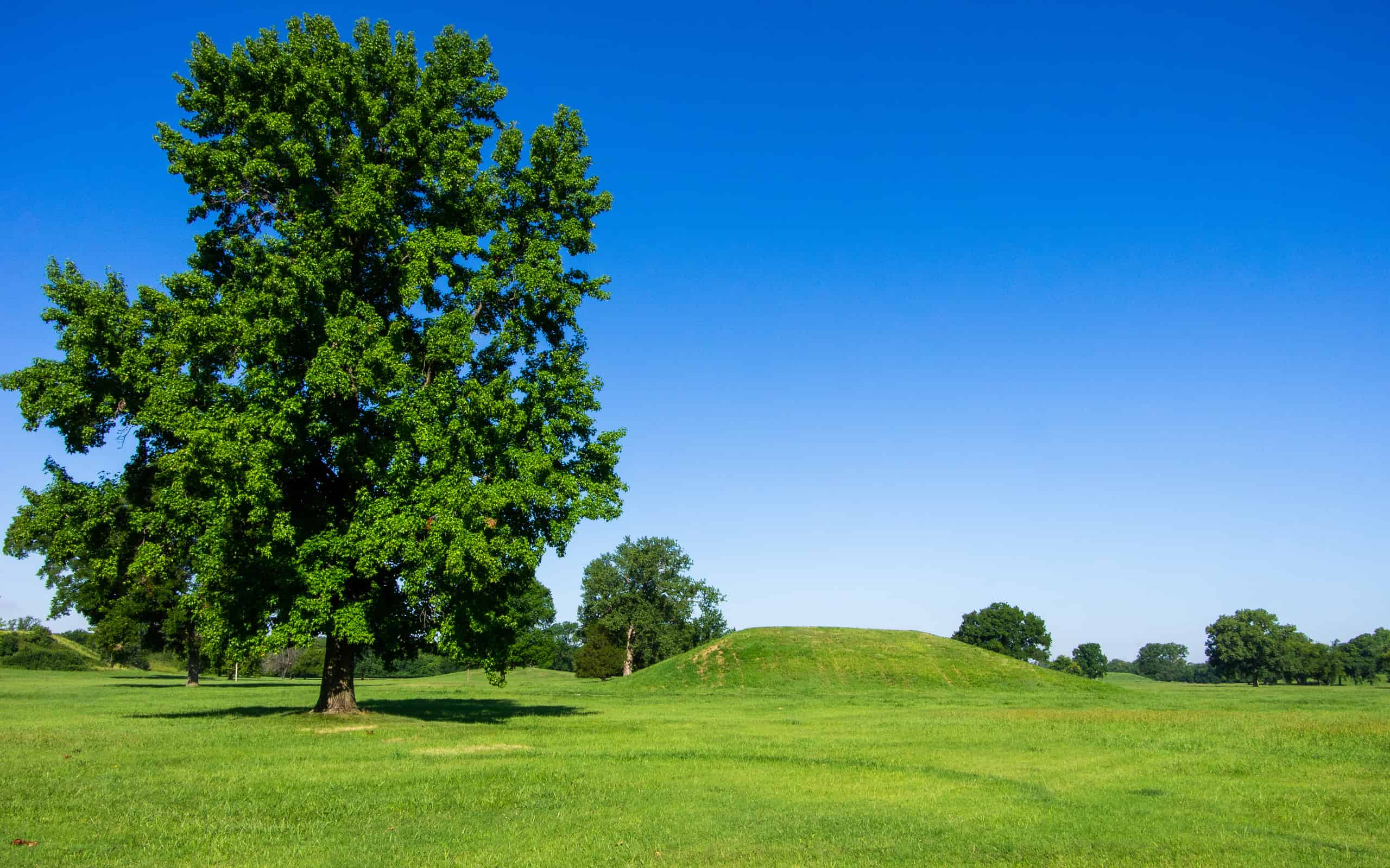

The Native Americans built several different kinds of mounds. Because these mounds are earthen structures, they can last very long without any maintenance. They were often built over several generations. Many were also built for several purposes.
Understanding these mounds can help you understand the culture of Native Americans. Many of these mounds can still be seen today at national parks and on tribal lands.
Types of Native American Mounds
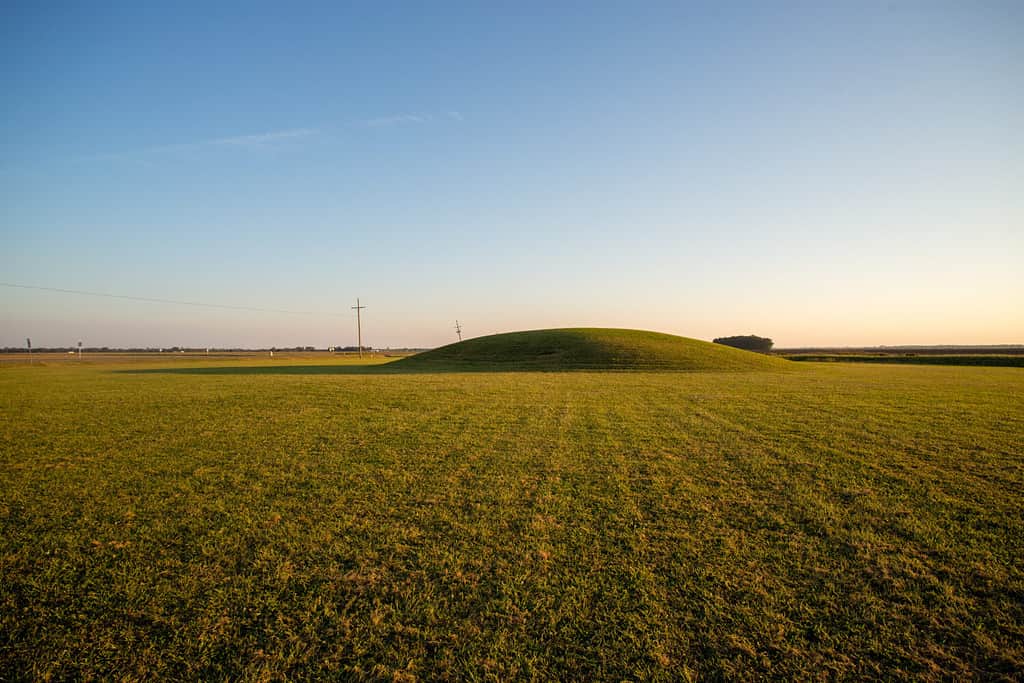
Native American mounds differ widely, so you have to be careful not to group them altogether.
©Frank McMains/Shutterstock.com
There are several types of Native American mounds. It’s important to understand that Native Americans are not a singular culture. They differ a lot. Not all cultures built mounds, and not all cultures used mounds for the same purpose. Each mound is unique for this reason.
Here are some purposes that Native Americans may have used mounds for:
- Burial Mounds: Many Native American cultures utilized mounds as sacred resting places for ancestors. Sometimes, these mounds contain offerings like pottery, tools, and other objects.
- Effigy Mounds: Sometimes, these are shaped like birds or animals. These mounds held symbolic meanings, so they were often utilized for spiritual purposes.
- Platform Mounds: In some cases, Native American mounds were more practical. They often provided areas for public gatherings and even homes. Often, these mounds were left long after the homes decayed.
- Conical Mounds: These mounds are less common. However, they’re often steep-sided and have flat tops. They’re often used for rituals, but some were fortifications to protect the community nearby.
- Boundary Mounds: Sometimes, mounds may have been used to mark territories or important locations. Over time, they may have been utilized for other purposes, too.
These mounds are pretty variable, and we don’t necessarily know why all these mounds existed. Many people have theories, but we rarely know for sure.
Popular Native American Mounds
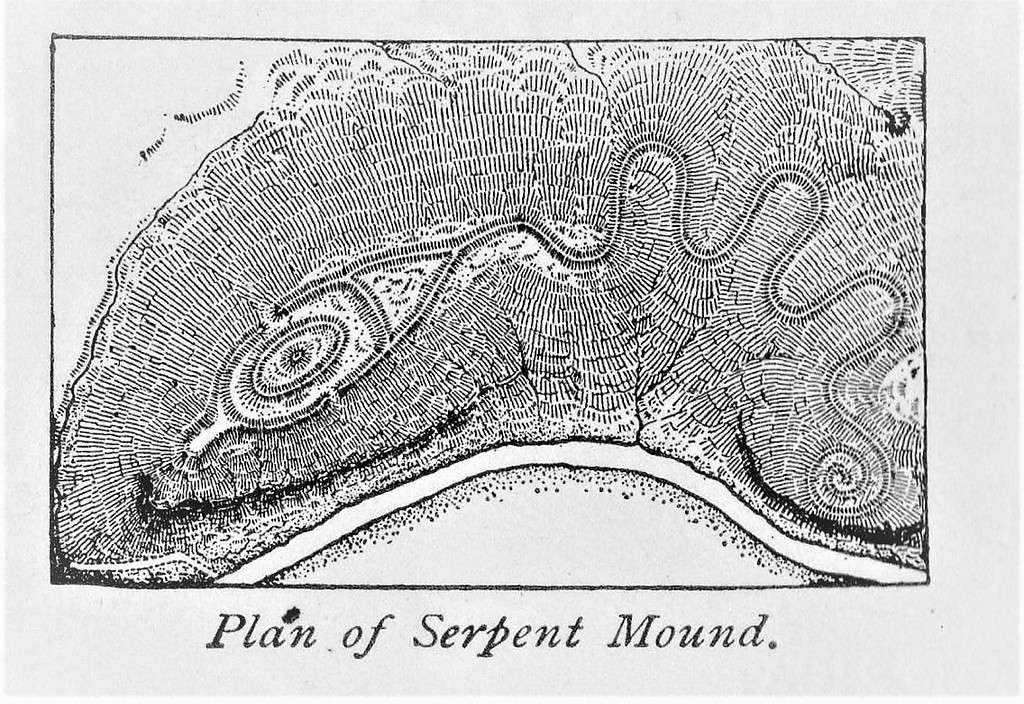
The Serpent Mound is one of the most mysterious Native American mounds you can visit.
©Christine_Kohler/iStock via Getty Images
You can find Native American mounds across North America. They aren’t confined to just one region or area. However, each site is unique to the culture that built it. Just like there are many pyramids across the world, there are many different mounds, as well.
Here’s a list of the most popular Native American mounds:
1. Cahokia Mounds, Illinois
Cahokia was once the home of a bustling city. It’s also home to the monumental Monks Mount, which is one of the largest in the United States. It’s over 100 feet tall, which rivals the Great Pyramid of Giza. The sprawling complex features over 80 mounds, though the exact number is debated.
2. Poverty Point, Louisiana
Poverty Point features a unique mound complex built and used around 1700 – 1100 BCE. This site is considered a UNESCO World Heritage Site and is currently a state park. There are five mounds in all, and the West Mound is the largest. There are also six ridges that enclose an area over 1.5 miles long, which is unlike anything else found in North America.
3. Moundville, Alabama
As the name suggests, Moundville, Alabama, is also home to Native American Mounds. This site features two twin mounds that are situated next to a grand plaza. They were thought to be used to give a vantage point over the plaza, perhaps for ceremonial purposes. There are also over 30 other mounds nearby, which likely served various purposes.
4. Serpent Mound, Ohio
Unlike most other mounds on this list, the Serpent Mound in Ohio is shaped like a Serpent – not a round hill. It stretches 1,300 feet and was likely built between 320 BCE and 1750 CE. The serpent is thought to be holding its mouth open, though the original purpose of this mound is unknown.
Many interpretations surround this mound, but we don’t know exactly what it was used for. It’s currently listed as a historic landmark.
5. Effigy Mounds State Park, Iowa
This state park encompasses over 200 mounds, most of which are in the shape of animals. For instance, you’ll find birds like eagles and thunderbirds. Bears, buffalos, and humans also make an appearance.
These mounds likely held a religious meaning. However, it’s impossible to know exactly what they were used for.
How to Experience the Mounds

The Effigy Mounds National Monument park allows you to walk to several of the mounds.
©zrfphoto/iStock via Getty Images
No matter what mound you choose to visit, there are many ways you can enjoy them. Most mounds today are protected by parks or as historical landmarks. This means that the mounds are protected for future generations to enjoy.
Most parks offer guided tours of these mounds. These tours can provide insight into the site’s history and archeology. Work is still ongoing regarding understanding these mounds, so don’t expect all your questions to be answered.
If you don’t want to attend a scheduled tour, many parks also provide trails to and around the mounds. You can explore them at your own pace during the park’s open hours. Signs on the trail often provide extra information about the mounds.
Sometimes, parks also hold special events and cultural festivals at the mound sites. Many of the indigenous communities still hold these mounds as sacred, so it’s important to remain respectful. Not all events are open for outsiders to partake in.