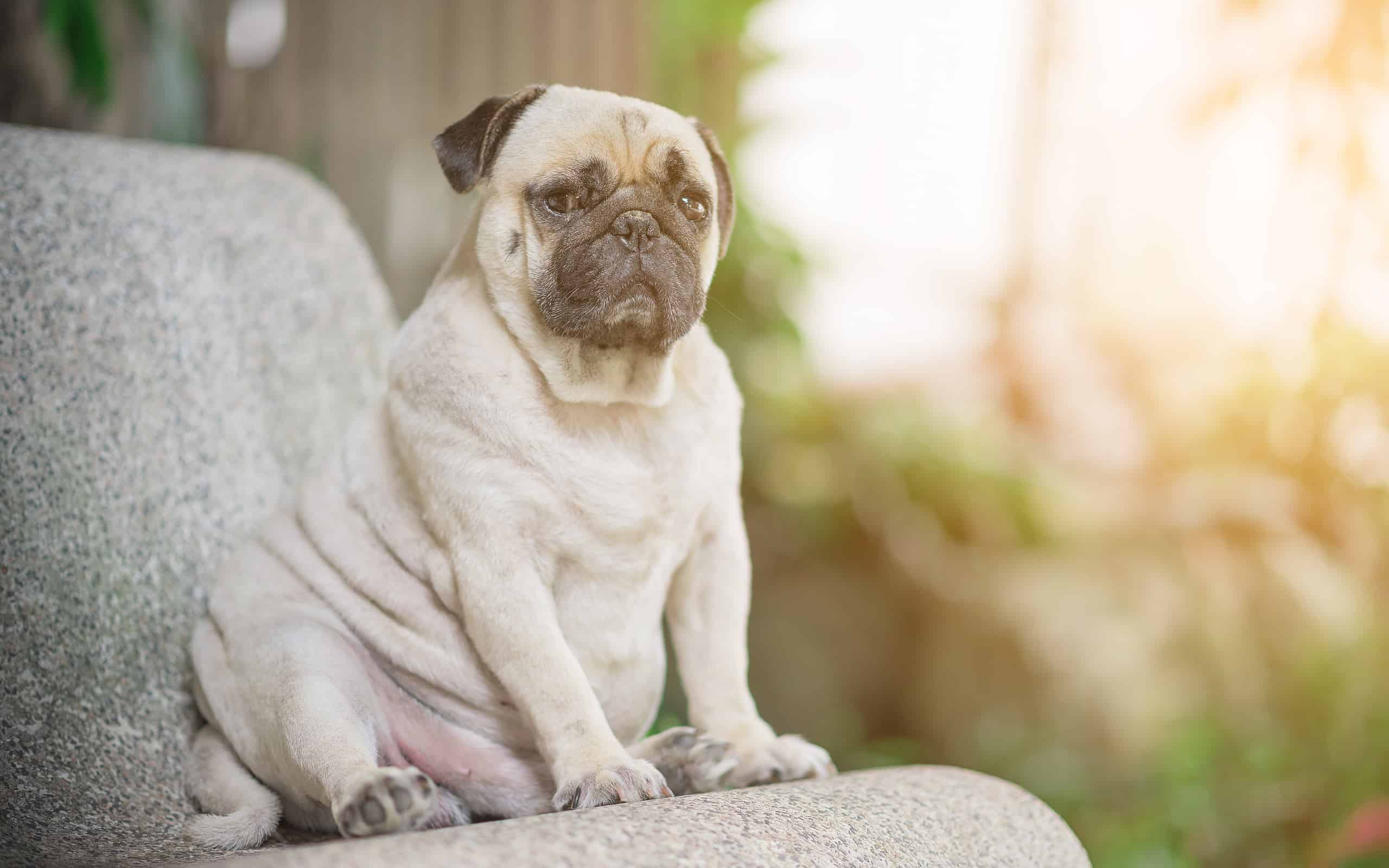

Canine obesity is a serious condition that can put your dog at risk for tons of side effects. According to VCA Animal Hospitals, more than 50% of all dogs are overweight. That means that about half of all dog owners should be taking steps to reduce their dog’s weight.
Luckily, canine obesity is completely reversible and costs very little to treat. If you turn the tide fast enough, the odds of your dog developing a health issue are low. However, the key here is to start reversing canine obesity sooner rather than later. Here are the key steps you should take:
1. Revisit Your Dog’s Diet
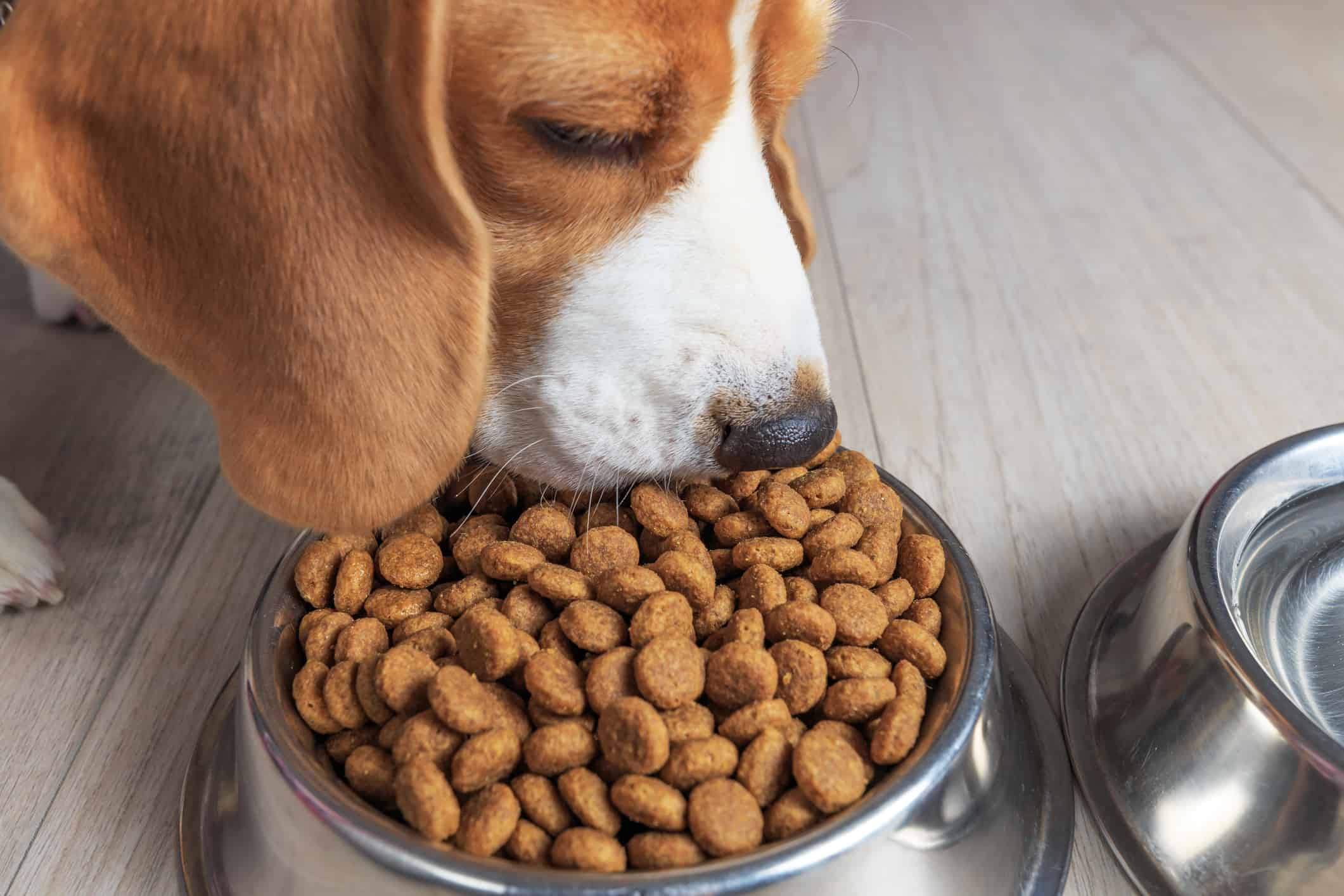
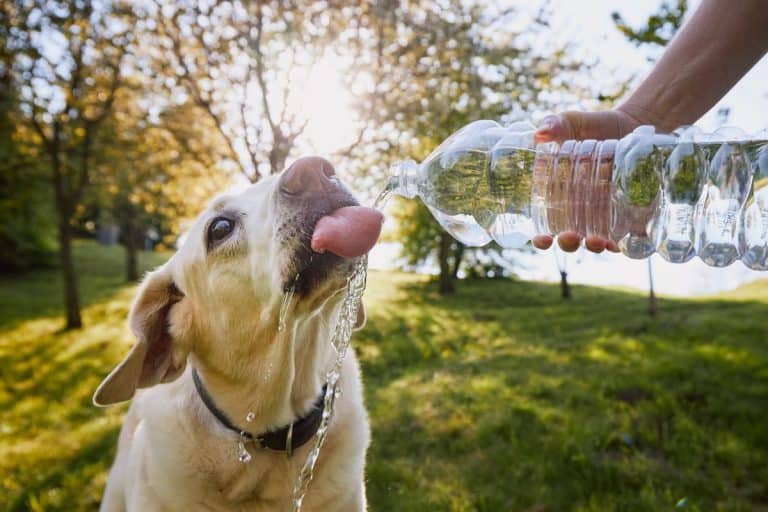
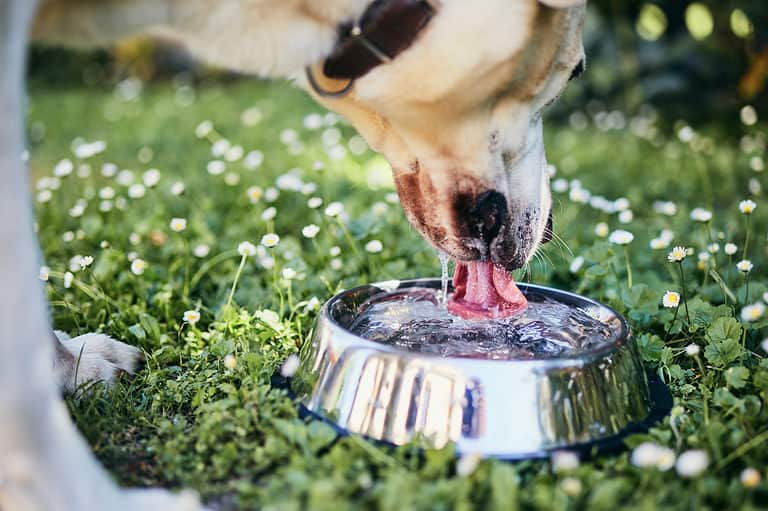
Portion control is the primary way to reduce your dog’s weight.
©alex_ugalek/iStock via Getty Images
If your dog is overweight or obese, your first step should be to adjust their diet appropriately. Simply put, most dogs become overweight by eating too much. Fixing this causes most dogs to lose the proper amount of weight.
There are several ways you can do this. The first way we recommend is to check the portion recommendation on the container of your dog’s current food and start measuring all meals according to the recommendation. If you’ve been feeding too much, your dog may experience some shock when you start them on their new diet plan.
Luckily, your dog doesn’t need to have any self-control for this plan to work – only you do. You can reverse most canine obesity in this way.
However, some dogs may need a little more help. In this case, we recommend switching to a dog food formula that’s designed to help dogs lose weight. Don’t just start feeding less of your dog’s regular food. If you feed less than the bag recommends, your dog will also get less vitamins and minerals.
Diet dog food formulas are less calorie-dense than regular dog food. However, they contain the same amount of nutrients. Therefore, your dog will continue consuming the right amount of nutrients they need, but they’ll be receiving few calories.
While you’re at it, be sure to only feed treats in moderation. Also, if you’re feeding your dog human food, that also needs to stop. All of these are sources of extra calories that can cause obesity.
2. Add Exercise
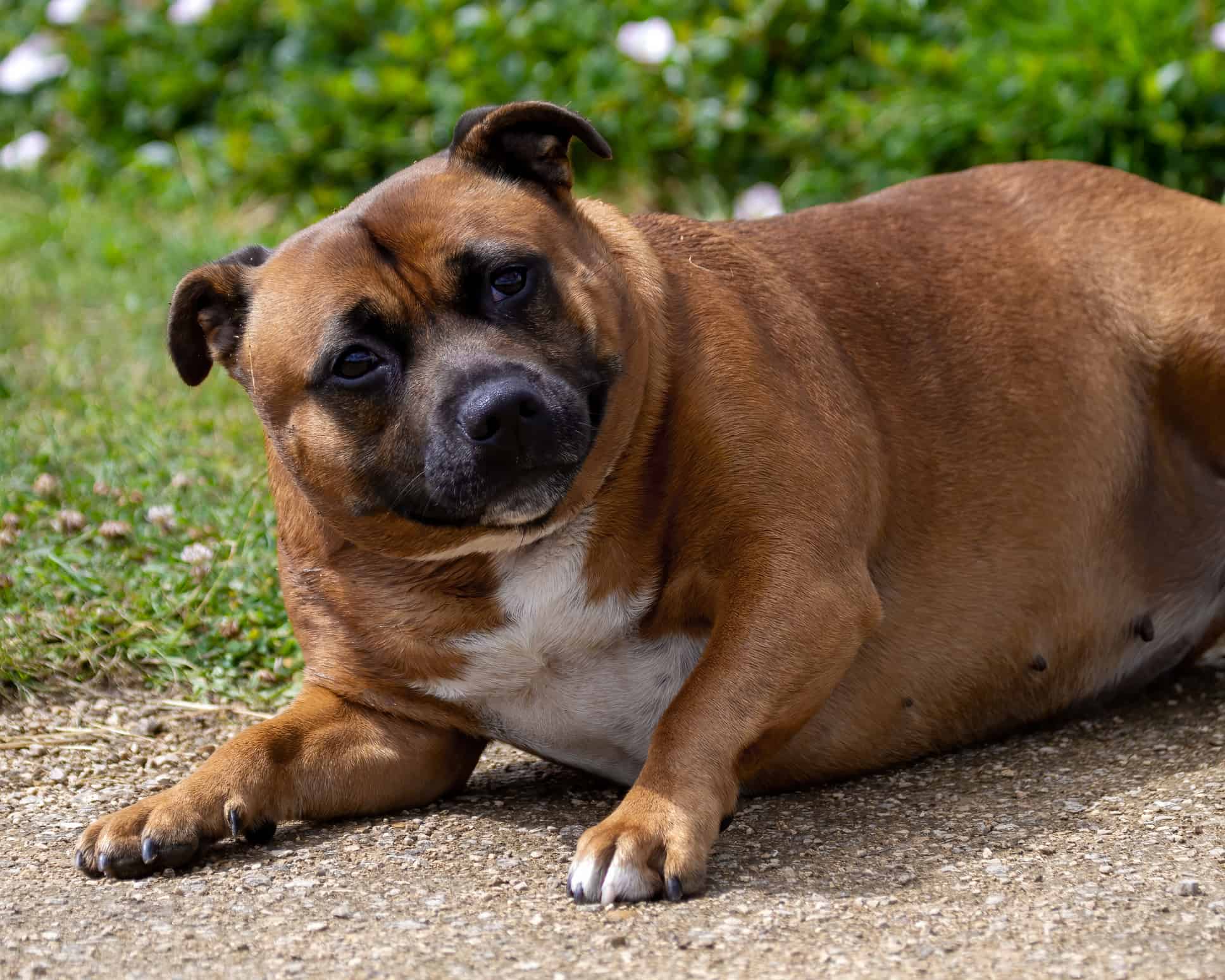
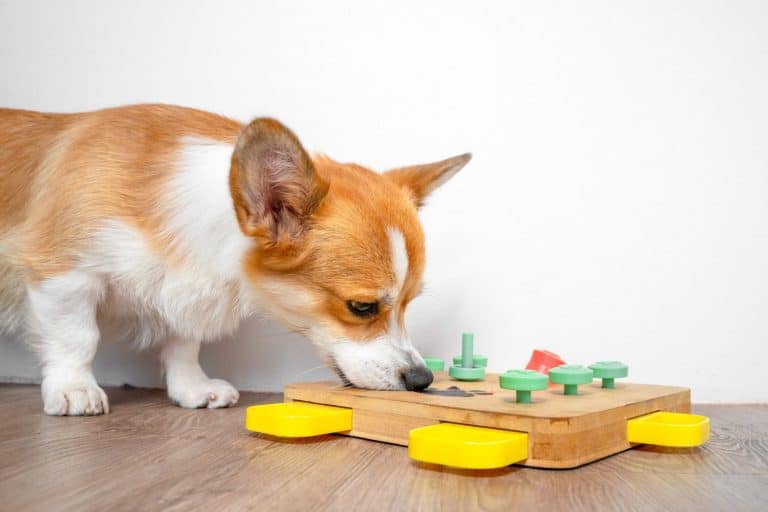
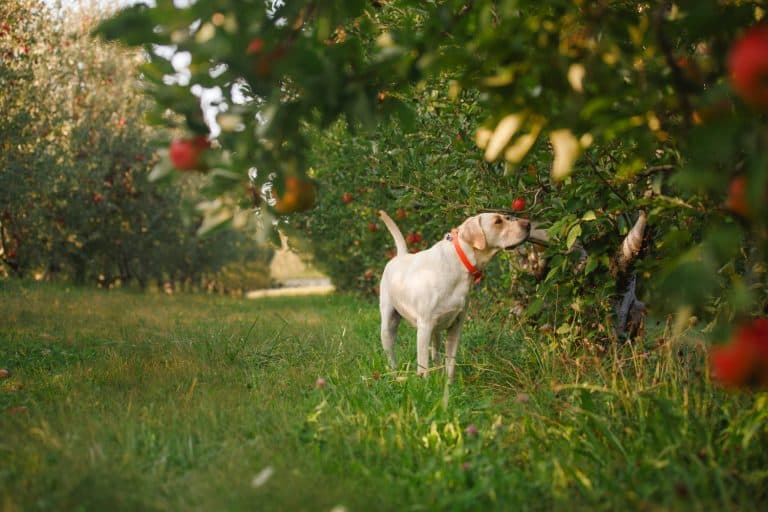
Most obese dogs are not very good at exercising, so you’ll need to start slow.
©Sue Thatcher/iStock via Getty Images
For the most part, many obese dogs do not exercise enough. If they did, they wouldn’t be obese. To help your dog lose weight and keep it off, increasing their daily exercise is important. However, this should be done slowly.
Just like an unfit person can’t run a marathon, an obese dog won’t be able to exercise as much as their “breed suggestion” recommends. You’ll need to take a look at how much exercise your dog is currently getting and slowly increase their daily movement from there.
Start with very short, gentle walks. Follow your dog’s pace, and end before your dog gets tired. You don’t want to overexercise an obese dog, as this can cause exercise-induced exhaustion and joint problems. Sometimes, a five-minute, leisurely walk is plenty starting out.
However, you should work up to longer and more vigorous sessions. Explore options beyond walking, too. Fetch and dog parks can be great if your dog enjoys them. Offering sessions of playtime can increase how much your dog moves without a lot of extra effort on your part.
3. Visit the Vet Regularly
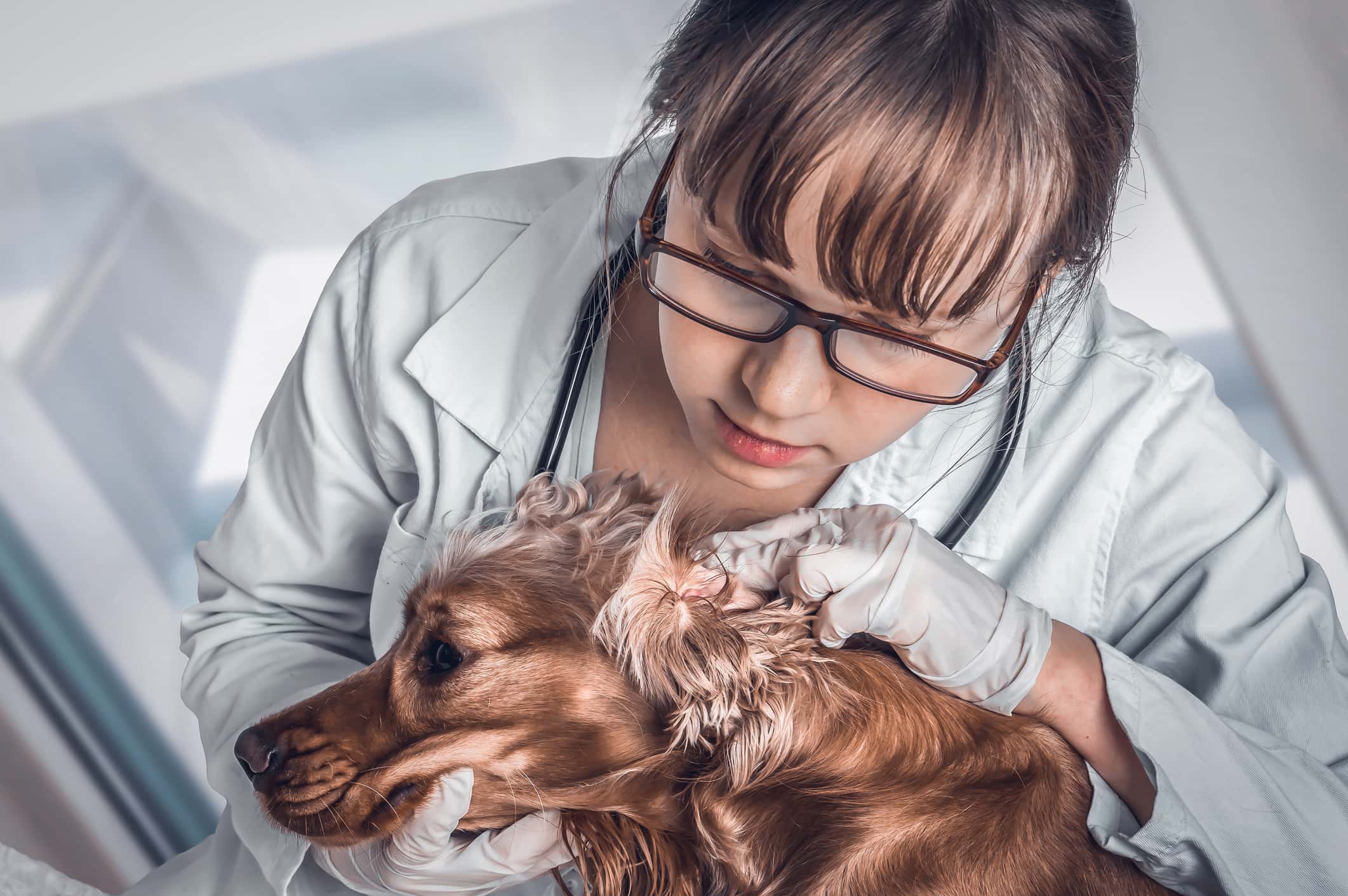
Regular vet visits are important to ensure your dog is losing weight and not experiencing health issues.
©andriano_cz/iStock via Getty Images
Anytime your dog is overweight or obese, more regular vet checkups are needed. These extra visits are needed for two reasons.
Firstly, you should be trying to get your dog to lose weight. Regular weighing is needed to ensure your canine is losing weight as expected. You may need to change your plans if they are not. The only way to know if what you’re doing is working is through weigh-ins.
Secondly, dogs that are obese or overweight are more likely to experience health issues. Therefore, it’s important that a vet checks your dog more often to catch these health problems early.
Just like a senior dog needs vet visits more often, so does an obese dog.
4. Patience
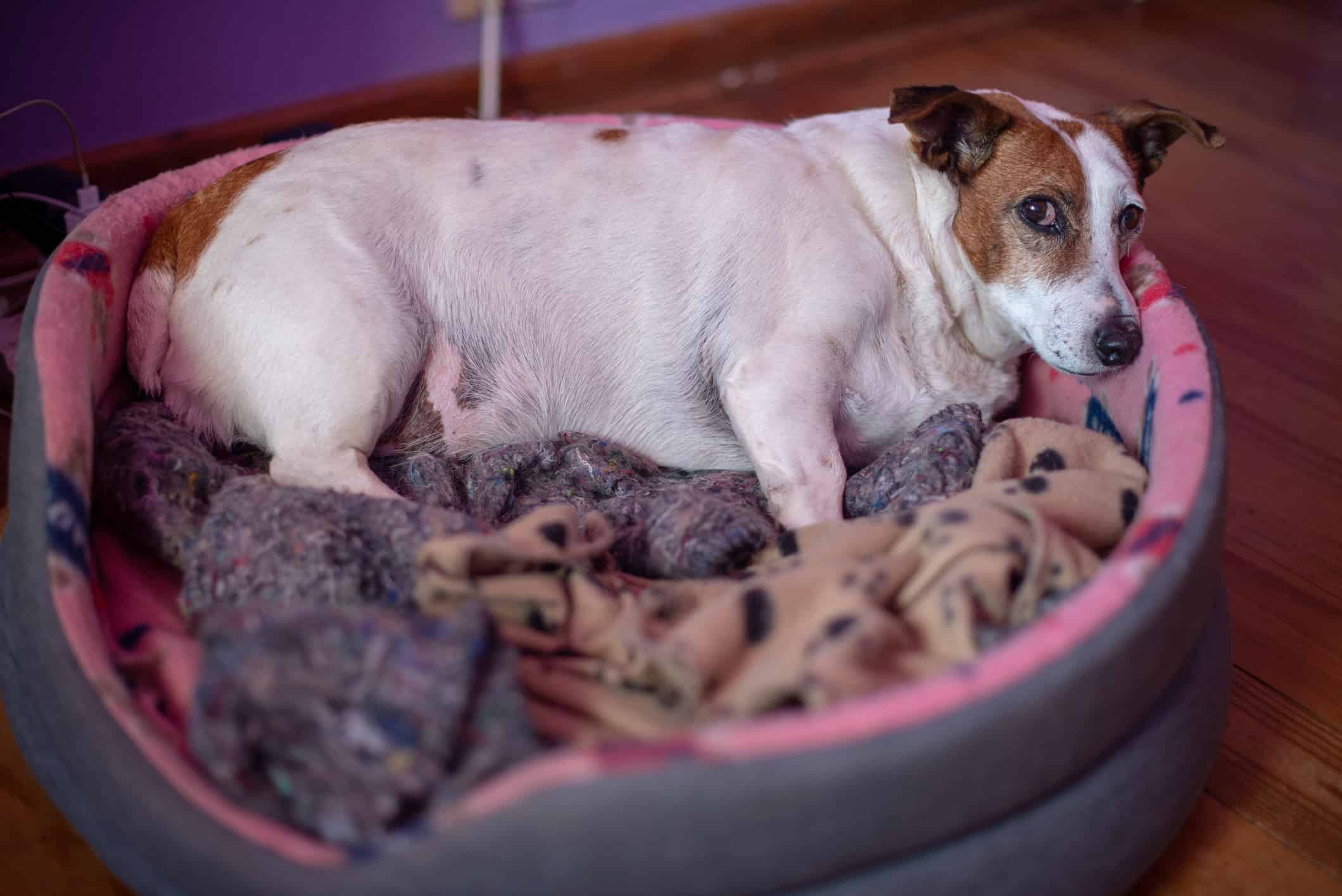
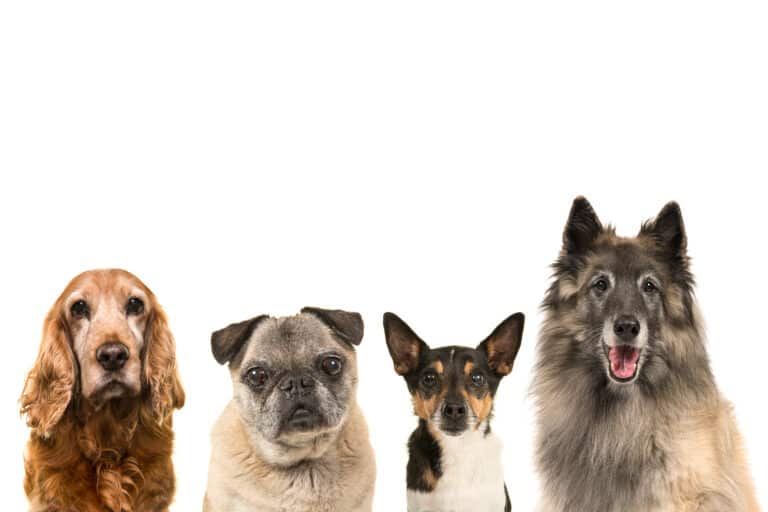
Any dog breed can become obese, though food-driven dog breeds are more likely to gain extra pounds.
©rushay booysen/iStock via Getty Images
Your dog will not lose weight exceptionally quickly. In fact, losing more than a small percentage of their body weight at once can stress their body. Therefore, you’ll need to be very patient.
Furthermore, it’s important to realize that the steps you take to lose weight will often need to stay for the rest of your dog’s life. If you revert back to giving your dog however much food they want, they’ll likely gain all the weight right back.
Daily walks and playtime must remain a staple in your dog’s life. They don’t end once your dog reaches the finish line of their weight loss journey.