
Quick Take
- Two animals are victims every time a sawfish is poached, and only one of them lives in the ocean. See the cockfighting connection →
- A single sawfish body part can generate thousands of dollars on the black market, and authorities have no idea the trade even exists. Explore the black market pricing →
- The geography of where sawfish naturally live makes poaching them far easier to pull off than scientists ever anticipated. See where poaching thrives →
Sawfish are among the rarest, most endangered, and most unique marine species in the ocean. Their unusual anatomy has drawn attention from all corners of the globe, dating back to ancient times. The saw-like appendage on the front of their heads was once revered. Many cultures believed it to be sacred and even magical.
Although these beliefs are rooted in folklore, one thing is certain: The sawfish faces significant threats from poaching. Despite laws in place to protect the vulnerable species, it’s still hunted for a tragic purpose you’d never expect.
Why Are Sawfish Teeth So Valuable?
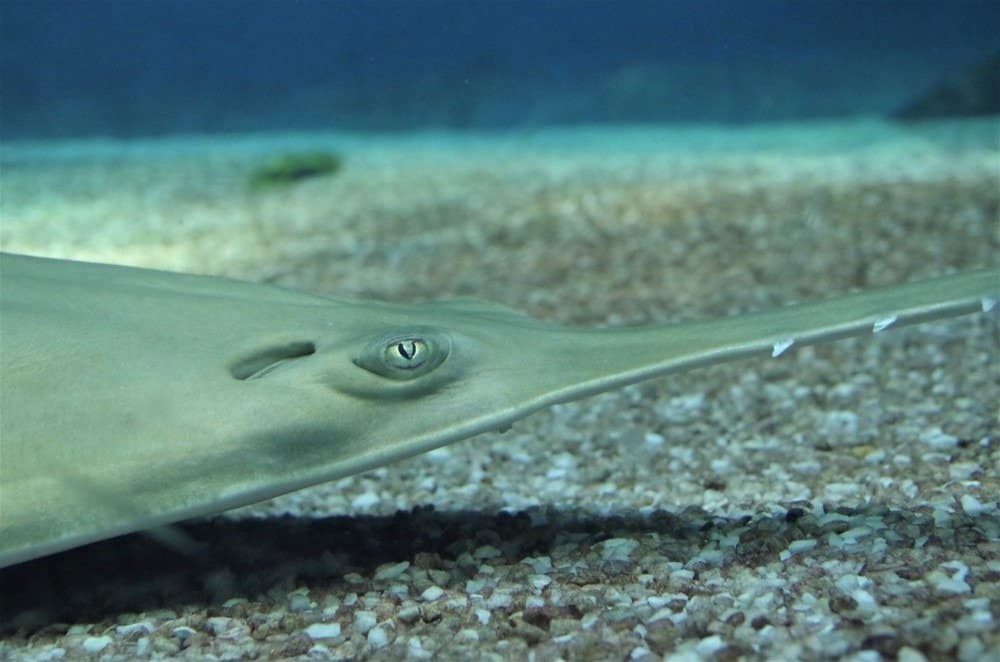
Sawfish are members of the ray family, and their flat rostrum, the long saw-like snout lined with tooth-like projections, distinguishes their appearance. This appendage extends from their skulls and is part of their skeletal structure. It is used to sense electric pulses in the water while hunting. Once prey has been located, sawfish use their rostrum to swipe, slash, and saw open fish. They also use their rostrums to dig in the mud, which helps them find bottom feeders such as shrimp and crustaceans. This built-in tool makes sawfish incredibly skilled hunters, yet the species remains critically endangered.
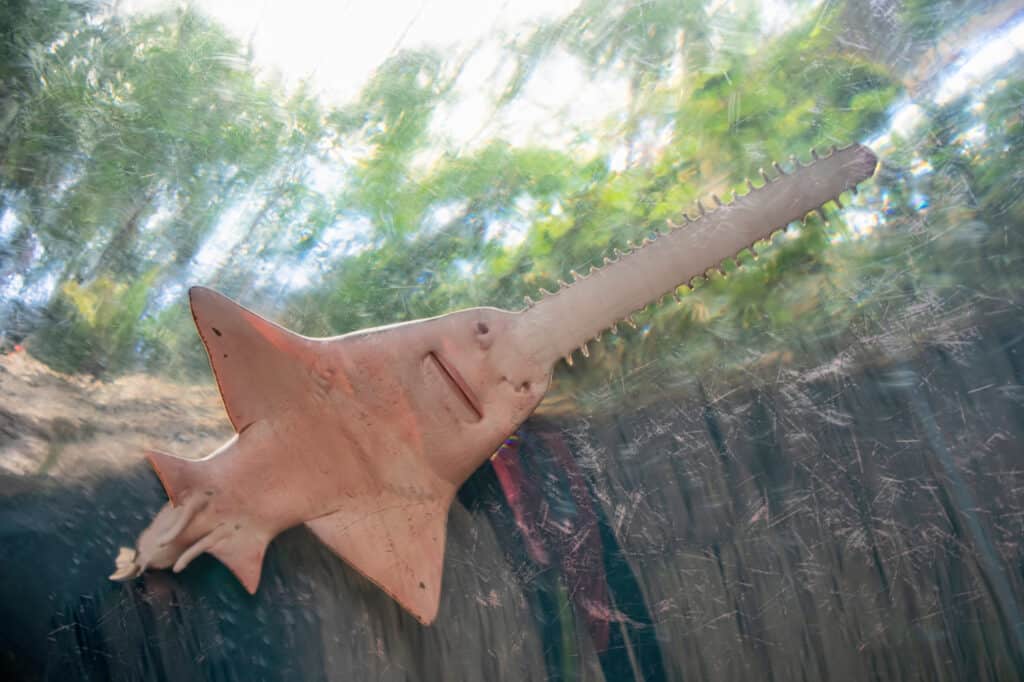
Sawfish are now Critically Endangered, yet remain at risk due to an illegal land practice.
©Bonnie Taylor Barry/Shutterstock.com
The smalltooth sawfish was listed as endangered under the U.S. Endangered Species Act in 2003. By the mid-2010s, all five sawfish species were classified as Critically Endangered on the IUCN Red List. Prior to that, they were poached for many reasons. One of the primary motivators was for trophies. Sawfish rostrums were often displayed proudly on the walls of those who could afford them or were adventurous enough to catch one themselves. Similar to how a hunter might mount an eight-point buck or taxidermy an apex predator, sawfish were a rare and expensive display piece.
However, one reason for the now-illegal capture of sawfish persists today. In Peru, the saw-like spikes on a rostrum are used for a deadly purpose. In places where cockfighting still thrives, roosters are outfitted like gladiators gearing up for a death match. Tragically, there are two victims in this case: the sawfish that died for the sake of armor and the rooster forced to fight a brutal battle.
An Illegal Trade Where the Outcome Is Death
A study published in April in Conservation Letters provides a grim and gruesome glimpse into the realities of cockfighting. While it’s illegal in many countries, some nations in South America still allow the bloodsport. Despite all five sawfish species being Critically Endangered as of 2014, many of these nations still ignore the laws protecting the species.
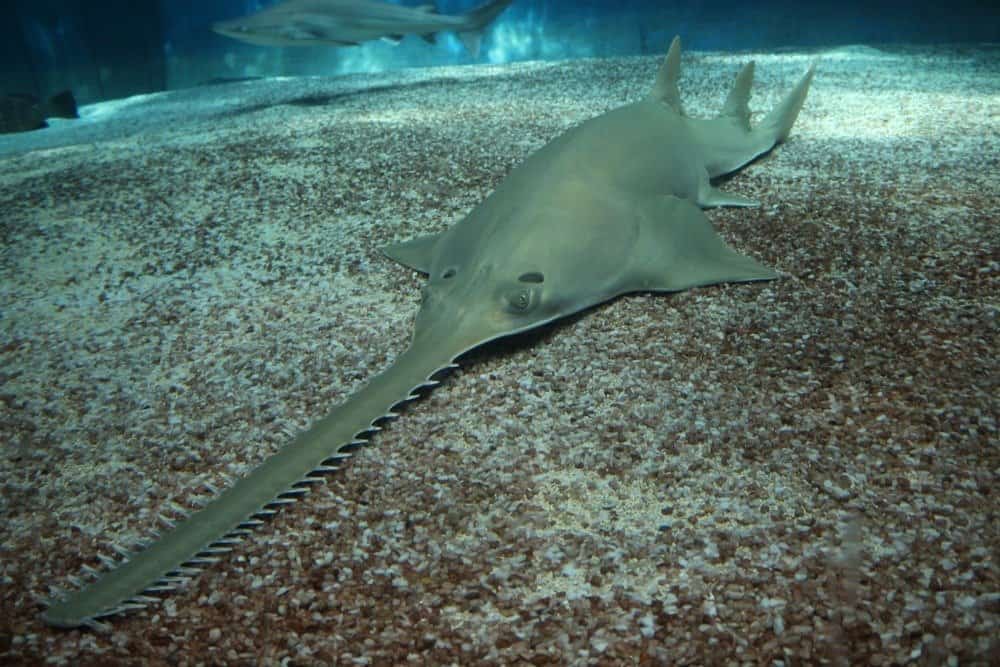
Some sawfish rostrums sell for thousands of dollars on the black market.
©Chaos2Light Images/Shutterstock.com
Researchers found, after speaking with locals and exploring the seedy underground rings, that Peru, in particular, ranked high in illegal sawfish rostrum commerce. Study lead author Mariano Cabanillas-Torpoco said this illegal trade remains under the radar, carefully hidden from government eyes. There’s no plan in place to stop this, as authorities don’t even know the extent of sawfish poaching.
And according to Mario Espinoza, who studies sawfish species at the University of Costa Rica, it’s not surprising that this illegal trade is still ongoing. In an interview with Mongabay News, he said he has even been contacted by individuals seeking sawfish rostrums. Because many of these rostrums are locally sourced, tracking poachers becomes even more challenging.
Sawfish Trade Is Under the Table
Cabanillas-Torpoco and his colleagues interviewed 47 Peruvian cockfighting practitioners and five representatives from 2016 to 2022. These interviews were conducted in Peru, Mexico, Ecuador, and Puerto Rico, which is how Peru was identified as a leading location for poaching. It was determined that a single sawfish rostrum—used for rooster spurs—can cost up to $5,600.
Each pair of spurs costs $100–$130, resulting in a net gain of roughly $8,000 for poachers from a single rostrum. Researchers also discovered that some fishermen carve spurs themselves, which fetch a higher price from the right buyer. Teeth from the center of the rostrum are the most expensive due to their hardness and durability, which makes them more likely to hold up in a fight. But despite all the information gleaned from scientific investigations, tracing sawfish poaching is still challenging.
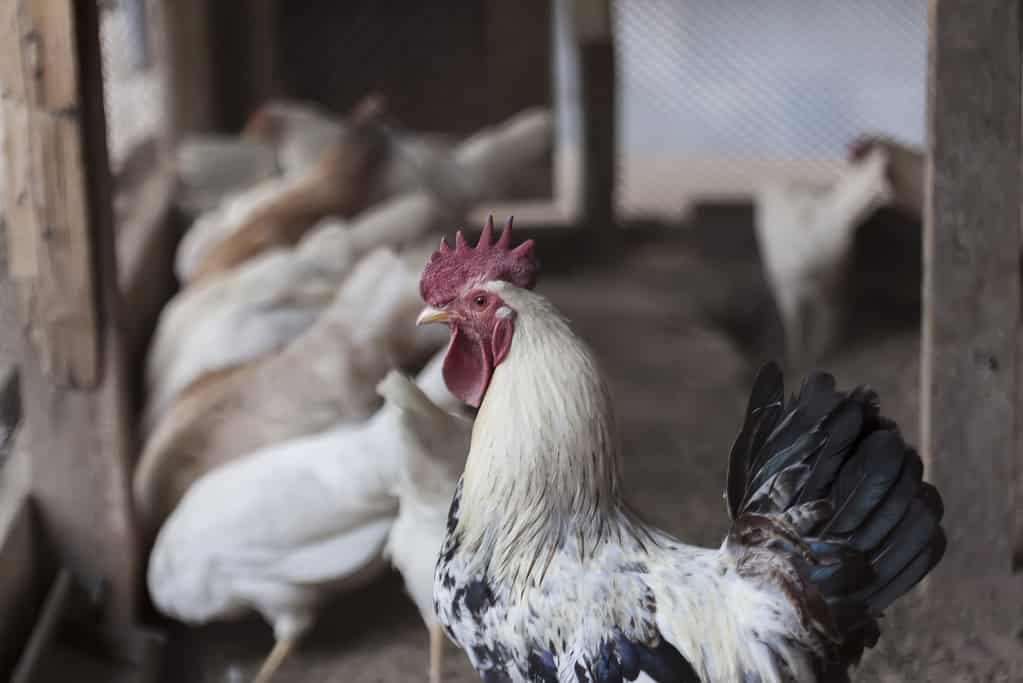
Cockfighting is sadly still legal in some South American nations, and spurs are a way to ensure victory.
©golibtolibov/iStock via Getty Images
Because sawfish are native to waters near places like the Florida Everglades and Ten Thousand Islands, it is easier for local dealers to conduct business with South America. Sawfish rostrums can be sold with minimal security checks, which poses a serious threat to this rapidly declining species. According to researchers, the results of this ongoing study are extremely concerning. The authors of the study have made a call to action, demanding more attention to a practice that could lead to the extinction of one of the ocean’s most vulnerable animals.