
Quick Take
- Wood-boring larvae can make up as much as 75% of some woodpeckers‘ diets.
- Woodpeckers hammer tree trunks in search of food, as well as to reach food.
- Both parents initially care for woodpecker chicks.
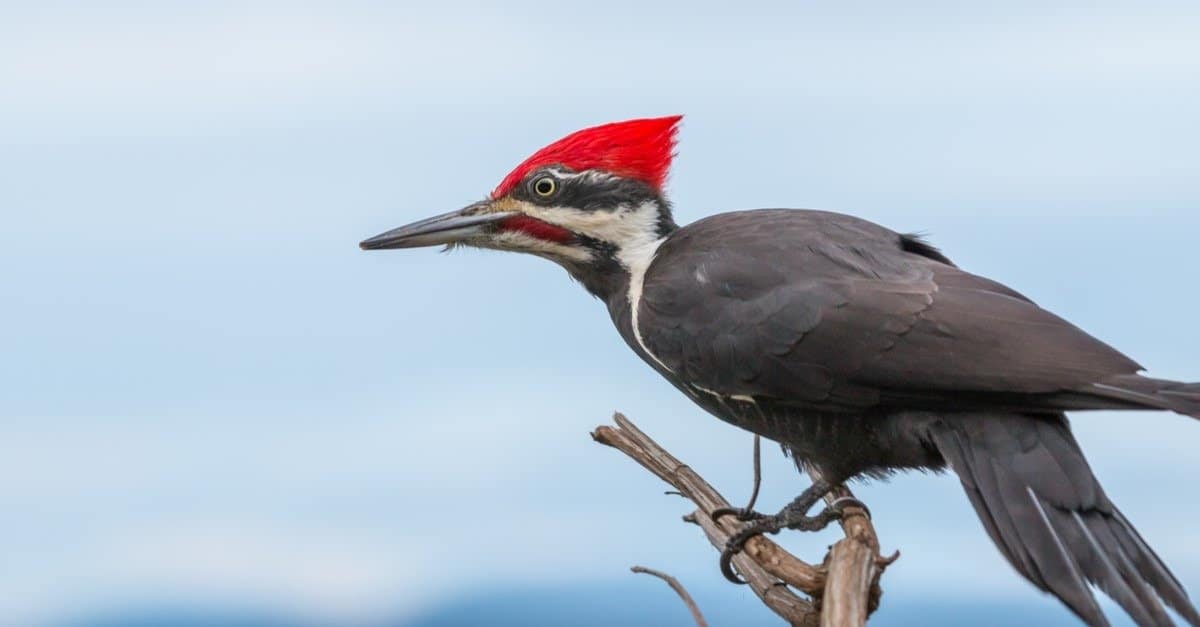
Woodpeckers are known for the immense amount of noise they make as they peck wood from trees in search of a meal or drum to attract a mate. These noisy birds live all over the world, except in Australia and New Guinea. Like many other birds, woodpeckers are swift and have keen senses that help them find food. However, their unique skulls and tongues provide the best insight into how they hunt and eat.
What Foods Do Woodpeckers Eat?
Woodpeckers eat insects, nuts, and fruit. They are omnivorous birds that like to feast on bugs that infest trees, using their special physiology to root them out. These birds can easily peck through tough shells to reach the seeds inside. They are not very picky either, eating a variety of different bugs and seeds.
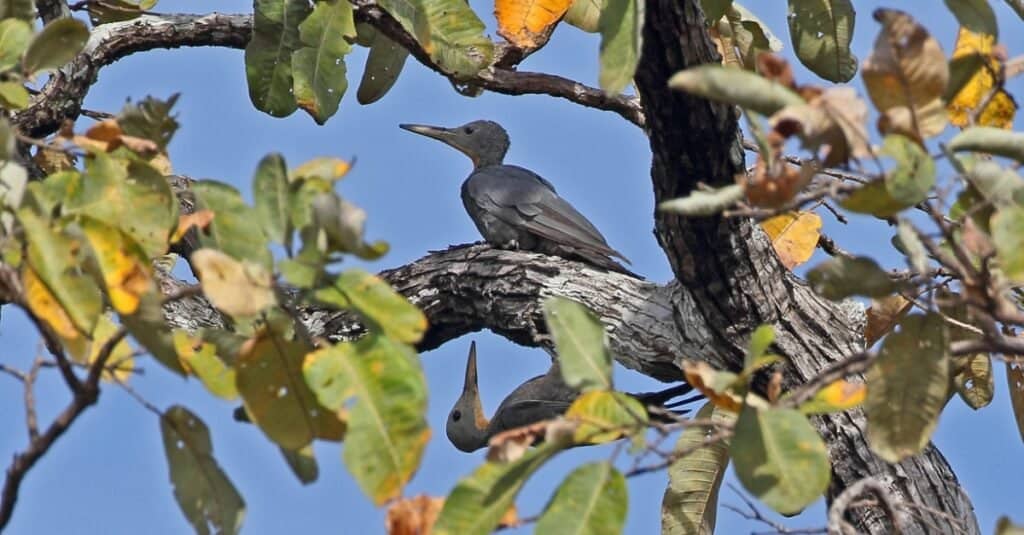
Woodpeckers eat insects, tree sap, seeds, and nuts.
©iStock.com/neil bowman
Some of the foods that woodpeckers eat are:
- Acorns
- Emerald ash borers
- Termites
- Ants
- Tree sap
- Wasps
- Pecans
- Corn
- Dog food
- Mice
- Small lizards
- Birds
- Bird eggs
- Crickets
- Beetles
- Oranges
- Grapes
- Apples
- Suet
- Peanuts
- Sunflower seeds
The woodpecker’s diet is varied, but the vast majority of their preferred foods are wood-boring insects, especially their larvae. Long-horned beetles and similar insects that live in trees and other wood can make up 75% of some woodpecker species’ diets.
Although they will eat fruits and nuts, they’ll also dine on the occasional bird egg, fledgling bird, or even a lizard. Perhaps the rarest meal a woodpecker will eat is meat from small rodents, like mice.
They’ll also consume carrion, meat from animals killed by other sources, but this is not their preferred food. They would rather eat insects and fruit. The woodpecker is an amazing forager, capable of finding a meal in just about any environment.
How Do Woodpeckers Hunt Their Food?
Woodpeckers have amazing physiology, especially when it comes to their beaks and skulls. Their bill is long and very strong, and has been described as chisel-like. The tip of their beak is powerful enough to dig through wood, break through shells, and pierce prey.
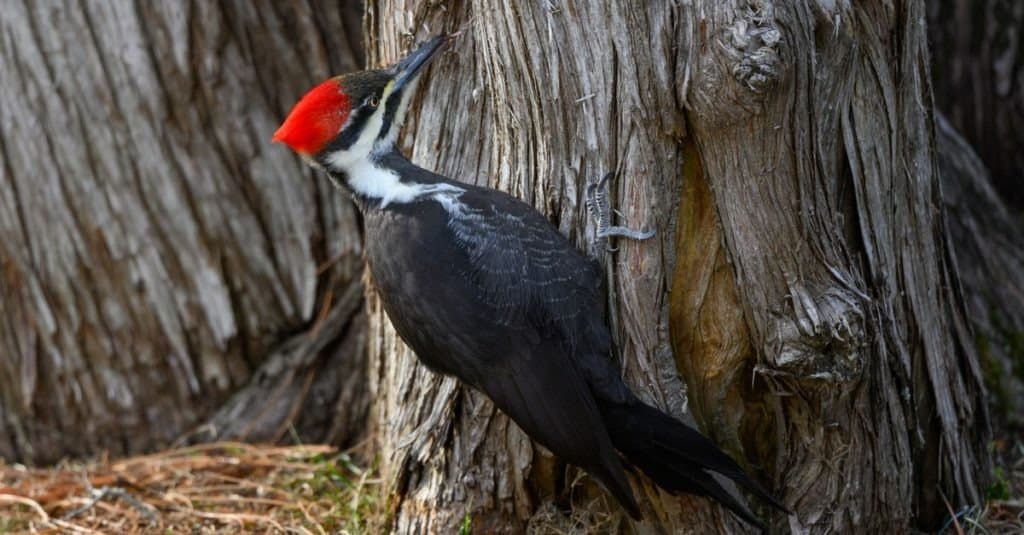
Woodpeckers hunt their food by using their beaks to break wood and find the insects below.
©FotoRequest/Shutterstock.com
Their skulls are also interesting because they are made from spongy bone that cushions the impact of striking their beak against trees. Along with powerful neck muscles, the woodpecker’s hyoid bones provide tremendous shock absorption so the bird can hammer into trees thousands of times per day.
When hunting for bugs, woodpeckers use their sense of smell to locate high concentrations of formic acid produced by their preferred prey. Next, they tap on portions of trees and listen for movement beneath the bark or within the wood. If they detect movement, they will bore into the wood with their powerful beaks and then insert their highly elastic, sticky tongues into the hole they’ve made.
They are very successful at finding and eating wood-boring insects this way. They can also catch some insects mid-flight.
Hungry woodpeckers will sometimes locate a nest with bird eggs or hatchlings and raid it, killing and eating the young. Woodpeckers are vicious and effective when attacking prey like mice, lizards, and fledglings.
What Do Baby Woodpeckers Eat?
Baby woodpeckers, called chicks, hatch after their eggs are incubated for up to two weeks. For the following 25-30 days, they are cared for by the parents. During the first two weeks, one parent will sit and brood the hatchlings while the other forages for food and then regurgitates it for the young. Insects are the most common food that woodpeckers will regurgitate for their chicks.
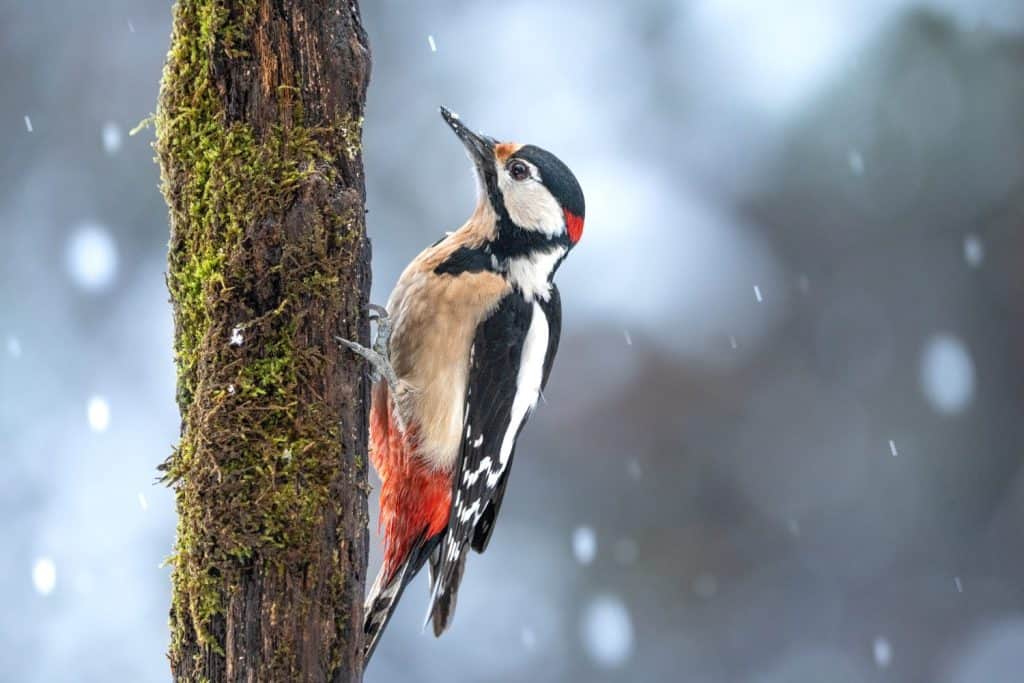
The spongy bones of a woodpecker’s skull tamp down vibrations.
©Dronenation/Shutterstock.com
Once the chicks have started to grow feathers, both parents will hunt for food and regurgitate it for the young or bring whole insects to them. Woodpecker chicks fledge (leave the nest) after about 30 days and are ready to leave their parents shortly thereafter.
What Do Woodpeckers Eat During Winter?
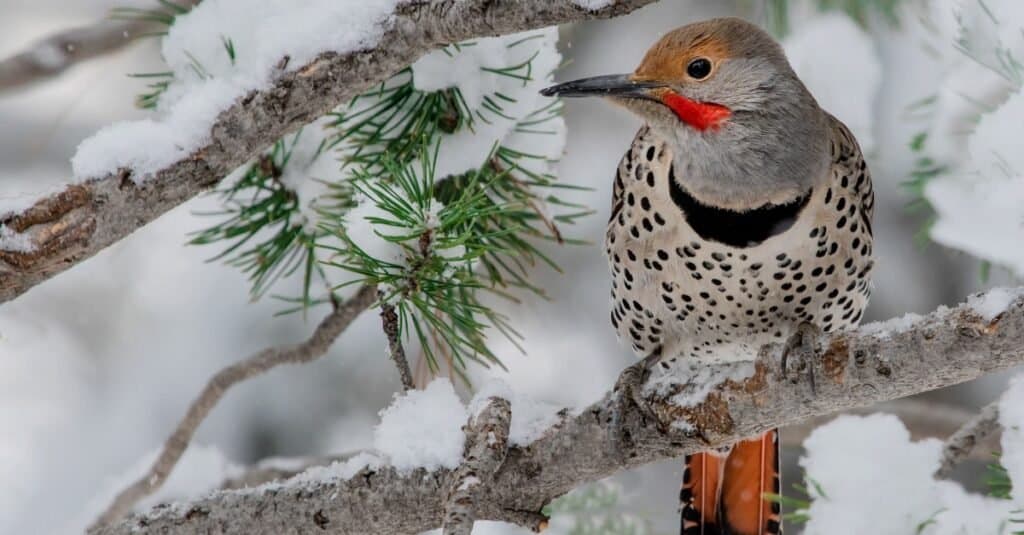
Woodpeckers rely on nuts, seeds, and residual fruit to get them through winter.
©iStock.com/DawnKey
The cold winter months impose hardships on many animals, including woodpeckers. Some species of woodpeckers migrate to warmer climates, but others stay near their breeding areas. One reason woodpeckers remain longer than other species is that they make hollows in trees for their nests, which shield them from the elements.
When the winter comes and insects are less available to them, woodpeckers eat the following foods:
- Fruits
- Seeds
- Nuts
Woodpeckers can easily crack open seeds that other birds leave behind, and they have been known to create stashes of food to help them during times of scarcity. Notably, the acorn woodpecker is known for hoarding acorns to survive the cold winter months.
What Predators Eat Woodpeckers?
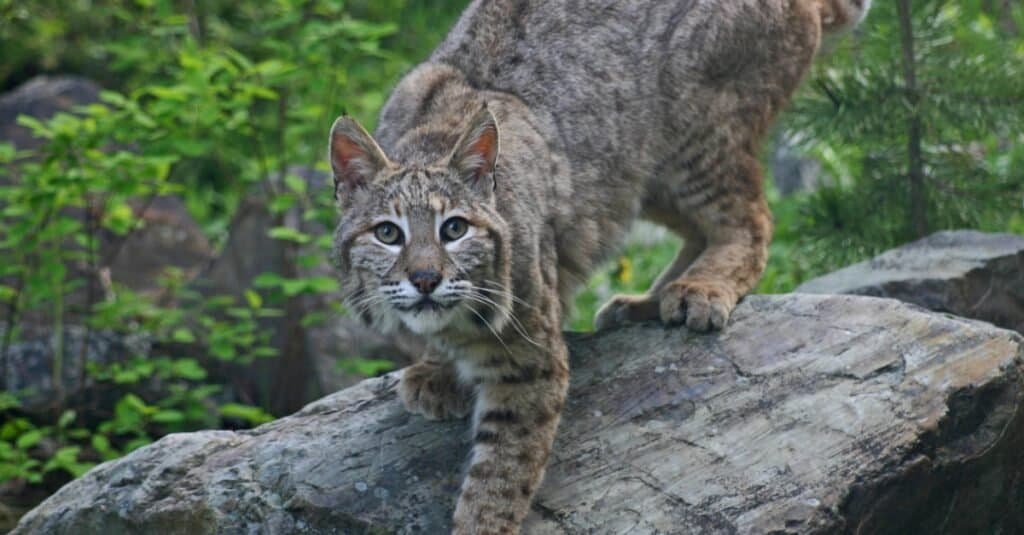
Bobcats can make short work of woodpeckers.
©iStock.com/Anita Elder Design
Some creatures that can track down woodpeckers, possibly by following their incessant drumming, include:
- Foxes
- Snakes
- Domestic cats
- Hawks
- Coyotes
- Eastern screech owls
- Grackles
- Bobcats
One notable absence on the list of woodpecker predators is human beings. Although many people would love to get rid of these birds, they are protected under the Federal Migratory Bird Treaty Act. Humans need a special permit to hunt them. However, putting out a few decoy hawks and owls can often reduce their numbers in a small area.
Woodpeckers are great at digging insects out of trees, finding bountiful deposits of sap, and scooping up the occasional bird egg for dinner. These birds are not hard to find due to their constant drumming and squawking, so it’s possible to watch them in action as they dig into trees. Their unique skulls and beaks set them apart from other birds of their size, making the woodpecker an interesting, albeit loud, creature.