
Quick Take
- Chihuahuas' biggest liability has nothing to do with their attitude. It's something hardwired into their biology that owners rarely anticipate. See their physical vulnerability →
- Their legendary loyalty comes with a hidden cost that can make daily life genuinely difficult. Explore the clinginess cost →
- Owning a Chihuahua is a longer commitment than most people realize, and the math behind it might surprise you. See the lifespan numbers →
- Their small size does not make training easier. In fact, it makes one specific part dramatically harder. See why housebreaking is harder →
Chihuahuas trace their roots back to ancient Mesoamerican civilizations. They are believed to be descendants of the Techichi, a small, mute companion dog kept by the Toltec and Aztec peoples. The breed gets its modern name from the Mexican state of Chihuahua, where they were rediscovered in the mid-1800s. The breed quickly captured the fascination of American tourists in Mexico in the late 19th century. The American Kennel Club (AKC) registered its first Chihuahua in 1904. Although Chihuahuas were once a perennial favorite and saw a surge in popularity in the early 21st century thanks to media exposure, their popularity has declined in recent years, perhaps because Chihuahuas can be a handful. Continue reading to discover why Chihuahuas are the most troublesome dogs.

Although they are great dogs, Chihuahuas aren’t everyone’s cup of tea.
©Lisa Chip/Shutterstock.com
Chihuahuas Require Training and Socialization
Chihuahuas are great dogs, but they might not be the best fit for your lifestyle. If you live alone, spend a lot of time outside of the house, or don’t want to train, exercise, or socialize a dog, then Chihuahuas aren’t for you. However, with a modicum of effort, you can have a long-lived snuggle buddy.

Proper socialization is important for every dog breed, no matter their size.
©iStock.com/PlatooStudio
Socializing and training a Chihuahua requires a gentle yet firm approach to build their confidence. Because their tiny size makes them easily frightened, owners must expose them early and gradually to people, animals, and varied environments to prevent fear-based aggression or excessive barking.
Chihuahuas are highly intelligent and eager to please, meaning they respond exceptionally well to positive reinforcement techniques like treats, praise, and play. Consistency is vital, however. Treat your Chihuahua as you would a larger breed by enforcing clear boundaries and discouraging behaviors like nipping or jumping up. This ensures they will grow into well-mannered, secure companions rather than anxious or overly protective pets.
They Need Exercise and Mental Enrichment
Chihuahuas need daily exercise and mental enrichment. Despite their small stature, Chihuahuas are energetic dogs that require roughly 20 to 30 minutes of daily exercise to stay healthy and mentally stimulated. This physical requirement is best split into two short, brisk walks combined with interactive indoor or outdoor playtime, such as fetching a small toy.
Because of their diminutive stature and short legs, they can easily overexert themselves or suffer from extreme heat or cold, so owners should monitor them for signs of fatigue like panting or slowing down. Providing this structured daily activity not only prevents obesity, which is common in small breeds, but also curbs unwanted, boredom-induced behaviors like digging, chewing, or excessive barking.
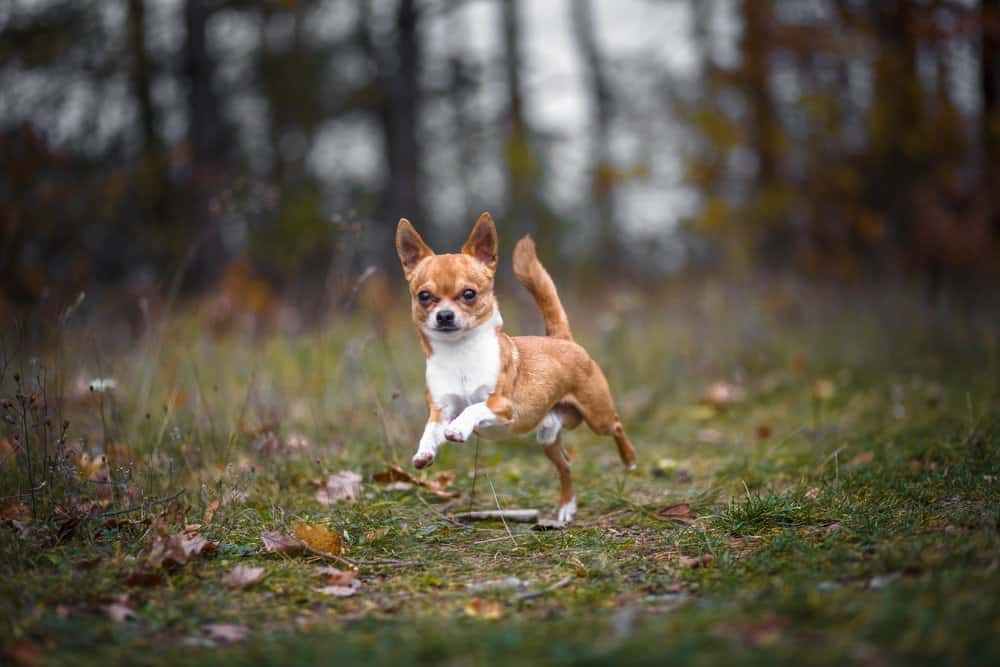
Chihuahuas can be active dogs, but they’re also quite adaptable to your lifestyle.
©Martyna Nysk/Shutterstock.com
A bored Chihuahua whose needs aren’t met might become destructive or bark excessively to give itself something to do, which is one of the more common complaints about the breed. Chihuahuas that do not get enough stimulation can also become anxious or depressed.
Chihuahuas are Tiny
Because of their fragile anatomy, Chihuahuas are highly vulnerable to physical trauma and suffer from frequent injuries caused by common activities. Their skeletal structure is exceptionally delicate, meaning a simple fall from a couch, bed, or an owner’s arms can easily fracture a bone or cause severe head trauma.
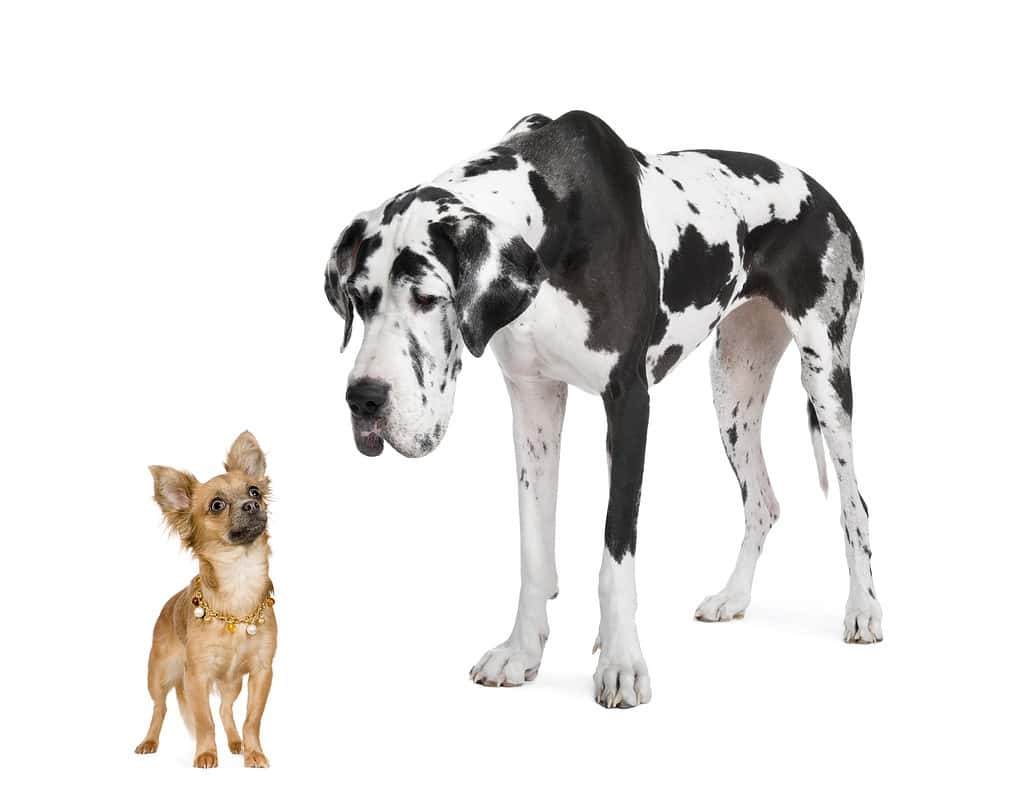
A Chihuahua’s small size means they can be hurt easily.
©Eric Isselée/iStock via Getty Images
They are also at high risk for crush injuries from being stepped on or sat on, eye scratches due to their large and prominent eyeballs, and collapsed tracheas if a standard neck collar is used instead of a harness. Because of their tiny stature, they may be injured during otherwise friendly play with larger household pets.
Make sure to treat your Chihuahua gently and always supervise interactions with children closely, as their small size makes them especially vulnerable.
They Get Cold Easily
The reason you see so many chihuahuas wearing sweaters is that they tend to shiver in the cold and don’t do well in chilly climates. Chihuahuas possess a severe biological intolerance to cold due to their small body mass and genetic origins in the hot, arid regions of Mexico.
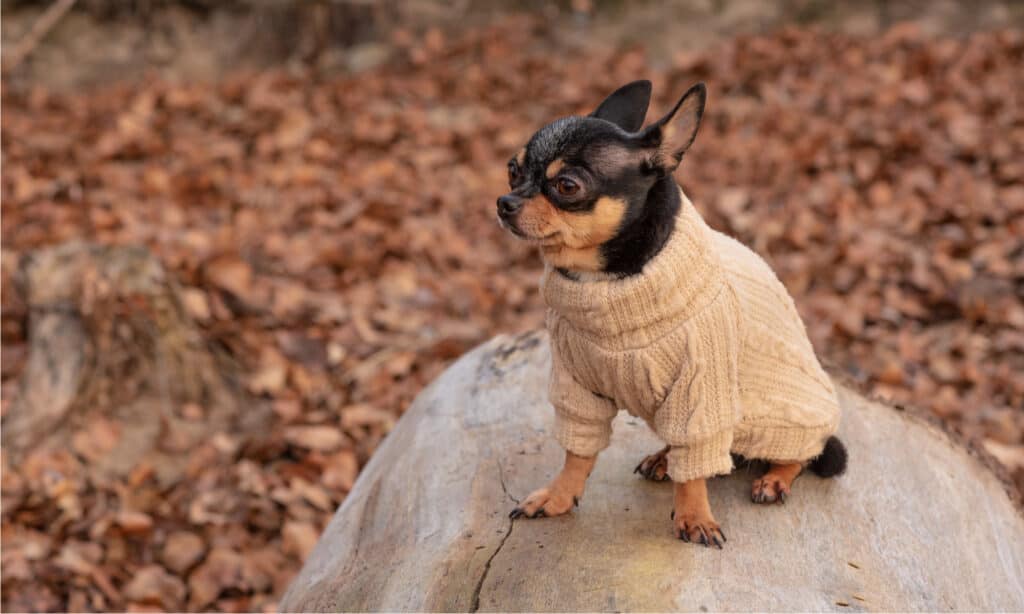
Chihuahuas aren’t suited to cold weather.
©Lesia Kapinosova/Shutterstock.com
Because they lack a thick, insulating undercoat and have very little body fat, they lose vital body heat almost immediately when exposed to low temperatures. Standing just inches off the ground places them directly in the path of freezing drafts, rain, and snow, making them highly susceptible to hypothermia and frostbite in subfreezing weather.
To compensate for this complete lack of natural insulation, they must rely heavily on human intervention, requiring winter sweaters, indoor draft protection, and plenty of blankets to burrow into to maintain a safe body temperature.
They’re Difficult to House Train
Housebreaking a Chihuahua can be difficult due to their tiny bladder, which holds very little and requires them to eliminate frequently throughout the day. Their intense aversion to cold, wet, or windy weather manifests in their refusal to go outside, choosing instead to relieve themselves indoors. A consistent routine and a firm stance are necessary for success.
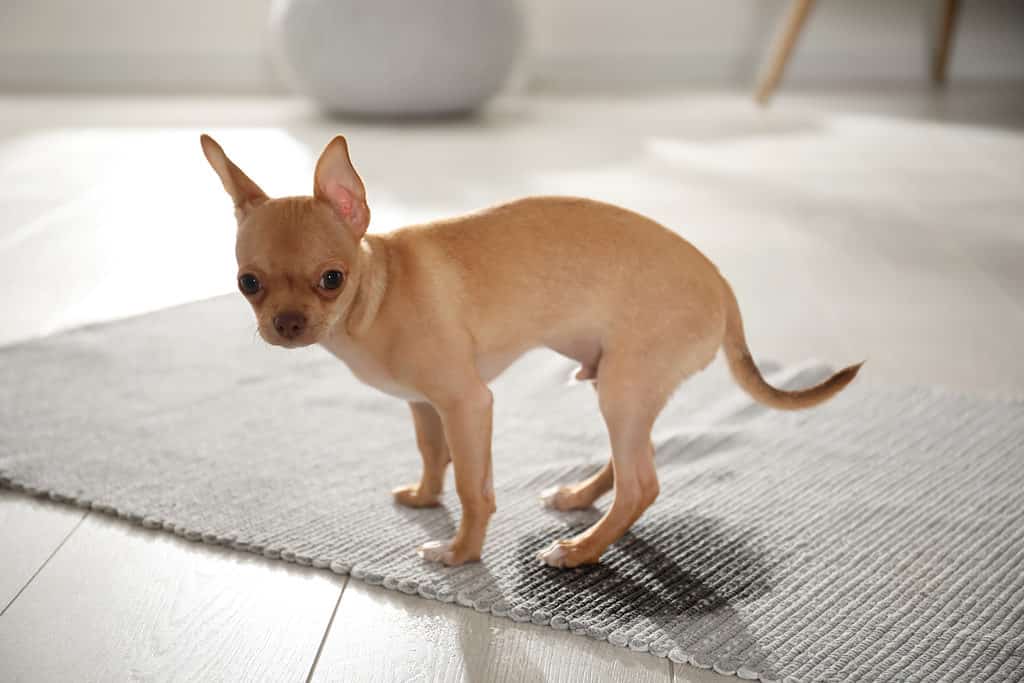
Chihuahuas often have a difficult time with house training.
©New Africa/Shutterstock.com
While it takes time and effort, take your Chihuahua outdoors at least once every couple of hours and after waking up in the morning, playing, eating, or drinking. Take them out last thing before bed as well.
Chihuahuas are Clingy
Chihuahuas have an intense, instinctual desire to remain physically attached to their chosen human companion at all times.
This extreme dependency stems from their history as cherished, warm-bodied lapdogs, which manifests today as a constant need to follow owners from room to room, burrow under their blankets, and occupy their laps. While this deep loyalty makes them incredibly affectionate and protective partners, it can easily cross over into severe separation anxiety, excessive barking, or territorial aggression toward outsiders if the dog is not properly socialized.
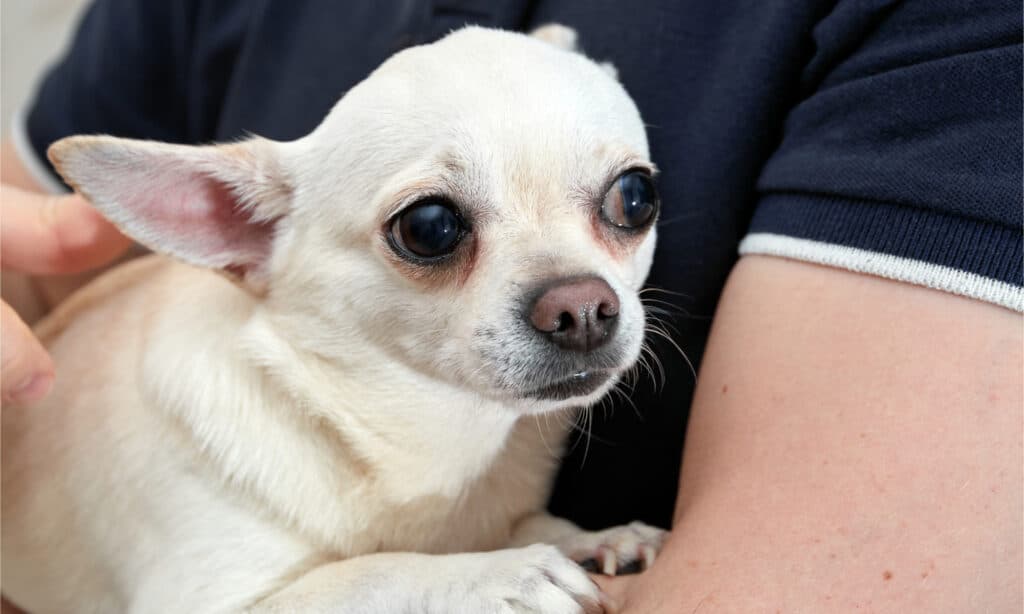
Because Chihuahuas love to shadow your every move, their tiny size also makes them a potential tripping hazard.
©Hanna Taniukevich/Shutterstock.com
If you spend a lot of time at home and like having a dog on your lap, Chihuahuas are a great breed. But for those who work full time outside of the home and don’t have family to care for their pups, Chihuahuas typically aren’t a good fit. They just don’t do well when left alone for long periods.
They Often Bark Excessively
Chihuahuas bark frequently because their tiny size makes them naturally hyper-vigilant and highly defensive of their territory and owners. Since they cannot rely on physical size to deter potential threats, they use their sharp, high-pitched bark as an alarm system to warn outsiders to stay away and to alert their humans to any changes in their environment.
Their attachment to their owners means they often bark due to separation anxiety when left alone, or to demand food, attention, or a spot on your lap. Because they are easily startled by sudden noises or large animals, much of their barking is rooted in fear. This can quickly become a compulsive habit if they do not receive proper socialization and mental stimulation to curb their boredom.
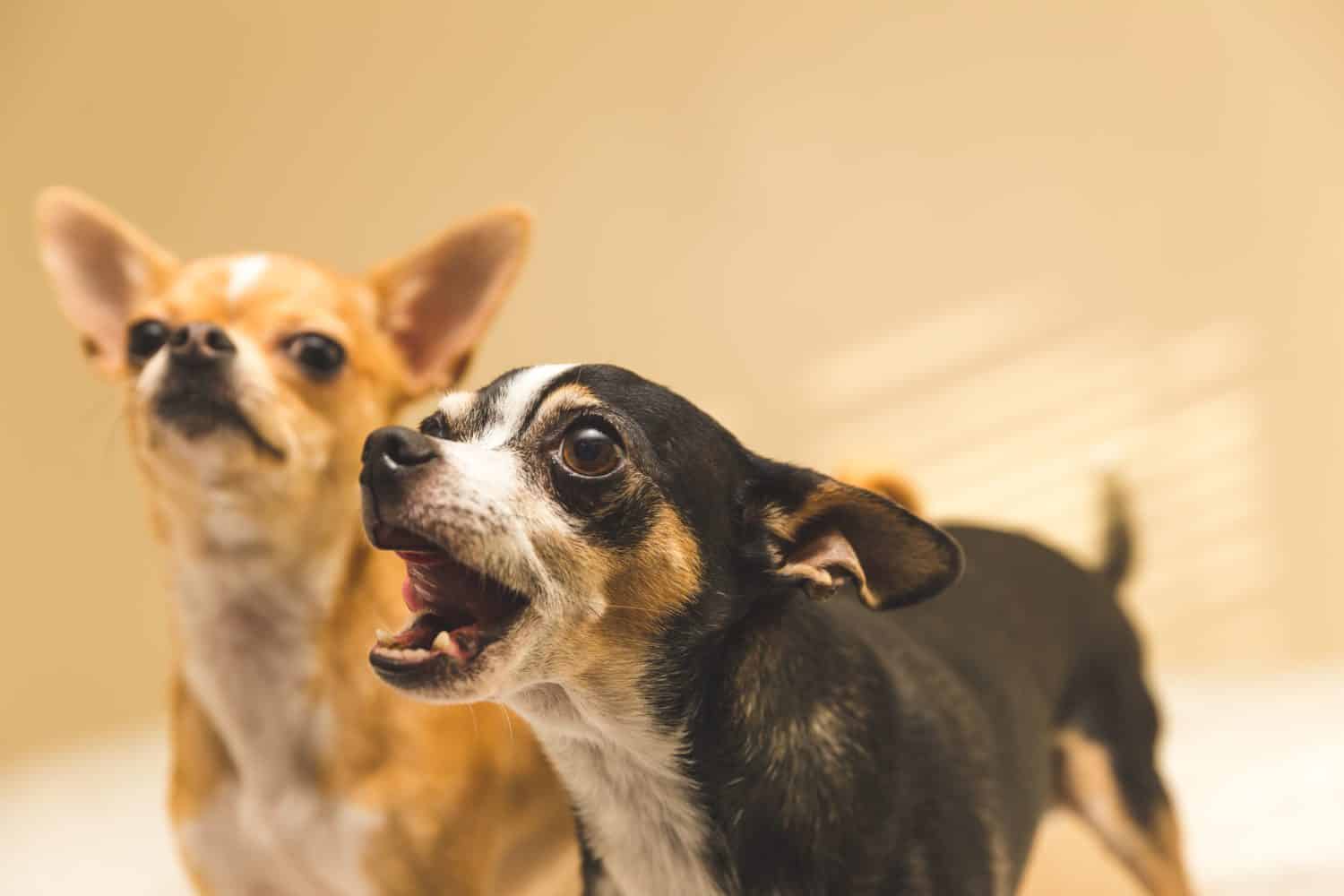
Excessive barking is common in Chihuahuas. If you dislike yappy little dogs, Chihuahuas aren’t for you.
©The Adaptive/Shutterstock.com
They’re a Long Commitment
Many Chihuahua owners and even veterinarians will joke that they live forever! This is a great thing for many pet parents, who love their dogs immensely and never want to be apart.

Some Chihuahuas live into their twenties, so they’re a big commitment.
©Amam ka/Shutterstock.com
However, this does mean that Chihuahuas require a longer commitment than many other dogs.
The average Chihuahua lives 14-16 years, and some live to be over 20 years old. When adopting, it’s something to think about.
Chihuahuas are Prone to Health Issues
Although they are often long-lived, Chihuahuas are prone to a variety of health problems. Chihuahuas are genetically predisposed to several significant health issues, many of which are directly linked to their miniature skeletal structure and anatomy.
Due to their tiny leg bones, they are exceptionally prone to luxating patellas, a painful condition where the kneecap frequently slips out of its natural groove. They also commonly suffer from tracheal collapse, where the cartilage rings of the windpipe weaken and flatten, causing a chronic, honking cough.

Chihuahuas are prone to some health problems, including dental disease and epilepsy.
©OLESYA BOLTENKOVA/Shutterstock.com
Neurologically, because of their round, domed skulls, the breed is susceptible to idiopathic epilepsy (unexplained seizures). Furthermore, their small mouths crowd their teeth together, leading to rapid plaque buildup and severe, early-onset periodontal disease, while their delicate hearts are uniquely vulnerable to mitral valve disease as they age.