
Quick Take
- Catastrophic fires wiped out nearly all habitat for a species barely anyone had recorded, and yet something found in the ashes upended every assumption researchers had made. The survivor in the ashes →
- The nest boxes built to rescue a critically rare marsupial ended up making its situation worse, though the culprit responsible was not a predator. How the boxes backfired →
- Shrinking a hole by one millimeter fixed one problem and instantly exposed a far more dangerous one. The one-millimeter fix →
- Wildlife interventions designed to help one species can quietly harm it in ways that take years to detect. This project found one of those traps early. The broader warning for wildlife work →
For pygmy-possums, life on Australia’s Kangaroo Island was always quite nice. So nice that two different species of pygmy possum – the common western pygmy-possum and the rarer and much smaller little pygmy-possum – call the island home. The little pygmy-possum weighs just around one-quarter of an ounce.
Part of the island’s appeal was the abundance of hollowed-out tree trunks available where these small arboreal marsupials could make their homes. But their numbers were small. There were only 113 formal recordings of the little pygmy-possum on Kangaroo Island before a devastating event nearly wiped the species out.
The Fires That Changed Everything
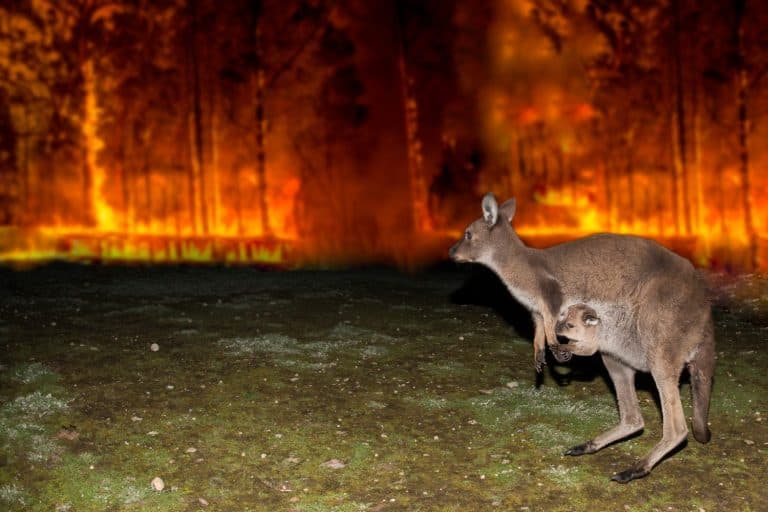
The 2019-2020 Black Summer bushfires devastated Kangaroo Island. The fires swept across the island and raged for six weeks. They were some of the most destructive in Australia’s recorded history. When the fires were finally extinguished, it was estimated that up to 88 percent of the little pygmy-possums’ habitat on the island had been wiped out.
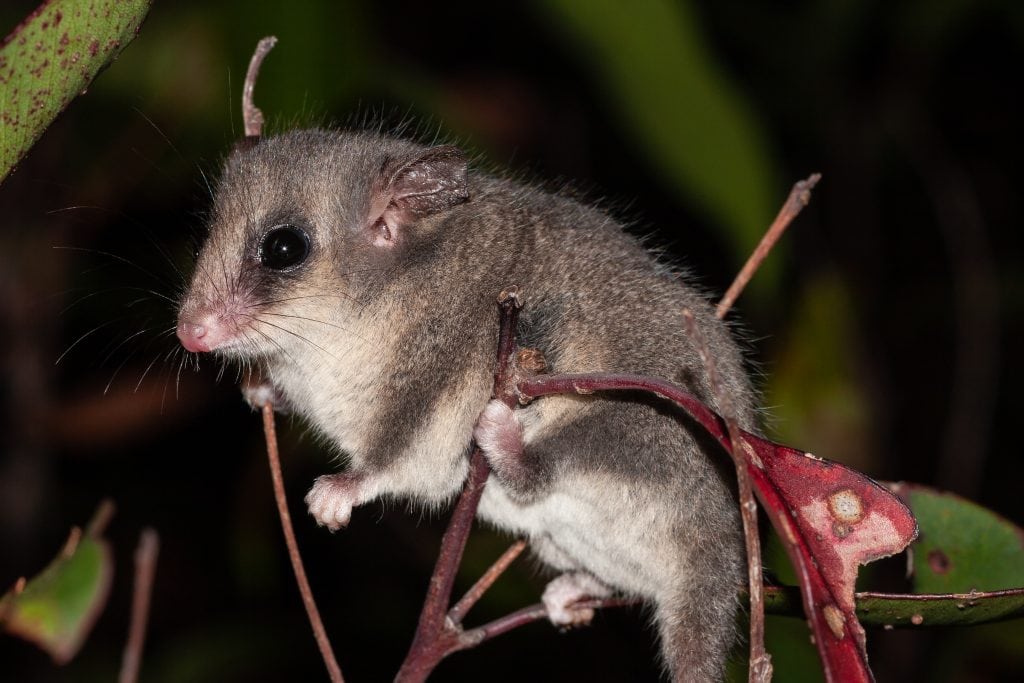
Pygmy possums spend much of their time climbing in bushes.
©Ken Griffiths/Shutterstock.com
Most conservationists believed the species had been eliminated altogether. However, in the post-fire barren landscape, the conservation group Kangaroo Island Land for Wildlife made a surprising discovery. During a post-fire survey, the conservation group collected nearly 200 living animals from the ashes – one of them was a little pygmy-possum. Somehow, the tiny species had survived the fires.
The Discovery Was Just the Beginning
Finding the single little pygmy-possum was a great start, and researchers suspected there were at least a few more they hadn’t found. But the fires had wiped out the trees both species of pygmy-possums rely on for shelter.
Researchers at Adelaide University and Kangaroo Island Research Station had an idea. They believed nest boxes could be a reasonable solution to help Kangaroo Island’s surviving pygmy-possums rebuild their populations. The team launched the Kangaroo Island Nest Box Project and made it a community initiative.
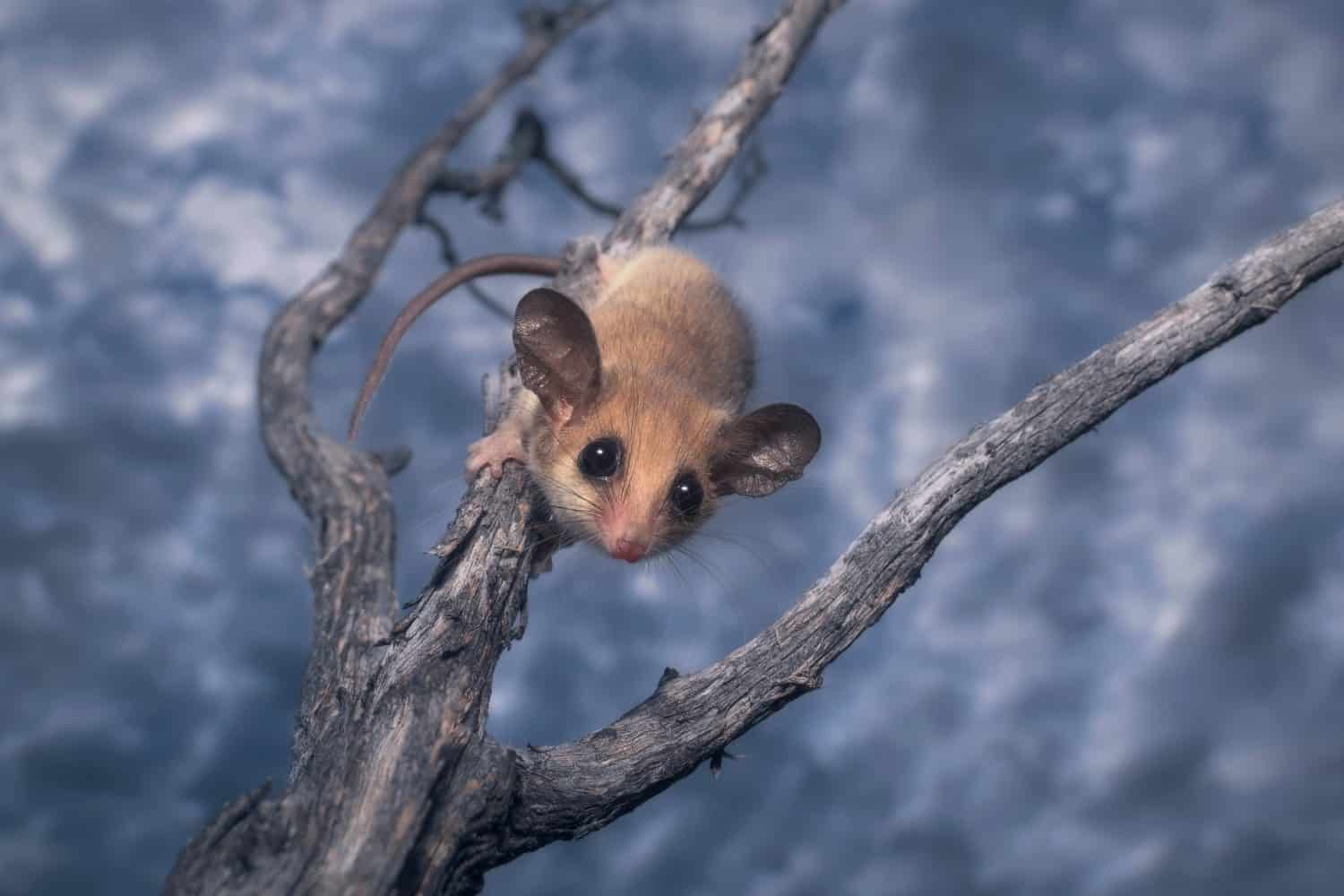
The common western pygmy-possum is a direct competitor for nesting boxes built for little pygmy-possums.
©Kristian Bell/Shutterstock.com
Lead researcher Sophie Petit, an Associate Professor at Adelaide University’s School of Biological Sciences, said in a press release announcing the project, “The Nest Box Project was set up to determine scientifically the role of nest boxes in bush fire recovery after the Black Summer Bushfires, with the help of the community.”
Volunteers from the Kangaroo Island Dance School and other community members volunteered to build and monitor 413 pygmy-possum nest boxes. Each box had a circular entrance, either 20 mm or 16 mm in diameter. Once the boxes were installed, one problem became apparent. While the boxes were intended to help the little pygmy-possum population, the larger common pygmy-possums were actually moving in, regardless of entrance size. The little pygmy-possums were literally left out in the cold.
It turns out that the original boxes easily allowed the larger pygmy-possum species to enter. While this species was also affected by the fires, it was not at risk of extinction. The smaller pygmy-possums were the ones in need of assistance.
The Solution Required a Tiny Change
To solve the problem of the larger pygmy-possum squatters, the project team came up with a plan. They would make the box openings smaller. The researchers experimented with new nest boxes featuring entrances that were 15 mm wide – just one millimeter smaller than before. The test boxes were placed in a part of Kangaroo Island where little pygmy-possums had been spotted. When researchers later checked the 15 mm opening boxes, they discovered that only little pygmy-possums had moved in.
“The findings mean that technically it may be possible to exclude western pygmy-possums to benefit little pygmy-possums using boxes with entrances just one millimeter smaller,” Petit said in the press release. “But more research is needed with larger sample sizes, which is always difficult to achieve when one works with rare species.”
She also noted that researchers are unsure whether little pygmy-possums can successfully reproduce in boxes with smaller openings, or if these tiny marsupials can coexist with other species that may also use the boxes.
The Threat From Other Species
One such species is the Kangaroo Island dunnart, a carnivorous marsupial that is both larger and fiercer than the little pygmy-possum. The species was also hit hard by the fires. Petit and her team previously conducted research using nest boxes with 20 mm openings, designed for pygmy-possums, and found the dunnarts were quite happy to use them.
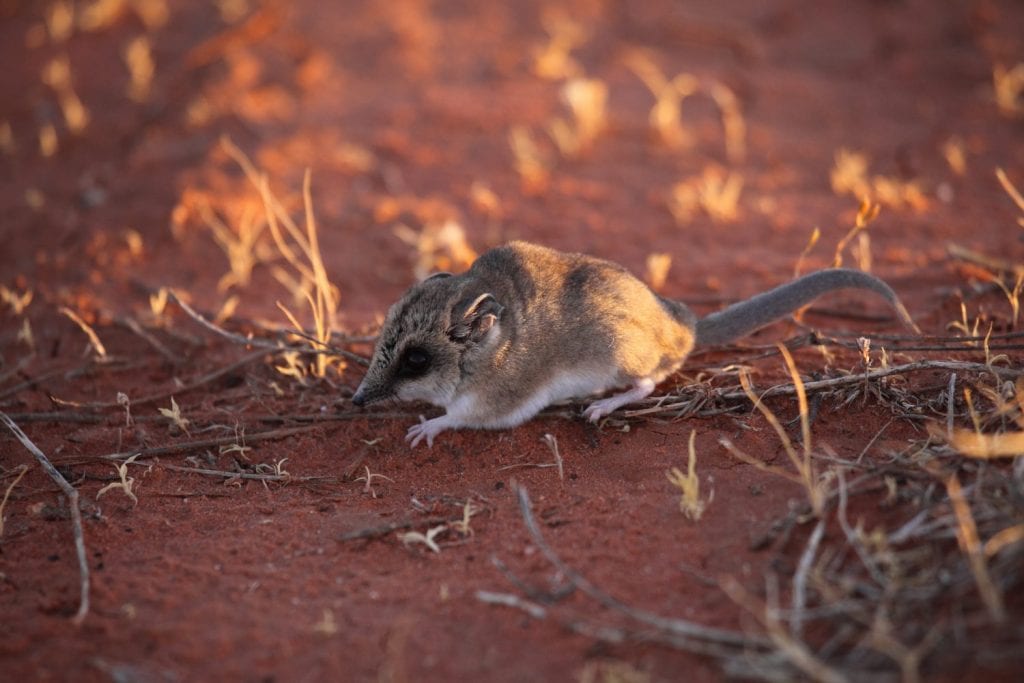
The dunnart is a direct competitor to pygmy-possums when it comes to nest boxes.
©Chris Watson/Shutterstock.com
“An encounter between dunnarts and pygmy-possums could create fireworks, and the dunnarts would probably be the ones enjoying them,” study co-author Peter Hammond from Kangaroo Island Research Station said in the press release.
Other Implications
The potential conflict demonstrates the need for wildlife interventions to be carefully tested before full deployment. This is especially true if solutions benefit one species at the expense of another.
“Any wildlife intervention can have risks. In this case, a difference of one millimeter for a nest box entrance hole was significant for small animals,” Petit said in the press release. “The role of nest boxes must be examined scientifically. They can have implications for genetic selection if breeding sites are limiting, conservation ecological research, and animal welfare.”