
As a cat owner, you want what’s best for your feline friend. This means ensuring your pet is getting the proper nutrition and hydration needed to thrive. If you’ve ever noticed your cawt isn’t drinking, you might fear it will reach a point of dehydration.
Here are some common reasons your cat might refuse to drink water, as well as tips for hydration.
Possible Reasons Your Cat Won’t Drink Water
Here are some common reasons your cat won’t drink water.

Many cats will avoid their water bowl if it’s located in a loud or chaotic part of the home.
©iStock.com/Lightspruch
1. Your Cat’s Water Bowl Is Dirty
If your cat’s water bowl is dirty, they might not want to drink from it. Any dirt, dust, hair, or pieces of food in the water will likely turn your cat off from wanting to take a sip. If you’ve noticed your cat hasn’t been drinking recently, consider increasing the frequency of bowl cleaning and water changing, always ensuring your cat has a fresh and clean bowl available.
2. Your Cat Doesn’t Like the Location of Its Water Bowl
Another reason your cat might not be drinking as much water is that the water bowl is placed in an area that causes stress or anxiety for your feline friend. For example, if you place your cat’s water bowl near a loud washing machine or a busy area of your home, they might not want to go to that area as frequently, decreasing the frequency of drinking. Make sure you place your cat’s water bowl in a convenient and quiet area to encourage frequent hydration.
3. Your Cat Is Experiencing Digestive Distress
Some digestive issues, such as pancreatitis, inflammatory bowel diseases, gastroenteritis, nausea and vomiting, and diarrhea, can make your cat drink less water than it usually would. Think about when you feel sick to your stomach: odds are, you don’t want to eat or drink as much when you are in pain or uncomfortable. The same goes for your feline loved one.
4. Your Cat Is Stressed or Anxious
If your cat is experiencing anxiety or is under a lot of stress, it might not want to drink as much water. For example, if you recently adopted your cat from a shelter or moved to a new home with your feline pal, they may resist drinking and eating as they adjust to their new environment. High-stress situations often cause a disturbance in cats’ eating and drinking habits.
5. Your Cat Is Already Hydrated
Another overlooked reason why your cat might not be drinking is that it’s already hydrated. Cats don’t need as much water intake as other animals such as dogs. Additionally, they often can get decent hydration from wet food. Even just drinking a small amount of water per day is likely enough to hydrate your cat. Of course, you want to talk to a professional to ensure your cat is meeting its hydration needs; but even if they don’t seem to be drinking too much, they might still be getting enough water.
Tips for Cat Hydration
Looking to increase your cat’s hydration? Here are some actionable tips.
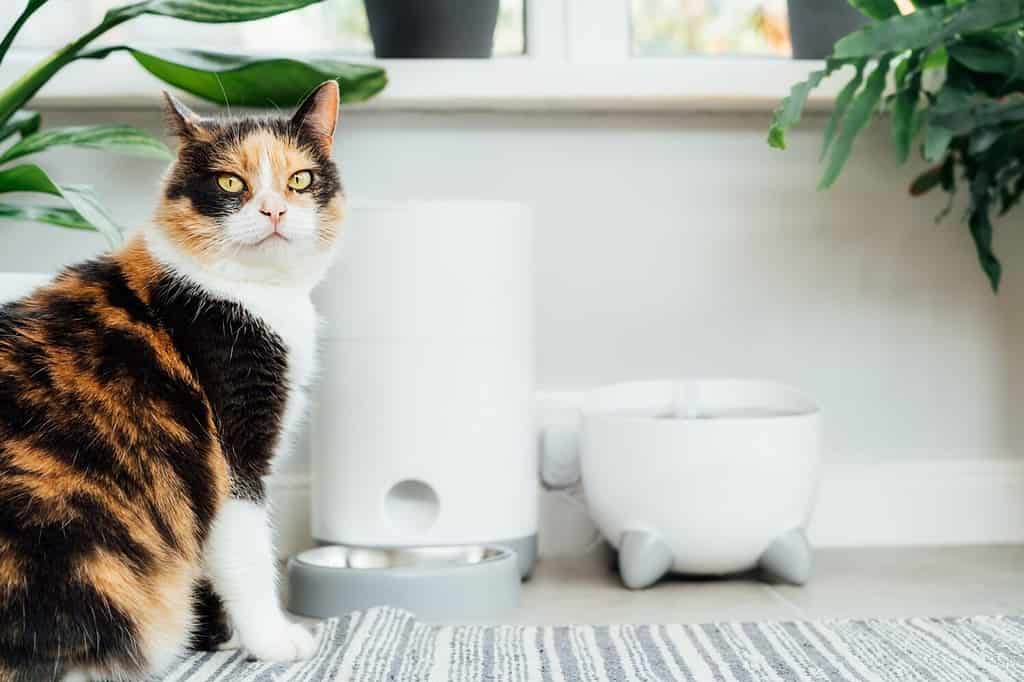
Cats often prefer moving water from a fountain than standing water from a bowl.
©Okrasiuk/Shutterstock.com
Provide a Clean and Fresh Bowl of Water
As mentioned earlier, cats prefer fresh and clean water. To ensure your cat wants to drink from its bowl, clean it at least once a day and change the water even more frequently than that. If you ever notice any food or debris in the water, immediately change it so your cat has a fresh source available.
Place the Water Bowl in a Quiet and Convenient Location
When deciding where to put your cat’s water bowl, choose an area of your home that is convenient and quiet. This will encourage your cat to drink more water as it won’t feel overwhelmed by any external noises or activities.
Use a Cat Water Fountain
Another great option to encourage your cat to hydrate is purchasing a cat water fountain. In the wild, cats often drink running water. A lot of domestic cats instinctively look to water sources such as a faucet rather than drinking standing water from a bowl. A cat water fountain might just be a game-changer for your cat’s hydration
Offer Wet Food for Hydration
If your cat doesn’t seem to drink as much water as you’d like it to, you can try other sources of hydration for your feline loved one. Wet food typically contains enough water to provide your cat with the necessary hydration. Be sure to explore protein-rich options so your cat is receiving the best nutrition possible.
Cat Won’t Drink? Recognize Signs of Dehydration
If your cat still won’t drink after you follow the above advice, you’ll want to seek medical attention for your precious pet. Be on the lookout for signs of dehydration such as:
- Skin elasticity
- Dry mouth/gums
- Panting
- Constipation
- Excessive vomiting and diarrhea
- Sunken eyes
On average, your cat should drink around one cup of water per day for every 10 pounds of body weight.