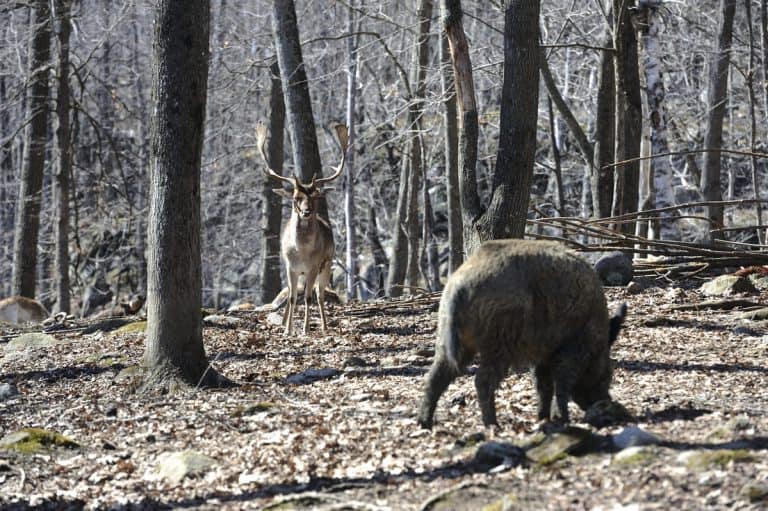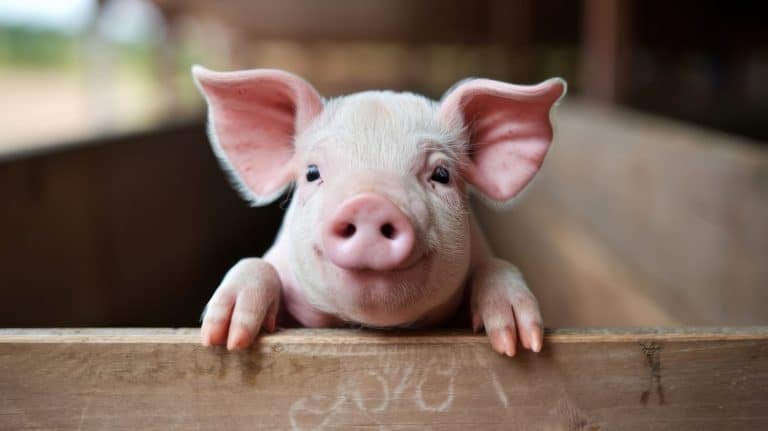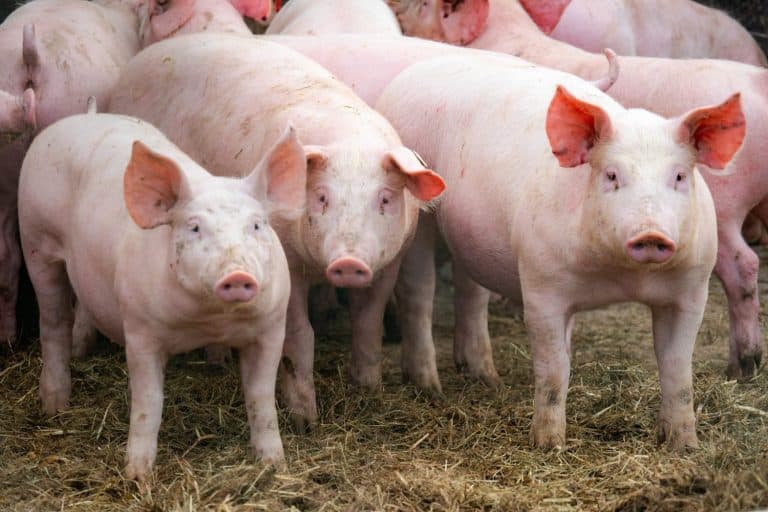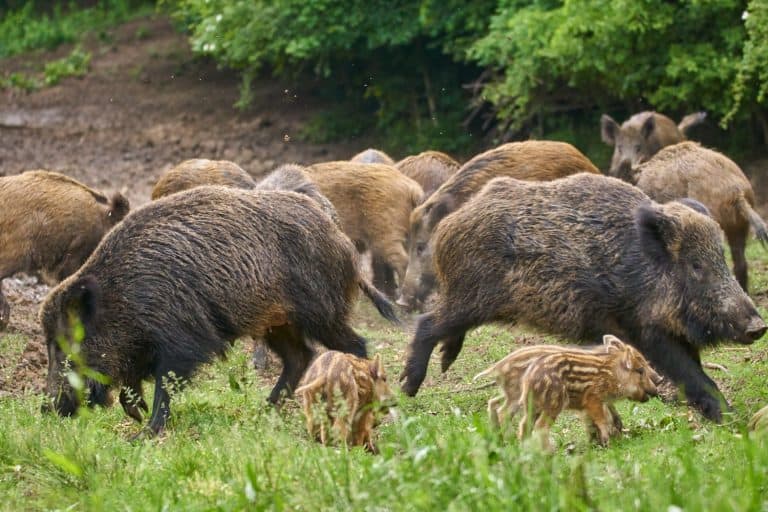

Invading wild pigs are non-native species that have a negative impact on local wildlife and plant life in North America. Early explorers like Hernando de Soto brought domestic pigs from Europe to the United States in the early 1500s.
Now, these destructive creatures can be found all over the country. For example, there are around 2,000 wild hogs in Ohio alone! Residents have made complaints about their lawns being torn to shreds and fear for their domesticated animals when they’re playing outdoors.
Let’s talk about everything there is to know about these creatures, along with how and why they’re terrorizing residents in 13 of the 88 counties in Ohio.
Identifying Feral Swine
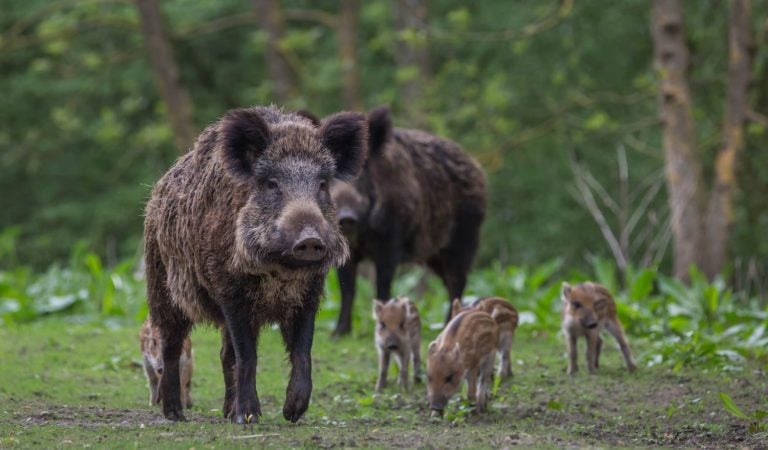
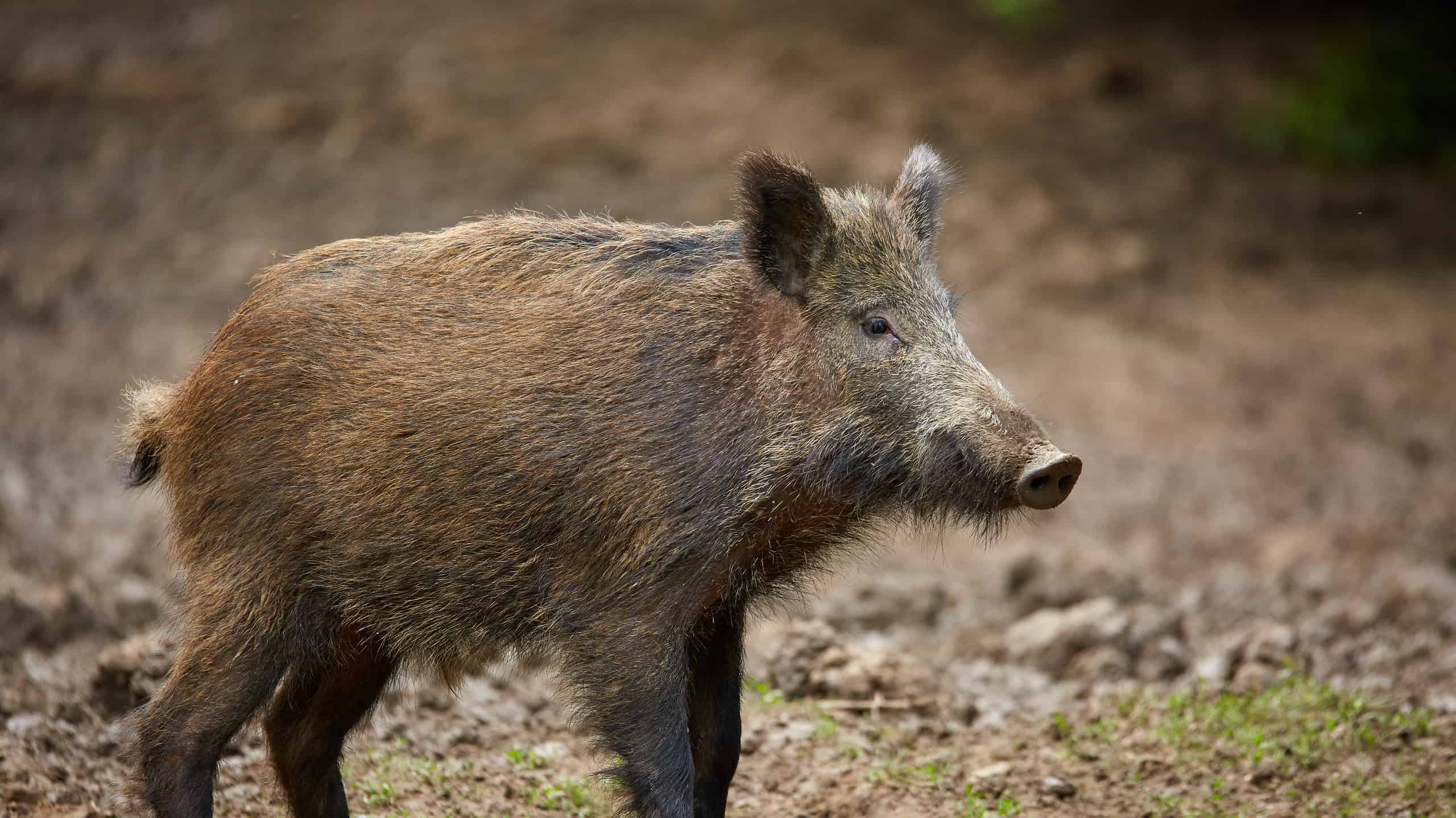
The look of feral swine can vary widely. Strongly Eurasian-influenced piglets have unique striping from the snout to the tail that fades as they become older. Depending on the effect of ancestors, mature individuals’ sizes can differ substantially.
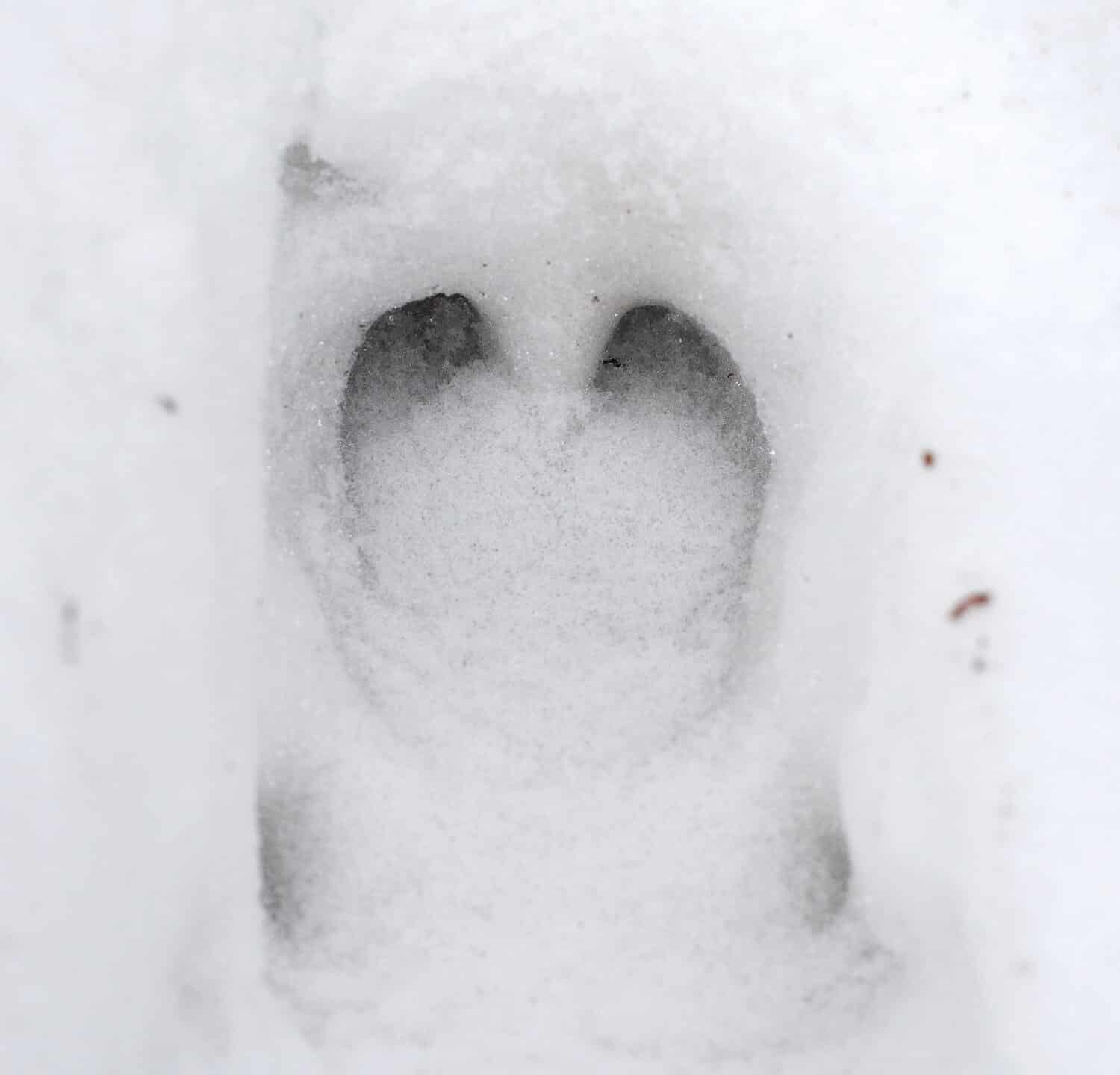
Wild boar tracks are easier to identify in the snow.
©milart/Shutterstock.com
Adult weights in Ohio range from 125 to 200 pounds. Although bigger individuals do exist, in Ohio, they are seldom beyond 350 pounds.
As tracks go, white-tailed deer tracks resemble those of wild pigs, although hog tracks have broader dew claws and more curved toes.
Wild Hog Distribution in Ohio
The area of southeast Ohio that is unglaciated has the highest number of verified communities of these destructive creatures. The following counties have reported breeding colonies of feral pigs:
- Adams
- Athens
- Champaign
- Gallia
- Hocking
- Jackson
- Lawrence
- Scioto
- Vinton
In Ohio, efforts to eradicate small, emerging populations have been quite effective.
With the establishment of the USDA APHIS National Feral Swine Damage Management program in 2014, Ohio’s eradication efforts expanded.
From concentrating on urgent situations, efforts shifted to controlling feral pig populations in developed areas. With nascent or existing breeding populations, both counties are still the target of current extermination operations.
Damage from Wild Hogs
Feral hogs are estimated by the University of Georgia to cause $2 billion to $2.5 billion in damage annually by digging up to two feet deep in search of food, causing crop fields, grass, and woodlands to resemble irregularly plowed fields. Furthermore, wild hogs can transmit infections to other animals, including deer and domesticated animals.
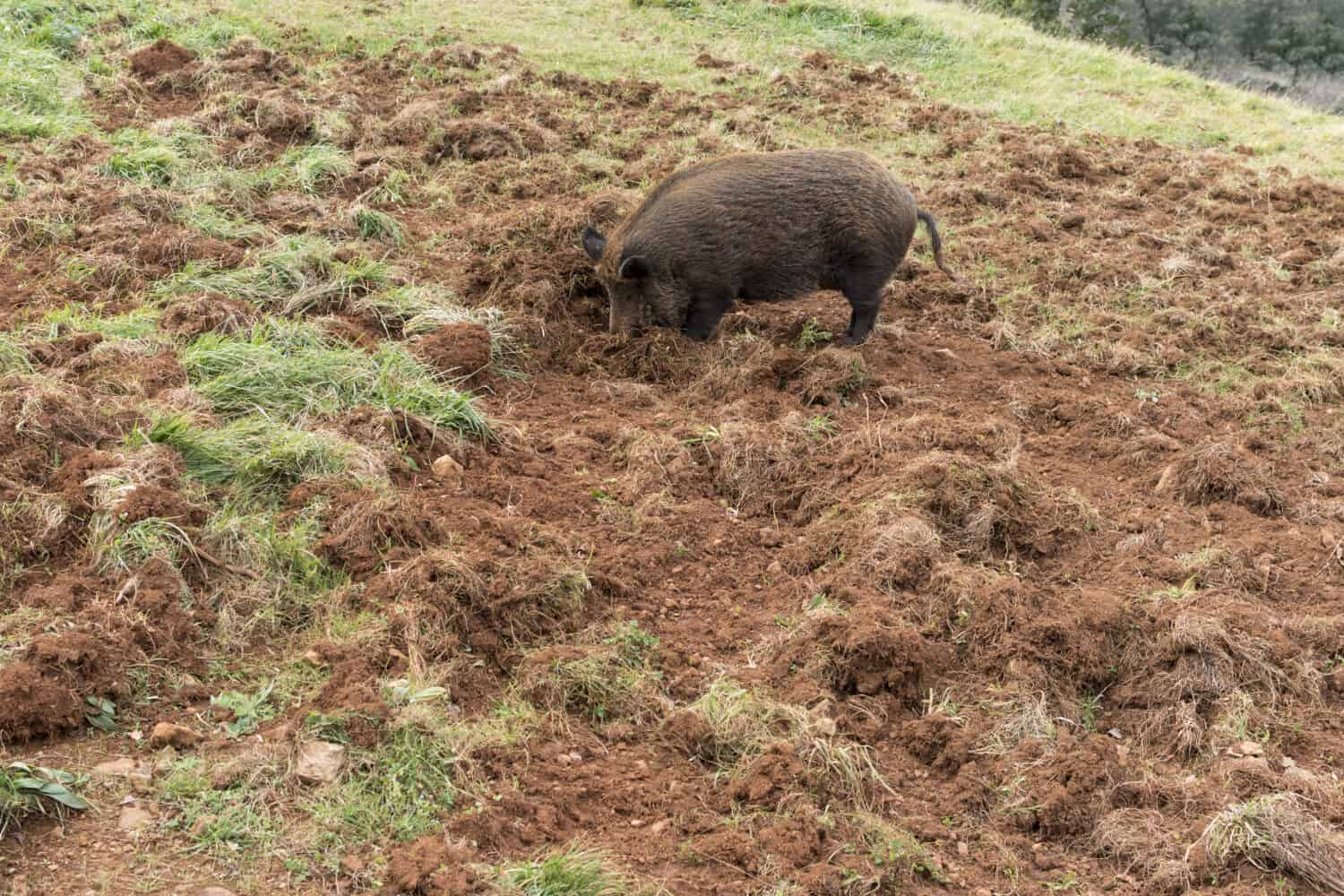
Feral swine destroy lawns in neighborhoods all around Ohio.
©ENRIQUE ALAEZ PEREZ/Shutterstock.com
Can You Hunt Wild Hogs in Ohio?
While Ohio hunters are urged to report any feral pigs they come across to help stop the spread of swine populations, hunting often has minimal impact on lowering wild hog populations. Trapping them is a humane alternative to hunting these creatures.
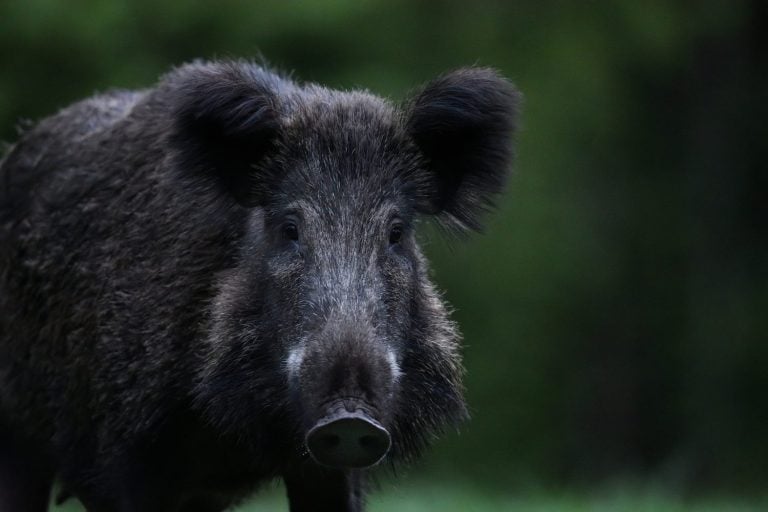
The majority of the time, wild pigs are nocturnal, sleeping in thick vegetation or lazing around in mud holes during the day and hunting at night. Anybody with a current Ohio hunting license or homeowners on their own properties may legally hunt these bothersome animals at any time of the year.
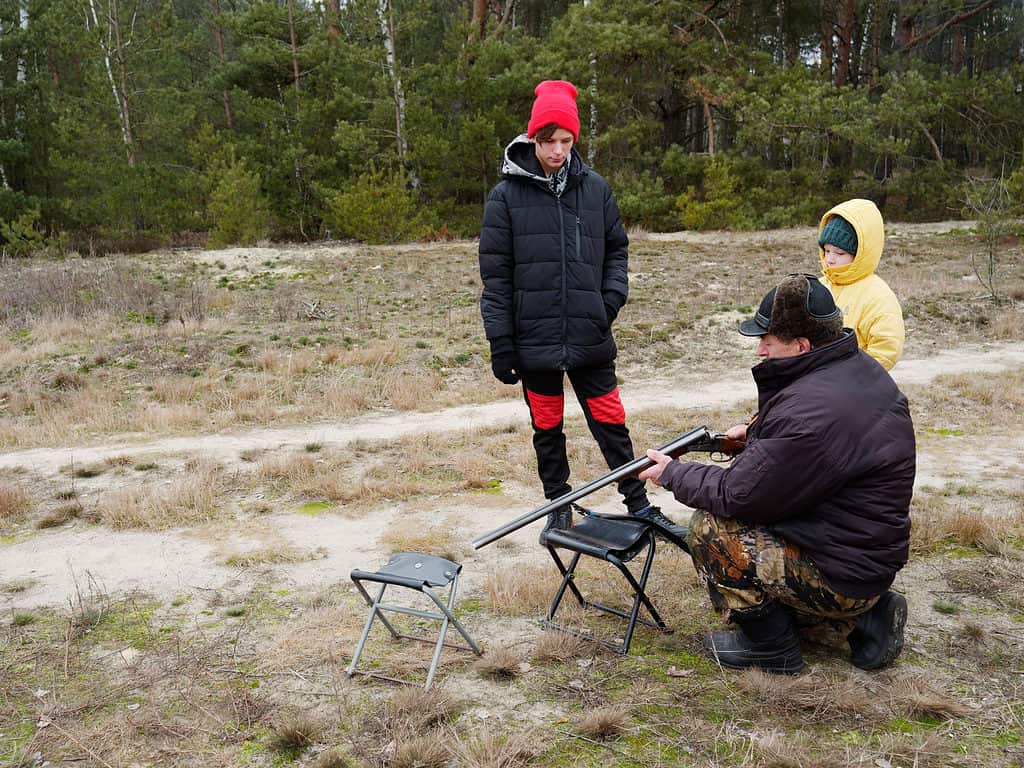
You can legally hunt wild hogs in Ohio.
©makalex69/Shutterstock.com
A current Ohio deer permit is necessary to harvest feral pigs throughout the deer gun and statewide muzzleloader seasons. Hunters should only use weapons that are allowed to be used during that particular season. Like any wild game, feral pigs can be eaten.
It is advised to employ correct field dressing methods and properly cook the meat to 165°F to remove pathogens and parasites, due to potential infections and parasites.
Signs of Wild Pigs
Being a highly migratory species, wild pigs frequently relocate to new locations within their environment. They typically leave behind observable traces as they move about. The harm that they do as they root destructively in quest of food is the most obvious and clearly distinguishable indication.
Wallows
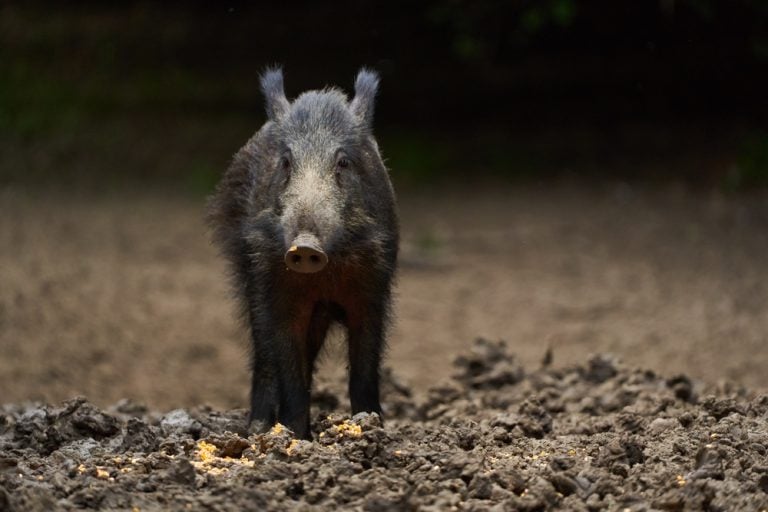
Wallows are yet another obvious indicator. Wild pigs dig wallows in wet areas around wetlands, streams, and sloughs in the summer to obtain mud that keeps them cool and keeps insects from attacking them. Pigs that are feral will rub objects to get rid of parasites, hair, and dried mud after they’ve wallowed.

Thick mud keeps their internal temperatures regulated.
©Salah Ait Mokhtar/Shutterstock.com
Tracks and Trails
Wild hog traces, another indicator, can occasionally be difficult to differentiate from those left by native animals like white-tailed deer. Wild hog tracks often have rounded or blunted toes, but deer tracks typically feature sharp, pointed hearts or spades.
The feral pigs tend to take the same route as they migrate over the land, leaving a well-used trail. Pigs frequently track mud and hair onto the wires beneath fences where these pathways cross them.
Whatever the primary component of their food, the form and substance of wild pig droppings might vary. Their excrement is frequently tubular and contains plants such as mast, although it can sometimes resemble that of domestic dogs or horses.
Beds
Beds are among the more challenging wild pig indications to spot. In order to expose the cold dirt to lay in, they will shift the soil over to make shallow beds, and they will be spending a lot of their time in these areas throughout the hottest part of the day.
Because these locations provide security and cover, they frequently rest among dense vegetation like vines, downed trees, and other robust or prickly plants.