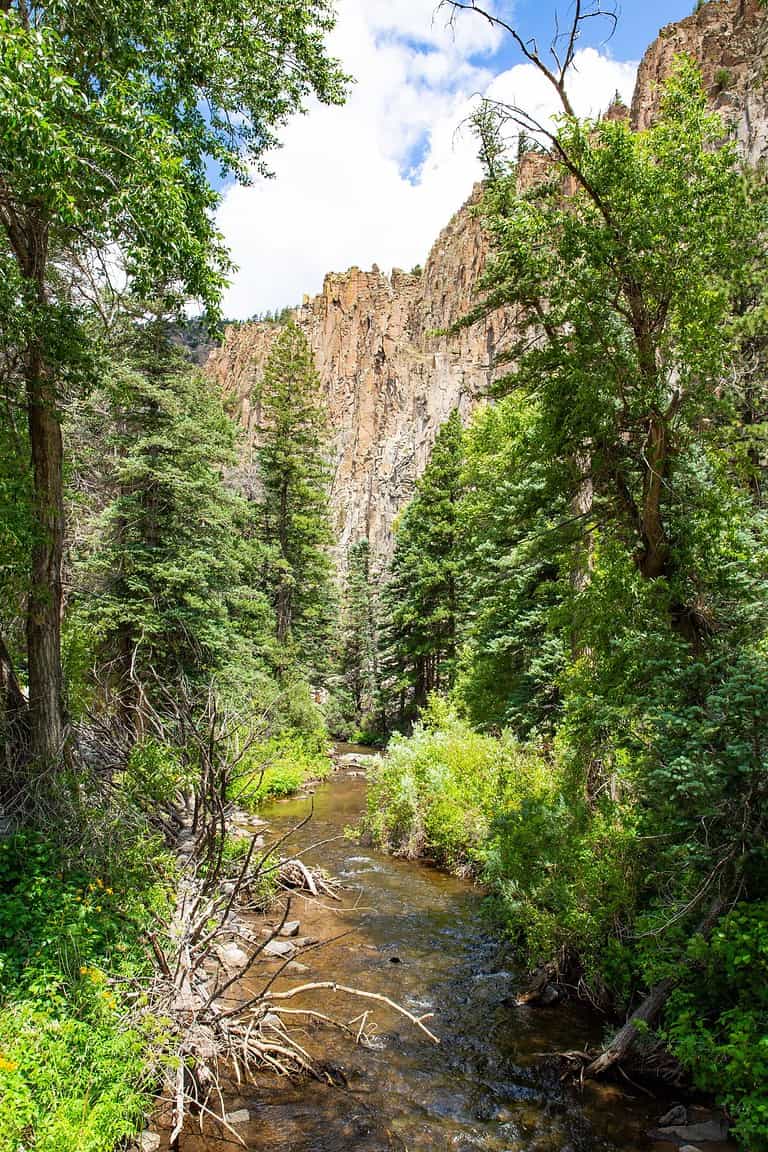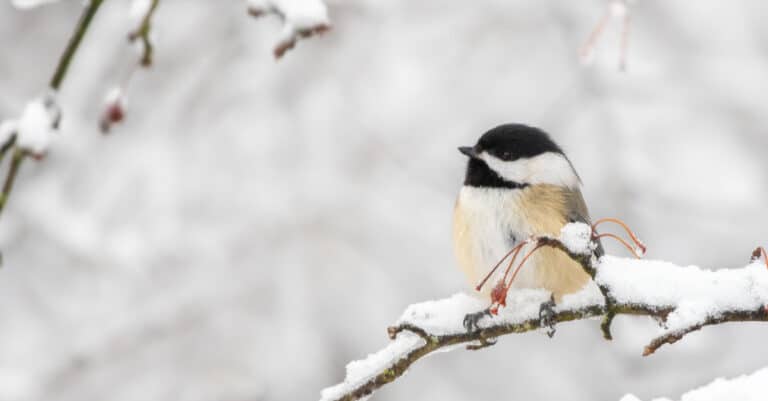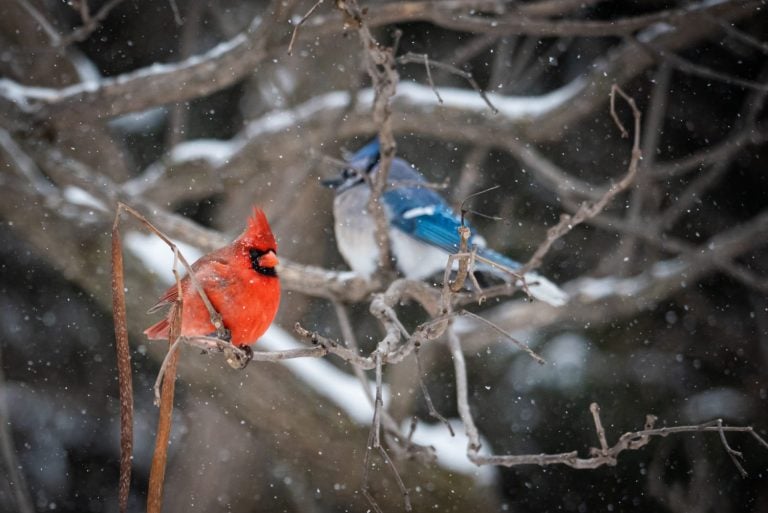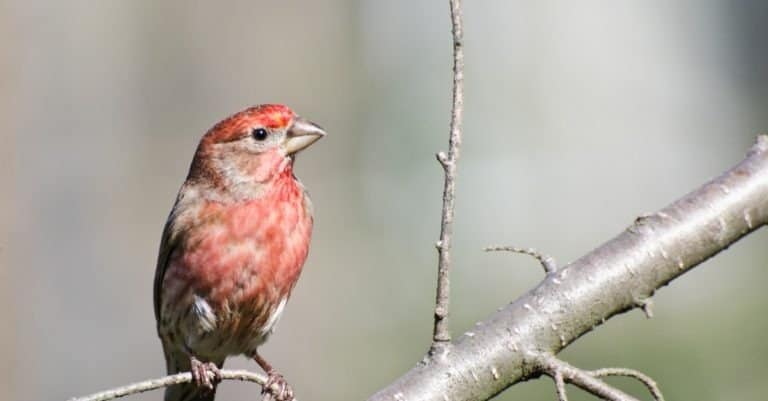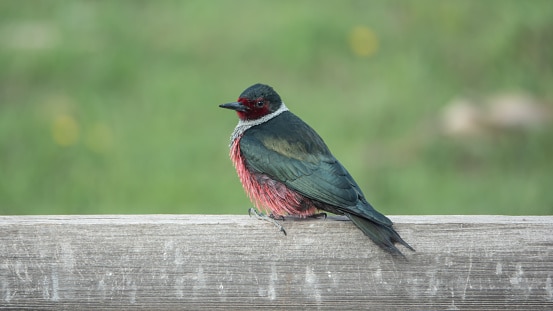

Colorado is a beautiful state with lots of nature and an abundance of wildlife. If you are out in the forests or hiking in the mountains of Colorado, you will see various woodpeckers nesting or searching for food. Woodpeckers are birds with long bills to help them scavenge for insects and nuts inside trees. Colorado has 15 types of woodpeckers commonly seen flying throughout the state. If you are lucky to see one of these creatures during a hike, try to take the time to identify which woodpecker you are seeing. This article will discuss how to identify these woodpeckers. Each woodpecker has distinctive features, which can help tell each one apart. Let’s dive into how to identify these little creatures.
1. Downy
The Downy Woodpecker is the smallest species of woodpecker in North America. This woodpecker is seen year-round in Colorado in deadwood trees. The Rocky Mountains and surrounding areas are particularly where this bird lives. This small bird can weigh up to 1 ounce and grow up to 6.7 inches long. The ideal hunting area for this bird is after a wildfire.
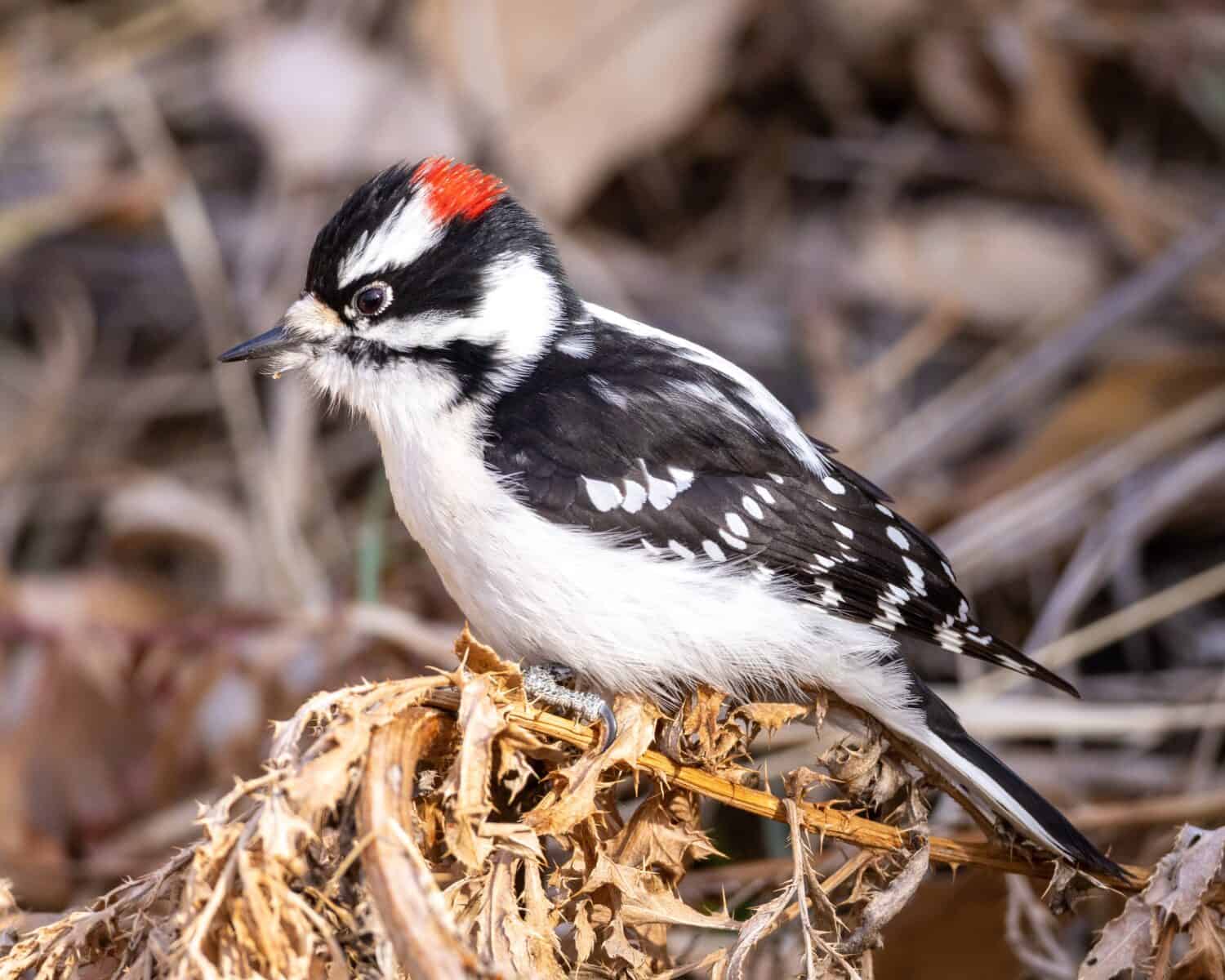
The Downy woodpecker is mostly black with a white back and white spots on its wings. Its head has black and white stripes with a red nape.
©J Edwards Photography/Shutterstock.com
2. Red-bellied
The Red-bellied woodpecker grows up to 10.5 inches long and weighs up to 3.2 ounces. Although this woodpecker is called the “Red-bellied”, its belly is a flush of pink. This bird has a black and white pattern on its back and a red-colored head. This woodpecker is seen year-round at lower elevations of the Rocky Mountains.
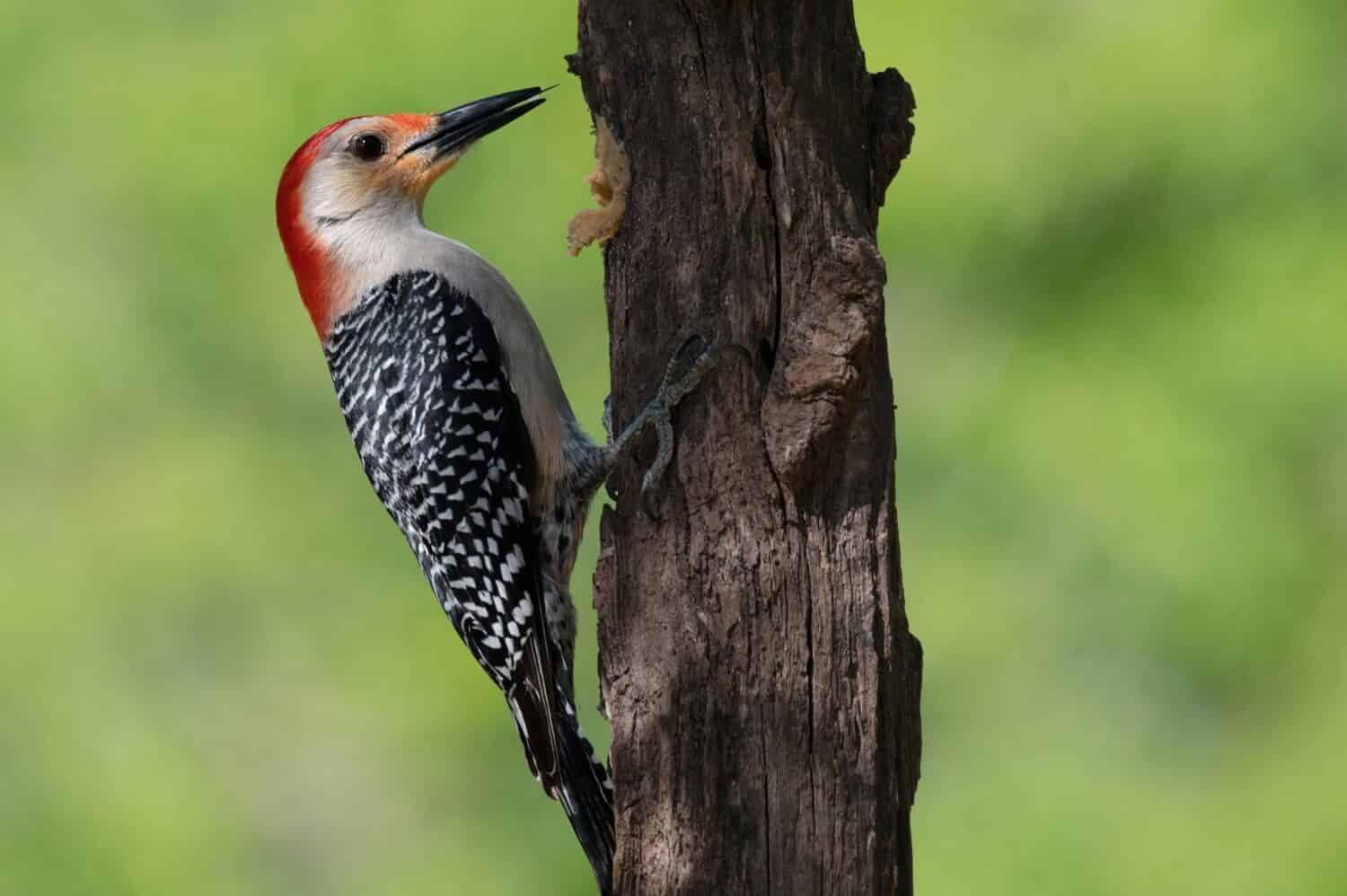
The Red-bellied woodpecker is a medium-sized bird with black and white patterns on its back and wings. The males have a red crown and nape. Its belly is a flush of pale pink.
©Connie Moore/Shutterstock.com
3. Northern Flicker
The Northern Flicker woodpecker are large, brown birds with red underwings, under-tail, and mustache. Their bodies have black spots on the belly and black stripes on the back. This woodpecker has a grayish-tan forehead with a red nape crescent and grey crown. This woodpecker lives in parks, forests, and residential areas looking for their next meal. This bird can grow up to 12.2 inches long and weigh up to 5.6 ounces.
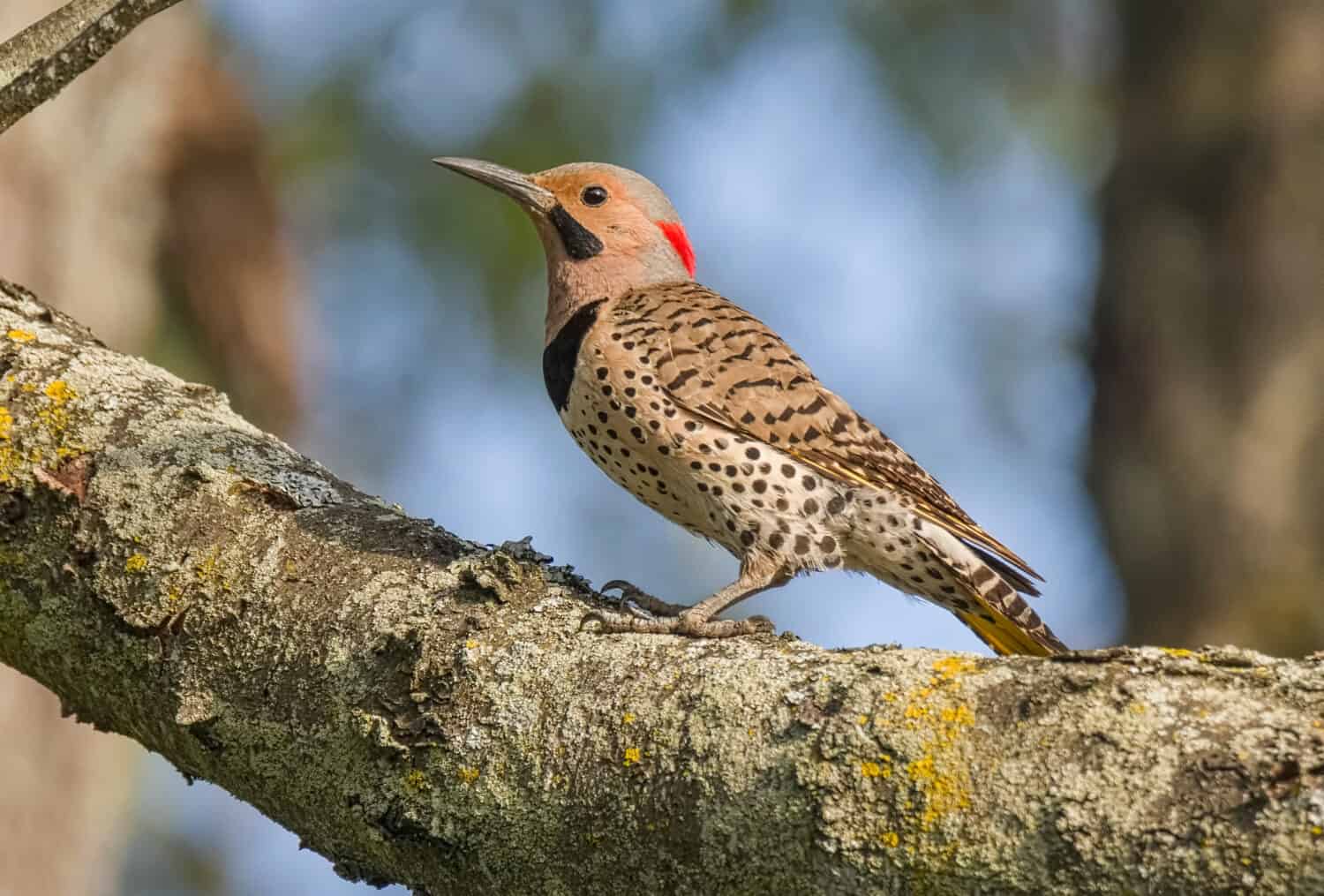
The scientific name for the Northern flicker is Colaptes auratus.
©Fiona M. Donnelly/Shutterstock.com
4. Red-headed
The Red-headed woodpecker lives around the Rocky Mountains of Colorado nesting in deadwood trees, parks, and fence posts. The Red-headed woodpecker is identified with its bright red head, white body, and black back. Young Red-headed woodpeckers have brown heads until they are a year old. This woodpecker grows up to 9.9 inches and weighs 3.4 ounces.
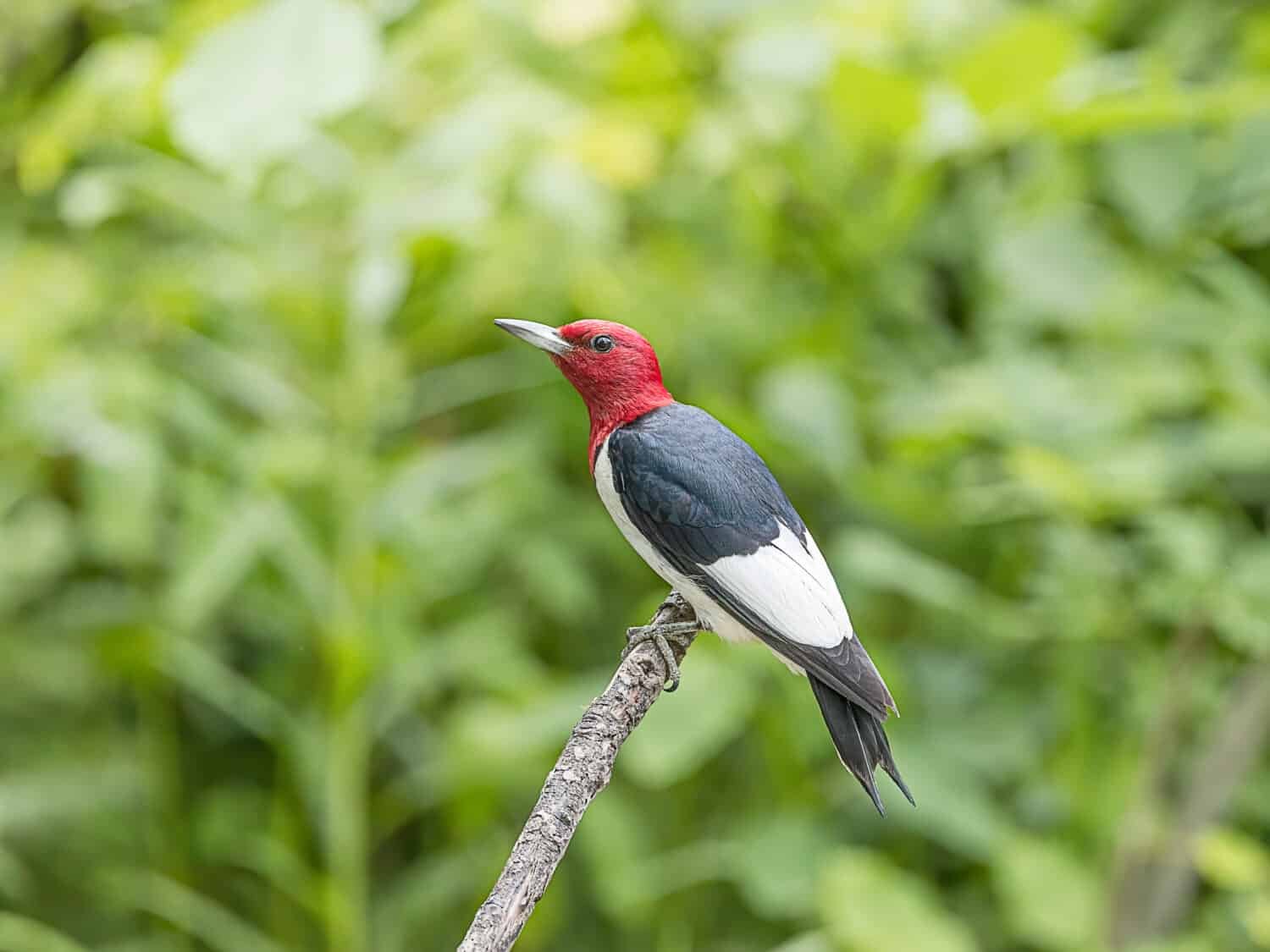
The scientific name for the Red-headed woodpecker is Melanerpes erythrocephalus.
©ilkah/Shutterstock.com
5. Hairy
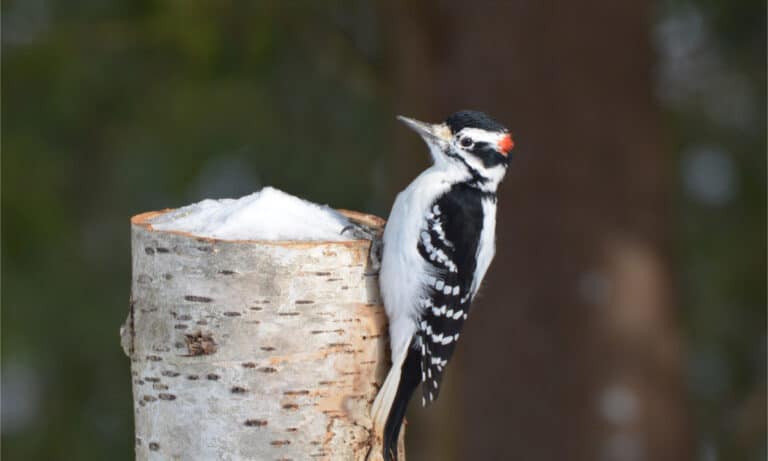
The Hairy woodpecker is black and white, with stripe-like markings on its head and patch markings on its wing. They have a reddish-orange spot on their crown. The Hairy woodpecker grows up to 10.2 inches long and weighs up to 3.4 ounces. This bird prefers to live and hunt in wooded areas where dead wood is present. This woodpecker has a sharp signature call that can be distinguished from other birds in the area.
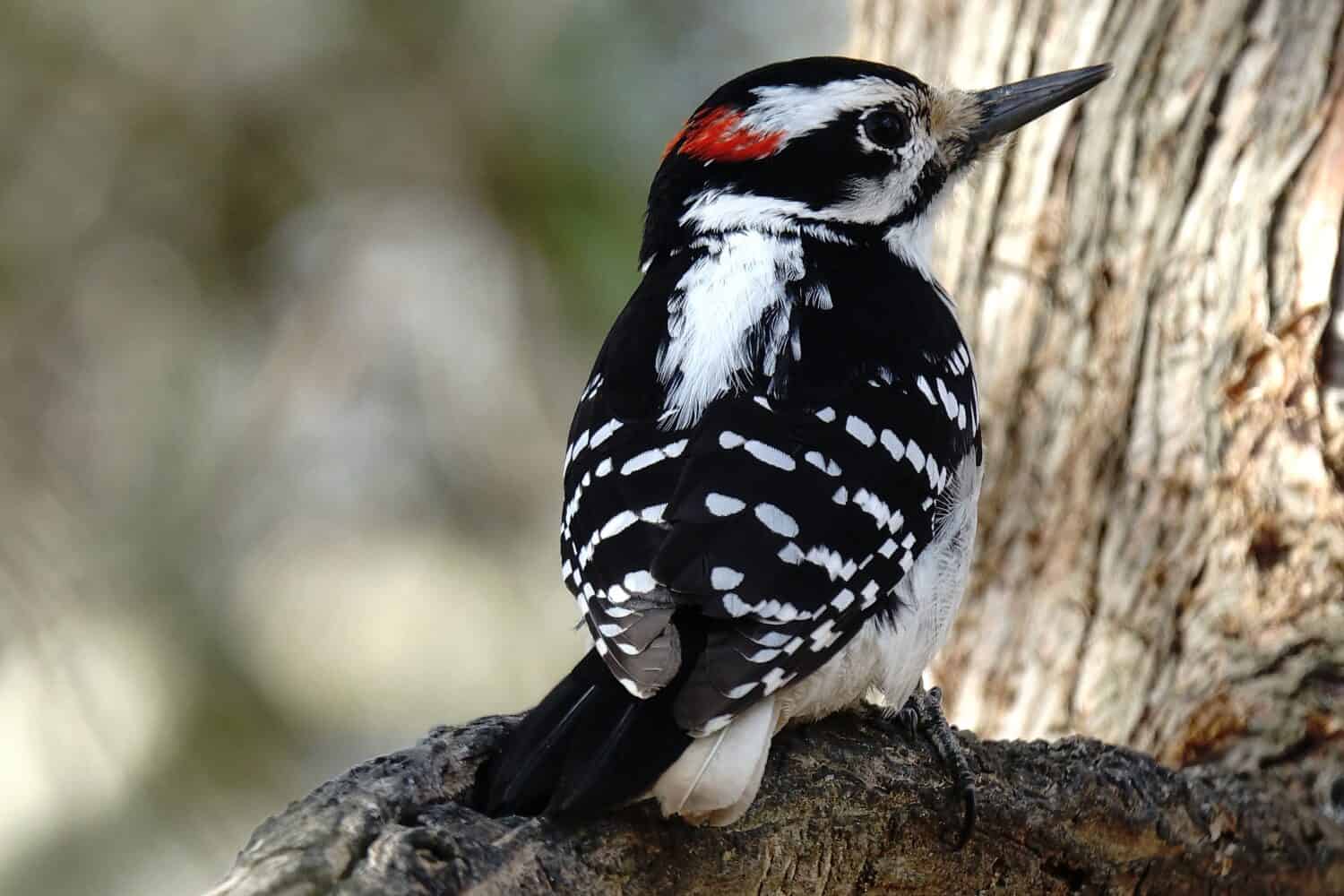
The Hairy Woodpecker is a distant relative to the Downy Woodpecker.
©Carl Reader/Shutterstock.com
6. Yellow-bellied Sapsucker
The Yellow-bellied Sapsucker has black and white vertical wing patches. The males have a red crown and throat, whereas the females have a red crown and white throat. The undersides of this bird are a light yellowish color.
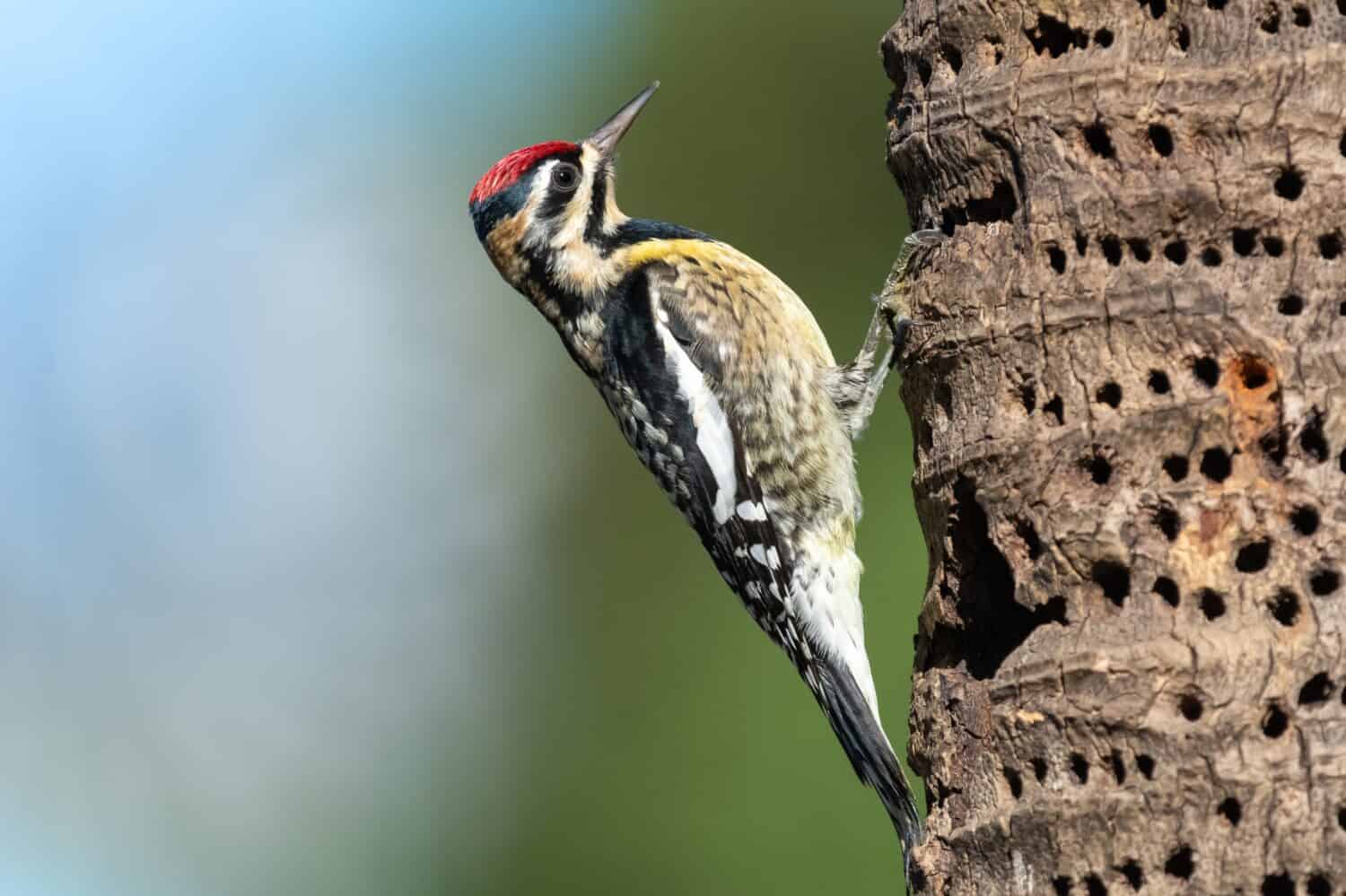
The Yellow-bellied sapsucker lives in the forests, woodlots, and orchards of Colorado.
©Piotr Poznan/Shutterstock.com
7. Pileated
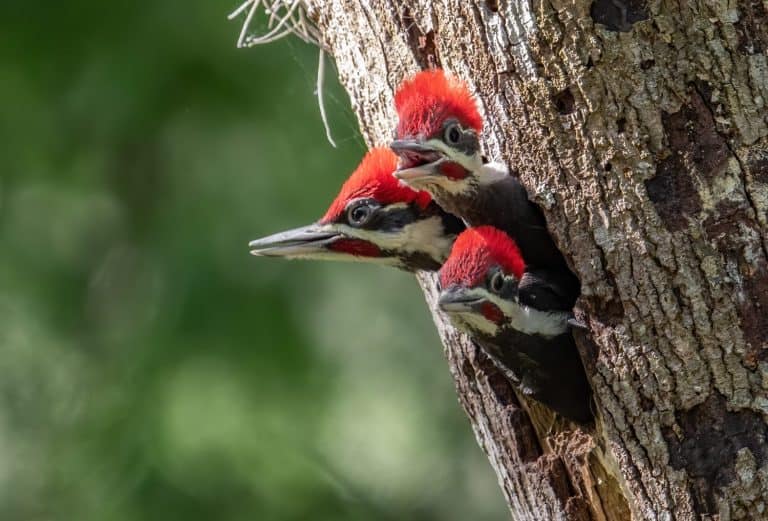
The Pileated woodpecker is one of the largest woodpeckers native to North America. This beautiful woodpecker has a large bill with a red crest, white stripes on the face, and a black body. The males have a small red stripe on their cheeks. The Pileated woodpecker can grow up to 19 inches long and weigh up to 12 ounces. This woodpecker lives in forests of deciduous or mixed trees in Colorado.
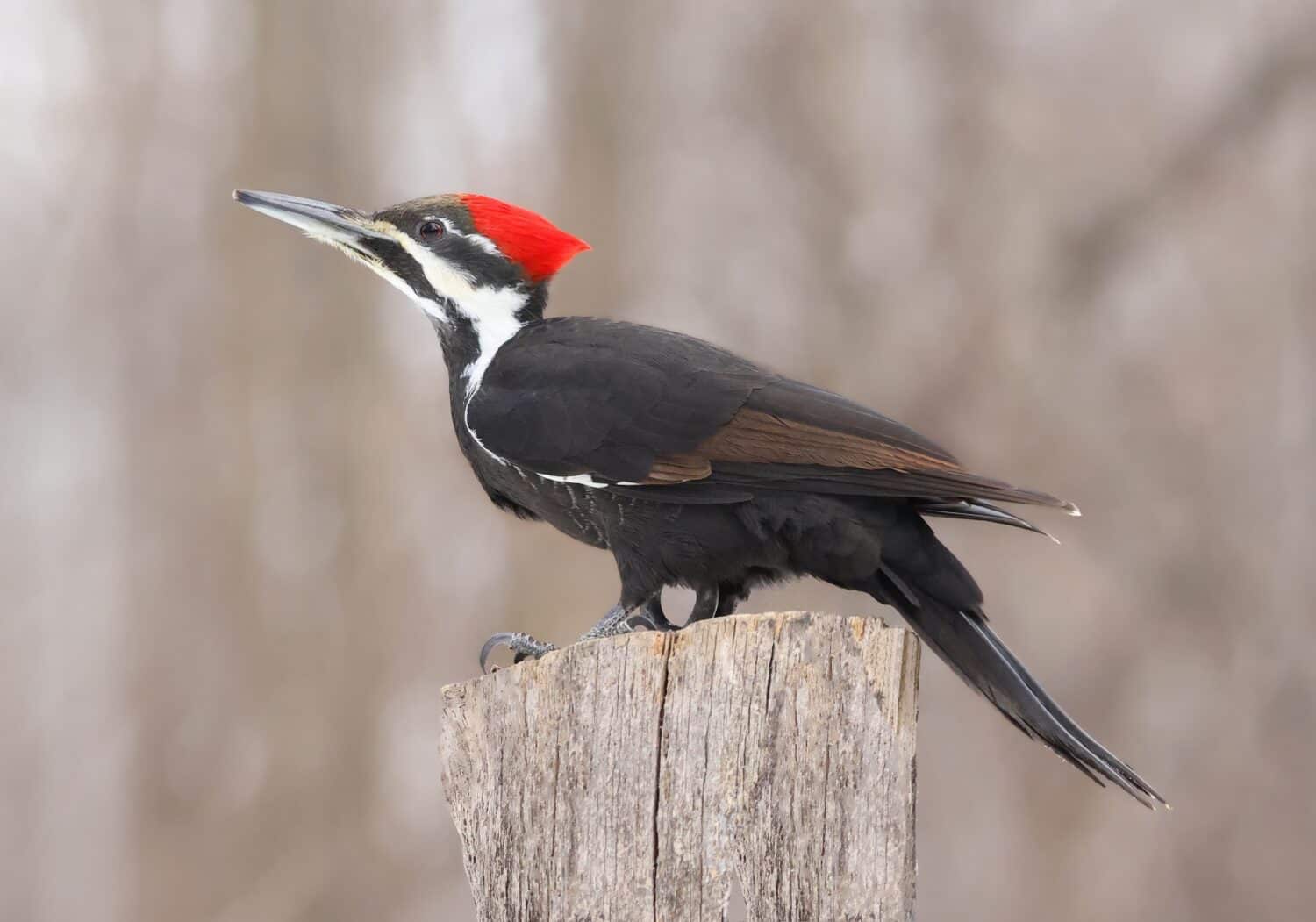
The Pileated woodpecker is compared to the size of a crow.
©Vlad G/Shutterstock.com
8. Lewis’s
The scientific name for the Lewis woodpecker is Melanerpes lewis and active year-round in Colorado. Most birds reside in northern Colorado and will fly south of the state in winter. The Lewis woodpecker is in state parks and forests with deadwood. The hunting technique of this woodpecker is compared to that of crows and flycatchers. This bird can weigh up to 4 ounces and grow up to 11 inches. This woodpecker is named after Meriwether Lewis who first saw the bird in 1805.
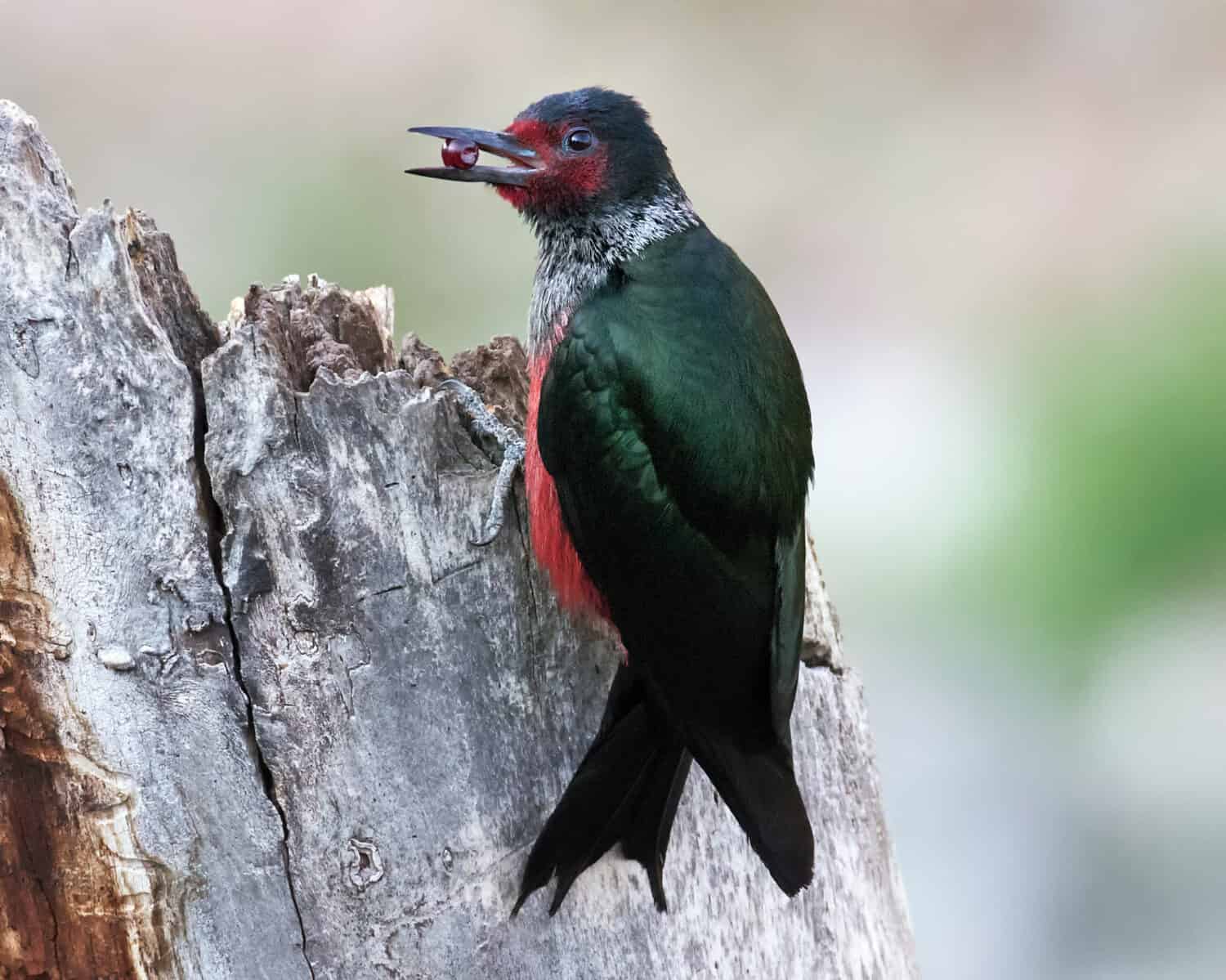
The Lewis woodpecker is dark green with a gray collar and pinkish belly.
©rbrown10/Shutterstock.com
9. American Three-toed
The American Three-toed woodpecker lives in the forests of Colorado, nesting in cavities of trees. The woodpecker help control pesky insects like the Pine beetle. This medium-sized bird can grow up to 9.1 inches and weigh up to 2.4 ounces. By having only three toes, this bird can lean farther away from its target inflicting powerful blows to trees. This trait is shared with the Eurasian Three-toed and Black-backed woodpeckers.
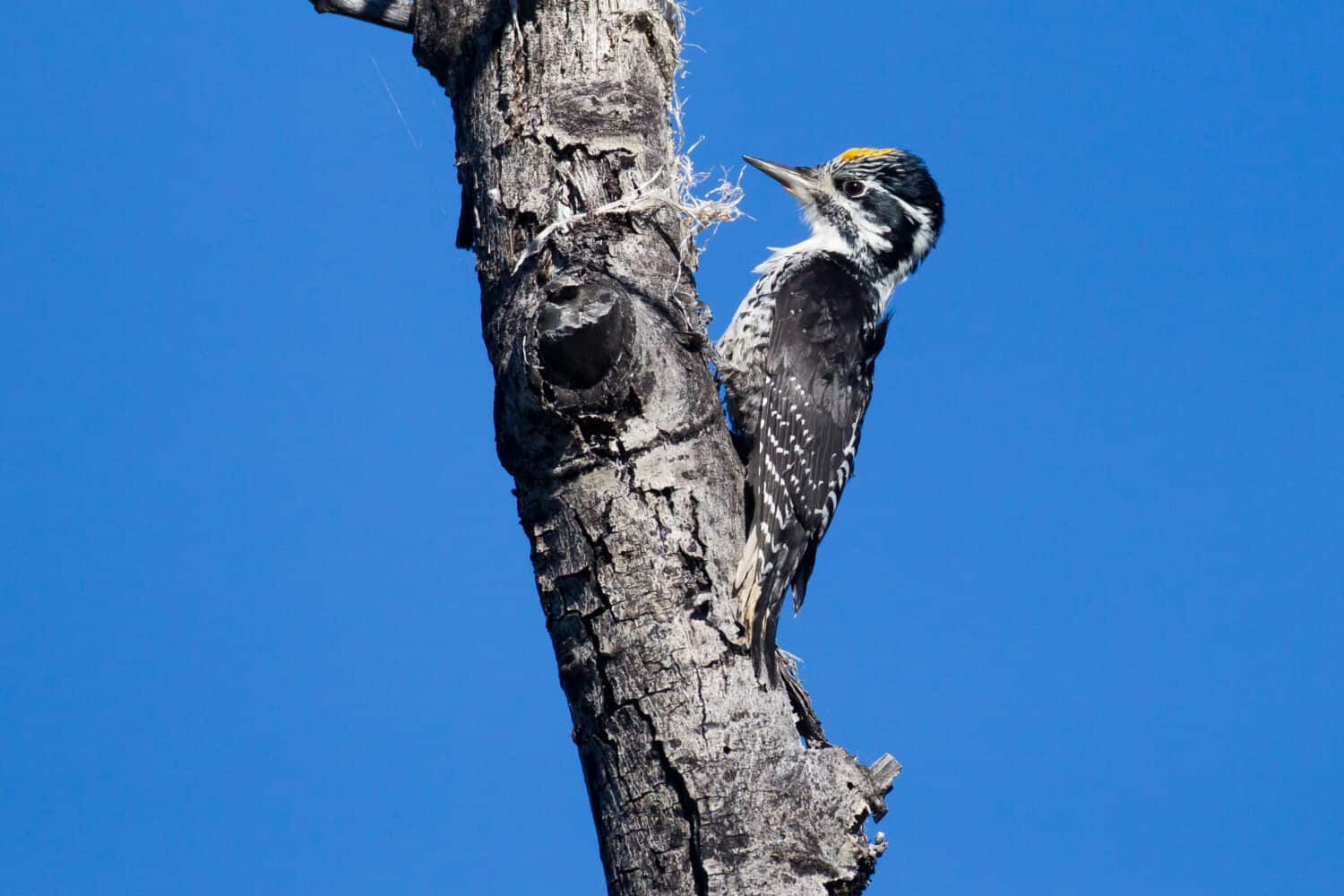
The American Three-toed woodpecker is mostly black with white spots on its wings. The males, like the ones pictured above, have yellow crown patches.
©Jukka Jantunen/Shutterstock.com
10. Williamson’s sapsucker
The Williamson’s sapsucker nests in coniferous and mixed conifer-deciduous forests at higher elevations. The male Williamson’s sapsucker is velvety black, has a yellow belly, and a white patch on its wings. The males also have a red throat and a white line behind its eye. The females have brown heads and are banded in black and white. The scientific name for this woodpecker is Sphyrapicus thyroideus.
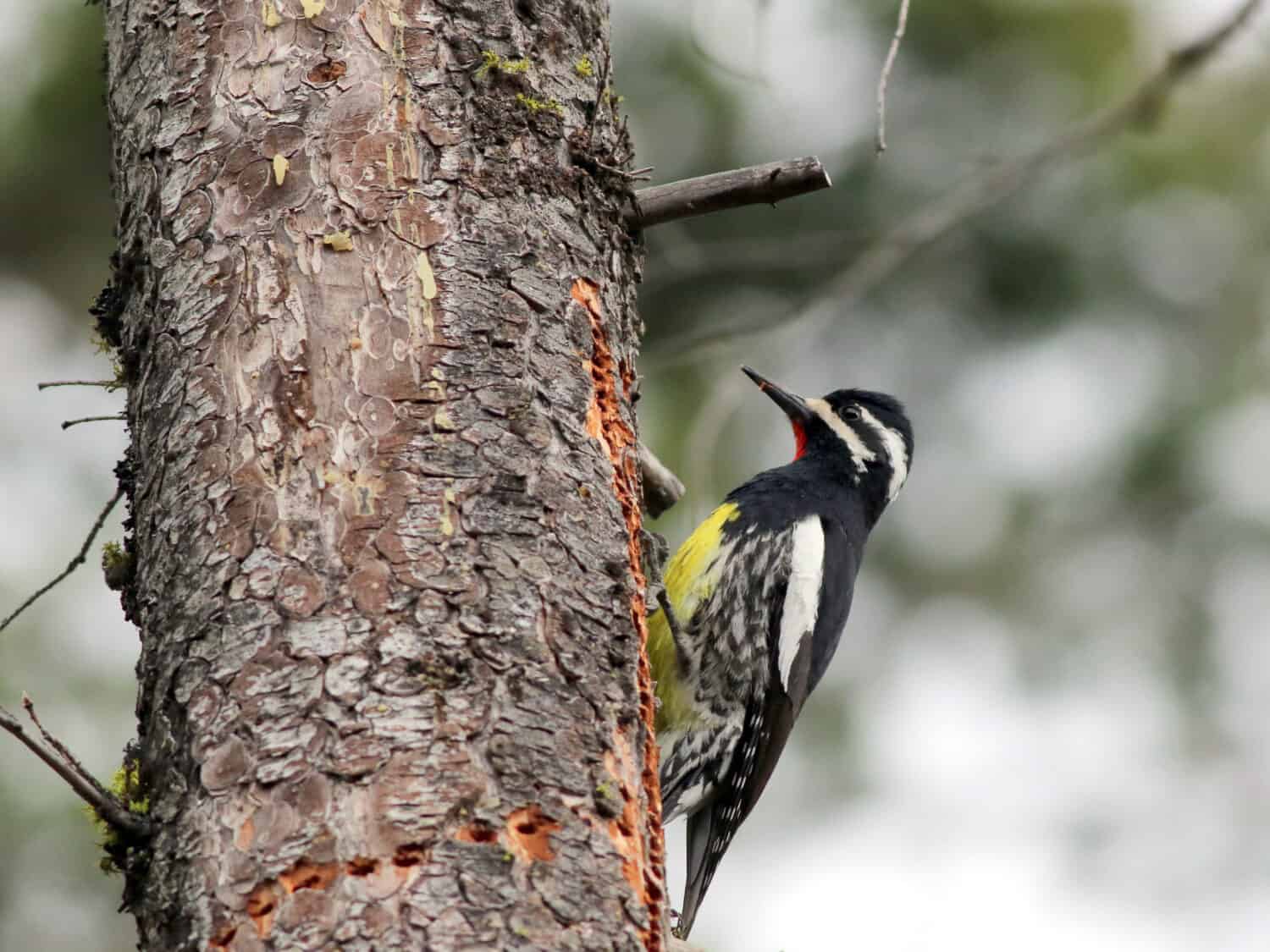
The Williamson’s sapsucker woodpecker can reach up to 9.8 inches long and weigh up to 1.9 ounces.
©Randy Bjorklund/Shutterstock.com
11. Acorn
The Acorn woodpecker is visible year-round in Colorado, especially around the Rocky Mountains. This woodpecker spends its time drilling holes to store nuts and acorns for the winter. This Acorn woodpecker can grow up to 9.1 inches and weigh up to 3.2 ounces. The Acorn is the only type of woodpecker to nest and roost in cavities. The scientific name for the Acorn is Melanerpes formicivorus.
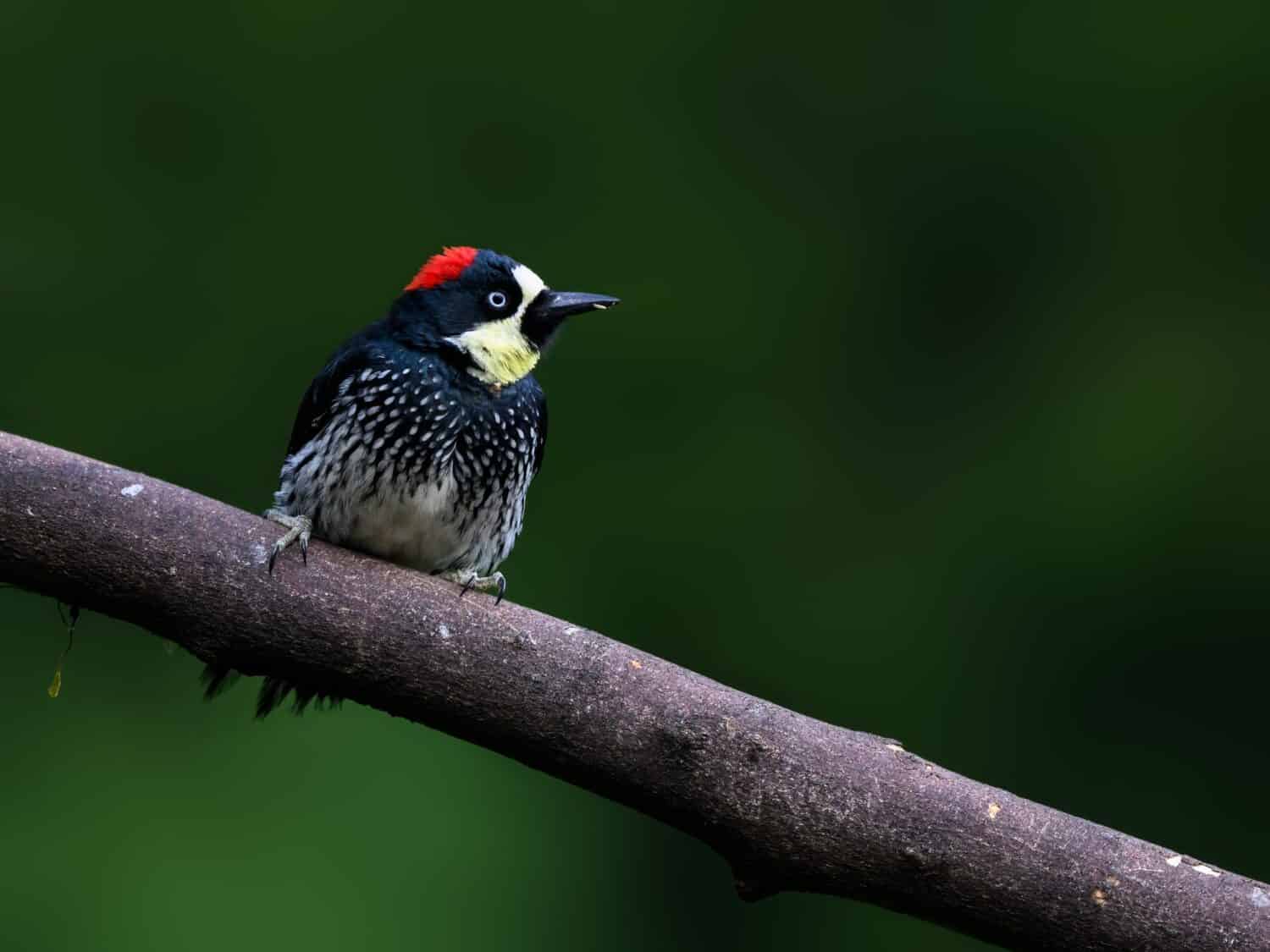
The Acorn woodpecker is described as having a clown-like face with a red cap on its head. Their bodies are black and white.
©FotoRequest/Shutterstock.com
12. Red-naped
The Red-naped woodpecker is seen in the mountain towns and cities abundant with aspen trees. This woodpecker is black with white stripes and patches on its wings. Male Red-naped woodpeckers have a full red nape, throat, and crown, whereas females have a white chin with a stripe of red on the nape. This bird can grow up to 8.3 inches and weigh up to 2.3 ounces.
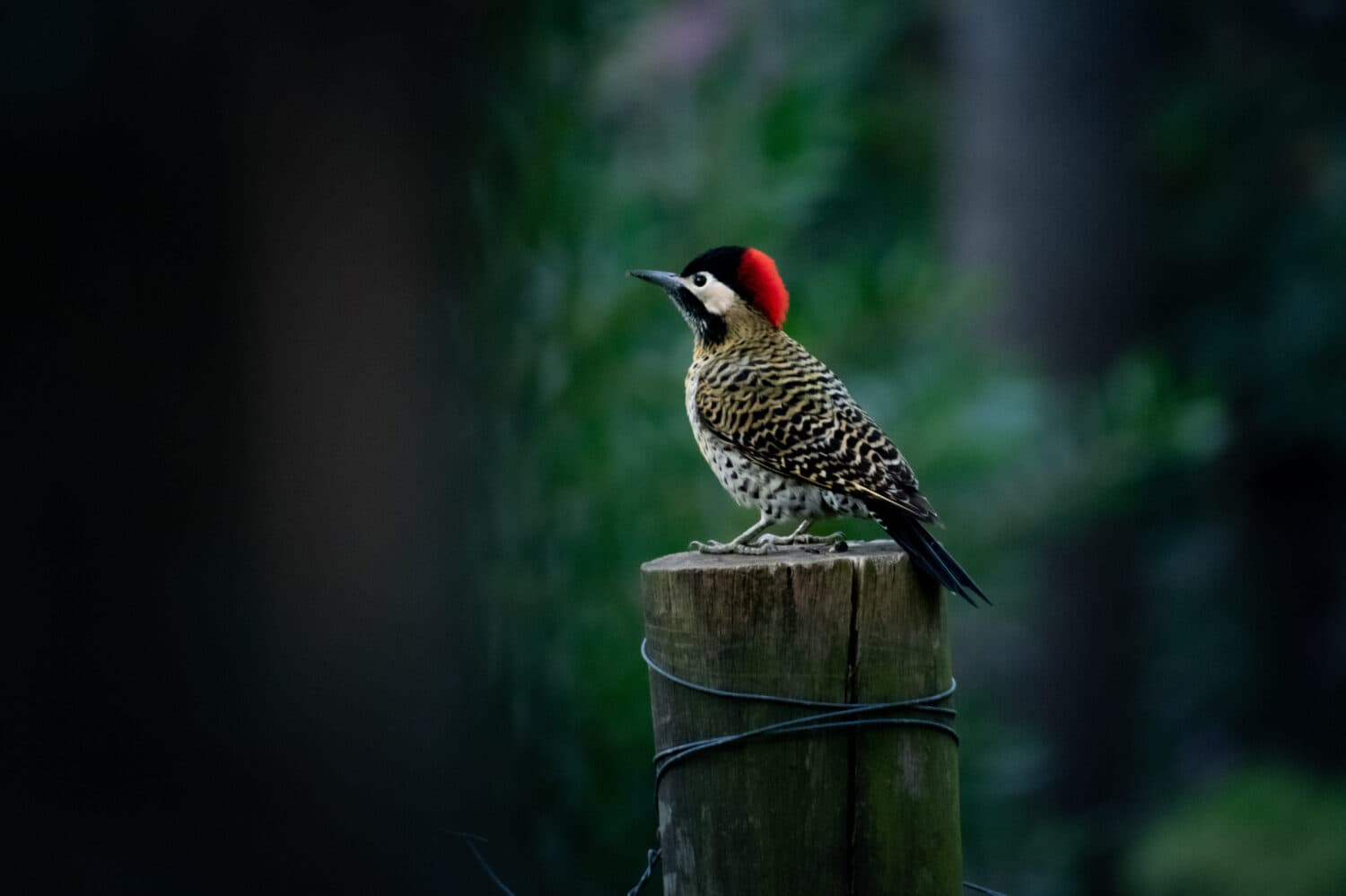
Aspen and Estes Park are two places to easily see these birds.
©Gianni Schiaffarino/Shutterstock.com
13. Ladder-backed
The Ladder-backed woodpecker is black and white with stripes resembling a ladder. Males have red crowns, whereas females have blackish crowns. This woodpecker prefers dry habitats in southeastern Colorado. This bird can grow up to 7.1 inches and weigh up to 1.7 ounces.
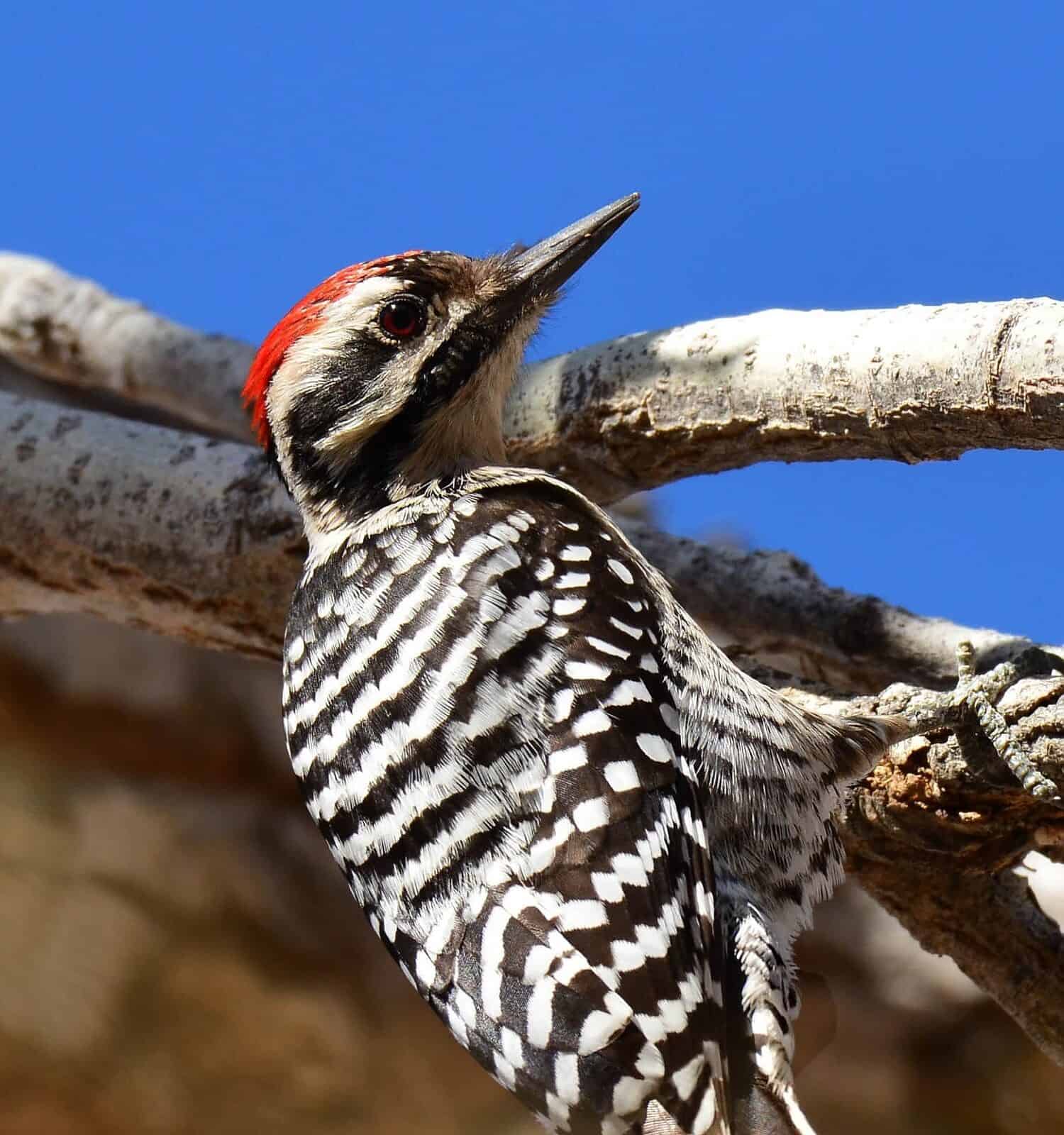
The Ladder-backed woodpecker is also seen in the Juniper and Pinyon juniper woodlands.
©Nina B/Shutterstock.com
14. Red-breasted Sapsucker
The Red-breasted sapsucker woodpeckers are a year-round bird but fly around in the Rocky Mountains. You can see these birds in the coniferous forests in the wintertime. This bird can weigh up to 2.2 ounces and reach up to 8.7 inches long. They have a redhead and breasts with molted black and white wings. They have a white spot between the eyes and the bill.
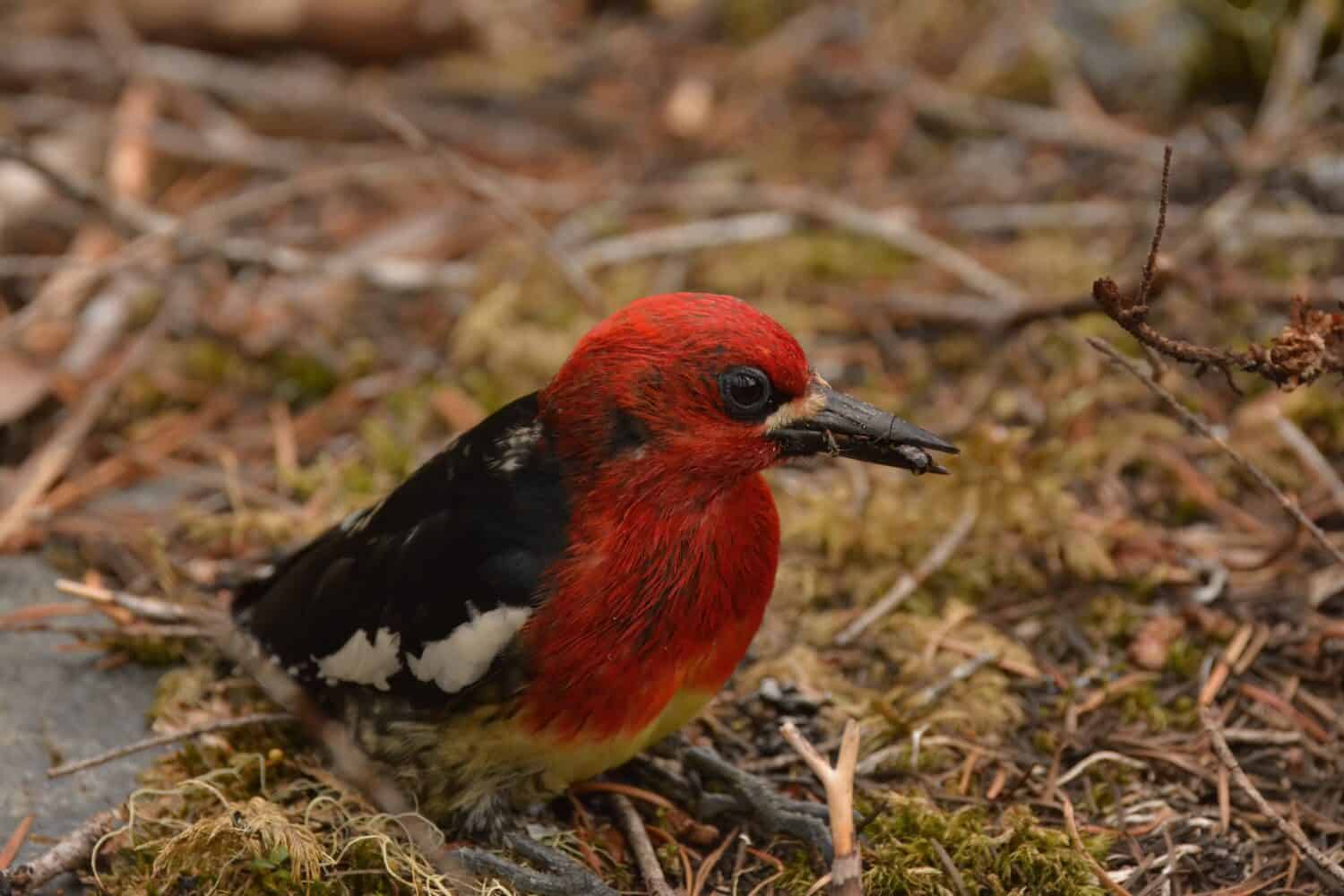
The Red-breasted Sapsucker is similar to the size of a robin.
©BirdManClark/Shutterstock.com
15. Black-backed
The Black-backed woodpecker lives in the boreal forests of Colorado. These woodpeckers prefer dead or dying trees within the forest. This medium-sized bird has a solid black back, with black and white stripes on its belly. They also have a single white stipe on their face and the males have a yellow crown patch. This bird can weigh up to 3.1 ounces and reach up to 9 inches long.
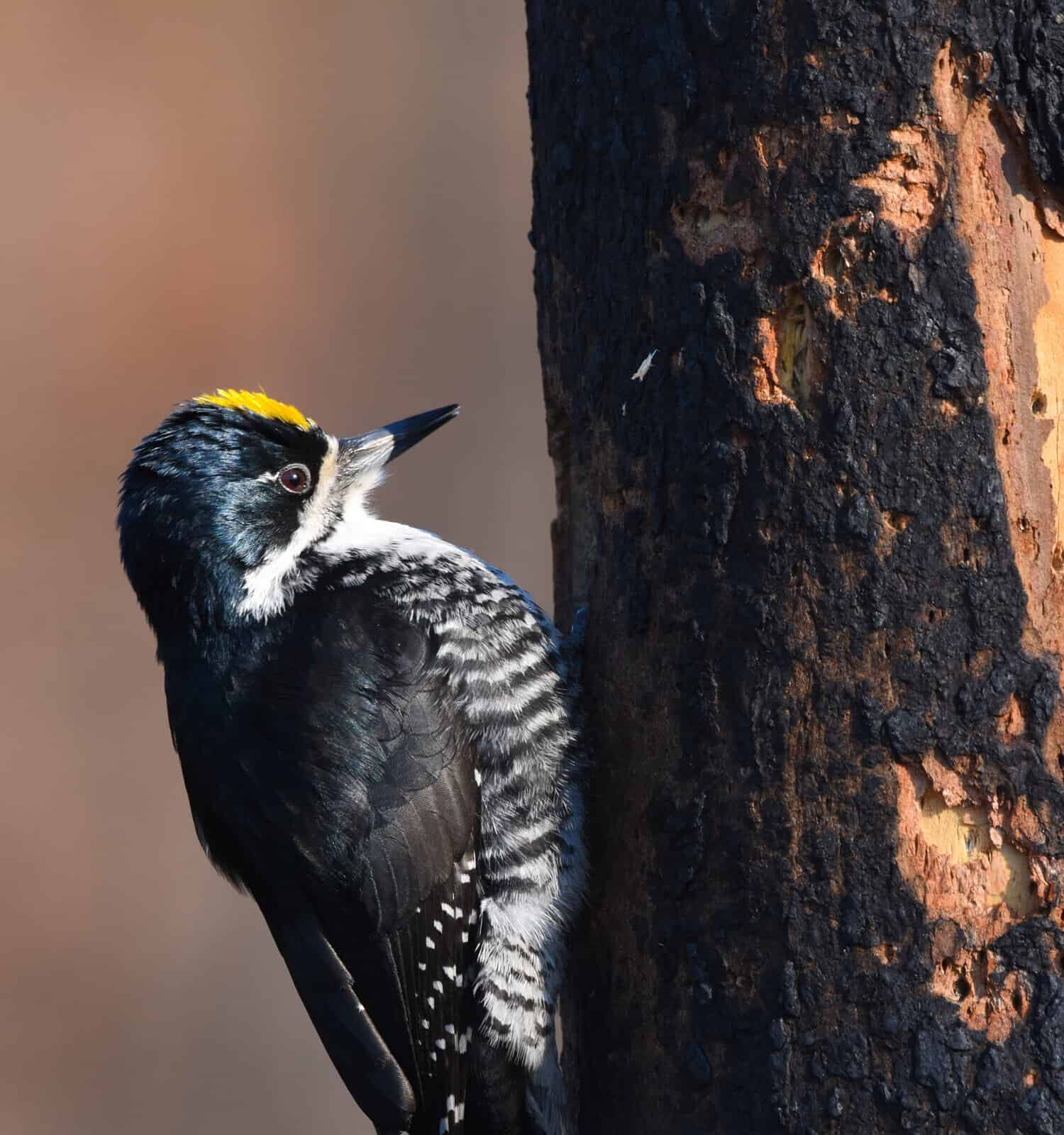
The size of the Black-backed woodpecker is similar to a robin.
©Carrie Olson/Shutterstock.com
| 15 Woodpeckers in Colorado |
| 1. Downy |
| 2. Red-bellied |
| 3. Northern Flicker |
| 4. Red-headed |
| 5. Hairy |
| 6. Yellow-bellied Sapsucker |
| 7. Pileated |
| 8. Lewis’s |
| 9. American Three-toed |
| 10. Williamson’s Sapsucker |
| 11. Acorn |
| 12. Red-naped |
| 13. Ladder-backed |
| 14. Red-breasted Sapsucker |
| 15. Black-backed |