Quick Take
- Armadillo armor isn't just a hard shell. The flexible bands actually serve a purpose most people never suspect.
- Armadillos are classified as omnivores, but what they actually hunt with those powerful claws might surprise you.
- Armadillos live solitary lives, though they only begin doing so after a specific life event triggers them to leave, and the timing is fascinating.
- This free unit includes five days of lesson plans, videos, and research activities, and it is more comprehensive than it looks on the surface.
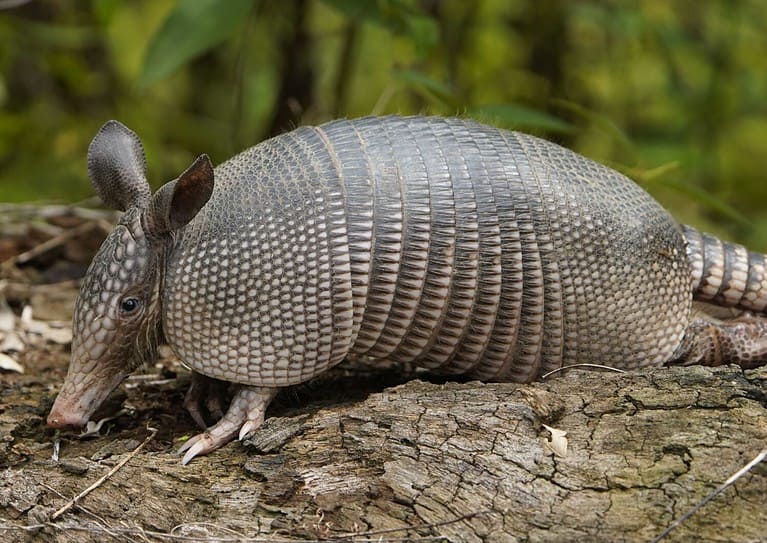
Armadillos are fascinating solitary mammals, living primarily in Central and South America and found in parts of the southern United States. Most well known for their unique protective armoring that has flexible bands, armadillos have specialized adaptations that allow them to thrive in their environment. Utilizing their strong, sharp claws, armadillos spend most of their time either digging for insects like termites, beetles and ants, or resting in their underground burrows.
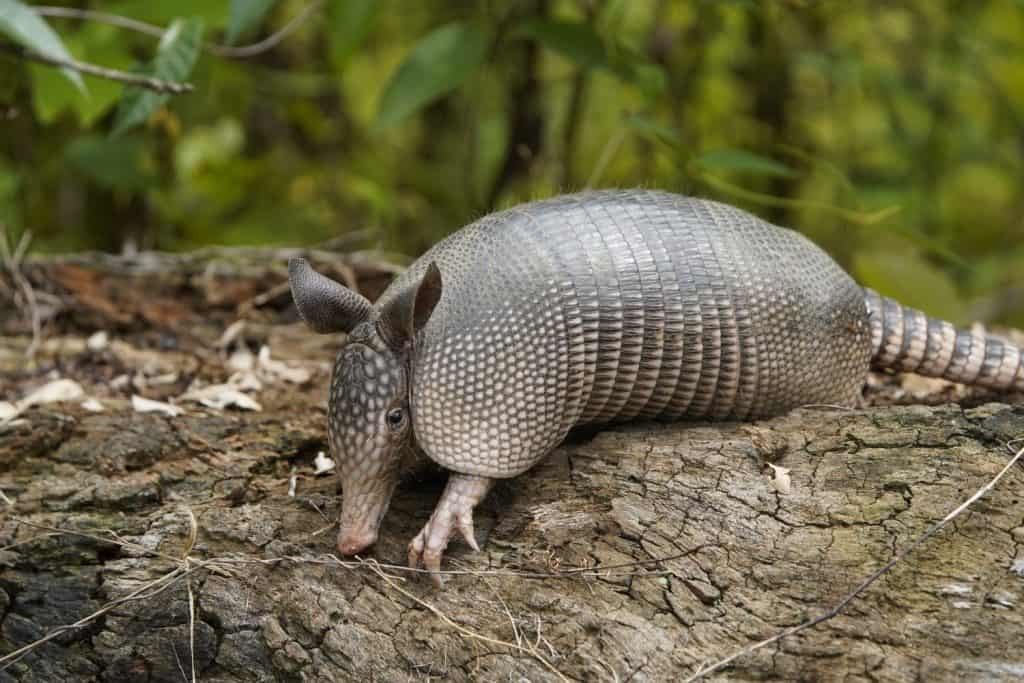
©guentermanaus/Shutterstock.com
In our five-day unit, designed for elementary-aged students, children can investigate more about the unique physical characteristics of armadillos and explore where they live, their omnivorous diets, adaptations that aid in their survival, and the solitary, nocturnal lifestyle of armadillos after they separate from their families.
Included in the unit plan are five days’ worth of comprehensive lesson plans, graphic organizers, educational video ideas, children’s book suggestions, comprehension questions, instructional resources, writing templates, and research activities.
We hope you enjoy learning more about the remarkable armadillo and the incredible features that make this mammal so special!

©