
Quick Take
- The training method most owners instinctively reach for can make a chow chow dramatically more aggressive rather than less. See why force matters →
- Owning a chow chow could put your housing and home insurance at serious risk before you even bring one home. Check breed restrictions →
- The feature that makes chow chows so visually striking is also the one that could land them in a medical emergency. Understand the heat risk →
- Chow chows' stubbornness is not actually the real training problem. Knowledgeable owners know to address a subtler issue first. Find the real training issue →
Chow chows can make great pets for the right households. They’re adorable, relatively low-energy for their size, and were originally bred as guard dogs. However, many owners report common issues with the breed, such as stubbornness, excessive barking, and inappropriate guarding behaviors. Many chow chows don’t get along with other dogs. They also shed heavily and need to be brushed multiple times a week.
Chow Chows are Independent Dogs
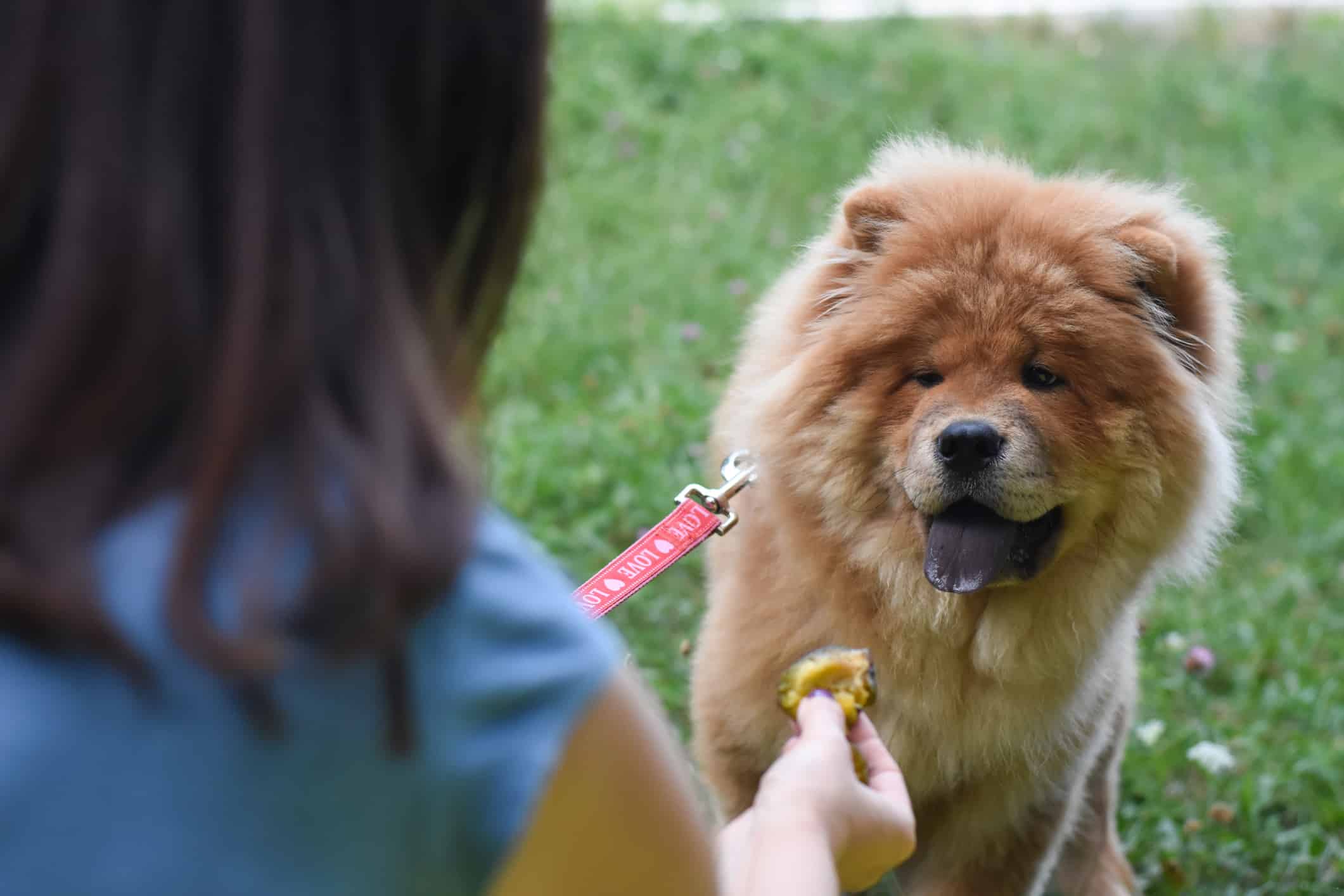
It takes extra patience to train a chow chow, as they can be stubborn.
©iStock.com/Ivan Marjanovic
Chow chows tend to have minds of their own and won’t always listen the first time. It’s important to keep them engaged in training by making the experience fun and positive.
Keep training sessions short but frequent, bring your tastiest treats, and end on a high note whenever possible.
Remember that when you say no to a dog, you should also provide an alternative behavior. For example, redirect them to chew toys instead of allowing them to bite hands.
They May Bark Excessively
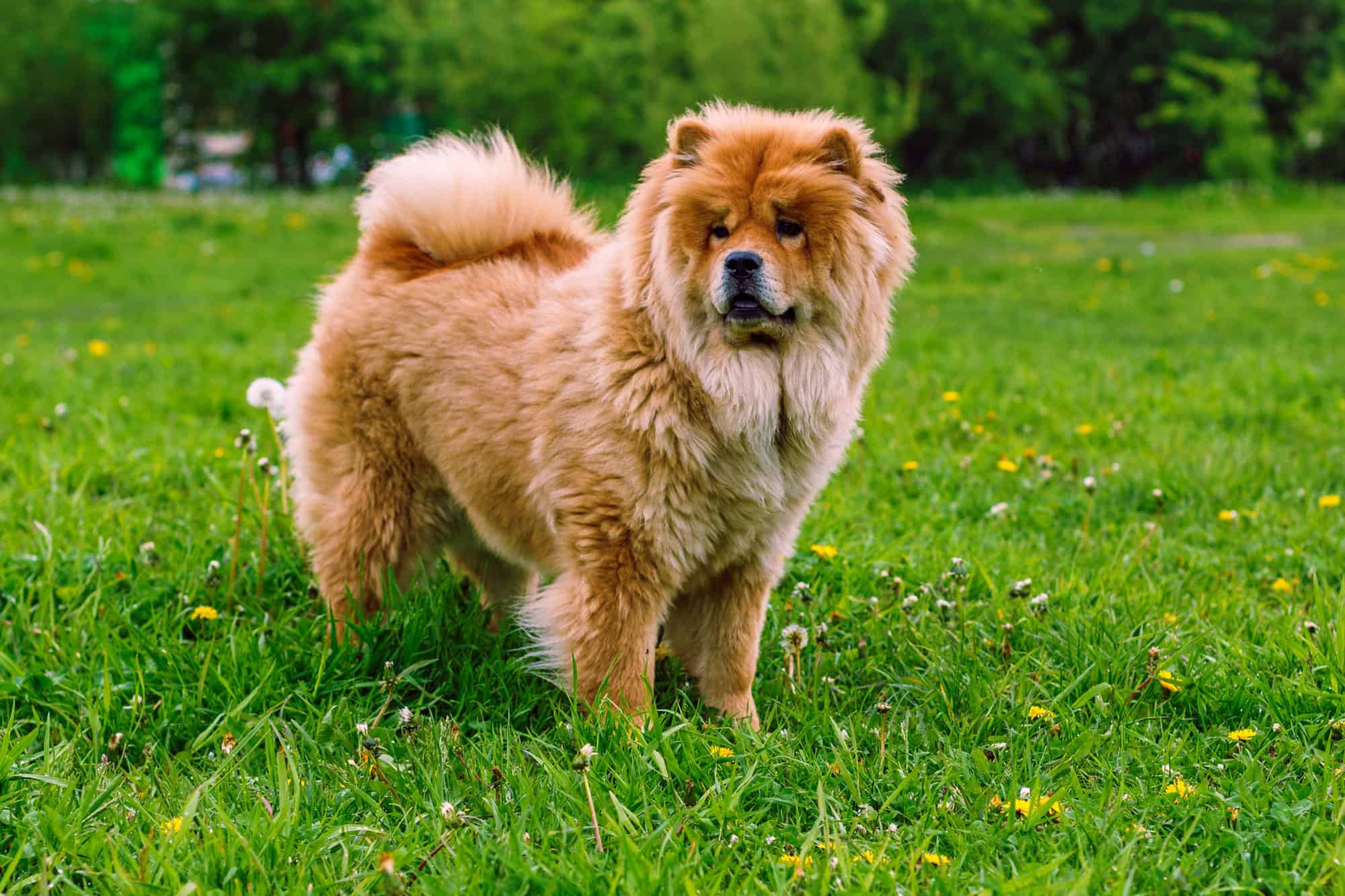
Bred as guard dogs, chow chows are always alert to their surroundings.
©Flower_Garden/Shutterstock.com
Chow chows are often alert to threats in the area, whether real or perceived, and will act accordingly, which can manifest as excessive barking.
You can teach your chow chow to bark only as an alert, rather than continuing to bark excessively, but this requires time, consistency, and patience.
Chow Chows do Best in Cool Climates
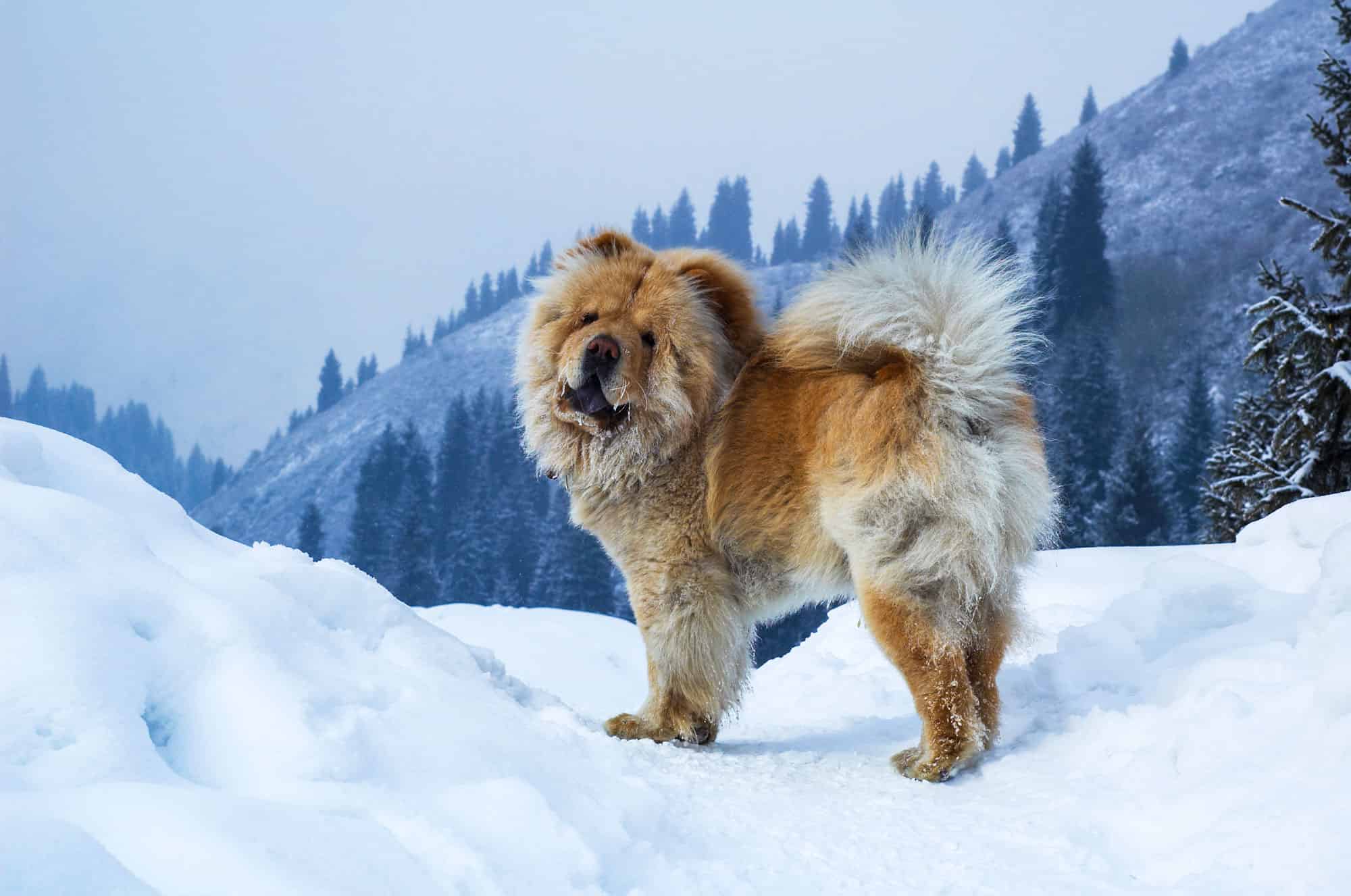
Most chow chows will love playing outside in the winter.
©Maxim Petrichuk/Shutterstock.com
For thousands of years, chow chows have been selectively bred to have thick coats. They don’t do well in the heat and aren’t a good choice if you live in a hot climate.
Chow chows are at increased risk of heat stroke, which is an expensive medical emergency.
However, your chow chow will love the snow, and it might be difficult to get them inside during the wintertime.
They Require a Knowledgeable Dog Trainer
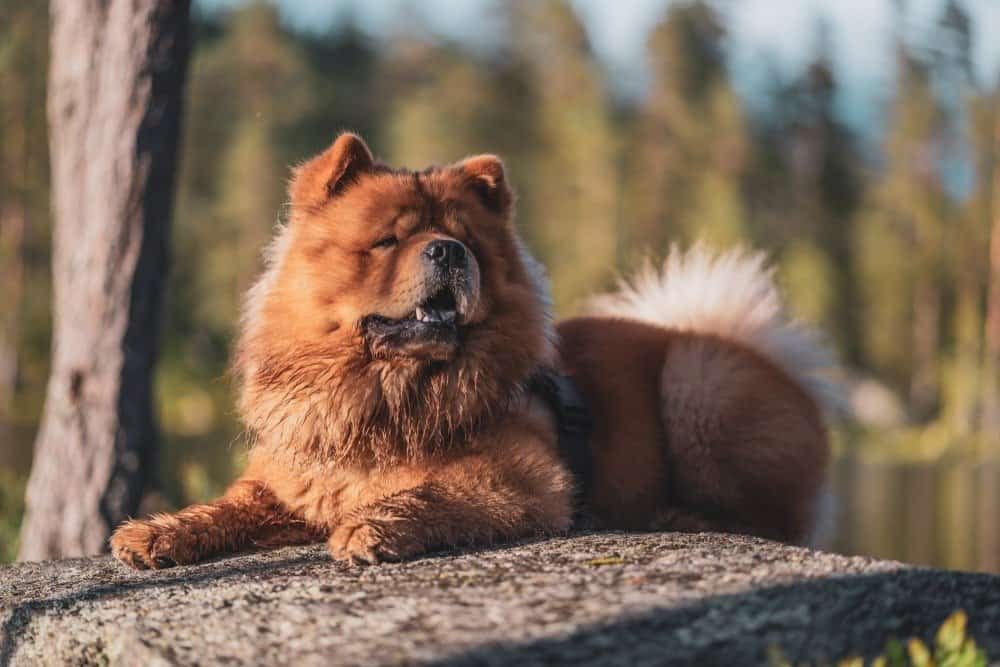
It’s important to socialize and train your chow chow well.
©Arne J. Enggrav/Shutterstock.com
Chow chows don’t require harsh discipline or for you to assert dominance. Instead, they need patient and kind leadership.
Those who use compulsion training, aversive training methods, or aversive tools promote fear in their dogs. They’re more likely to see aggressive behaviors in their dogs as a result.
Force-free training methods are the way to go for any dog, and especially for a chow chow. For some chow chows, a significant part of training involves managing their environment to encourage desirable behaviors.
Chow Chows Shed Heavily
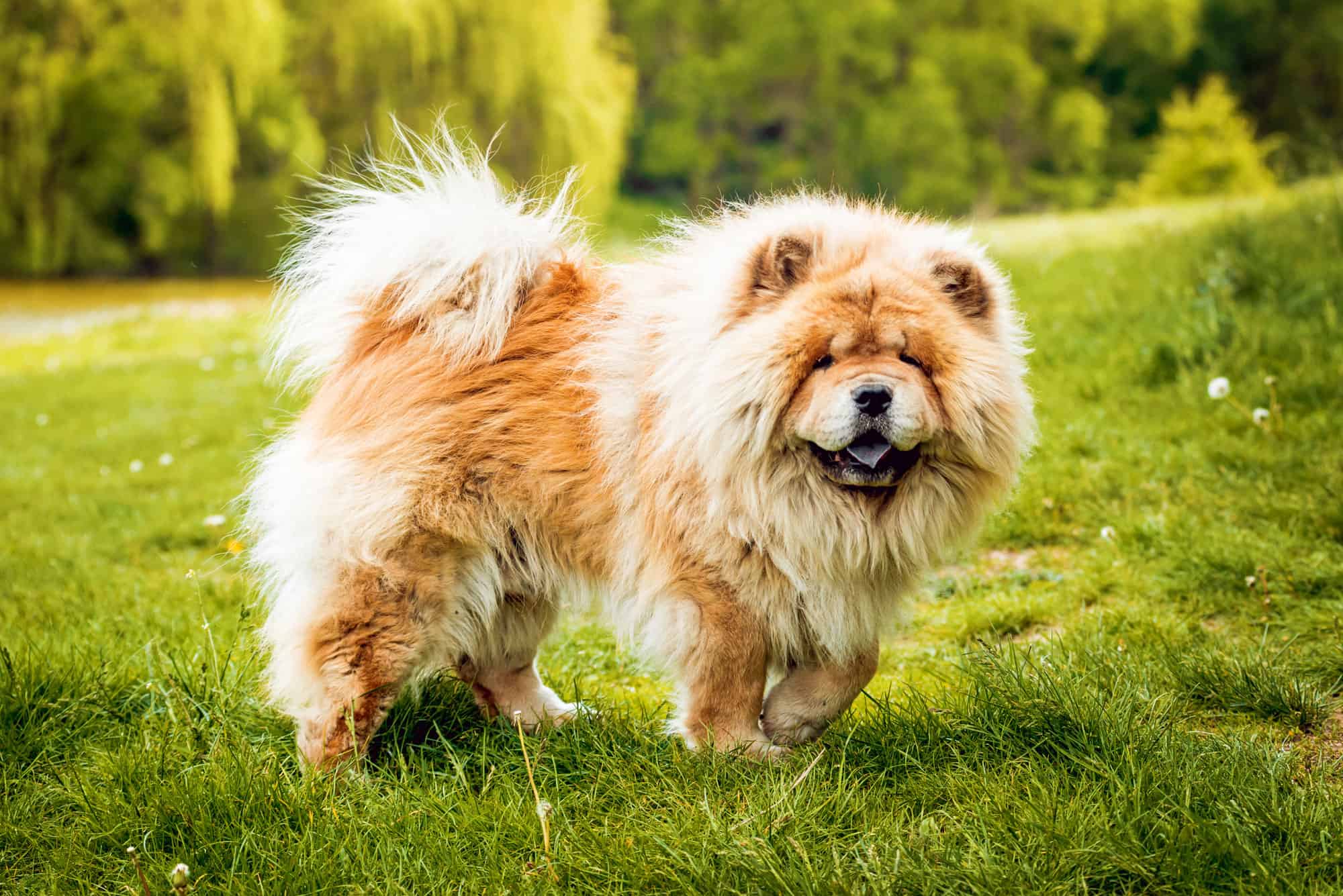
Their fluffy coats will leave loads of loose fur around your house.
©Roman Zaiets/Shutterstock.com
Chow chows are known for ample shedding. You’ll want to invest in a good vacuum cleaner and perhaps a reusable lint roller to keep your home and clothes clean.
Brushing them regularly will reduce the amount of fur you find around the house but won’t eliminate it. You’ll likely notice even more loose fur during shedding season in the spring and fall.
They’re Often Banned
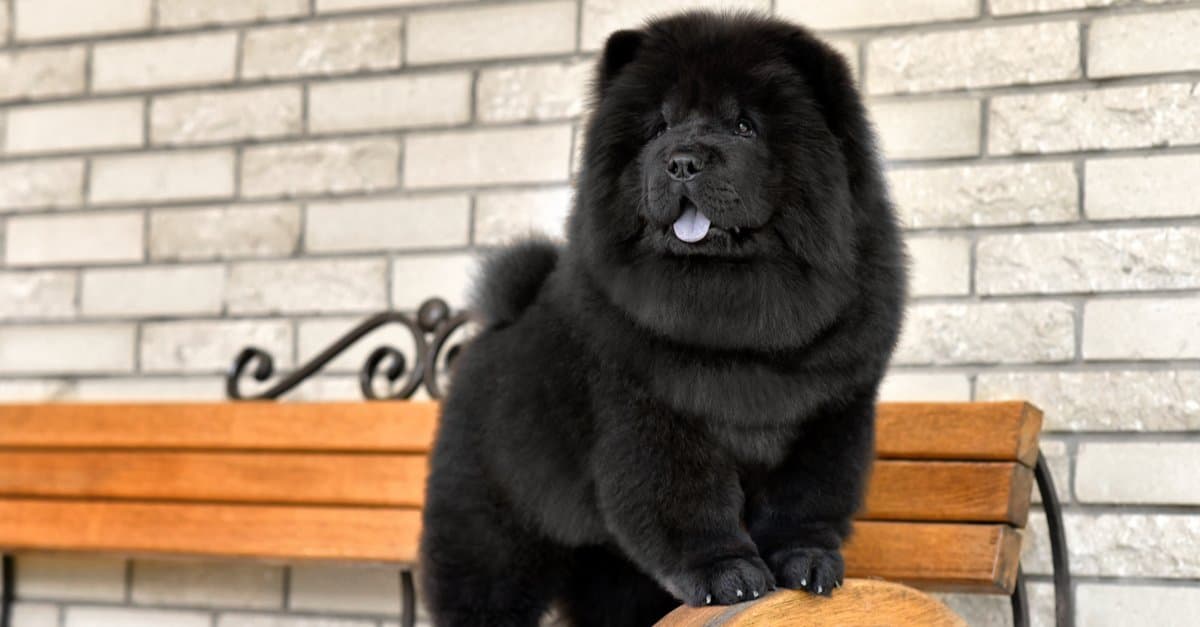
It can be difficult to find a place to rent or reasonably-priced home insurance when you have a chow chow.
©Natalia Fesiun/Shutterstock.com
If your city, building, or insurance policy has a list of banned breeds, chow chows may be included. Be sure to confirm that you are allowed to have a chow chow before bringing one home.
While it’s unfortunate that some breeds face discrimination, attempting to hide your new puppy is not advisable. Doing so can lead to heartbreaking consequences for both you and your dog.
Similar breeds that are generally not subject to breed bans include Pomeranians and Samoyeds. These may be good alternatives, or you might choose to wait until you live somewhere that allows chow chows.
Chow Chows are Prone to Health Problems
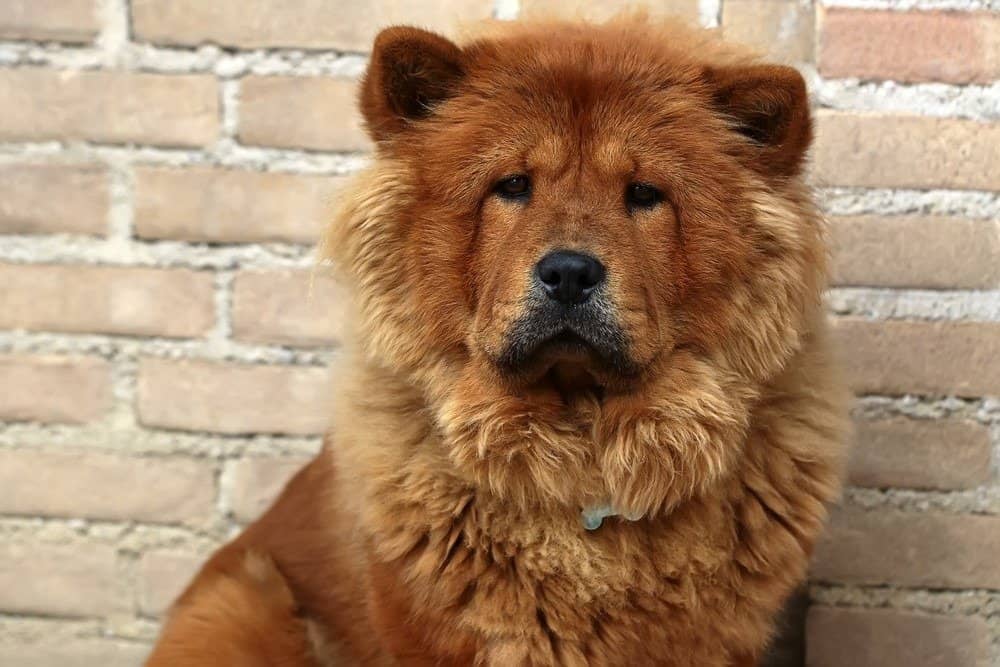
Health conditions such as hip dysplasia plague chow chows.
©Volodymyr TVERDOKHLIB/Shutterstock.com
Chow chows are prone to genetic health problems. Some common health issues in chow chows include:
- Hip and elbow dysplasia
- Eye conditions
- Luxating patella
- Heart disease
- Thyroid disease
Certain breeding practices can also lead to skin issues, breathing difficulties, and other respiratory problems associated with their short snouts.
Always opt for breeders who complete recommended OFA health testing and only breed healthy dogs, or from a reputable shelter or rescue organization.
It’s also important to purchase pet insurance when you bring your puppy home or to save for emergencies beforehand. As of 2026, pet insurance for chow chows typically costs between $25 and $72 per month, depending on the provider and coverage. You never know when your chow chow might get sick or injured, and vet care is expensive.